
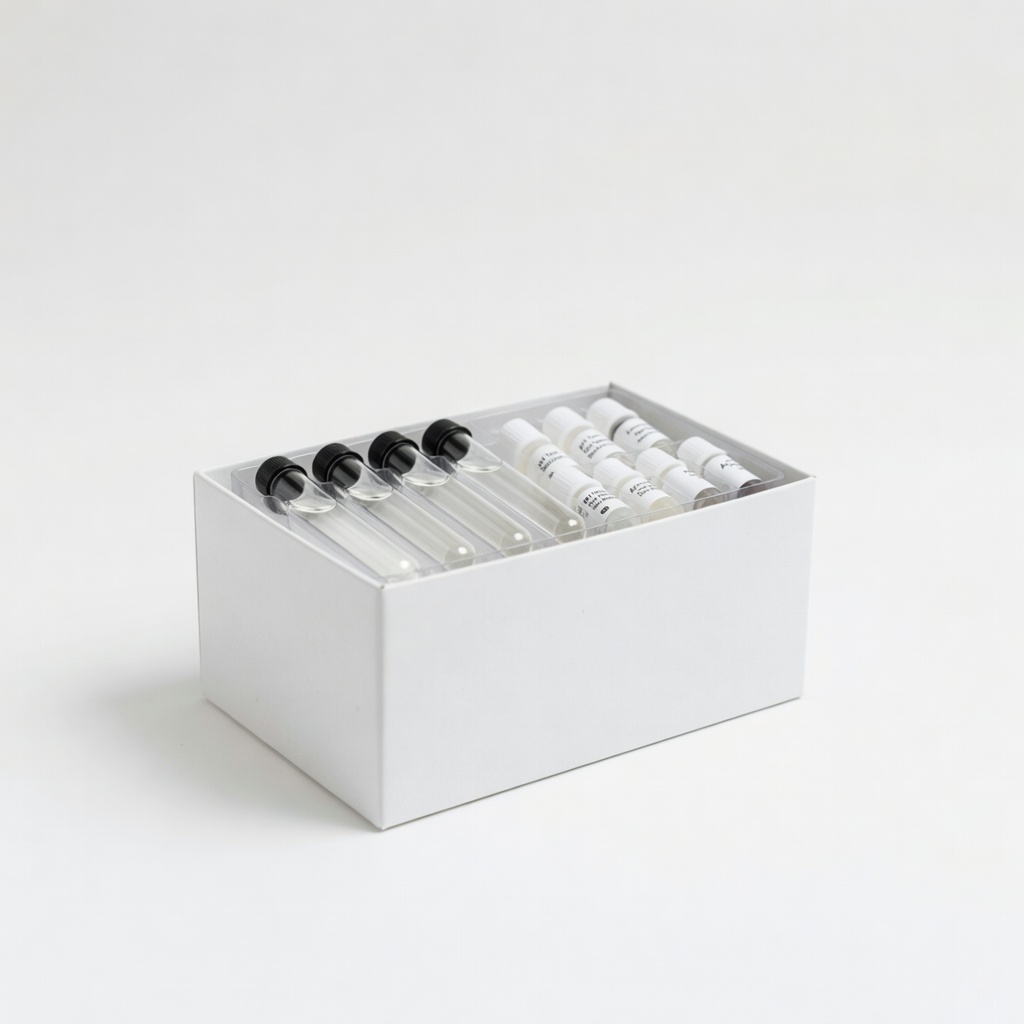
API Freshwater Master Test Kit
Daily parameter checks during entire cycle.
$30-$35
API Freshwater Master Test Kit Accurate liquid tests for ammonia, nitrite, nitrate—essential for precise monitoring.
Get the App
Better experience on mobile
Master the fishless cycling method to build beneficial bacteria in 4-6 weeks, preventing new tank syndrome and keeping fish alive.
Setting up a new aquarium is exciting, but rushing to add fish can lead to 'new tank syndrome'—a deadly ammonia spike that wipes out your aquatic pets. Cycling establishes the nitrogen cycle, where beneficial bacteria convert toxic ammonia and nitrite into harmless nitrate. This guide teaches the safe, fishless method ideal for beginners.
You'll learn step-by-step how to monitor water parameters, dose ammonia, and recognize cycle completion. Expect 4-6 weeks of mostly passive monitoring (5-10 minutes daily), with low difficulty if you follow along. No fish stress, no crashes—just a stable home ready for inhabitants.
Estimated Time: 4-6 weeks (5-10 minutes daily monitoring) Difficulty: beginner
Rinse substrate, rocks, and decor with dechlorinated water (not tap) to remove dust. Place substrate 1-2 inches deep, add decor, then install filter, heater, and air stone. Fill tank 75% with room-temperature dechlorinated water—treat tap water with conditioner first.
Why? Clean setup prevents contaminants. Expect clear water; position equipment for good flow. Turn on filter, heater (set to 78°F/25.5°C), and light briefly to test.
Success: Equipment runs quietly, water circulates.
💡 Tips:
⚠️ Warnings:
Let tank run 24 hours with heater on. Test pH (6.8-7.5 ideal), ammonia (0 ppm), nitrite (0 ppm), nitrate (0 ppm). Adjust pH if needed with buffers, but avoid extremes.
Why? Stable temp boosts bacteria growth. Expect readings near zero—note them as baseline.
💡 Tips:
For fishless cycle: Add pure ammonia to reach 2-4 ppm (use test kit to measure). Or, add pinch of fish food daily to decay into ammonia.
Why? Mimics fish waste without harming live fish. Expect ammonia reading of 2-4 ppm after dosing.
💡 Tips:
⚠️ Warnings:
Dose bacteria starter per instructions (e.g., weekly for 7 days). Run filter 24/7 for oxygenation.
Why? Speeds cycle from 6+ weeks to 2-4. Expect no immediate change, but faster drops in ammonia.
💡 Tips:
Test ammonia, nitrite, nitrate daily. When ammonia drops below 0.5 ppm (usually 2-7 days), redose to 2-4 ppm. Repeat until ammonia converts quickly.
Why? Tracks bacteria growth: Phase 1 (ammonia-eating bacteria), then Phase 2 (nitrite-eaters). Expect ammonia spike first, then drop; nitrite rise next.
💡 Tips:
⚠️ Warnings:
Once ammonia stays at 0 ppm after 12-24 hours, nitrite will rise (brown color on tests). Keep dosing ammonia lightly if needed.
Expect nitrite to peak then drop to 0 ppm over 1-2 weeks.
💡 Tips:
Cycle done when: Ammonia 0, nitrite 0, nitrates 5-40 ppm after 24 hours with 2-4 ppm ammonia dose.
Why? Full colony established. Do 25% water change to lower nitrates. Now safe for fish!
💡 Tips:
Problem: Cycle stalls (no ammonia drop after 7 days)
Solution: Check temp (78°F ideal), add bacteria starter, ensure good flow/oxygen. Redose ammonia.
Problem: Sudden ammonia spike mid-cycle
Solution: Do 50% water change, check for dead food/decay, resume dosing smaller amounts.
Problem: High nitrite forever
Solution: Patience—Phase 2 bacteria slower; dose Stability, small water changes.
Problem: Algae bloom
Solution: Reduce light to 6 hours/day, add more flow. Harmless during cycle.
Accurate liquid tests for ammonia, nitrite, nitrate—essential for precise monitoring.
Best for: Daily parameter checks during entire cycle.
Price Range: $30-$35
Live bacteria booster shortens cycle time reliably for beginners.
Best for: Weekly dosing to kickstart and speed bacteria growth.
Price Range: $15
Instant bacteria colony for fishless cycles, proven to complete in days.
Best for: Single dose at start for fastest results.
Price Range: $15-$30
Reliable biofiltration with sponge media perfect for cycling small tanks.
Best for: Primary filtration during and after cycle.
Price Range: $20
Precise temp monitoring with alarm to maintain ideal bacteria range.
Best for: Continuous temp check without opening tank.
Price Range: $15
Daily parameter checks during entire cycle.
API Freshwater Master Test Kit Accurate liquid tests for ammonia, nitrite, nitrate—essential for precise monitoring.

Weekly dosing to kickstart and speed bacteria growth.
Seachem Stability Live bacteria booster shortens cycle time reliably for beginners.
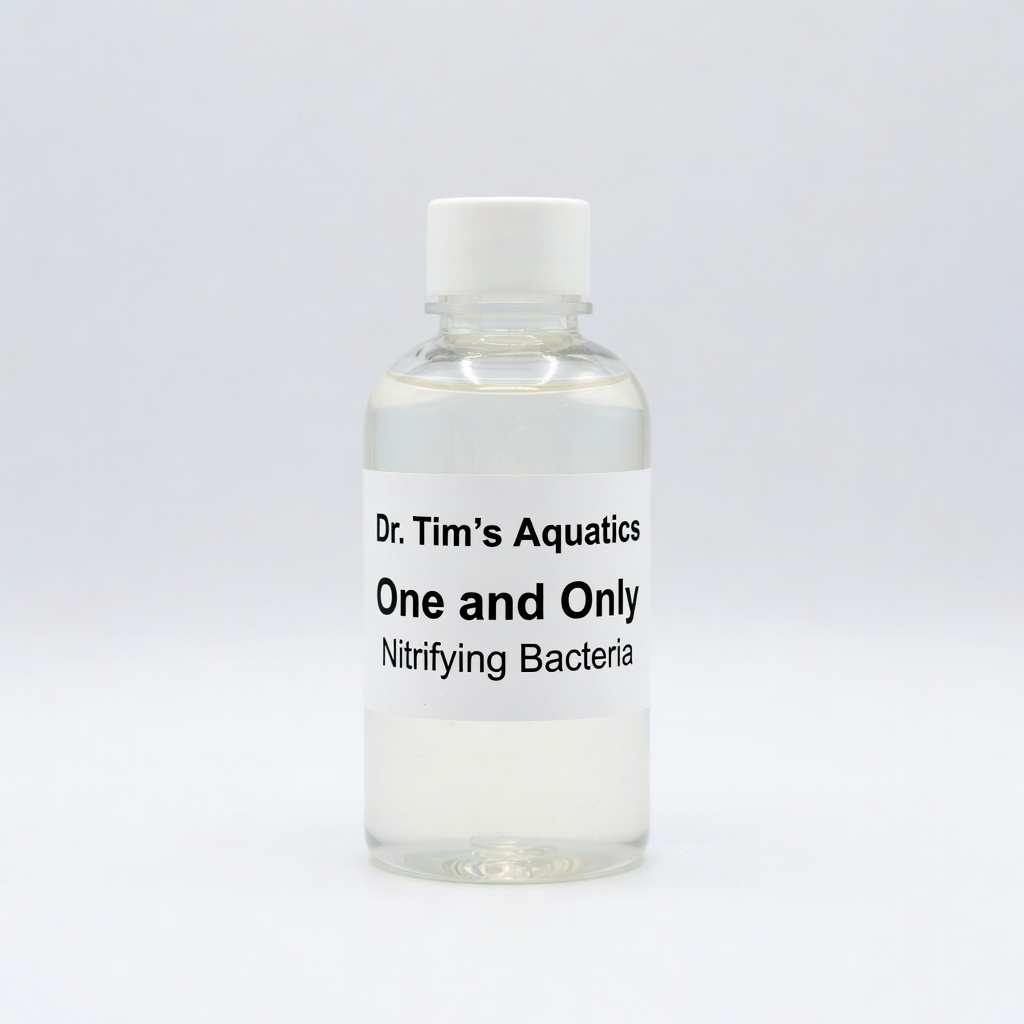
Single dose at start for fastest results.
Dr. Tim's Aquatics One and Only Nitrifying Bacteria Instant bacteria colony for fishless cycles, proven to complete in days.
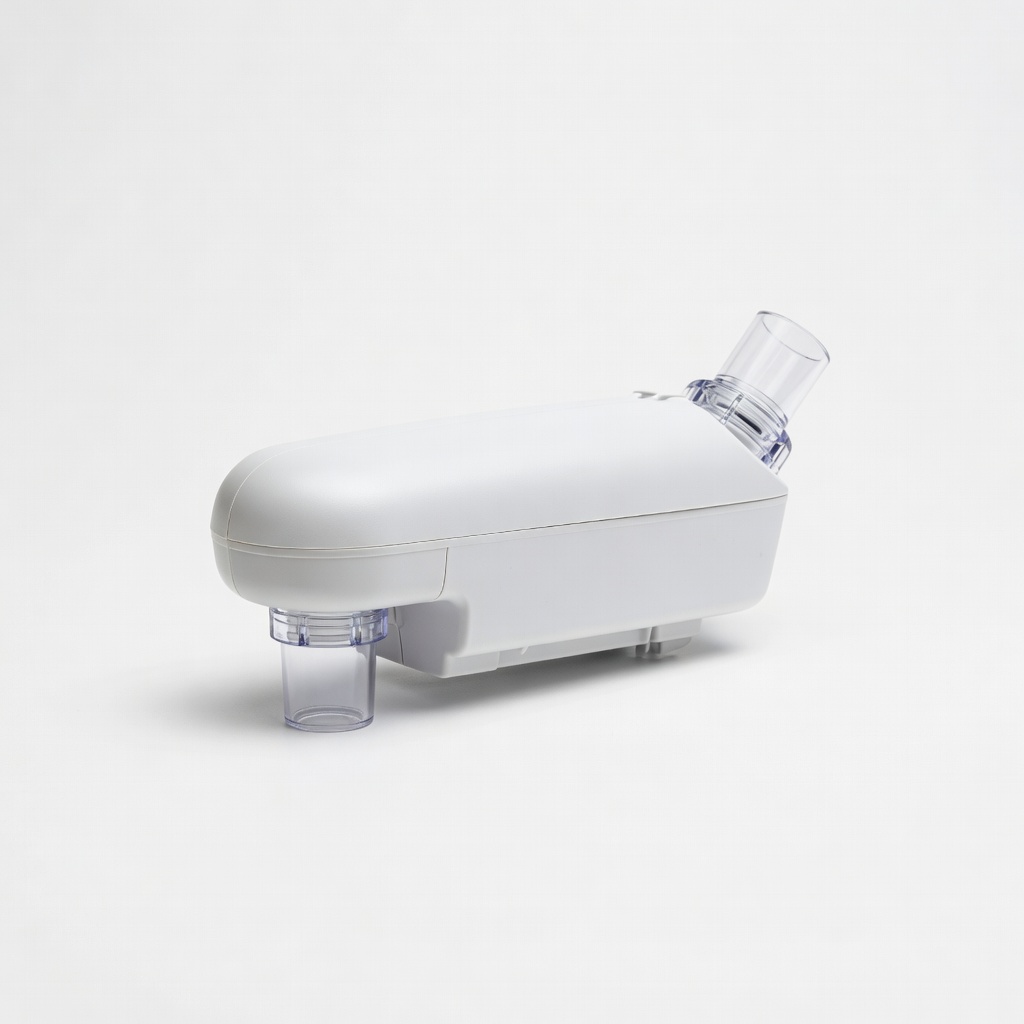
Primary filtration during and after cycle.
Aqueon QuietFlow Internal Power Filter 10 Reliable biofiltration with sponge media perfect for cycling small tanks.
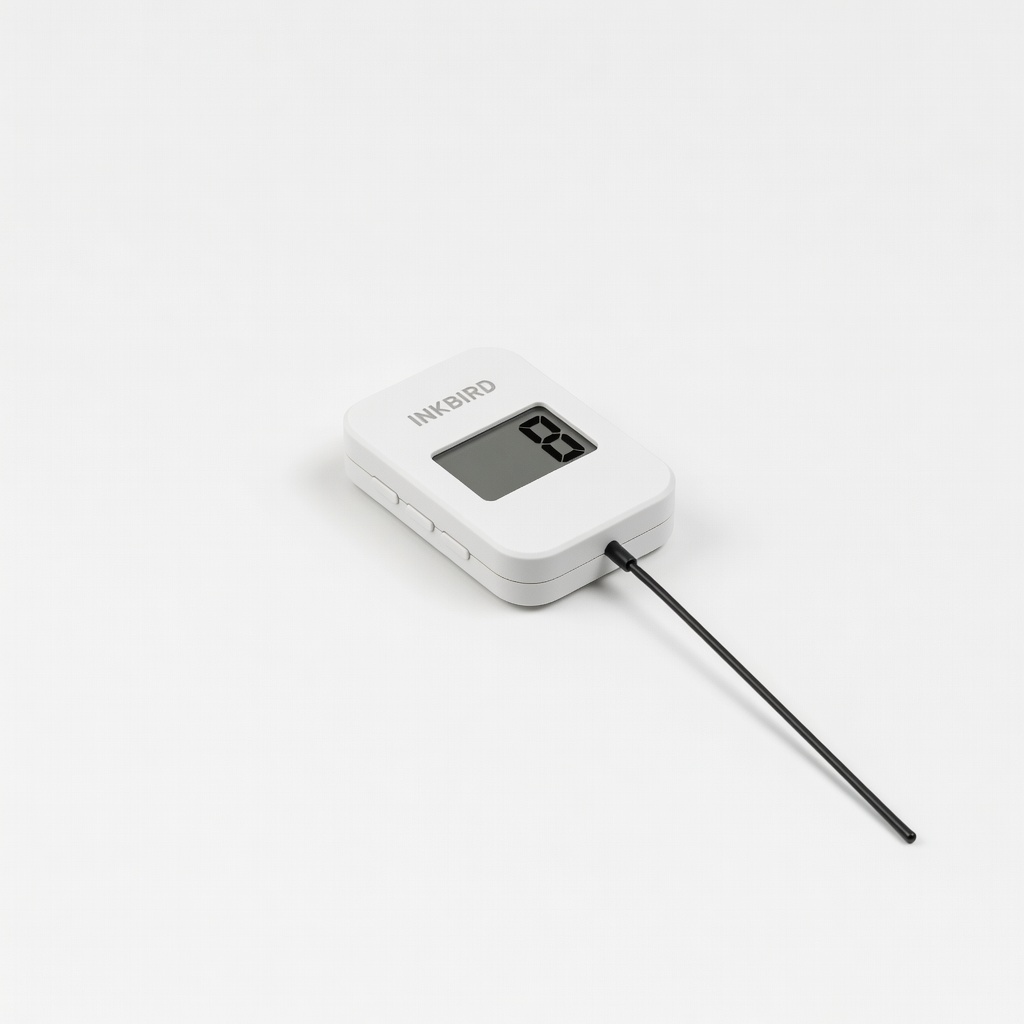
Continuous temp check without opening tank.
INKBIRD Digital Aquarium Thermometer Precise temp monitoring with alarm to maintain ideal bacteria range.