
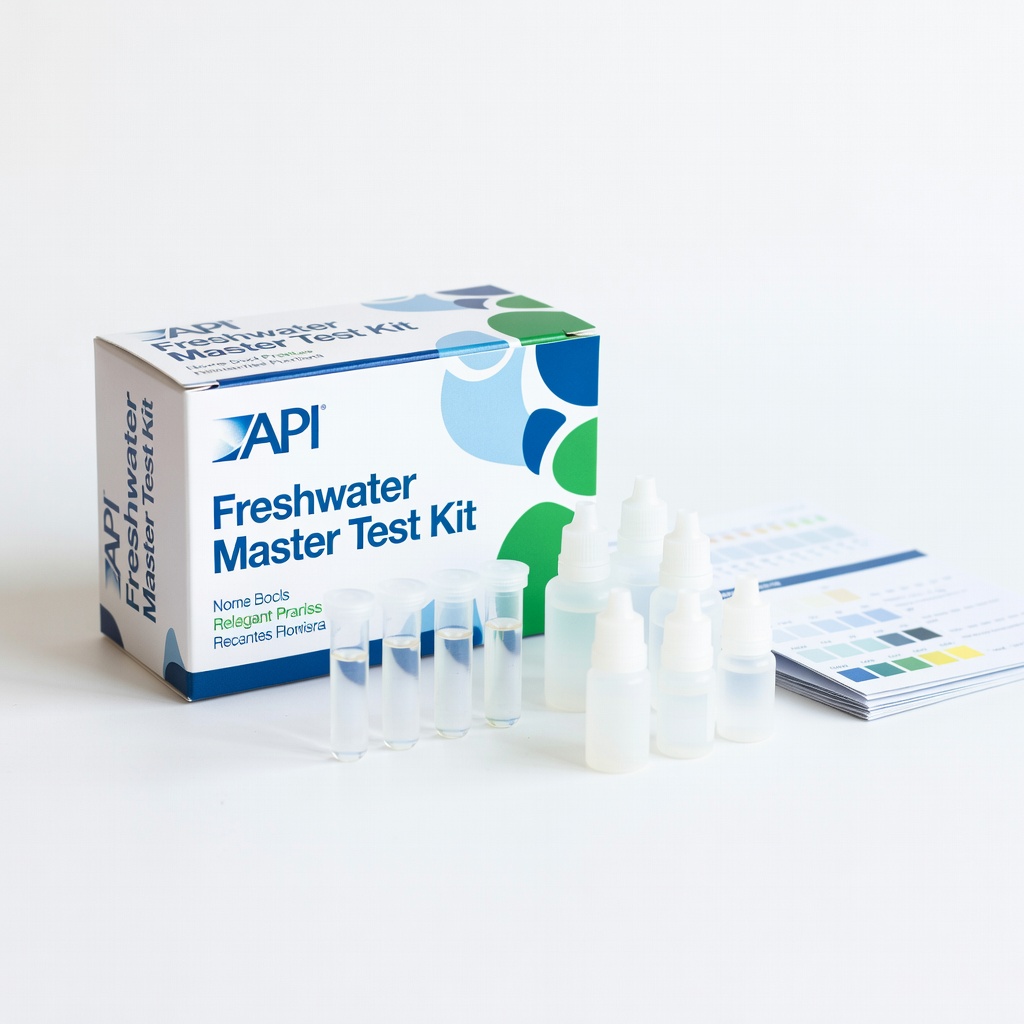
API Freshwater Master Test Kit
Track cycle progress precisely; 800+ tests last multiple cycles.
$30-$35
API Freshwater Master Test Kit Accurate liquid tests for ammonia, nitrite, nitrate—essential for daily monitoring.
Get the App
Better experience on mobile
Set up a safe, ammonia-free aquarium for fish in 4-6 weeks without risking livestock using this beginner-friendly method.
Adding fish to a new aquarium too soon is a common mistake that leads to toxic ammonia spikes and deadly 'new tank syndrome.' Fishless cycling builds beneficial bacteria colonies first, creating a stable environment where waste is safely converted.
In this guide, you'll learn the step-by-step process to cycle your tank using an ammonia source, monitoring with test kits until it's fish-ready. No fish are harmed, and it's perfect for beginners.
Expect 4-6 weeks total, with 5-10 minutes daily for testing and dosing. It's straightforward, low-cost, and ensures long-term success.
Estimated Time: 4-6 weeks (5-10 minutes daily) Difficulty: beginner
Rinse the aquarium, filter media, and decorations with dechlorinated water (never soap). Install the filter, heater, and light. Fill the tank with tap water treated with dechlorinator to remove chlorine/chloramine. Set heater to 78-82°F (25-28°C) and run filter 24/7.
This establishes water flow and temperature stability, mimicking a live tank. Expect clear water after 24 hours; bubbles from heater are normal.
Image: Assembled bare aquarium with filter running.
💡 Tips:
⚠️ Warnings:
Rinse substrate thoroughly and add 1-2 inches to the bottom. Place decorations, plants (live or silk), creating caves/hiding spots. This provides surface area for bacteria growth.
Substrate hosts anaerobic bacteria later; gravel >1mm works best. Resuspend rinsed gravel in a bucket to remove dust. Tank should look natural now.
Image: Tank with gravel, rocks, and plants.
💡 Tips:
⚠️ Warnings:
Test water: pH 7-8, temp stable. Add ammonia source to reach 2-4 ppm ammonia (use test kit). For pure ammonia (5-10%), 1-2 drops/gallon; or Dr. Tim's Ammonium Chloride per instructions; or pinch daily fish food.
Ammonia simulates fish waste, kickstarting nitrifying bacteria. Success: Reading of 2-4 ppm on test kit within hours.
Image: Adding drops from ammonia bottle.
💡 Tips:
⚠️ Warnings:
Test ammonia daily. When it drops to 0 ppm (1-2 weeks), bacteria have converted it to nitrite. Re-dose to 2-4 ppm immediately.
This 'feeds' bacteria colonies. Expect ammonia spike to last 7-14 days initially. Log readings in a notebook/app.
Image: Test kit results showing ammonia drop.
💡 Tips:
⚠️ Warnings:
Once ammonia vanishes quickly (within 24 hours), nitrite will rise (brown color on test). Keep dosing ammonia 2-4 ppm daily until nitrite hits 0 ppm (another 1-3 weeks).
Nitrosomonas bacteria convert ammonia to nitrite; now Nitrospira convert nitrite to nitrate. Patience here prevents crashes.
Image: Nitrite test turning brown then clear.
💡 Tips:
⚠️ Warnings:
Test: Ammonia 0, Nitrite 0, Nitrate 5-40+ ppm after 24 hours post-dose. Do 3 consecutive days of tests without dosing. Perform 25-50% water change to drop nitrates.
Tank is cycled! Bacteria colony is established. Success looks like instant conversion.
Image: All test kits showing 0/0/nitrate.
💡 Tips:
⚠️ Warnings:
Problem: No ammonia drop after 2 weeks
Solution: Add beneficial bacteria (e.g., Seachem Stability), ensure temp >78°F, check for dead spots in filter.
Problem: Cycle stalls at nitrite
Solution: Increase oxygenation with airstone; dose bacteria again; partial water change if >5 ppm.
Problem: pH crashes below 6.5
Solution: Water change with conditioned water; add baking soda slowly to raise to 7.0+.
Problem: Nitrate won't rise
Solution: Verify ammonia source is pure; restart dosing; test kit may be expired.
Accurate liquid tests for ammonia, nitrite, nitrate—essential for daily monitoring.
Best for: Track cycle progress precisely; 800+ tests last multiple cycles.
Price Range: $30-$35
Pure, fish-safe ammonia source calibrated for aquariums—no guessing drops.
Best for: Daily dosing during entire cycle; treats 50-100 gallon tanks.
Price Range: $15-$20
Best dechlorinator; detoxifies ammonia/nitrite during cycle mishaps.
Best for: Initial setup and emergency water changes.
Price Range: $10-$15
Live bacteria speeds cycling by 2x; jump-starts stubborn tanks.
Best for: Weekly dosing if progress slows.
Price Range: $10-$20
Reliable temp control crucial for bacteria growth.
Best for: Maintain 78-82°F automatically.
Price Range: $25-$40
Track cycle progress precisely; 800+ tests last multiple cycles.
API Freshwater Master Test Kit Accurate liquid tests for ammonia, nitrite, nitrate—essential for daily monitoring.
Daily dosing during entire cycle; treats 50-100 gallon tanks.
Dr. Tim's Aquatics Ammonium Chloride Pure, fish-safe ammonia source calibrated for aquariums—no guessing drops.
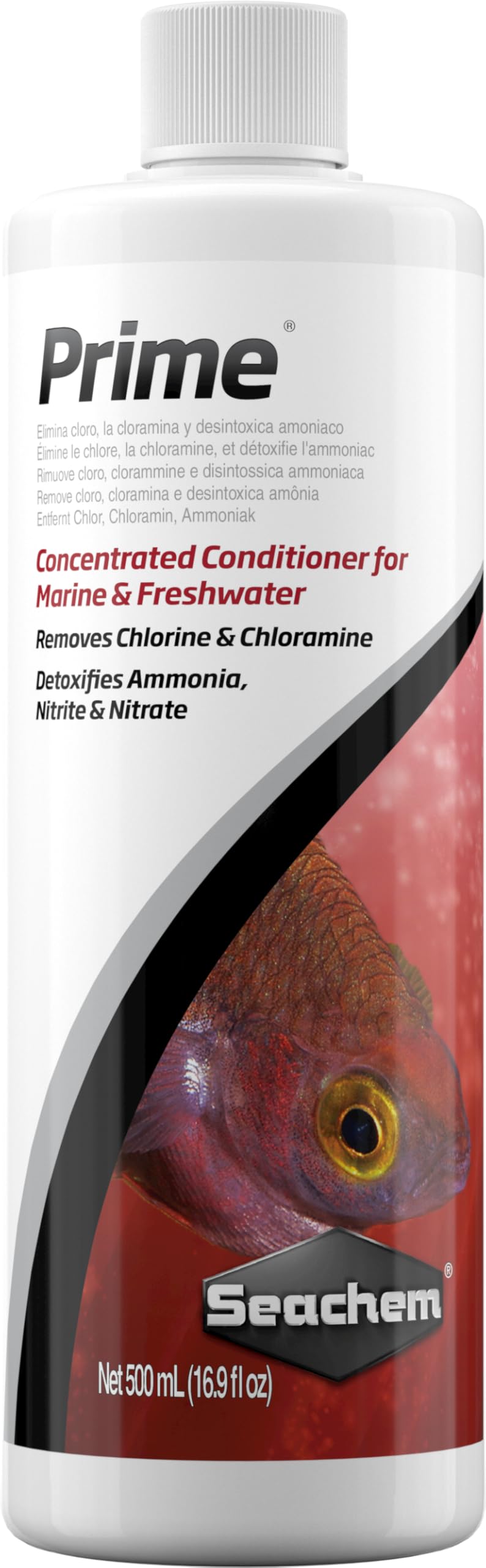
Initial setup and emergency water changes.
Seachem Prime Best dechlorinator; detoxifies ammonia/nitrite during cycle mishaps.
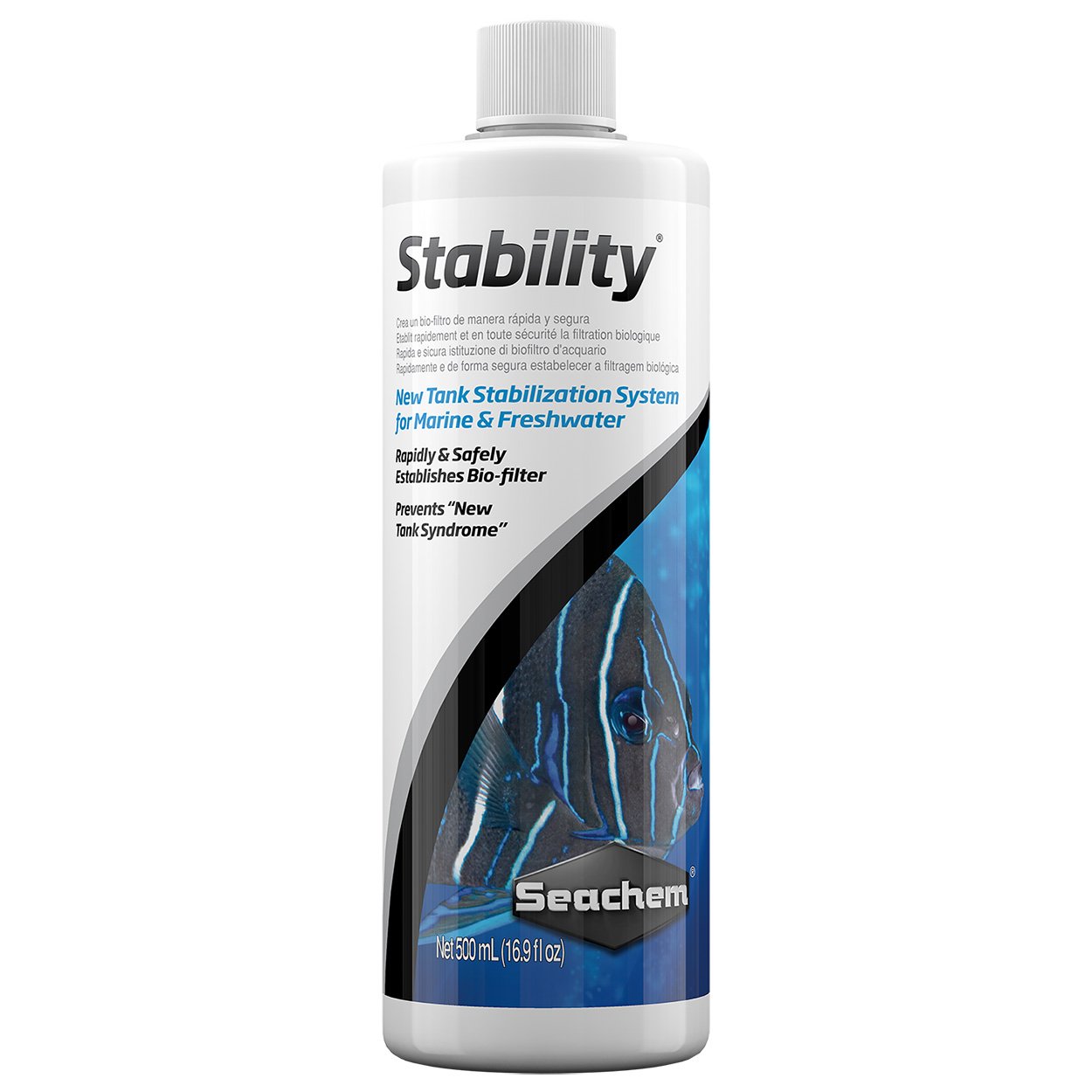
Weekly dosing if progress slows.
Seachem Stability Live bacteria speeds cycling by 2x; jump-starts stubborn tanks.
Maintain 78-82°F automatically.
Aqueon Pro Adjustable Heater Reliable temp control crucial for bacteria growth.