
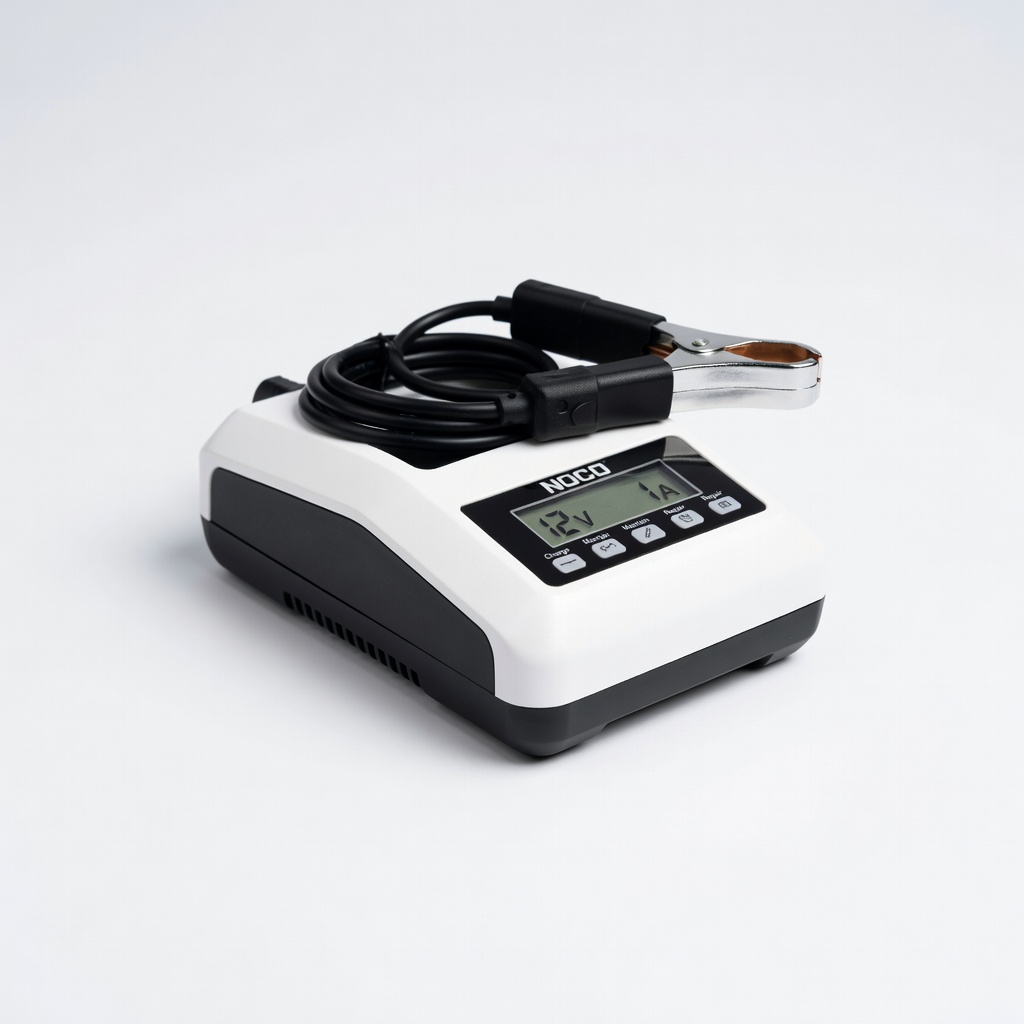
NOCO Genius GEN5X1 1A 12V Battery Charger
Primary charger for all steps, auto-detects AGM/flooded/lithium.
$59.95
NOCO Genius GEN5X1 1A 12V Battery Charger Smart multi-stage charging with desulfation and repair mode perfect for marine deep cycles.
Get the App
Better experience on mobile
Master battery cycling to extend life, boost performance, and avoid failures on your boat with this intermediate step-by-step guide.
Marine adventures can grind to a halt if your 12V batteries fail due to sulfation, undercharging, or deep discharges from trolling motors, lights, and electronics. Proper cycling—controlled discharging and recharging—restores capacity, prevents degradation, and ensures reliable power in harsh saltwater environments.
In this guide, you'll learn how to safely cycle deep-cycle 12V batteries (AGM, flooded lead-acid, or lithium) used in boats. We'll cover safety, testing, discharge, recharge, and verification. Expect 2-4 hours active time per cycle, plus overnight charging; intermediate skills like using a multimeter are needed.
By the end, your batteries will show improved voltage stability and capacity, ready for seasons of use.
Estimated Time: 2-4 hours active time per cycle + 8-12 hours charging Difficulty: intermediate
Choose a well-ventilated area away from flames or sparks, ideally outdoors or in a marine battery shed. Disconnect the battery from the boat's system to avoid accidental loads. Wear acid-resistant gloves and goggles—marine batteries can leak corrosive electrolyte.
Inspect the battery for damage: bulging cases, leaks, or corrosion. Clean terminals with baking soda/water mix and a wire brush. Why? Safety first prevents explosions from hydrogen gas during charging.
Success: Clean, isolated battery ready for handling.
💡 Tips:
⚠️ Warnings:
Use a multimeter set to DC volts (20V scale) to measure open-circuit voltage (OCV). For lead-acid/AGM: 12.6V+ = full; 12.2V = 50% SOC; below 12.0V needs attention. Lithium: Check via BMS app if equipped.
Record readings. Why? Establishes baseline—cycling restores from sulfated low-SOC states common in marine intermittent use.
Success: Baseline data logged; SOC confirmed.
💡 Tips:
Connect a load tester matching battery CCA (e.g., 50A for house batteries). Apply load for 15 seconds, note voltage drop (should hold >9.6V). For deeper test, use a resistive load bank to discharge at C/20 rate (e.g., 5A for 100Ah battery).
Monitor temp—stop if >125°F. Why? Verifies true capacity before cycling; marine vibes degrade plates.
Success: Capacity % noted (aim >80% initial).
⚠️ Warnings:
Apply a constant load (resistor, inverter with bulbs, or tester) to reach 50% DOD: ~12.2V for lead-acid, per BMS for lithium. Time it (e.g., 20-40 hours for 100Ah at low draw). Monitor every 30 mins initially.
Why? Partial cycles mimic marine use, conditioning plates without full depletion damage.
Success: Stable 50% SOC hold; log discharge Ah.
💡 Tips:
Connect a multi-stage charger (bulk, absorb, float). Set to battery type (AGM/flooded/lithium). Charge to 100% SOC (14.4-14.7V absorb for lead-acid). Monitor for gassing.
Top up flooded cells with distilled water post-charge. Why? Restores sulfation; marine chargers prevent overcharge.
Success: Returns to 12.6V+ OCV, no heat.
⚠️ Warnings:
For flooded lead-acid only: Use equalization mode (15-16V for 2-4 hours) until SG stable across cells. Ventilate heavily.
Why? Balances cells, mixes electrolyte—key for marine deep cycles.
Skip for AGM/lithium. Success: Uniform SG 1.265-1.275.
💡 Tips:
Repeat steps 2-3. Compare to baseline: Expect 10-20% capacity gain first cycle.
Why? Confirms cycling effectiveness.
Success: Improved OCV/load hold; ready for boat reinstall.
Problem: Battery won't hold charge post-cycle
Solution: Test for shorts with multimeter; sulfation severe? Repeat 3 cycles or replace if <70% capacity.
Problem: Excessive gassing/heat during charge
Solution: Reduce amps, ensure ventilation; bad cell? Dispose safely.
Problem: Voltage rebounds slowly after discharge
Solution: Surface charge—rest 24 hours, retest; if persists, weak plates.
Problem: Lithium BMS trips
Solution: Use Li-specific charger; reset BMS per manual.
Smart multi-stage charging with desulfation and repair mode perfect for marine deep cycles.
Best for: Primary charger for all steps, auto-detects AGM/flooded/lithium.
Price Range: $59.95
Accurate 50A load test for 12V batteries, digital display for quick marine checks.
Best for: Capacity verification before/after cycling.
Price Range: $24.99
Rugged, waterproof for boat use; precise voltage/continuity for intermediate users.
Best for: SOC and troubleshooting throughout process.
Price Range: $29.97
Bluetooth SOC tracking shunt; essential for precise DOD in marine installs.
Best for: Real-time monitoring during discharge.
Price Range: $152.20
Marine-rated vibration-resistant; ideal test subject for cycling tutorials.
Best for: Replacement if yours fails post-cycling.
Price Range: $179.99
Primary charger for all steps, auto-detects AGM/flooded/lithium.
NOCO Genius GEN5X1 1A 12V Battery Charger Smart multi-stage charging with desulfation and repair mode perfect for marine deep cycles.
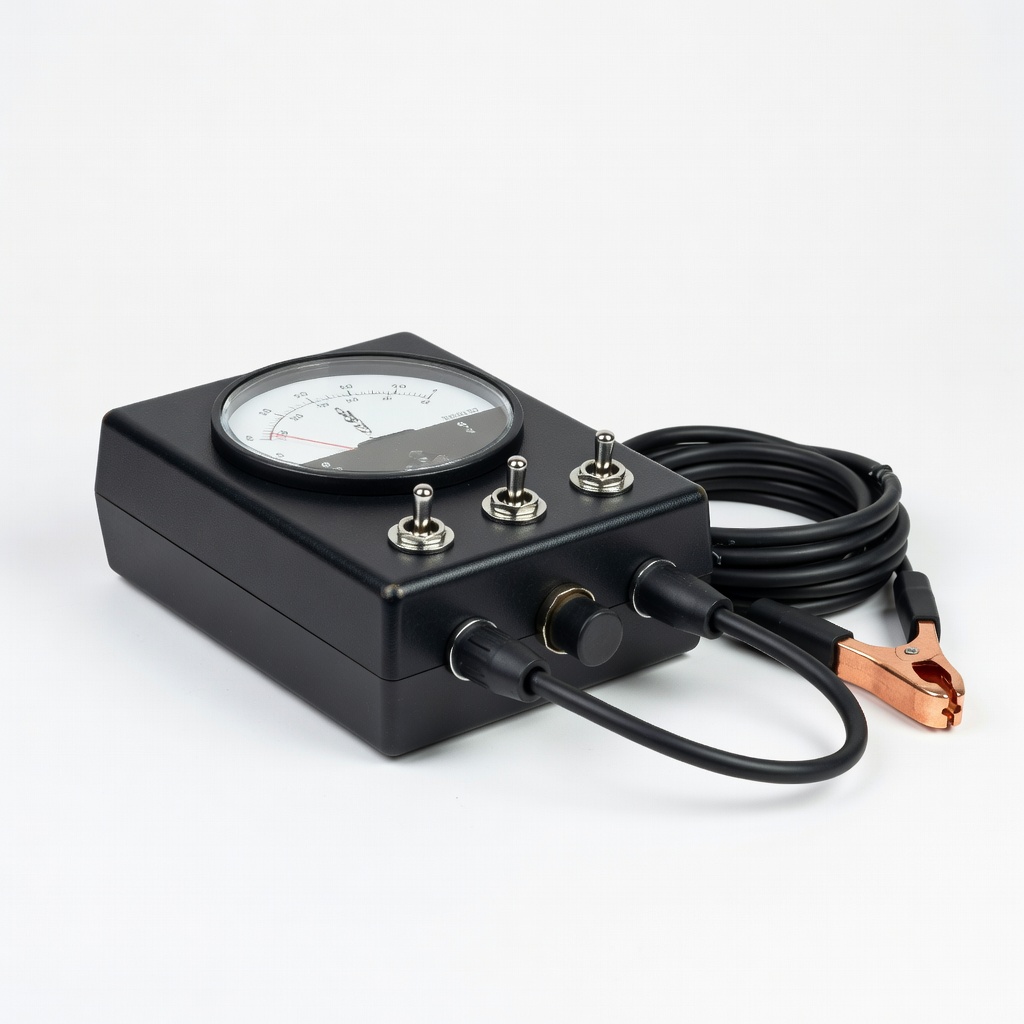
Capacity verification before/after cycling.
Schumacher BT-100 Battery Load Tester Accurate 50A load test for 12V batteries, digital display for quick marine checks.
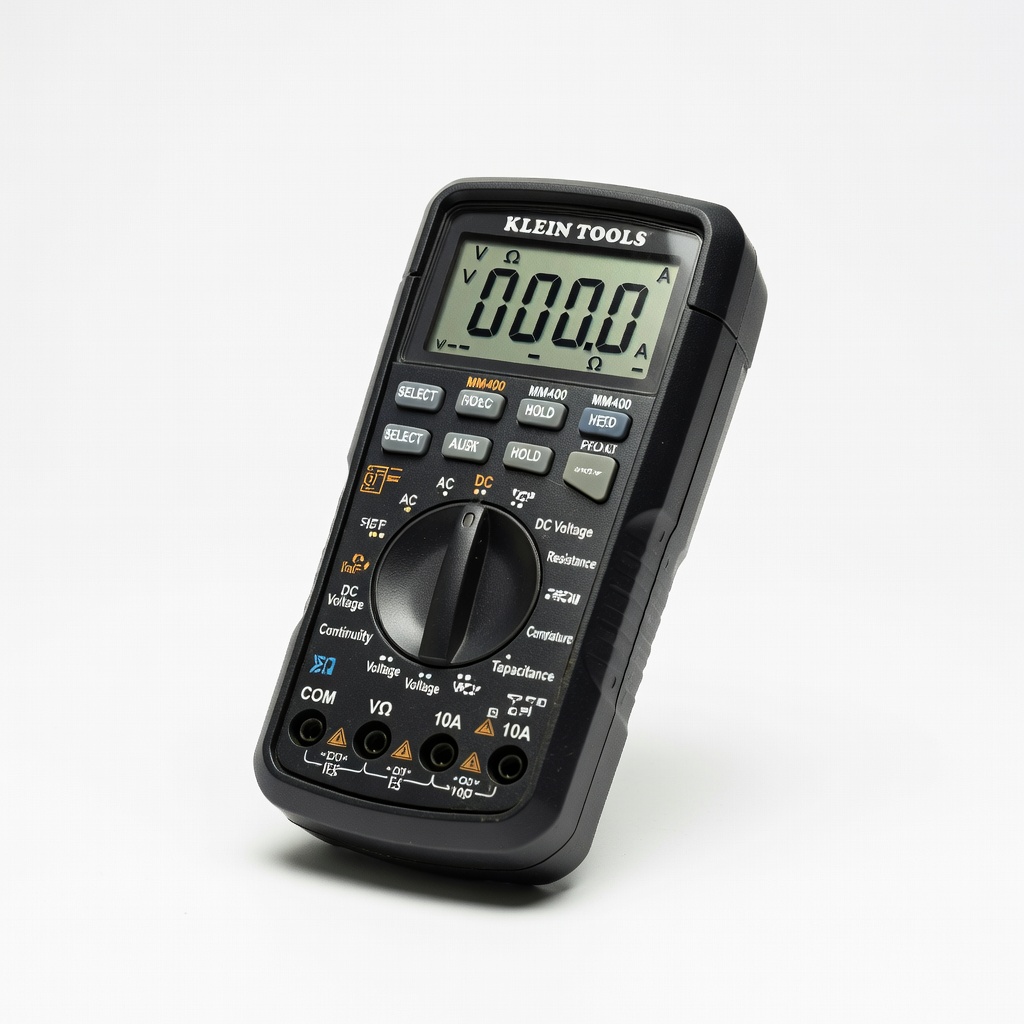
SOC and troubleshooting throughout process.
Klein Tools MM400 Digital Multimeter Rugged, waterproof for boat use; precise voltage/continuity for intermediate users.
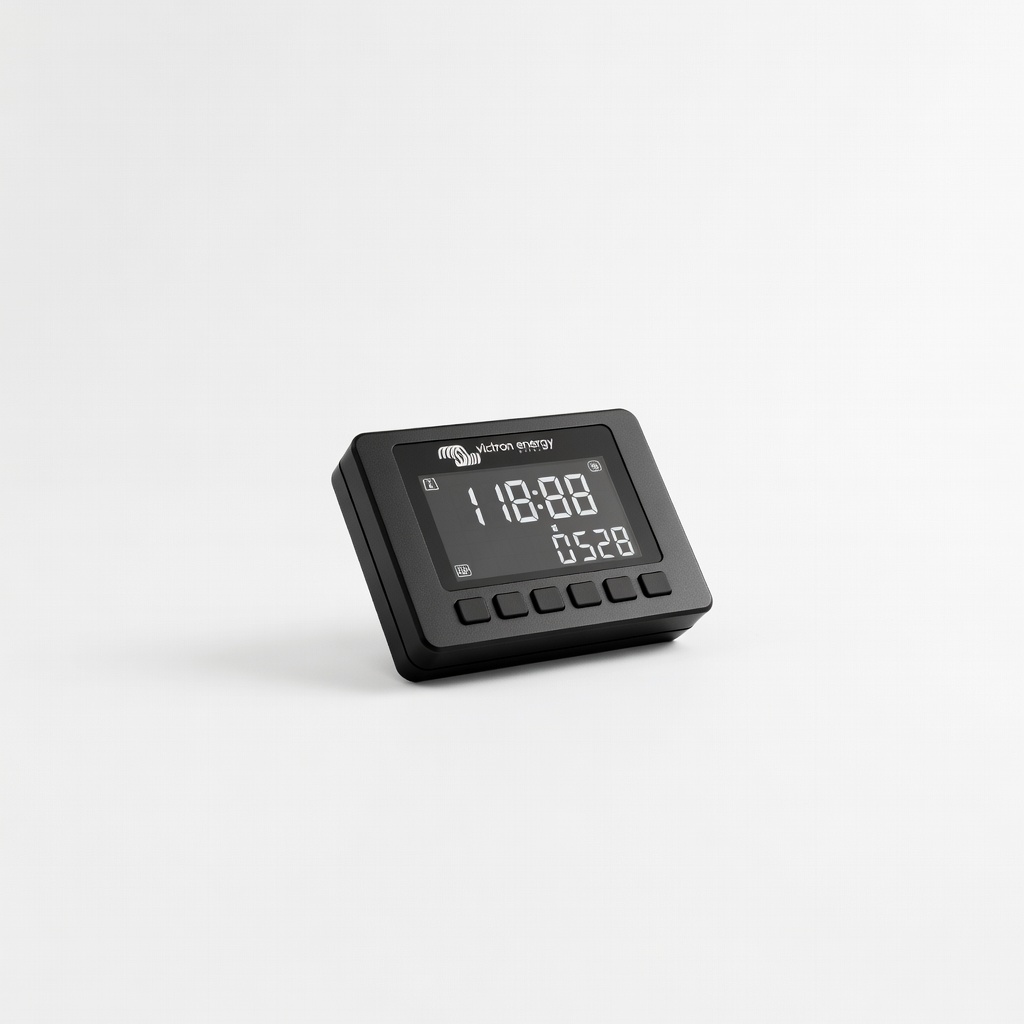
Real-time monitoring during discharge.
Victron Energy BMV-712 Battery Monitor Bluetooth SOC tracking shunt; essential for precise DOD in marine installs.

Replacement if yours fails post-cycling.
Renogy 12V 100Ah AGM Deep Cycle Battery Marine-rated vibration-resistant; ideal test subject for cycling tutorials.