
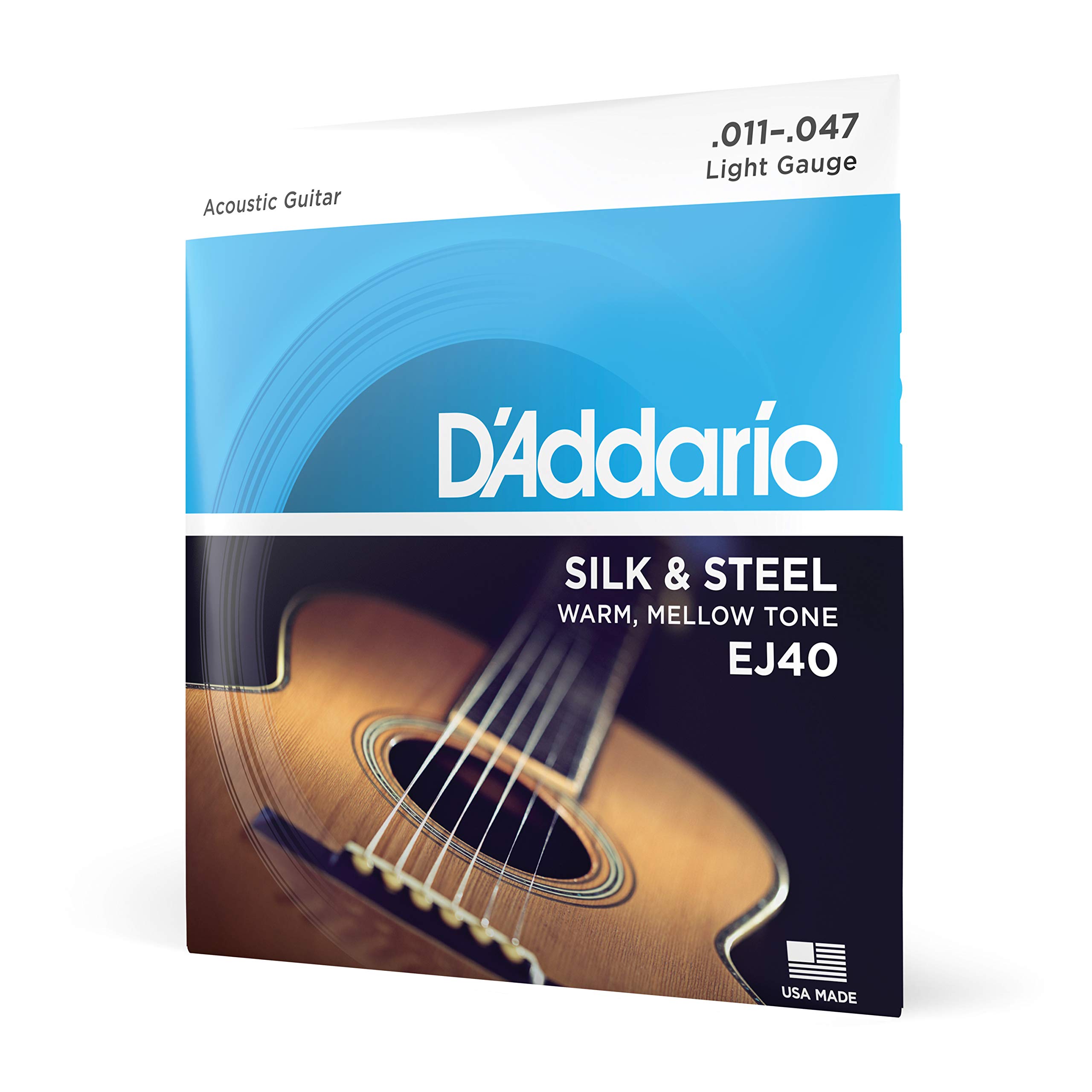
D'Addario EJ34 Silk & Steel Light
Vintage jazz fingerstyle on acoustics.
$7-9
D'Addario EJ34 Silk & Steel Light Mellow, finger-noise-free tone perfect for jazz comping and ballads.
Get the App
Better experience on mobile
Master selecting and installing custom gauge strings for warm jazz tone, smooth playability, and balanced projection on your acoustic guitar.
Jazz on acoustic guitar demands a mellow, responsive tone that's perfect for comping chords, fingerstyle lines, and subtle dynamics—yet stock strings often feel too bright or stiff. Advanced players know customizing strings (mixing gauges and materials) unlocks your guitar's true jazz voice, reducing finger fatigue while enhancing warmth and sustain.
In this guide, you'll learn to assess your setup, choose jazz-optimized materials and gauges, install a custom set, and tweak intonation for pro results. Expect a hands-on process blending string selection with minor setup adjustments—no luthier needed.
Total process takes 1-2 hours for experienced players, assuming basic string-changing skills. You'll end with strings tailored to jazz, feeling like an extension of your hands.
Estimated Time: 1-2 hours Difficulty: advanced
Start by playing your current setup. Note pain points: Is the tone too bright for jazz ballads? Do heavy gauges hinder bends or fast comping? Jazz favors warm, rounded tones with easy playability—think Wes Montgomery's mellow archtop vibe on acoustics.
Measure action height (string-to-fret distance) at 12th fret: aim for 2-3mm bass, 1.5-2mm treble post-customization. Record your scale length (typically 25.4-25.5" on acoustics) to match string tension.
Success: A checklist of needs (e.g., 'lighter trebles for fingerstyle, balanced bass for chords').
💡 Tips:
⚠️ Warnings:
Jazz acoustics thrive on phosphor bronze (warm, balanced) or silk & steel (ultra-mellow, reduced squeak). Avoid 80/20 bronze—too bright for intimate jazz tones.
For coated longevity, choose nanoweb phosphor bronze. This matters for sustain in chord-melody work.
Success: Strings ordered that match your tone goal (e.g., silk & steel for vintage jazz feel).
💡 Tips:
Standard lights (.012-.053) work, but customize for jazz: hybrid like .011-.052 (light top for speed, medium bottom for punch). Example set: E=.011, A=.015, D=.022, G=.030, B=.038, E=.047.
Calculate tension using online calculators (e.g., D'Addario's)—target 150-180 lbs total for balanced feel. Lighter trebles ease jazz phrasing; heavier bass anchors walking lines.
Success: Gauges listed that suit your hybrid picking or thumbstyle.
💡 Tips:
⚠️ Warnings:
Loosen all strings fully using a winder. Cut with diagonal cutters at bridge, then unwind from tuners. Remove bridge pins carefully with pliers wrapped in cloth.
This prevents scratches and allows inspection of nut/bridge wear—common in jazz's high-volume playing.
Success: Fretboard and hardware exposed, no damage.
Wipe fretboard with conditioner (e.g., lemon oil). Scrub lightly with steel wool (#0000) for oxidation. Clean nut slots and bridge plate.
Fresh surface improves new string tone and intonation—vital for jazz's precise intervals.
Success: Fretboard looks conditioned, slots clear.
💡 Tips:
⚠️ Warnings:
Thread low E through bridge hole, secure pin (tapered end out). Pull taut, clip excess at tuner post hole. Wind 2-3 wraps clockwise (overwrap for stability).
Bass first ensures even tension buildup.
Success: Secure, no slippage.
Repeat for A, D, G, B, high E—crimp ends at bridge for security. Wind consistently.
Treble lightness enhances jazz speed.
Success: All strings seated, tuned roughly to pitch.
Tune to standard (EADGBE) with clip-on tuner. Stretch each string 3-4 times by pulling 1-2" above fretboard, retune.
Repeat 3 cycles—stabilizes pitch for jazz practice.
Success: Strings hold tune after 10 mins playing.
💡 Tips:
Measure action/relief. Adjust truss rod (quarter-turn max) for slight bow. Sand saddle if action high.
Jazz needs low action for fluidity.
Success: Playable action, clean chords up neck.
⚠️ Warnings:
Jam jazz tunes—check tone, buzz, intonation at 12th fret harmonic vs. fret.
Tweak nut slots if binding.
Success: Warm jazz tone, no issues after 30 mins.
Problem: Strings buzz on frets
Solution: Raise action via saddle or truss rod relief; check for fret wear.
Problem: Dead tone after install
Solution: Stretch more or play 24hrs; ensure correct gauges for scale.
Problem: Slipping at bridge pins
Solution: Crimp ends sharply; lube pins with graphite.
Problem: Intonation off
Solution: Adjust saddle position; advanced users file for compensation.
Mellow, finger-noise-free tone perfect for jazz comping and ballads.
Best for: Vintage jazz fingerstyle on acoustics.
Price Range: $7-9
Long-lasting coating preserves warm jazz tone; hybrid gauges ideal for customization.
Best for: Gigging jazz players needing durability.
Price Range: $15-17
Speeds string changes with pin puller; essential for precise installs.
Best for: Quick pro-level restringing.
Price Range: $10-12
Accurate for stretching and intonation; vibration-based for acoustics.
Best for: Post-install tuning in noisy environments.
Price Range: $14-16
Restores wood before install for better tone transfer.
Best for: Cleaning step in customization.
Price Range: $8-10
Vintage jazz fingerstyle on acoustics.
D'Addario EJ34 Silk & Steel Light Mellow, finger-noise-free tone perfect for jazz comping and ballads.
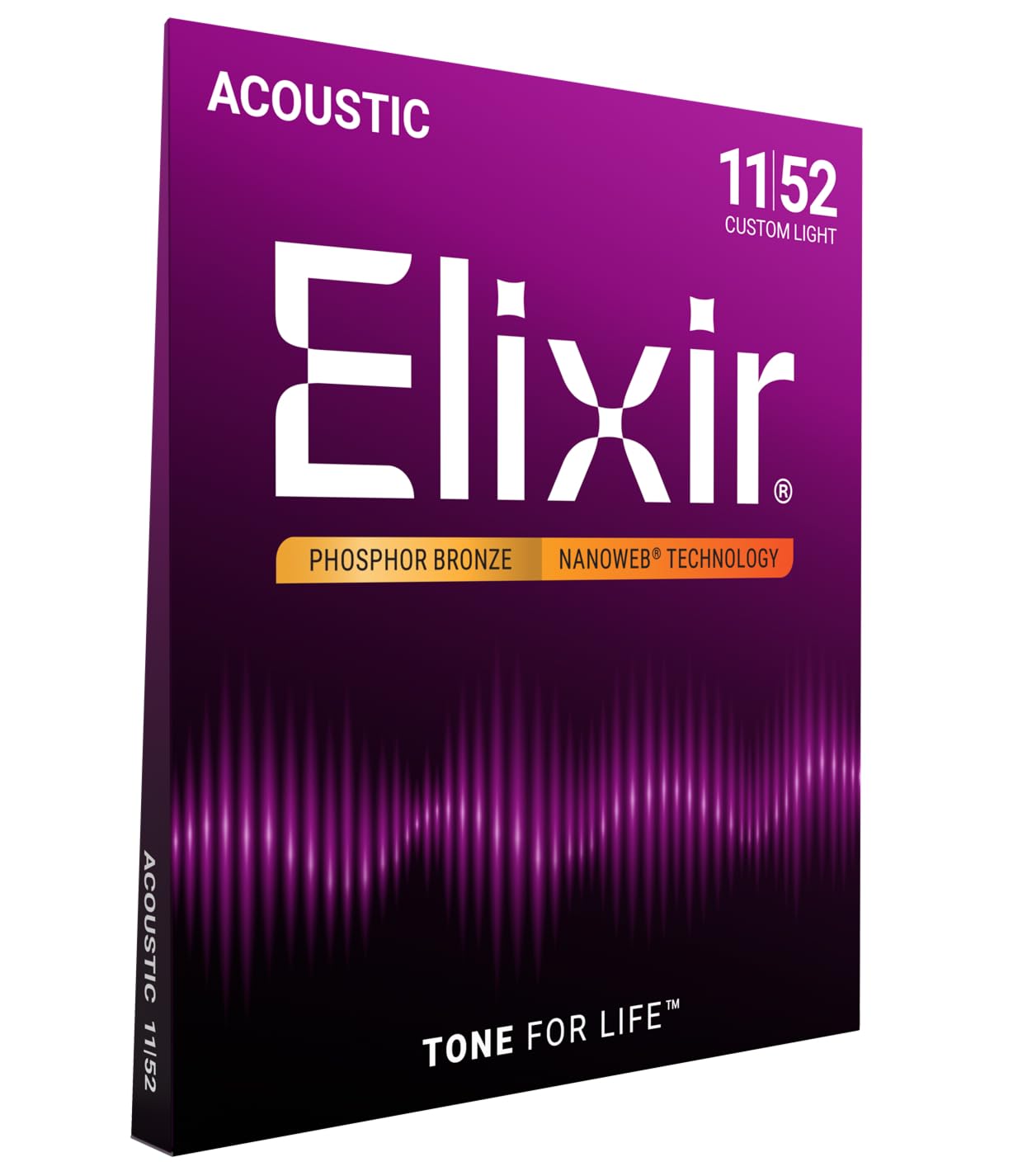
Gigging jazz players needing durability.
Elixir Nanoweb Phosphor Bronze Custom Light 11-52 Long-lasting coating preserves warm jazz tone; hybrid gauges ideal for customization.
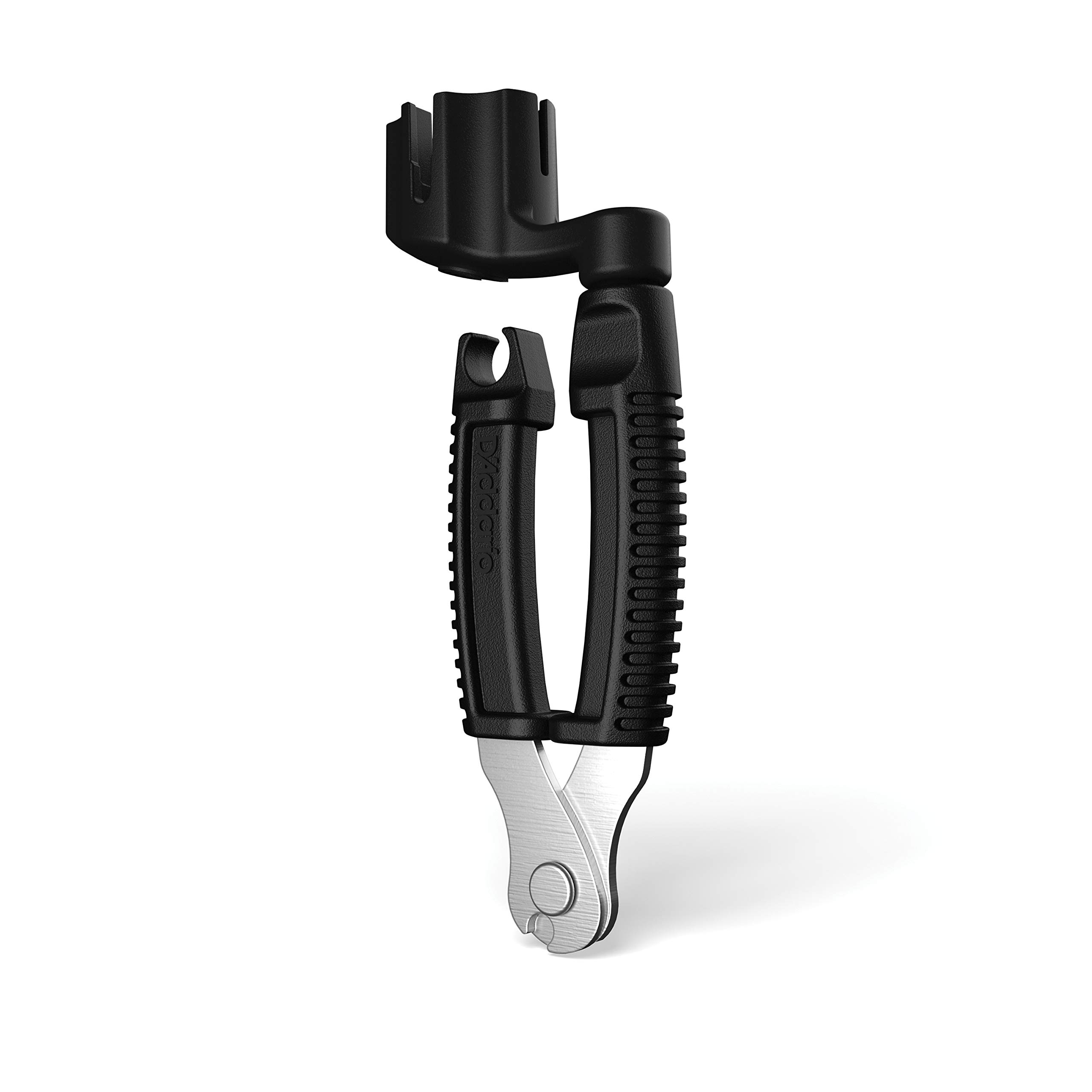
Quick pro-level restringing.
Grover 102Y Deluxe Peg Winder Speeds string changes with pin puller; essential for precise installs.
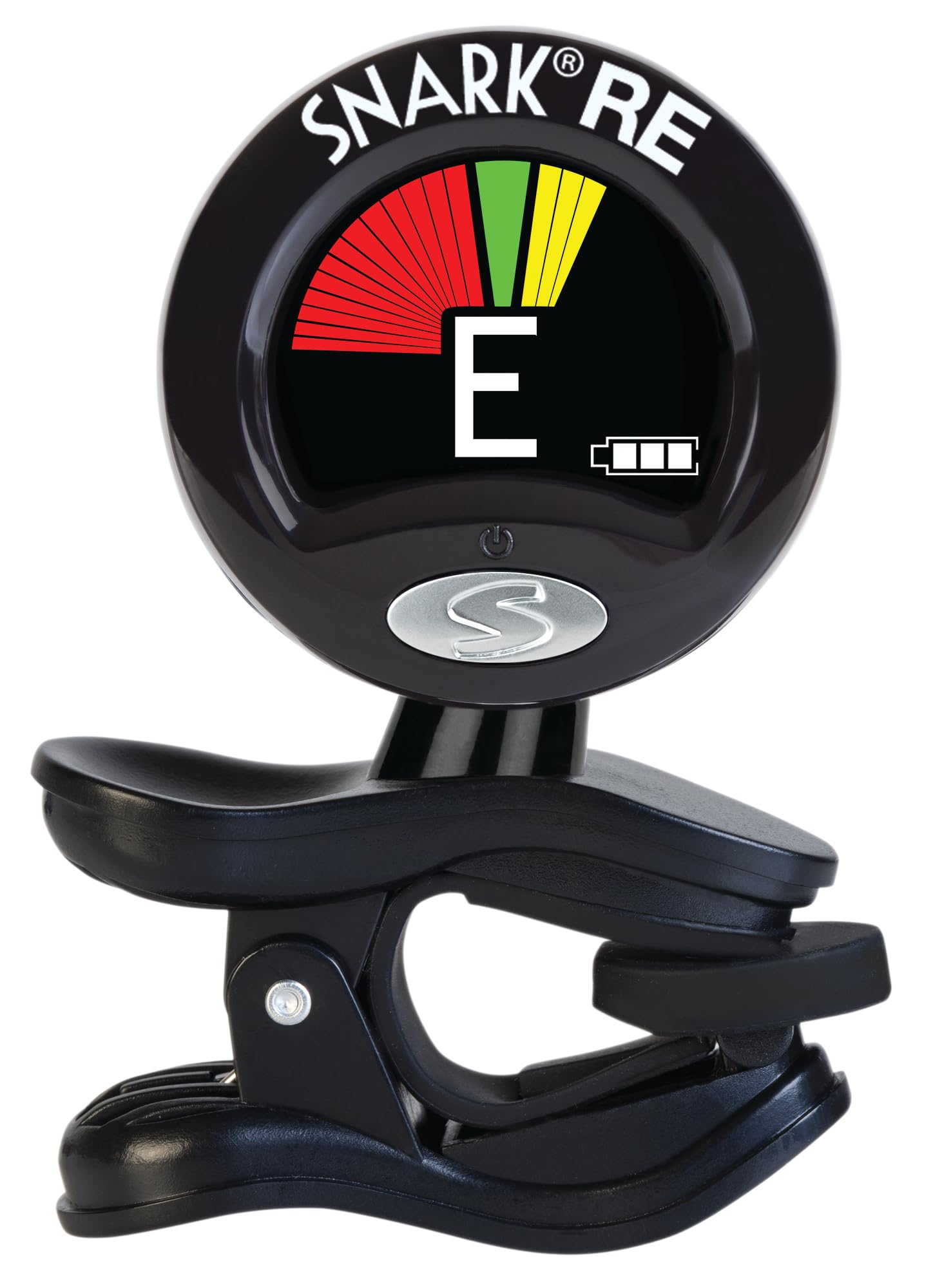
Post-install tuning in noisy environments.
Snark SN5X Clip-On Tuner Accurate for stretching and intonation; vibration-based for acoustics.
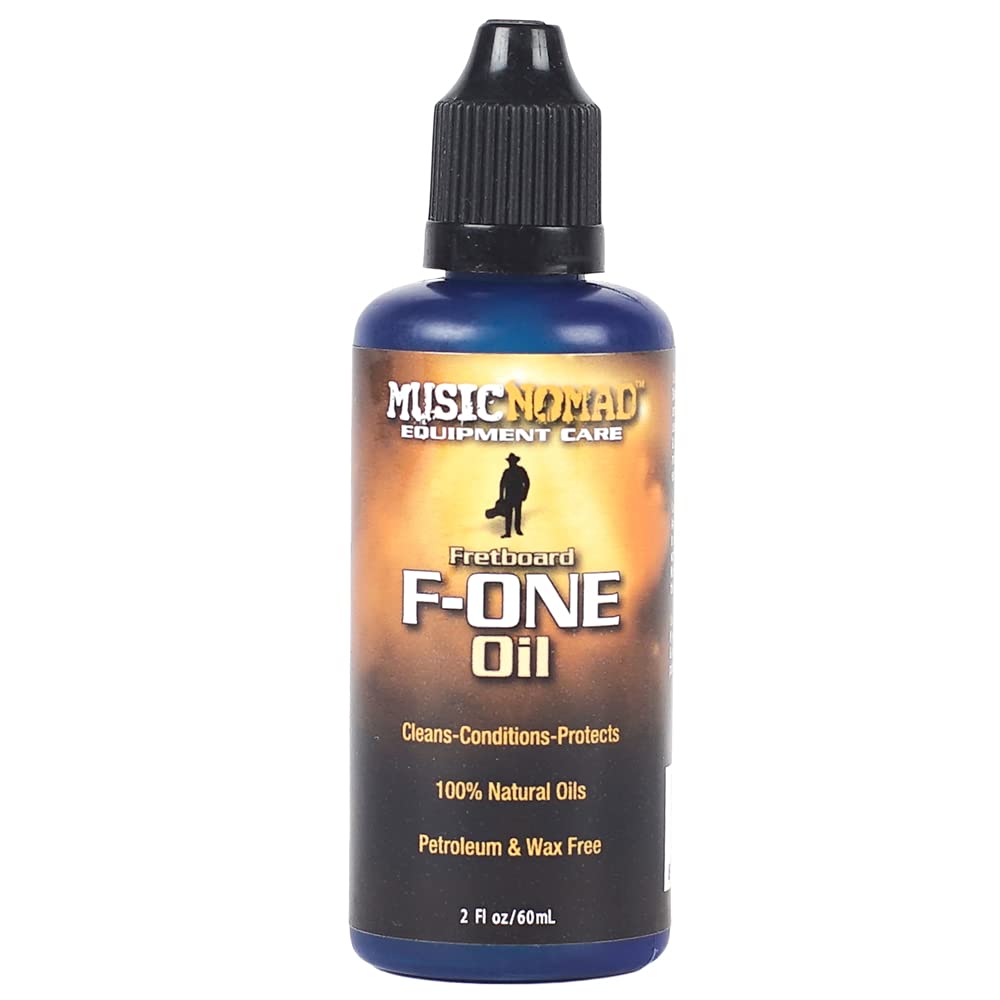
Cleaning step in customization.
Martin Fretboard Conditioner Restores wood before install for better tone transfer.