Pests can turn a thriving organic vegetable garden into a frustrating battleground, munching on leaves, fruits, and roots while threatening your hard-earned harvest. For intermediate gardeners, the good news is that organic pest control empowers you to fight back using eco-friendly methods that preserve soil health and beneficial insects. This guide equips you with proven techniques to identify, prevent, and manage pests sustainably.
You'll learn a step-by-step approach starting from prevention to targeted treatments, focusing on cultural, physical, and biological controls. By the end, you'll have a resilient garden that minimizes pest damage while adhering to organic principles. Expect this to be an ongoing practice rather than a one-time fix—dedicate 30-60 minutes weekly for monitoring and maintenance. With intermediate knowledge of gardening basics, you'll find these methods straightforward yet impactful.
Whether you're dealing with aphids on broccoli or slugs on lettuce, this comprehensive tutorial will help you achieve healthier plants and higher productivity without compromising your organic ethos.
▸What You'll Need
- •Row covers or insect netting (required for physical barriers)
- •Neem oil concentrate (required for natural spray; optional ready-to-use version)
- •Insecticidal soap (required for soft-bodied pests)
- •Diatomaceous earth (food-grade, required for crawling insects)
- •Companion planting seeds or plants (e.g., marigolds, nasturtiums; optional but highly recommended)
- •Hand lens or magnifying glass (for pest identification)
- •Garden journal or app for tracking (optional)
- •Beneficial insects like ladybugs (optional, for biological control)
Estimated Time: Ongoing process: 30-60 minutes weekly for monitoring and application, plus 1-2 hours initial setup
Difficulty: intermediate
▸Step-by-Step Instructions
Step 1: Assess and Identify Pests in Your Garden
Begin by thoroughly inspecting your vegetable garden to spot early signs of pest activity. Walk through your rows at dawn or dusk when pests are most active, using a hand lens to examine leaves, stems, and soil. Look for common organic garden culprits like aphids (small green insects clustering on new growth), cabbage worms (green caterpillars on brassicas), or spider mites (tiny webs on undersides of leaves). Take notes or photos in your garden journal to track patterns over time.
Why this matters: Accurate identification ensures you apply the right organic control, avoiding broad-spectrum methods that could harm beneficial insects like bees or predatory wasps. Expect to spend 15-20 minutes on this initial scan; success looks like a clear list of 2-3 primary pests affecting your crops.
Tip: Use free apps like iNaturalist for quick pest ID via photo upload.
💡 Tips:
- •Inspect weekly to catch infestations early
- •Focus on high-risk plants like tomatoes and squash first
⚠️ Warnings:
- •Don't ignore minor damage—it can escalate quickly in warm weather
Step 2: Implement Preventive Cultural Practices
Strengthen your garden's defenses through smart planting and maintenance. Rotate crops annually to disrupt pest life cycles—avoid planting the same family (e.g., nightshades like tomatoes) in the same spot. Space plants adequately (follow seed packet guidelines, typically 12-24 inches apart) to promote airflow and reduce humidity that attracts fungal pests and insects. Mulch with organic materials like straw around bases to suppress weeds and deter soil-dwelling pests.
This step is foundational because it addresses root causes of infestations, reducing the need for interventions later. You'll see healthier, more vigorous plants within 2-4 weeks, with fewer pest hotspots. For intermediate gardeners, this builds on basic knowledge of soil health.
Pro Tip: Incorporate trap crops like radishes near brassicas to lure pests away from main veggies.
💡 Tips:
- •Test soil pH annually (aim for 6.0-7.0) as imbalances attract pests
- •Water at the base in the morning to keep foliage dry
⚠️ Warnings:
- •Overcrowding leads to poor air circulation and rapid pest spread
Step 3: Introduce Companion Planting for Natural Repellents
Plant pest-repelling companions alongside your vegetables to create a balanced ecosystem. For example, interplant marigolds with tomatoes to ward off nematodes, or basil near peppers to deter aphids. Nasturtiums act as sacrificial traps for aphids and beetles, drawing them away from brassicas. Sow these at planting time or as borders; they mature quickly and add biodiversity.
Companion planting works by releasing natural scents or attracting predators, making it a passive yet powerful organic strategy. Expect reduced pest pressure within 1-2 weeks as plants establish. Success is evident when you notice fewer insects on target veggies without added effort.
Use this markdown for layout:
- •Tomatoes: Basil, marigolds
- •Cabbage: Nasturtiums, onions
💡 Tips:
- •Start small with 20% of your space dedicated to companions
- •Harvest companions regularly to encourage regrowth
⚠️ Warnings:
- •Some companions can compete for nutrients—monitor growth
Step 4: Apply Physical Barriers and Traps
Install row covers or fine-mesh netting over vulnerable crops immediately after planting to block flying insects like cabbage moths or flea beetles. Secure edges with soil or stakes to prevent gaps. For ground pests like slugs, set up beer traps (shallow dishes filled with beer buried at soil level) or copper tape around pots and beds, as slugs avoid the mild electric charge from copper.
Physical methods are non-toxic and target-specific, preserving organic integrity while allowing light and water through. Within days, you'll see protected plants thriving without bite marks. This step shines for intermediate users familiar with garden setup.
Caution: Remove covers during pollination periods for fruiting crops like squash.
💡 Tips:
- •Use lightweight fabric to avoid shading plants
- •Refresh beer traps every 2-3 days
⚠️ Warnings:
- •Gaps in barriers let pests in—double-check seals
Step 5: Use Organic Sprays for Active Infestations
For confirmed pests, prepare and apply natural sprays. Mix insecticidal soap (1-2 tbsp per gallon of water) for aphids and mites, spraying undersides of leaves in the evening to avoid sunburn. For broader control, dilute neem oil (1 tsp per quart water with a dash of dish soap as emulsifier) and apply weekly. Test on a small area first to ensure no plant damage.
These sprays disrupt pest feeding or reproduction without harming the environment. Expect visible reduction in pests within 3-7 days; success means 70-80% fewer visible insects. Reapply after rain.
Recipe Example:
Neem Spray: 1 oz neem oil + 1 tsp mild soap + 1 gal water.
💡 Tips:
- •Apply on cloudy days for best adhesion
- •Combine with hand-picking for heavy infestations
⚠️ Warnings:
- •Overuse can affect beneficial insects—rotate methods
Step 6: Encourage Beneficial Insects and Biological Controls
Boost natural predators by releasing ladybugs (for aphids) or lacewings (for caterpillars) in the evening. Plant nectar-rich flowers like dill or yarrow nearby to attract them long-term. For soil pests, apply beneficial nematodes (microscopic worms that parasitize grubs) by watering them into the soil.
Biological controls create a self-sustaining balance, reducing future outbreaks. Within 1-2 weeks, you'll observe predators at work, leading to fewer pests overall. This advanced intermediate technique enhances biodiversity.
Tip: Purchase from reputable sources to ensure viability.
💡 Tips:
- •Avoid broad sprays when releasing beneficials
- •Monitor for 1 week post-release to assess impact
⚠️ Warnings:
- •Cold weather kills released insects—time for spring/summer
Step 7: Monitor and Maintain Your Pest Control Routine
Regularly revisit your garden to evaluate effectiveness—remove dead pests, adjust barriers, and log results. Adjust strategies based on seasonal changes; for instance, increase mulch in fall to overwinter pests. Clean tools after use to prevent disease spread.
Ongoing monitoring ensures long-term success, turning pest control into a proactive habit. Expect a stable, low-pest garden by season's end with consistent effort.
Final Check: Healthy foliage and harvest without major losses.
💡 Tips:
- •Set calendar reminders for weekly checks
- •Share observations in online gardening forums for advice
⚠️ Warnings:
- •Neglect leads to resurgence—consistency is key
▸Pro Tips
- •Encourage biodiversity by adding a small pollinator patch to attract pest-eating birds and insects.
- •Use reflective mulch around plants to confuse flying pests like whiteflies.
- •Hand-pick larger pests like beetles at dusk and drop them into soapy water for instant control.
- •Boost plant immunity with compost tea sprays weekly to make veggies less appealing to pests.
- •Track weather patterns—humid spells increase fungal pests, so prioritize airflow then.
- •Experiment with homemade garlic-chili sprays for a cheap, potent repellent.
- •Integrate pest control with fertilization; healthy plants resist better.
▸Common Mistakes to Avoid
- •Applying treatments without identification, which wastes time and can harm plants or beneficials—always scout first.
- •Neglecting garden hygiene, like leaving debris that harbors overwintering pests—clean up at season's end to prevent carryover.
- •Over-relying on one method, leading to pest resistance—rotate sprays and techniques for sustained efficacy.
- •Ignoring soil health, as nutrient-poor veggies attract more pests—test and amend soil regularly.
- •Applying sprays in full sun, causing leaf burn—stick to evenings or cloudy days.
▸Troubleshooting
Problem: Pests persist despite treatments
Solution: Reassess identification and rotate methods; introduce more beneficial insects. If severe, consult local extension services for region-specific advice.
Problem: Plants show damage after sprays
Solution: Dilute further or test on one leaf first next time. Switch to physical barriers if sensitivity is an issue.
Problem: Beneficial insects disappear quickly
Solution: Release in cooler evenings and provide nectar sources. Avoid any chemical residues from prior non-organic use.
Problem: Slugs thrive in wet weather
Solution: Increase mulch thickness and use more beer traps or diatomaceous earth. Seek pro help if infestation covers large areas.
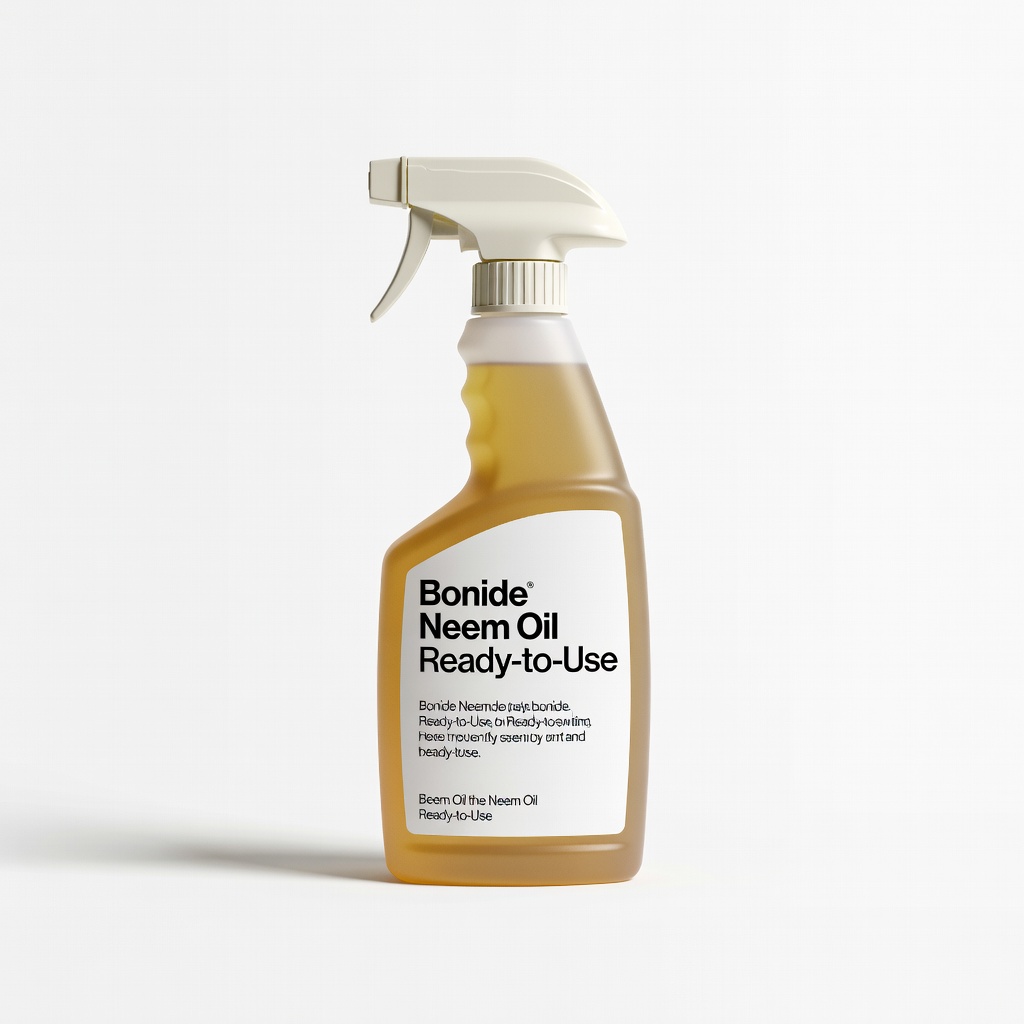
Bonide Neem Oil Ready-to-Use
This organic-certified neem oil provides broad-spectrum pest control by disrupting insect feeding and reproduction, safe for veggies.
Best for: Spray on leaves for aphids, mites, and caterpillars; ideal for weekly maintenance on tomatoes and greens.
Price Range: $12.99
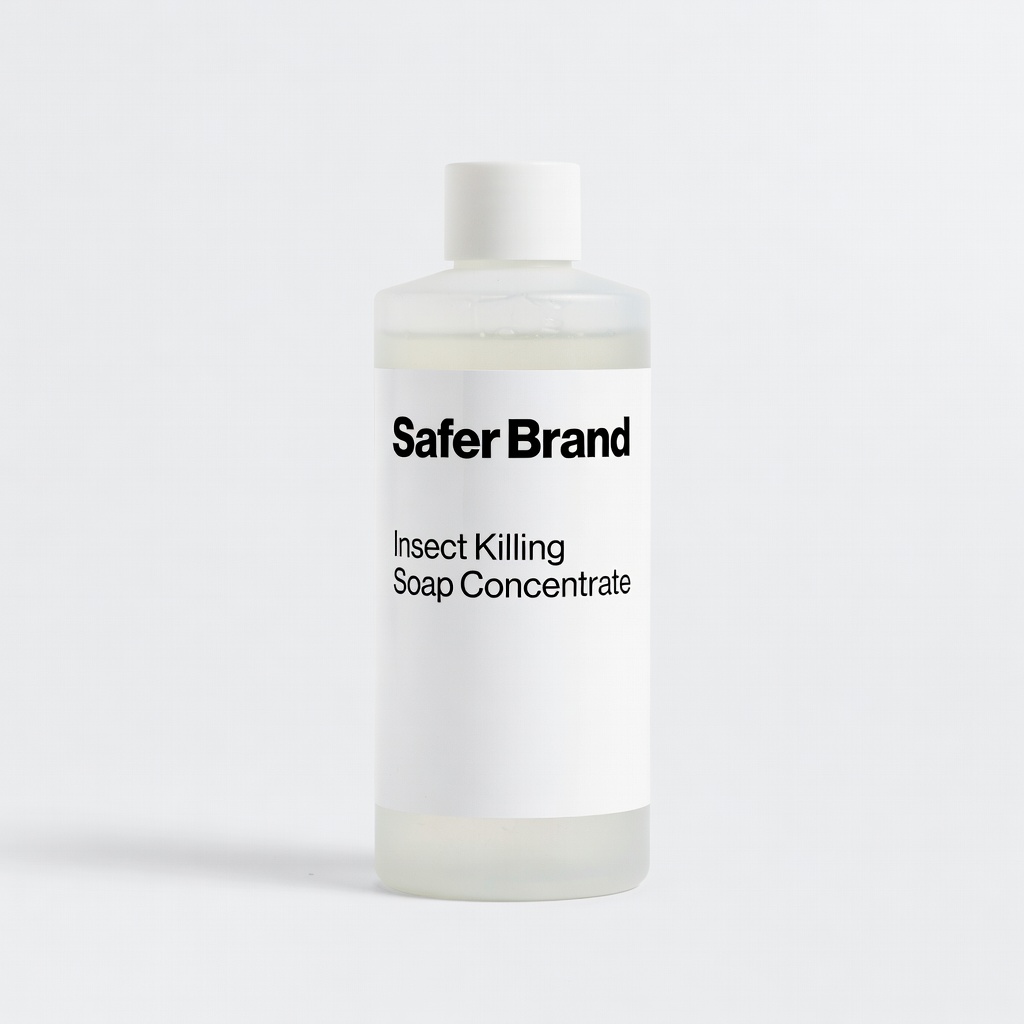
Safer Brand Insect Killing Soap Concentrate
Potassium salts-based formula targets soft-bodied pests without residue, fully organic and bee-safe when dry.
Best for: Mix and apply to undersides of leaves for quick knockdown of aphids and whiteflies on brassicas.
Price Range: $9.99
Harris Food Grade Diatomaceous Earth
Natural silica powder dehydrates crawling pests like slugs and ants on contact, non-toxic to humans and pets.
Best for: Dust around plant bases or in slug paths during dry evenings for soil pest prevention.
Price Range: $10.99
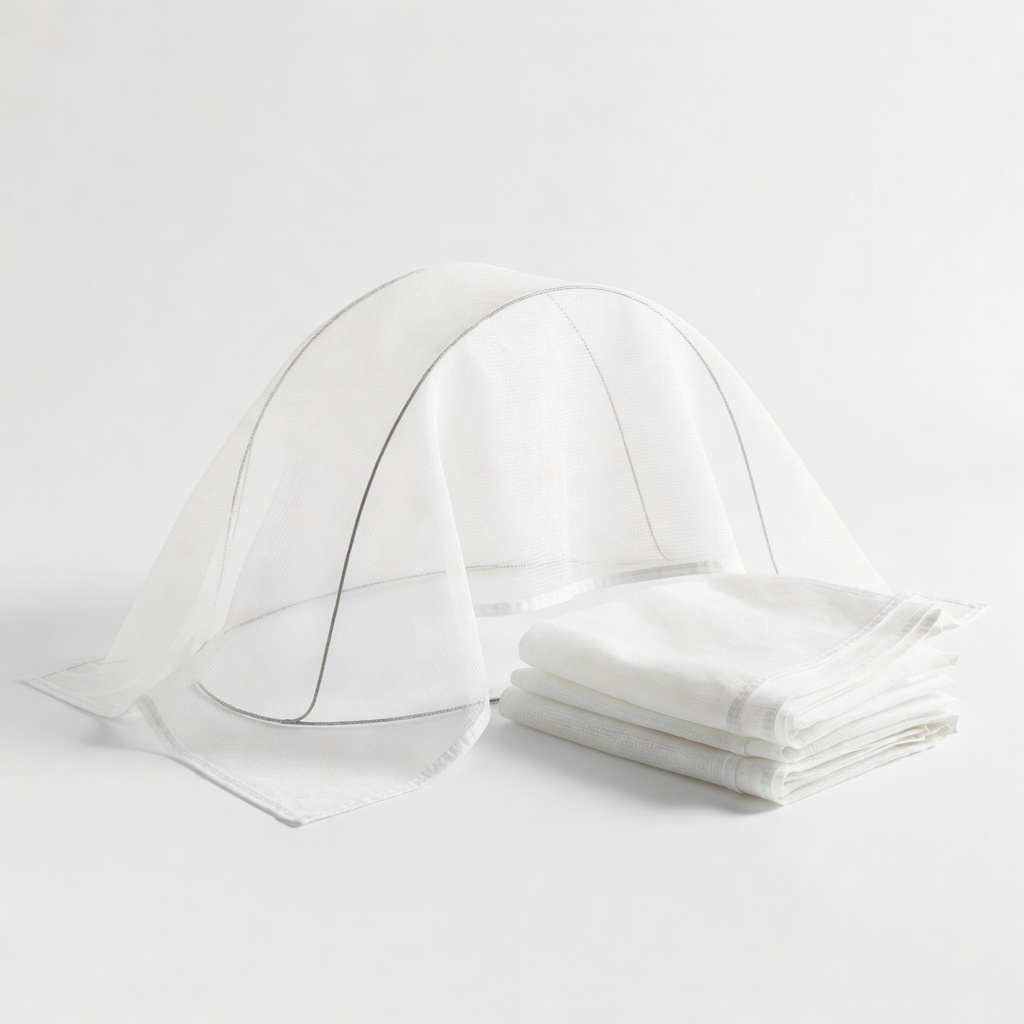
Agfabric Protective Row Covers
Lightweight, UV-protected fabric blocks insects while allowing air and water, essential for organic physical barriers.
Best for: Drape over seedlings or fruiting crops to prevent egg-laying moths and beetles.
Price Range: $19.99
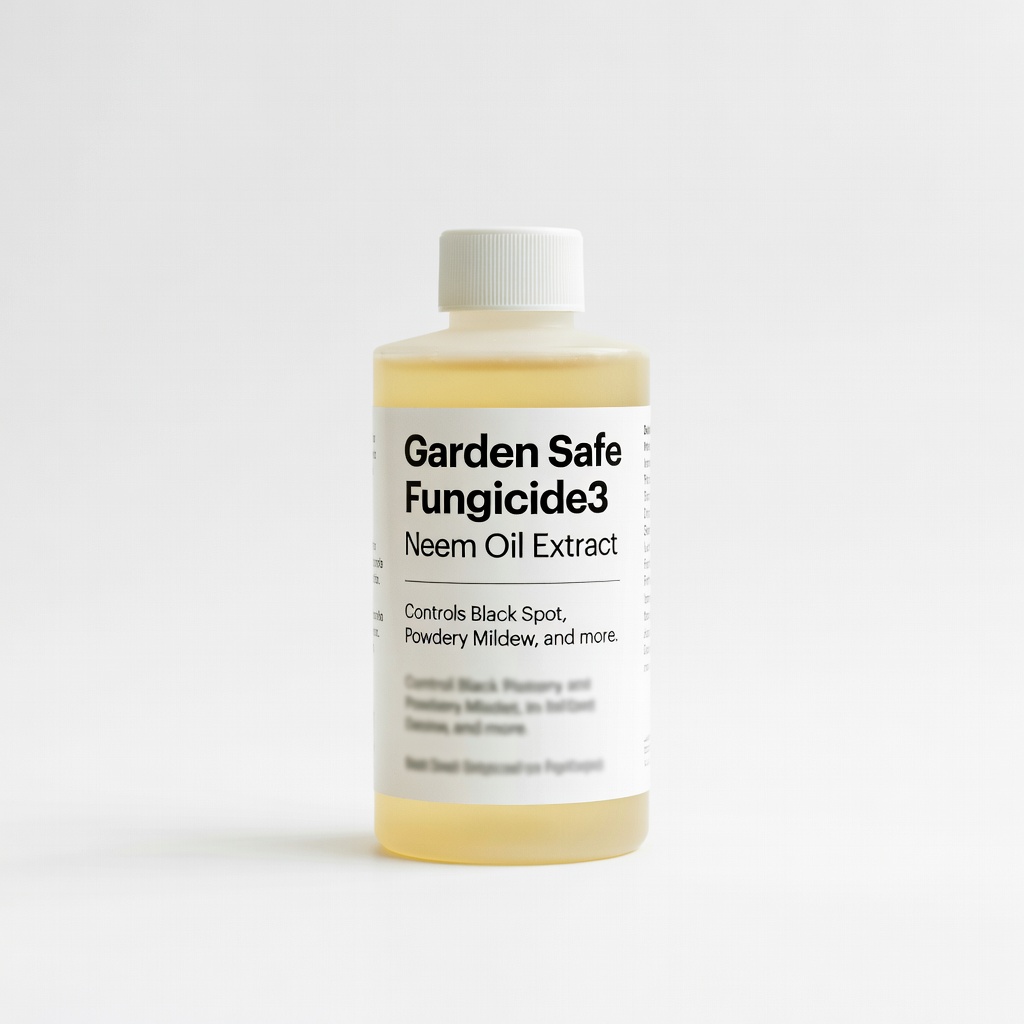
Garden Safe Fungicide3 Neem Oil Extract
Dual-action for pests and fungal issues common in humid gardens, OMRI-listed for certified organic use.
Best for: Preventive spray for squash bugs and powdery mildew in high-moisture veggie patches.
Price Range: $14.99