Garden pests can quickly turn your thriving backyard oasis into a battleground, munching on leaves, fruits, and roots while frustrating even seasoned gardeners. If you've ever watched aphids overrun your roses or caterpillars devour your tomatoes, you know the pain of lost harvests and wasted effort. The good news? Organic pest control offers a sustainable solution that protects your plants, soil, and the environment without resorting to harsh synthetic pesticides.
In this guide, you'll learn step-by-step how to spot common pests, apply natural remedies, and implement preventive measures to maintain a balanced garden ecosystem. Whether you're dealing with a sudden infestation or want to stay ahead of problems, these intermediate-level techniques will empower you to take control. Expect an initial assessment and treatment phase that takes 1-2 hours, followed by ongoing monitoring that's quick and rewarding.
By the end, you'll have a pest-resistant garden that thrives naturally, saving you time and money while promoting biodiversity. No advanced tools required—just observation, patience, and a few household items.
▸What You'll Need
- •Gardening gloves (required for safe handling)
- •Magnifying glass or smartphone macro lens (for pest identification)
- •Spray bottle (required for applying natural solutions)
- •Neem oil or insecticidal soap (required for treatments; see recommendations)
- •Diatomaceous earth (optional but effective for soil pests)
- •Beneficial insects like ladybugs (optional, for biological control)
- •Row covers or netting (optional for physical barriers)
- •Journal or app for tracking pest activity (recommended for monitoring)
Estimated Time: Initial setup and treatment: 1-2 hours; ongoing monitoring: 15-30 minutes weekly
Difficulty: intermediate
▸Step-by-Step Instructions
Step 1: Identify Common Garden Pests
Start by learning to recognize the culprits invading your garden. Common organic targets include aphids (small green insects clustering on new growth), spider mites (tiny specks causing stippled leaves), slugs (slimy trails on plants), and caterpillars (larvae munching on foliage). Use a magnifying glass to inspect undersides of leaves, stems, and soil.
Why it matters: Accurate identification ensures you choose the right treatment, avoiding unnecessary applications that could harm beneficial insects like bees. Expect to spend 15-20 minutes scanning your plants—success looks like a list of 2-3 specific pests noted in your journal.
Walk through your garden in the early morning or evening when pests are most active. Take photos for reference if unsure; apps like iNaturalist can help confirm identifications.
💡 Tips:
- •Focus on high-risk plants like tomatoes, roses, and brassicas first.
- •Look for signs like yellowing leaves or webbing, not just the pests themselves.
⚠️ Warnings:
- •Don't assume all insects are harmful—many are pollinators essential for your garden's health.
Step 2: Assess the Infestation Level
Once identified, evaluate how severe the problem is. Check if pests cover less than 10% of the plant (minor), 10-50% (moderate), or more (severe). Count affected plants and note any spread to neighboring areas.
This step is crucial because minor issues can often be hand-managed, while severe ones may need integrated approaches. Success here means categorizing your infestation accurately, which guides your treatment intensity—expect a clear action plan emerging.
Gently shake plants over white paper to dislodge pests for counting, or use sticky traps to gauge numbers over a day.
💡 Tips:
- •Assess during dry weather to avoid overestimating due to hiding pests.
- •Track changes weekly to spot trends early.
⚠️ Warnings:
- •Avoid panicking over minor sightings; overreaction can disrupt natural balances.
Step 3: Choose Organic Control Methods
Select methods based on your pests: For aphids, try insecticidal soap; for slugs, use beer traps; for broader issues, opt for neem oil or companion planting. Biological controls like releasing ladybugs work well for soft-bodied insects.
Why it matters: Organic methods target pests without collateral damage to your ecosystem. Expect to pick 1-2 methods per pest type—success is a tailored plan that aligns with your garden's needs.
Research pest-specific remedies via reliable sources like extension services. Prioritize least invasive options first, escalating only if needed.
💡 Tips:
- •Combine methods for synergy, like soaps with handpicking.
- •Consider your local climate—methods vary by region.
Step 4: Prepare Natural Remedies
Mix your chosen treatments safely. For insecticidal soap, combine 1 tablespoon mild liquid soap (like Castile) with 1 quart water in a spray bottle. For neem oil, dilute 2 teaspoons in 1 quart water with a dash of dish soap as an emulsifier.
Preparation ensures even application and effectiveness while minimizing plant stress. Success looks like ready-to-use solutions tested on a small leaf area first—no wilting means it's safe to proceed.
Always use fresh ingredients; stale mixes lose potency. Label bottles clearly to avoid confusion.
💡 Tips:
- •Add garlic or hot pepper to soaps for extra repellent power.
- •Prepare in shade to prevent degradation from sunlight.
⚠️ Warnings:
- •Test on one leaf and wait 24 hours; some plants are sensitive.
Step 5: Apply Treatments Safely
Apply during early morning or late evening to avoid sunburn on plants. Spray thoroughly on affected areas, covering undersides of leaves. For physical methods, handpick pests into soapy water or install barriers like diatomaceous earth around bases.
This targets pests directly while protecting pollinators active midday. Expect visible reduction in 3-7 days—success is pests fleeing or dying without harming plants.
Wear gloves and avoid windy days to prevent drift. Reapply every 7-10 days or after rain.
💡 Tips:
- •Use a fine mist for better coverage without runoff.
- •Integrate with watering to boost soil health simultaneously.
⚠️ Warnings:
- •Never apply in full sun; it can scorch foliage.
Step 6: Introduce Beneficial Insects
Order and release allies like ladybugs (for aphids) or lacewings (for mites) near dusk. Provide nectar sources like dill or fennel to encourage them to stay.
Biological control builds long-term balance. Success: Seeing beneficials thriving and pest numbers dropping within a week.
Release in evenings when they're less likely to fly away. Monitor to ensure establishment.
💡 Tips:
- •Start small—100 ladybugs cover 1,000 sq ft.
- •Avoid pesticides that could kill your helpers.
Step 7: Implement Physical Barriers
Install row covers over vulnerable crops or copper tape around pots to deter slugs. Use reflective mulch to confuse flying pests.
Barriers prevent access without chemicals. Expect immediate protection—success is zero new infestations on covered plants.
Secure edges with stakes or weights for full coverage.
💡 Tips:
- •Ventilate covers on hot days to prevent overheating.
- •Remove for pollination if needed.
⚠️ Warnings:
- •Check regularly for tears that pests could exploit.
Step 8: Monitor and Maintain
Check plants weekly, noting improvements or new issues. Adjust methods as needed and clean up debris to reduce hiding spots.
Ongoing vigilance prevents resurgence. Success: A stable, pest-free garden over time.
Use your journal to log results and refine your approach seasonally.
💡 Tips:
- •Set calendar reminders for inspections.
- •Rotate methods to prevent pest resistance.
Step 9: Prevent Future Infestations
Encourage biodiversity with companion plants (e.g., marigolds repel nematodes) and healthy soil via composting. Rotate crops annually.
Prevention is easier than cure. Expect fewer issues next season—success is proactive habits integrated into your routine.
Mulch to suppress weeds that harbor pests.
💡 Tips:
- •Plant trap crops like nasturtiums to lure pests away.
- •Test soil pH yearly for optimal plant health.
▸Pro Tips
- •Encourage birds and frogs by adding water features—they're natural pest eaters.
- •Use reflective surfaces like aluminum foil around plants to deter beetles.
- •Brew compost tea as a foliar spray for added plant immunity.
- •Time applications after rain when pests are vulnerable.
- •Keep a diverse garden; monocultures attract more pests.
- •Harvest regularly to disrupt pest life cycles.
- •Use essential oils like peppermint for homemade repellents.
▸Common Mistakes to Avoid
- •Applying treatments too broadly, harming beneficial insects—avoid by targeting only affected areas.
- •Ignoring early signs, leading to severe infestations—inspect weekly to catch issues small.
- •Over-relying on one method, causing resistance—rotate techniques for better results.
- •Applying in wrong weather, reducing efficacy—stick to cool, calm times.
- •Neglecting soil health, weakening plants—amend with organics regularly.
▸Troubleshooting
Problem: Pests persist after treatment
Solution: Reassess identification and reapply; combine methods or introduce more beneficials. If severe, consult local extension service.
Problem: Plants show stress after spraying
Solution: Dilute further or switch remedies; ensure testing on small areas first. Water plants well to recover.
Problem: Beneficial insects disappear
Solution: Provide food sources and shelter; release in optimal conditions. Avoid nearby chemical use.
Problem: Slugs thrive despite barriers
Solution: Check for gaps and use sharper diatomaceous earth; try iron phosphate baits as a last organic resort.
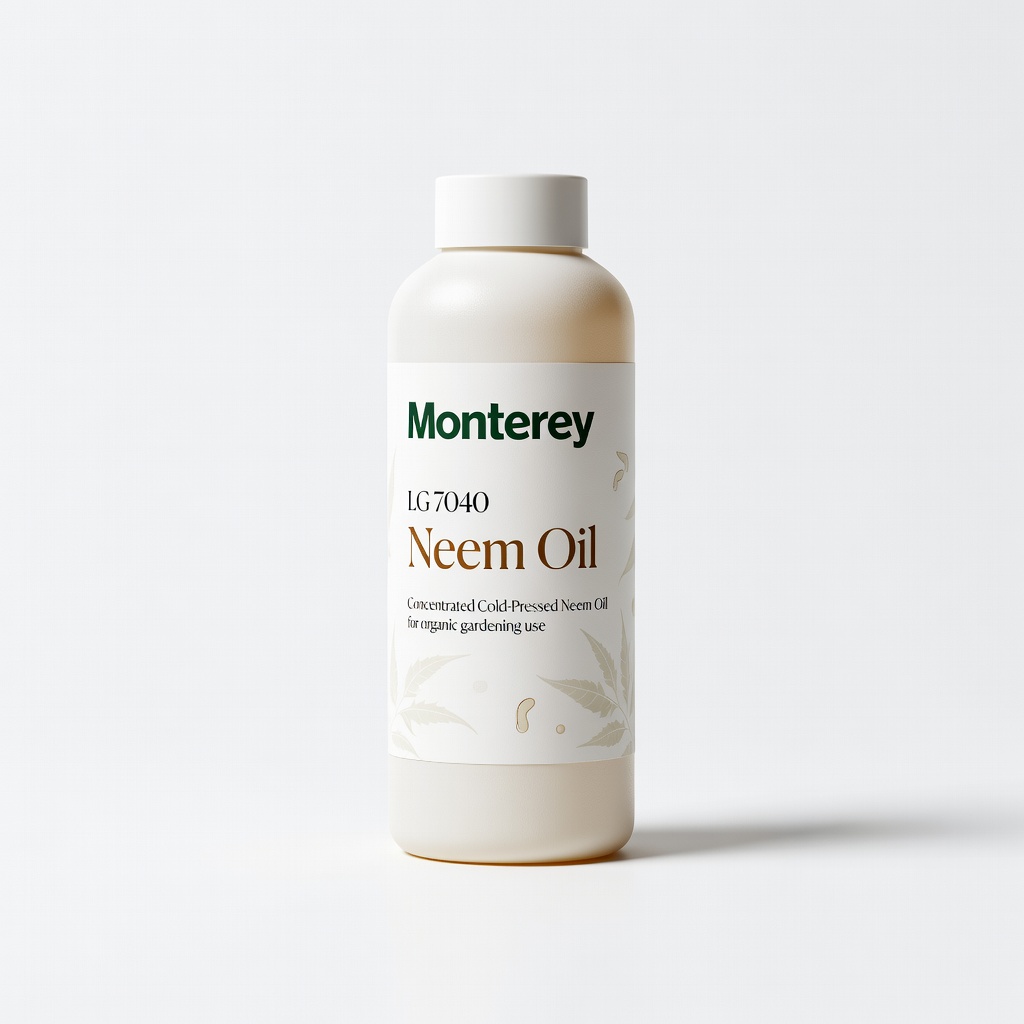
Monterey LG 7040 Neem Oil
Broad-spectrum organic insecticide that disrupts pest feeding and reproduction without harming beneficials.
Best for: Ideal for aphids, mites, and whiteflies on vegetables and ornamentals; apply as a spray every 7-14 days.
Price Range: $15-20
Harris 10LB Food Grade Diatomaceous Earth
Natural powder that dehydrates crawling pests like slugs and ants on contact, safe for soil and edibles.
Best for: Sprinkle around plant bases or in soil for ground-dwelling pests; reapply after rain.
Price Range: $15-25
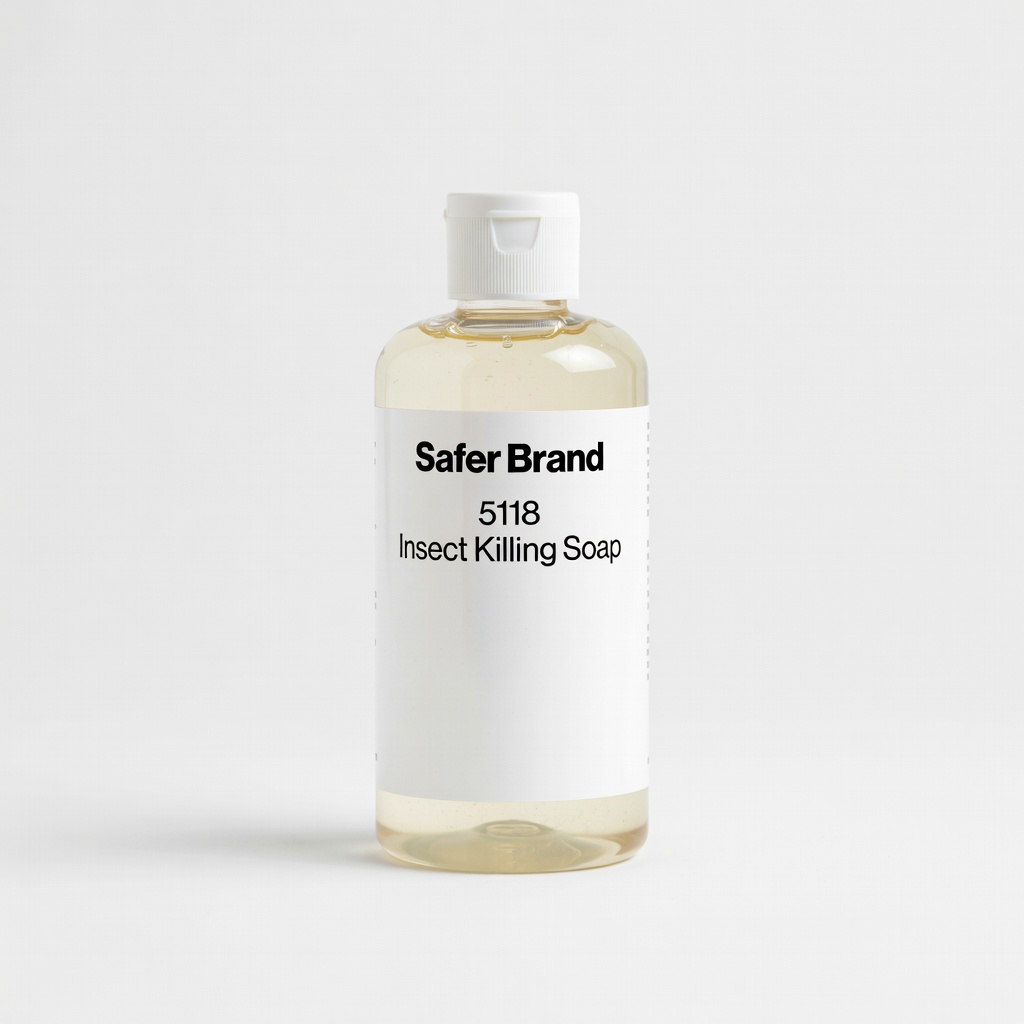
Safer Brand 5118 Insect Killing Soap
Potassium-based soap that suffocates soft-bodied pests quickly and breaks down naturally.
Best for: For aphids and spider mites on houseplants or gardens; ready-to-use spray for convenience.
Price Range: $10-15
Agfabric 5ft x 50ft Garden Row Cover
Lightweight floating fabric protects from insects while allowing air and light through.
Best for: Drape over crops like brassicas to block cabbage worms; easy to install and remove.
Price Range: $20-30
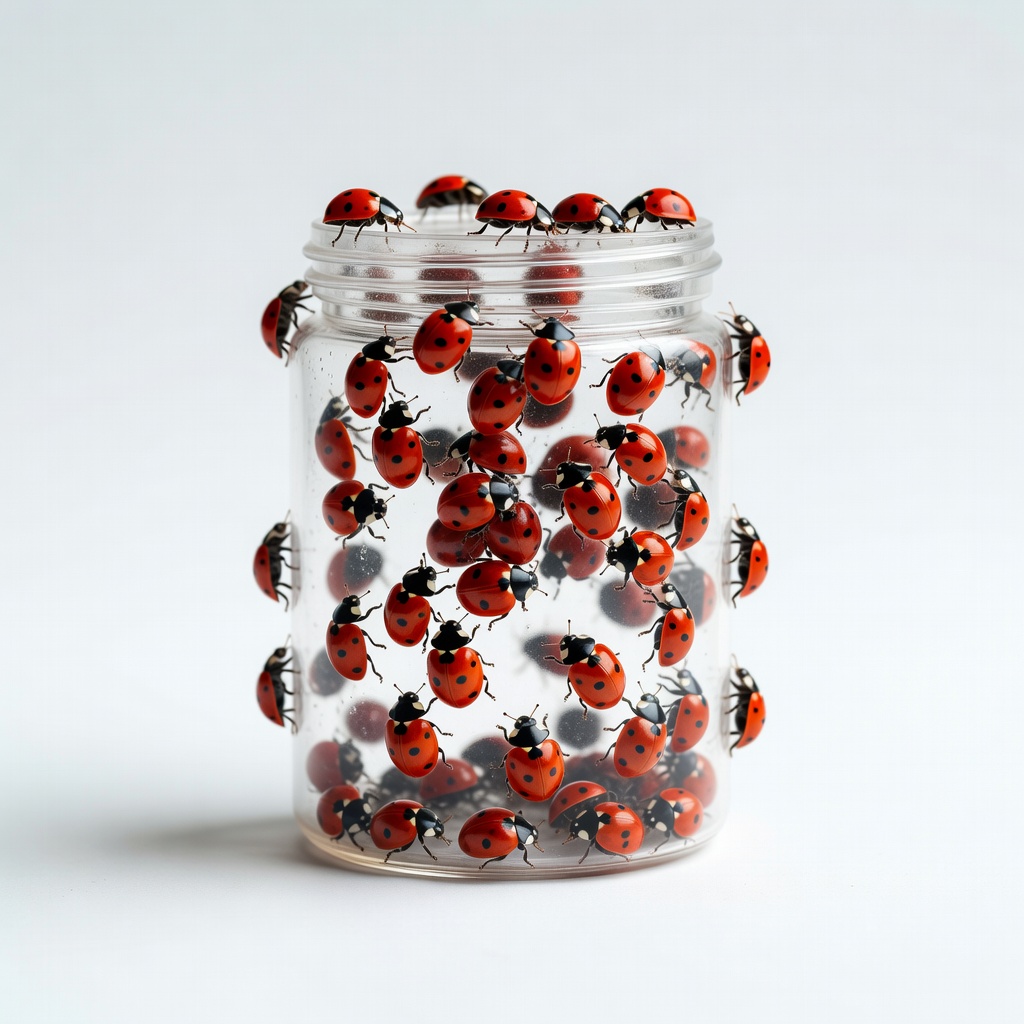
Nature's Good Guys Live Ladybugs
Live beneficial insects that naturally prey on aphids and other pests, promoting ecological balance.
Best for: Release 1,500 ladybugs per 1,000 sq ft in evenings for instant biological control.
Price Range: $15-25