Over time, your washing machine can accumulate detergent residue, mold, and grime, leading to musty smells, poor cleaning performance, and even costly repairs. If you've noticed clothes coming out dingy or a persistent odor in your laundry room, it's time for a deep clean. Regular maintenance not only freshens your machine but also extends its lifespan and ensures your family's clothes stay hygienic.
In this guide, you'll learn a simple, step-by-step process to clean both top-loading and front-loading washers using household items or affordable cleaners. No advanced tools or skills are required—just follow along to achieve a sparkling clean machine. The entire process takes about 1-2 hours, including cycle times, and is perfect for beginners.
By the end, your washer will smell fresh, run more efficiently, and handle loads better, saving you time and money on future issues.
▸What You'll Need
- •White vinegar (1-2 cups, required for natural cleaning)
- •Baking soda (1/2 cup, required for scrubbing and deodorizing)
- •Microfiber cloths or soft sponges (required for wiping surfaces)
- •Old toothbrush or small brush (required for tight spots like dispensers)
- •Hot water (from your tap or machine settings, required)
- •Washing machine cleaner tablets like Affresh (optional, for deeper cleaning)
- •Gloves (optional, to protect hands from residue)
Estimated Time: 1-2 hours (including cycle run times)
Difficulty: beginner
▸Step-by-Step Instructions
Step 1: Gather Your Supplies and Prepare the Area
Start by collecting all the items you'll need to avoid interruptions. Unplug the washing machine for safety, or at least turn off the water supply if it's a front-loader. Empty the machine completely and remove any laundry from the drum.
This preparation ensures a smooth process and prevents accidents. Expect a clutter-free workspace around your washer, making it easier to access all parts.
Tip: Lay down old towels on the floor to catch any drips.
💡 Tips:
- •Work in a well-ventilated area to avoid inhaling any fumes from cleaners.
⚠️ Warnings:
- •Never clean while the machine is running to avoid electrical hazards.
Step 2: Clean the Exterior and Control Panel
Wipe down the outside of the machine with a damp microfiber cloth mixed with a bit of mild dish soap and warm water. Focus on the control panel, door seal (for front-loaders), and any crevices where dust collects. Dry thoroughly with a clean cloth to prevent water spots.
This step removes surface dirt and prevents buildup from spreading inside. You'll notice the machine looking shiny and new right away, boosting your motivation for the deeper clean.
For stubborn spots, use the toothbrush dipped in the soapy solution.
💡 Tips:
- •Avoid harsh abrasives like steel wool, which can scratch the finish.
⚠️ Warnings:
- •Don't spray water directly on electrical components.
Step 3: Remove and Clean the Detergent Dispenser
Pull out the detergent drawer or dispenser tray—consult your manual if it's tricky. Soak it in hot water mixed with 1/4 cup white vinegar for 10-15 minutes. Scrub with the toothbrush to remove dried residue, then rinse and dry.
Dispensers often harbor mold and soap scum, which can redeposit on clothes. After cleaning, it should look clear and free of buildup, ensuring better detergent flow.
Reinsert the dispenser securely once dry.
💡 Tips:
- •If it's heavily clogged, let it soak longer for easier scrubbing.
⚠️ Warnings:
- •Check for hidden compartments in the dispenser to clean thoroughly.
Step 4: Clean the Door Seal and Drum
For front-loaders, pull back the rubber gasket around the door and wipe inside the folds with a vinegar-soaked cloth. For top-loaders, wipe the inner lid and agitator. Sprinkle 1/2 cup baking soda into the drum and scrub lightly if needed.
These areas trap moisture and bacteria, causing odors. Expect to remove visible gunk, leaving the drum fresh and ready for the next step.
Dry the seal completely to prevent mold regrowth.
💡 Tips:
- •Use a flashlight to spot hidden dirt in folds.
⚠️ Warnings:
- •Don't use bleach on rubber seals, as it can degrade the material.
Step 5: Run a Hot Vinegar Cycle
Pour 2 cups of white vinegar into the detergent dispenser or directly into the drum. Set the machine to the hottest water cycle with an extra rinse (no laundry). Start the cycle and let it run fully.
Vinegar dissolves mineral deposits and kills bacteria naturally. Midway through, pause if possible and add baking soda to the drum for extra deodorizing—resume the cycle.
Success here means the water drains clear, and you'll smell a clean vinegar scent dissipating.
💡 Tips:
- •If your machine has a 'clean' cycle, use that setting.
⚠️ Warnings:
- •Ensure the load size is set to 'empty' to avoid imbalances.
Step 6: Run a Rinse Cycle to Flush Residue
After the vinegar cycle ends, run a second hot rinse cycle with just water (or add a washing machine cleaner tablet if using one). This flushes out any loosened debris.
This step ensures no vinegar or residue remains, preventing any transfer to clothes. The machine should now run quietly and smell neutral.
Wipe the drum again if you see any spots.
💡 Tips:
- •Commercial cleaners like Affresh can be used instead of vinegar for a one-step process.
⚠️ Warnings:
- •Skip this if your machine auto-rinses thoroughly in the first cycle.
Step 7: Dry and Final Inspection
Leave the door open (or lid up) for 1-2 hours to air dry completely. Wipe any remaining moisture and inspect for cleanliness.
Proper drying prevents mold. Your washer is now clean if the drum is dry, odor-free, and free of visible residue—ready for use!
Plug it back in and test with a small load if desired.
💡 Tips:
- •Clean every 1-3 months based on usage for ongoing freshness.
⚠️ Warnings:
- •Don't close the door immediately after cleaning to allow airflow.
▸Pro Tips
- •Clean monthly if you use HE detergent, as it leaves more residue.
- •Add essential oils to the vinegar for a pleasant scent during the cycle.
- •For hard water areas, use a descaler product alongside vinegar.
- •Wipe the filter or pump area if accessible—check your manual.
- •Schedule cleaning when you have a free afternoon, as cycles take time.
- •Use distilled white vinegar to avoid any colored residues.
- •Test a small load post-clean to confirm everything works smoothly.
▸Common Mistakes to Avoid
- •Skipping the drying step, which leads to mold regrowth—always air out the machine.
- •Using too much vinegar, causing temporary smells on clothes—stick to 2 cups max.
- •Ignoring the manual's specific instructions, potentially voiding warranty—read it first.
- •Forgetting to clean the dispenser, allowing buildup to continue—scrub it thoroughly each time.
- •Running cold cycles, which don't dissolve residue well—always use hot water.
▸Troubleshooting
Problem: Machine won't drain after cleaning cycle
Solution: Check the drain hose for clogs; use a drain snake tool. Run a shorter cycle to test. If persistent, call a technician for pump issues.
Problem: Persistent odor after cleaning
Solution: Repeat the vinegar cycle or use a bacterial cleaner like Affresh. Ensure full drying and check for hidden leaks.
Problem: Residue still visible in drum
Solution: Scrub manually with baking soda paste. If it's mineral buildup, descale with a commercial product.
Problem: Error codes appear during cycle
Solution: Reset the machine by unplugging for 5 minutes. Refer to the manual for code meanings; seek pro help if it recurs.
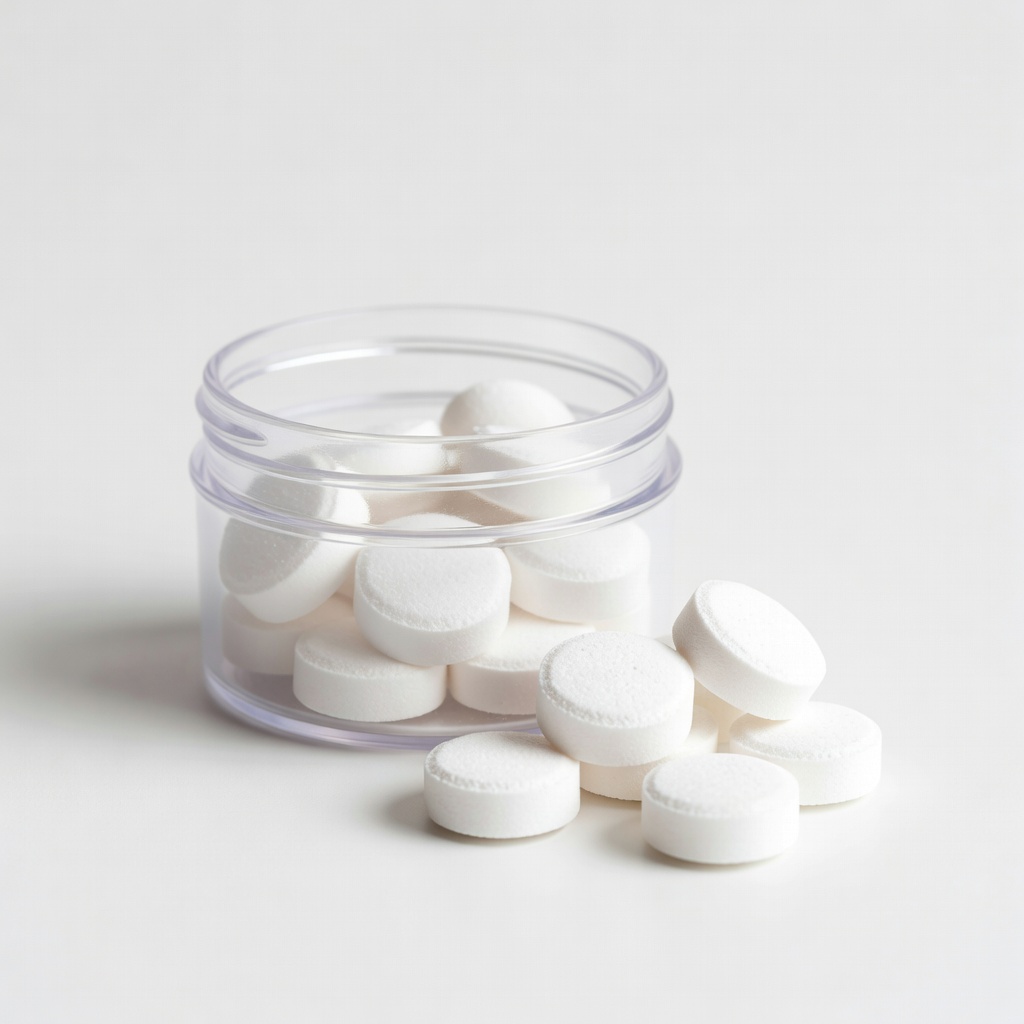
Affresh Washing Machine Cleaner Tablets
These tablets are specifically formulated to remove odor-causing residue and limescale without harsh chemicals, making them ideal for monthly deep cleans.
Best for: Use one tablet per cycle for a hands-off clean when you want a professional-grade result beyond household items.
Price Range: $10-15 for a 6-pack (budget-friendly)
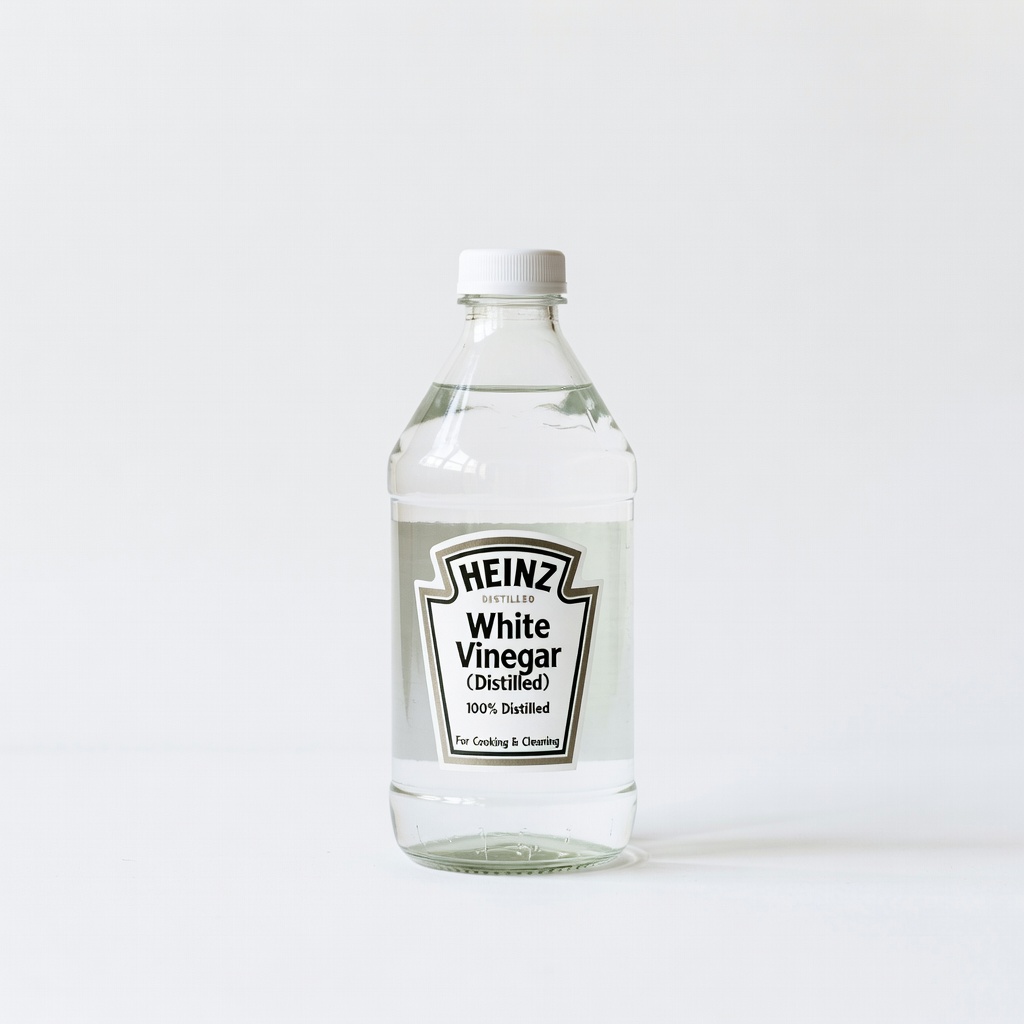
Heinz White Vinegar (Distilled)
Pure white vinegar is a natural, eco-friendly acid that dissolves buildup and disinfects effectively, safe for all machine types.
Best for: Pour into cycles as a cost-effective alternative to commercial cleaners for routine maintenance.
Price Range: $3-5 per gallon (very affordable)
Tide Washing Machine Cleaner
This spray or foam version targets tough stains and odors quickly, with a fresh scent, perfect for spot cleaning dispensers and seals.
Best for: Apply directly for exterior and hard-to-reach areas before running a full cycle.
Price Range: $5-8 per bottle (mid-range)
CLR Washing Machine Cleaner
Effective against hard water deposits and rust, it's stronger for heavily soiled machines in areas with mineral-rich water.
Best for: Use in the drum for quarterly deep cleans when vinegar alone isn't enough.
Price Range: $7-12 per bottle (mid-range)
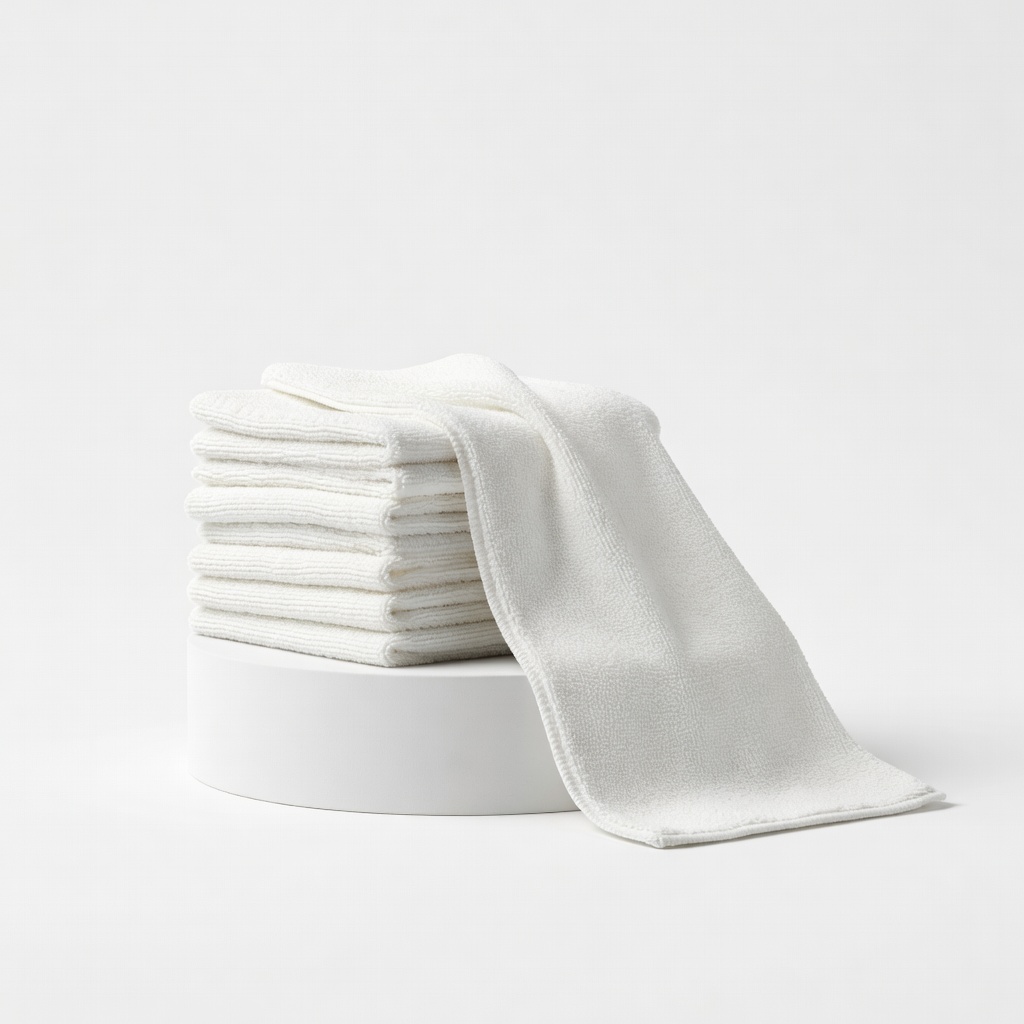
E-Cloth Microfiber Cleaning Cloths
These lint-free cloths pick up residue without leaving streaks, ideal for wiping surfaces safely.
Best for: Essential for all wiping steps to avoid scratches and ensure a polished finish.
Price Range: $10-15 for a set of 4 (value pack)