Oven racks can accumulate layers of baked-on grease, food splatters, and grime over time, making your kitchen appliance look dingy and potentially affecting its performance. Cleaning them with harsh chemical sprays not only fills your home with fumes but can also leave residues that might contaminate your food. If you're tired of scrubbing endlessly or worried about toxic cleaners, this guide is for you.
In this beginner-friendly tutorial, you'll learn simple, natural methods to clean your oven racks effectively using items like baking soda and vinegar. These eco-friendly techniques are safe for your family and the environment, requiring minimal effort. By the end, your racks will sparkle without any harsh chemicals.
The process involves soaking, scrubbing, and rinsing, taking about 1-2 hours total, including soak time. It's straightforward—no special skills needed—and you'll see visible results like loosened grime and shiny metal with each step.
▸What You'll Need
- •Baking soda (required for the paste)
- •White vinegar (required for soaking solution)
- •Dish soap (mild, like Dawn; required for initial prep)
- •Large trash bags or bathtub (required for soaking area)
- •Rubber gloves (required for protection)
- •Non-abrasive scrub brush or sponge (required for scrubbing)
- •Spray bottle (optional, for vinegar application)
- •Old towels or rags (optional, for drying)
Estimated Time: 1-2 hours, including 30-60 minutes soaking time
Difficulty: beginner
▸Step-by-Step Instructions
Step 1: Remove the Oven Racks Safely
Start by turning off and cooling your oven completely to avoid burns. Open the oven door and carefully slide out the racks, placing them on a flat surface like your kitchen counter or outdoors if possible. This prevents any risk of injury and gives you a clear workspace.
Why it matters: Removing the racks allows for thorough cleaning without maneuvering around the oven interior. Expect the racks to feel greasy or sticky— that's normal buildup from cooking.
Wear gloves from the start to protect your hands from dirt.
💡 Tips:
- •Work in a well-ventilated area if outdoors to avoid indoor mess.
⚠️ Warnings:
- •Never clean hot racks to prevent burns or warping.
Step 2: Prepare the Soaking Area
Line your bathtub, a large plastic tub, or lay out heavy-duty trash bags on the ground for the racks to soak. If using the tub, ensure it's clean to avoid cross-contamination. This setup contains the mess and makes cleanup easier.
The soaking method loosens grime without scrubbing force, saving time and elbow grease. You'll notice the solution bubbling as it works on the dirt.
💡 Tips:
- •Use multiple trash bags layered for extra protection against leaks.
⚠️ Warnings:
- •Avoid using your kitchen sink if racks are too large; it could clog drains with debris.
Step 3: Mix and Apply the Baking Soda Paste
In a bowl, combine 1/2 cup baking soda with a few tablespoons of water to form a thick paste. Spread this generously over both sides of the racks using a sponge or your gloved hands, focusing on greasy spots. Let it sit for 15-20 minutes.
Baking soda acts as a mild abrasive and deodorizer, breaking down grease naturally. At this stage, the paste will start to dry and lift surface dirt—expect a fizzy reaction if any acidic residue is present.
This step preps the racks for soaking, making the process more effective.
💡 Tips:
- •Add a squirt of dish soap to the paste for extra grease-cutting power.
⚠️ Warnings:
- •Don't let the paste dry completely; reapply water if needed to keep it moist.
Step 4: Soak the Racks in Vinegar Solution
Pour white vinegar into a spray bottle and generously spray over the pasted racks, or pour it directly into the soaking area to cover them (about 1-2 inches deep). Let them soak for 30-60 minutes. The vinegar will react with the baking soda, creating a foaming action that lifts stubborn grime.
This chemical-free reaction is key to dissolving buildup without harsh acids. After soaking, the racks should look less dirty, with flakes of gunk floating in the solution—success means easy peeling of residue.
💡 Tips:
- •For tougher grime, extend soak time to overnight.
⚠️ Warnings:
- •Use distilled white vinegar only; apple cider vinegar may leave scents or stains.
Step 5: Scrub Away the Loose Grime
After soaking, use a non-abrasive scrub brush or sponge to gently scrub the racks in circular motions. Rinse under warm water as you go to reveal clean metal underneath. Most grime should come off easily now.
Scrubbing removes the loosened particles, restoring shine. Expect to see shiny racks emerging, with minimal effort compared to dry scrubbing.
If outdoors, hose them down for quicker rinsing.
💡 Tips:
- •Scrub with the grain of the metal to avoid scratches.
⚠️ Warnings:
- •Avoid steel wool or abrasive pads, as they can scratch the racks.
Step 6: Rinse and Inspect for Remaining Spots
Thoroughly rinse all racks under warm running water to remove any paste or debris. Inspect closely in good light; spot-clean any missed areas with a fresh baking soda paste and a quick scrub.
This ensures no residue remains, preventing future buildup. Clean racks should gleam without streaks or dull spots.
Dry immediately with towels to avoid water spots.
💡 Tips:
- •Use a dishwasher for final rinse if racks are dishwasher-safe (check manual).
⚠️ Warnings:
- •Don't leave wet racks outside in humid weather to prevent rust.
Step 7: Dry and Reinstall the Racks
Wipe the racks dry with clean towels or let them air-dry completely. Once dry, slide them back into the oven slots carefully.
Proper drying prevents rust on metal racks. Your oven is now ready for use, looking and functioning like new.
Admire your work—the racks should be spotless and odor-free.
💡 Tips:
- •Apply a thin layer of vegetable oil post-cleaning for rust protection on cast iron racks.
⚠️ Warnings:
- •Ensure the oven is cool before reinstalling.
▸Pro Tips
- •Clean racks every 3-6 months to prevent heavy buildup and make future cleanings easier.
- •For a fresh scent, add lemon juice to the vinegar soak—it enhances grease-cutting without chemicals.
- •Work in batches if you have multiple racks to avoid overcrowding the soaking area.
- •Save time by cleaning racks while the oven self-cleans, if your model has that feature.
- •Use a plastic scraper for initial grease removal before pasting to speed up the process.
- •Eco-tip: Reuse the soaking water to clean other greasy appliances like stovetops.
- •For chrome racks, the baking soda method preserves the finish better than commercial cleaners.
▸Common Mistakes to Avoid
- •Skipping the soak: Leads to excessive scrubbing and potential scratches; always allow time for the solution to work.
- •Using abrasive tools: Can damage the rack coating, causing rust or peeling; stick to soft brushes.
- •Not wearing gloves: Exposes skin to irritants; protection is key for a comfortable clean.
- •Rushing the drying: Wet racks can rust quickly; pat dry thoroughly to maintain longevity.
- •Overloading the soak area: Causes uneven cleaning; space out racks for better solution contact.
▸Troubleshooting
Problem: Stubborn stains won't budge after soaking
Solution: Apply more baking soda paste directly to spots and let sit for another 30 minutes before re-scrubbing. If needed, repeat the vinegar spray for extra fizzing action.
Problem: Racks develop rust spots post-cleaning
Solution: Dry immediately and apply a light coat of oil. For existing rust, gently sand with fine-grit sandpaper and recoat before reinstalling.
Problem: Vinegar smell lingers
Solution: Rinse multiple times and air-dry in sunlight; the odor dissipates naturally within hours.
Problem: Racks don't fit back easily
Solution: Check for bent wires from mishandling; gently straighten with pliers. If damaged, consult your oven manual or seek professional repair.
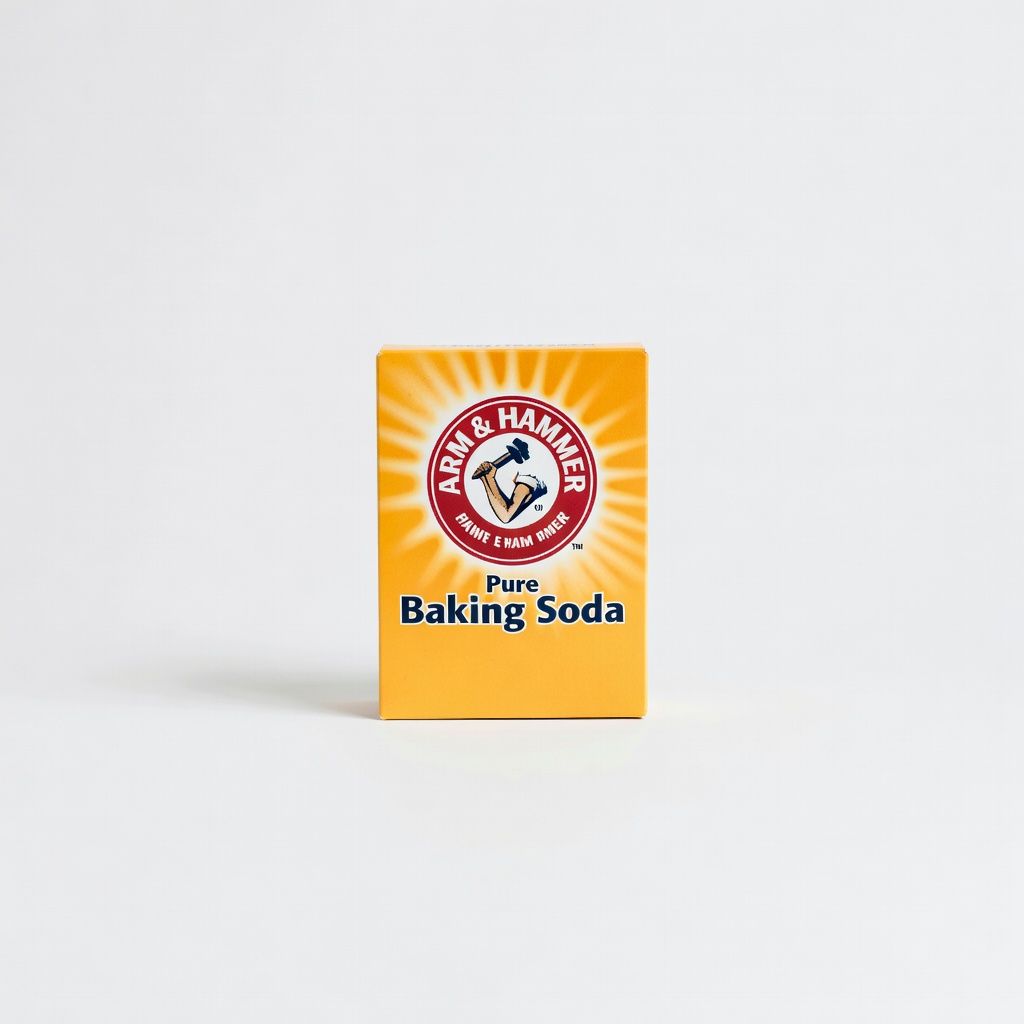
Arm & Hammer Pure Baking Soda
This food-grade baking soda is pure and effective for creating the abrasive paste without additives that could harm surfaces.
Best for: Essential for the initial paste application to break down grease on oven racks.
Price Range: $0.99 for 1 lb
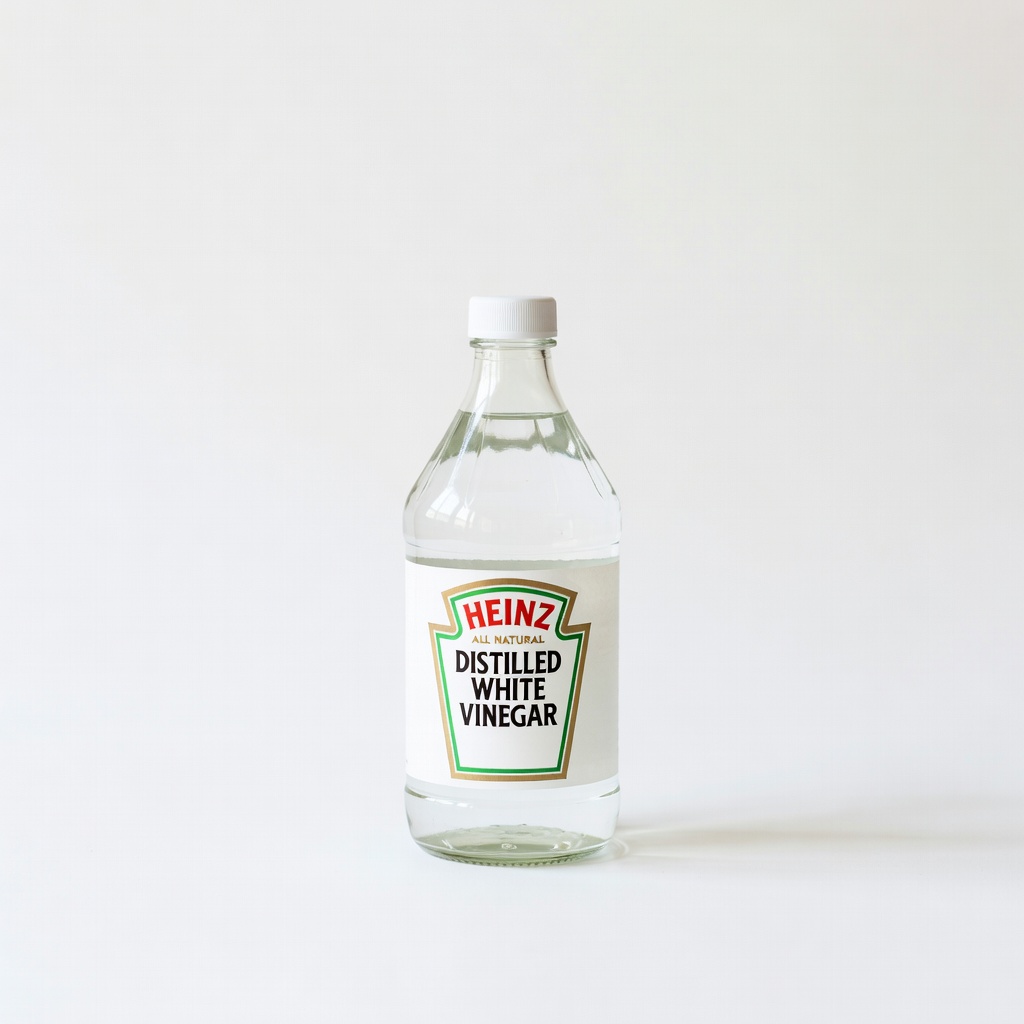
Heinz All Natural Distilled White Vinegar
Distilled white vinegar is the best natural acid for reacting with baking soda to lift grime, and it's affordable and widely available.
Best for: Use in the soaking solution to fizz away baked-on residue without harsh fumes.
Price Range: $2.99 for 32 oz
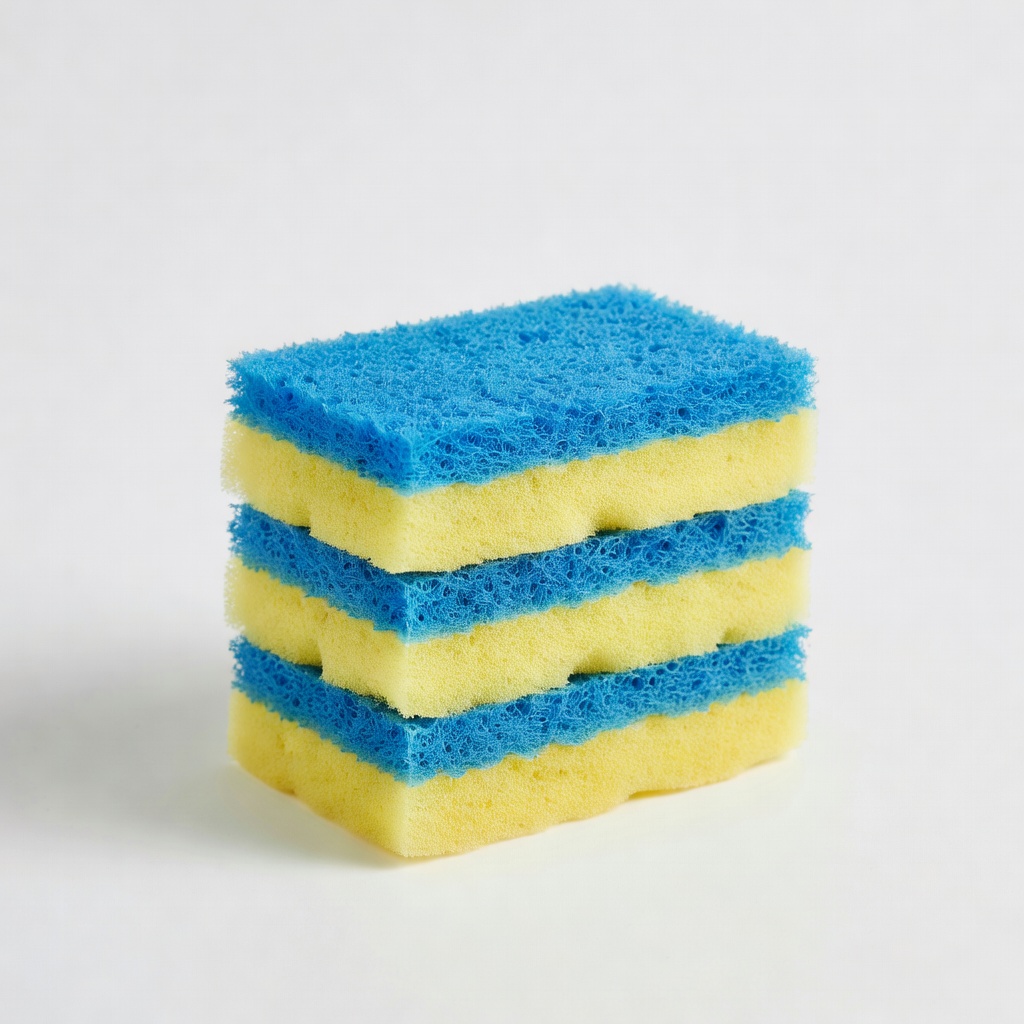
Scotch-Brite Non-Scratch Scrub Sponges
These sponges provide gentle scrubbing power ideal for metal racks, preventing scratches while effectively removing loosened dirt.
Best for: Perfect for the scrubbing step after soaking to polish racks without damage.
Price Range: $4.99 for 6-pack
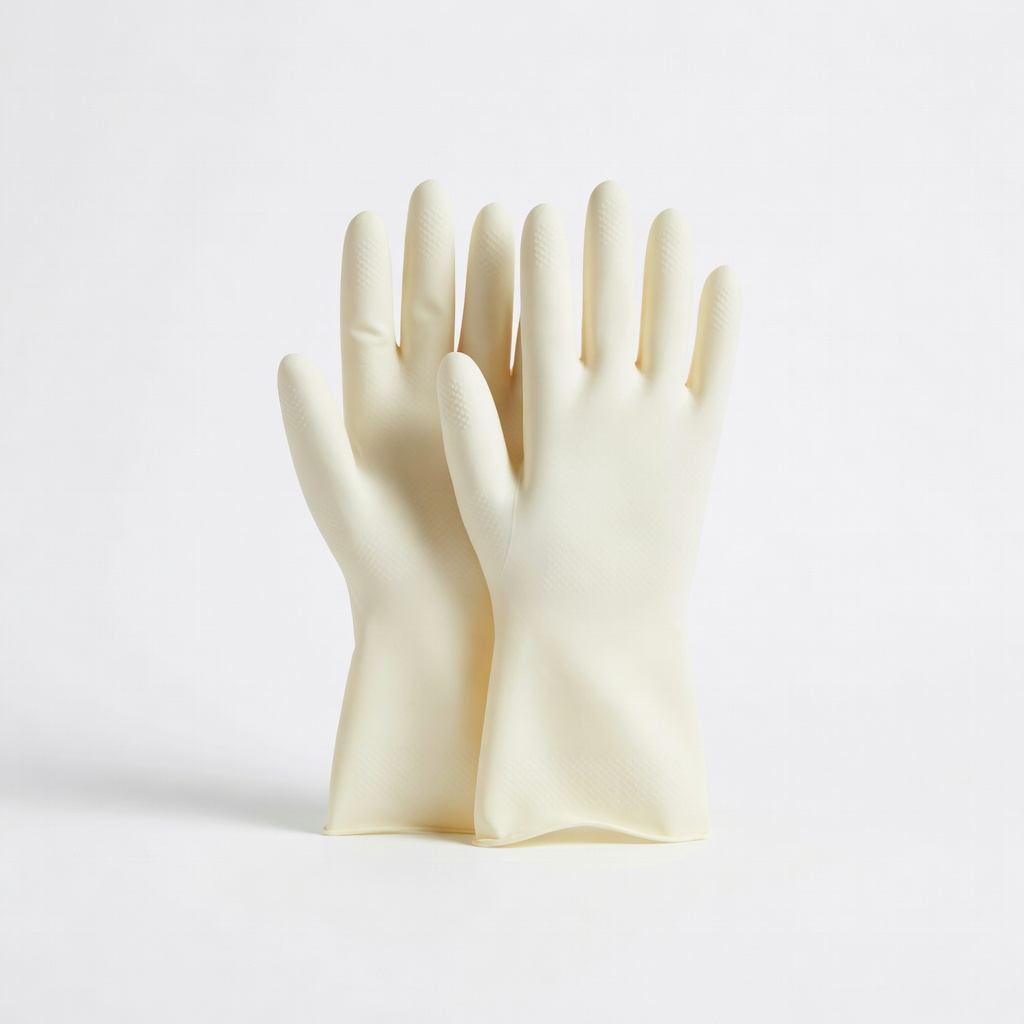
Playtex Living Reusable Rubber Gloves
Durable and comfortable, these gloves protect hands from moisture and mild irritants during the entire cleaning process.
Best for: Wear throughout to handle wet, greasy racks safely and comfortably.
Price Range: $9.99 for medium pair
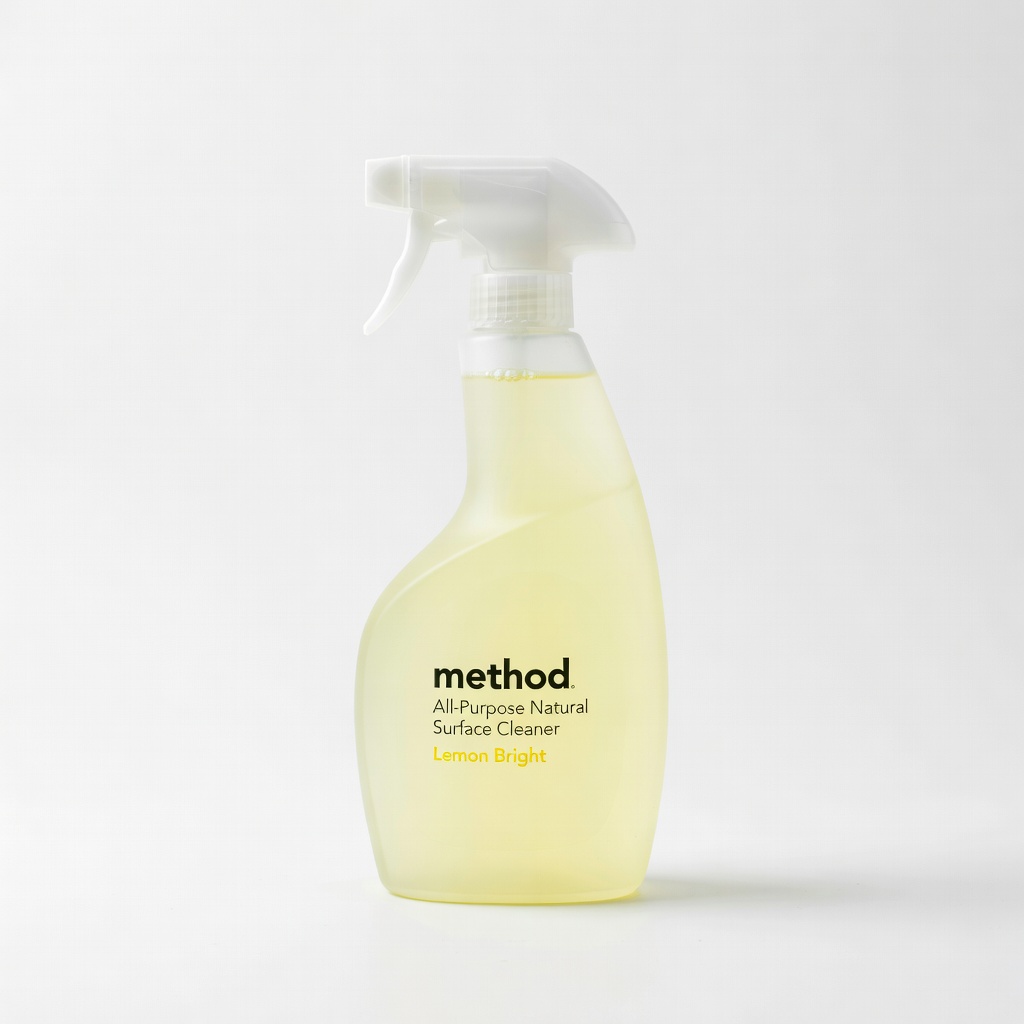
Method All-Purpose Natural Surface Cleaner (Lemon Bright)
A plant-based spray that's chemical-free and enhances the natural method for spot-cleaning or final wipe-downs.
Best for: Optional for quick rinses or if you prefer a scented boost during scrubbing.
Price Range: $4.99 for 28 oz