
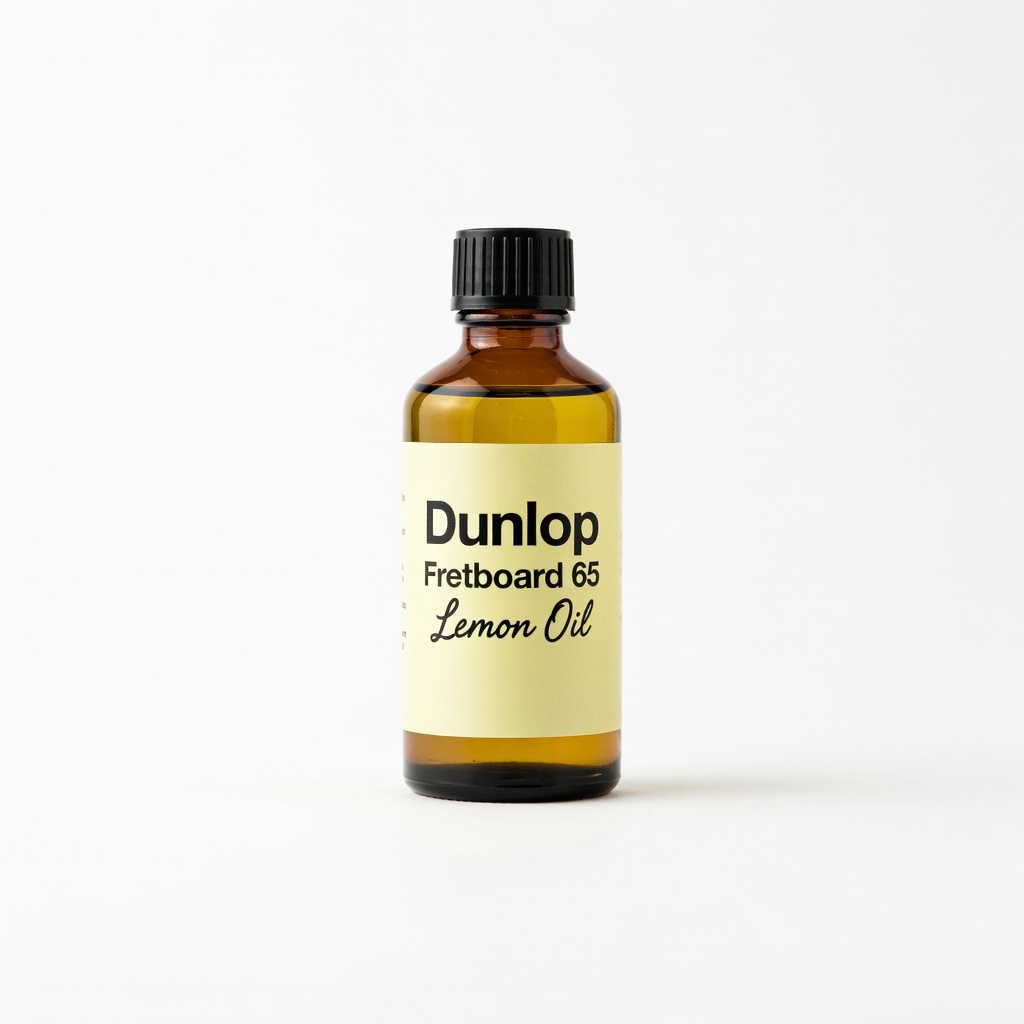
Dunlop Fretboard 65 Lemon Oil
Essential for rosewood/ebony on acoustic basses.
$6.99
Dunlop Fretboard 65 Lemon Oil Trusted formula cleans and conditions unfinished fretboards without residue.
Get the App
Better experience on mobile
Master safe, effective fretboard cleaning to restore playability, improve tone, and extend your acoustic bass's life in under 30 minutes.
A dirty fretboard on your acoustic or acoustic-electric bass guitar can lead to sluggish playability, deadened tone, and even premature wear on frets and strings. Dust, sweat, and grime build up quickly during practice sessions, especially on unfinished rosewood or ebony fretboards common on basses. Regular cleaning keeps your instrument sounding bright and feeling smooth.
In this guide, you'll learn a proven step-by-step process tailored for intermediate players. We'll cover loosening strings, deep cleaning, conditioning, and restringing—everything to make your bass play like new. The process is straightforward but requires care to avoid damaging the wood.
Expect 20-30 minutes total, depending on if you fully remove strings. No advanced tools needed, just precision and patience for pro results.
Estimated Time: 20-30 minutes Difficulty: intermediate
Set up a clean, well-lit area with a soft cloth or towel to lay your bass on. Remove any accessories like strap locks or picks from the headstock. This prevents scratches and keeps contaminants off the fretboard.
Why it matters: A stable setup reduces accidents, like dropping the bass. Expect a clutter-free space ready for detailed work.
Image description: Bass guitar laid flat on a towel in a bright workspace with tools arranged nearby.
💡 Tips:
⚠️ Warnings:
Use a string winder or your fingers to loosen each string significantly, starting from the low B (thickest). Detune until strings are slack but still attached. This exposes the fretboard fully without full removal for light cleans.
For deep cleans, clip and remove strings entirely. Why? Slack strings prevent tension damage during cleaning. You'll see the full fretboard accessible now.
Image description: Close-up of hand using string winder to loosen bass strings, fretboard partially exposed.
💡 Tips:
⚠️ Warnings:
Gently wipe the entire fretboard with a dry microfiber cloth, moving from headstock to body. Use a soft brush to dislodge dirt between frets.
This initial pass removes 80% of surface grime without moisture. Expect visible dust on the cloth—success looks like a cleaner board ready for deeper cleaning.
Image description: Brushing between frets with a soft nylon brush, dust visible on cloth.
💡 Tips:
⚠️ Warnings:
Dab a small amount of fretboard cleaner (like lemon oil) onto a cloth, not directly on the wood. Wipe the fretboard in sections, using light pressure. For sealed maple, use diluted isopropyl alcohol sparingly.
Why? Cleaners dissolve oils and grime safely. The board should feel tack-free and look uniform after.
Image description: Cloth with lemon oil wiping rosewood fretboard, before-and-after gloss comparison.
💡 Tips:
⚠️ Warnings:
Wrap a cloth around your finger or use cotton swabs dipped in cleaner to rub between each fret pair. Work systematically from low to high frets.
This targets hidden buildup from fingers. Frets should gleam, and slots feel smooth—no sticky spots.
Image description: Finger wrapped in cloth cleaning between bass frets, close-up detail.
💡 Tips:
Use a fresh dry microfiber cloth to buff the entire fretboard thoroughly. Remove all cleaner traces for a satin finish.
Expect a smooth, non-greasy feel—hallmark of success.
Image description: Buffing fretboard with dry cloth, shiny clean result.
⚠️ Warnings:
For rosewood/ebony: Apply thin conditioner layer with cloth, let sit 5-10 minutes, then buff excess.
Prevents drying/cracking. Board looks nourished and vibrant.
Image description: Lemon oil application on fretboard, timer showing wait period.
💡 Tips:
Restring if removed, tune to pitch gradually. Play test for smooth action.
Your bass now feels faster, sounds brighter.
Image description: Fresh strings installed, player tuning bass.
💡 Tips:
Problem: Sticky residue after cleaning
Solution: Wipe with 90% isopropyl on cloth, then dry buff. Re-oil lightly if needed.
Problem: Fretboard dries out quickly
Solution: Use humidifier case; condition more frequently in dry climates.
Problem: Frets buzz post-clean
Solution: Check truss rod; if persists, professional setup needed.
Problem: White buildup on ebony
Solution: Rare oxidation—use fret polish; consult luthier if severe.
Trusted formula cleans and conditions unfinished fretboards without residue.
Best for: Essential for rosewood/ebony on acoustic basses.
Price Range: $6.99
Fast-absorbing, non-sticky oil restores moisture quickly.
Best for: Ideal for quick maintenance between gigs.
Price Range: $9.99
Lint-free and durable for precise wiping without scratching.
Best for: All cleaning steps; reusable for years.
Price Range: $12.99 (24-pack)
Speeds up loosening/restoring strings safely.
Best for: Every clean to save time.
Price Range: $5.99
Hydrates and protects against cracking.
Best for: Dry climates or frequent players.
Price Range: $7.99
Essential for rosewood/ebony on acoustic basses.
Dunlop Fretboard 65 Lemon Oil Trusted formula cleans and conditions unfinished fretboards without residue.
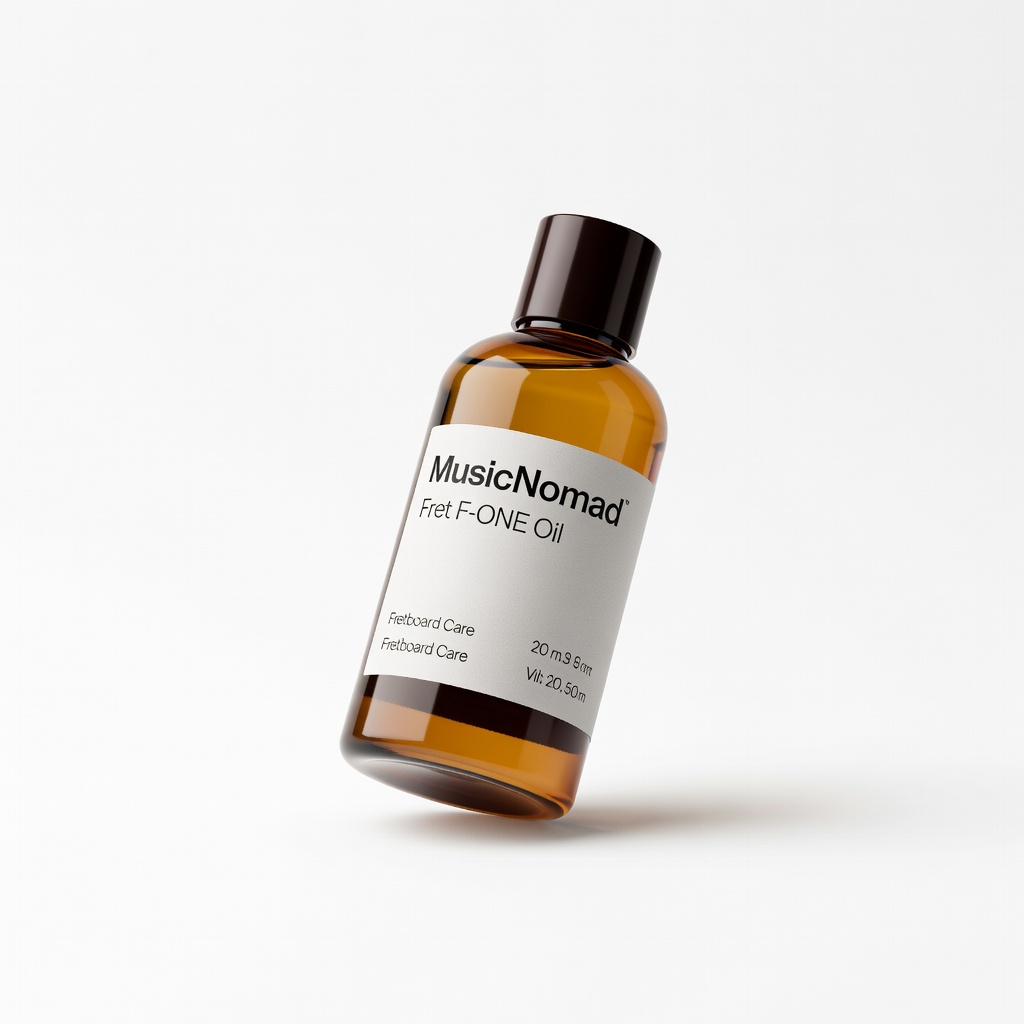
Ideal for quick maintenance between gigs.
MusicNomad Fret F-ONE Oil Fast-absorbing, non-sticky oil restores moisture quickly.
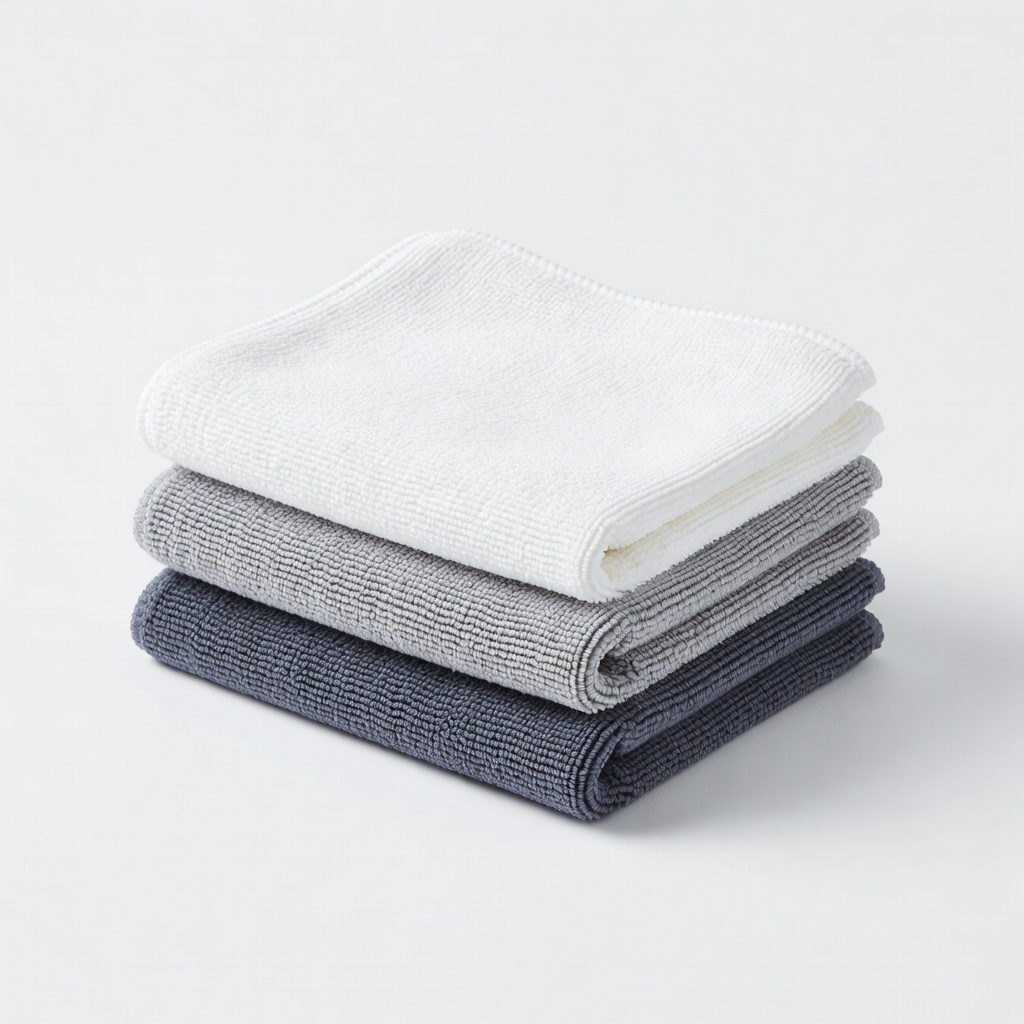
All cleaning steps; reusable for years.
AmazonBasics Microfiber Cleaning Cloths Lint-free and durable for precise wiping without scratching.
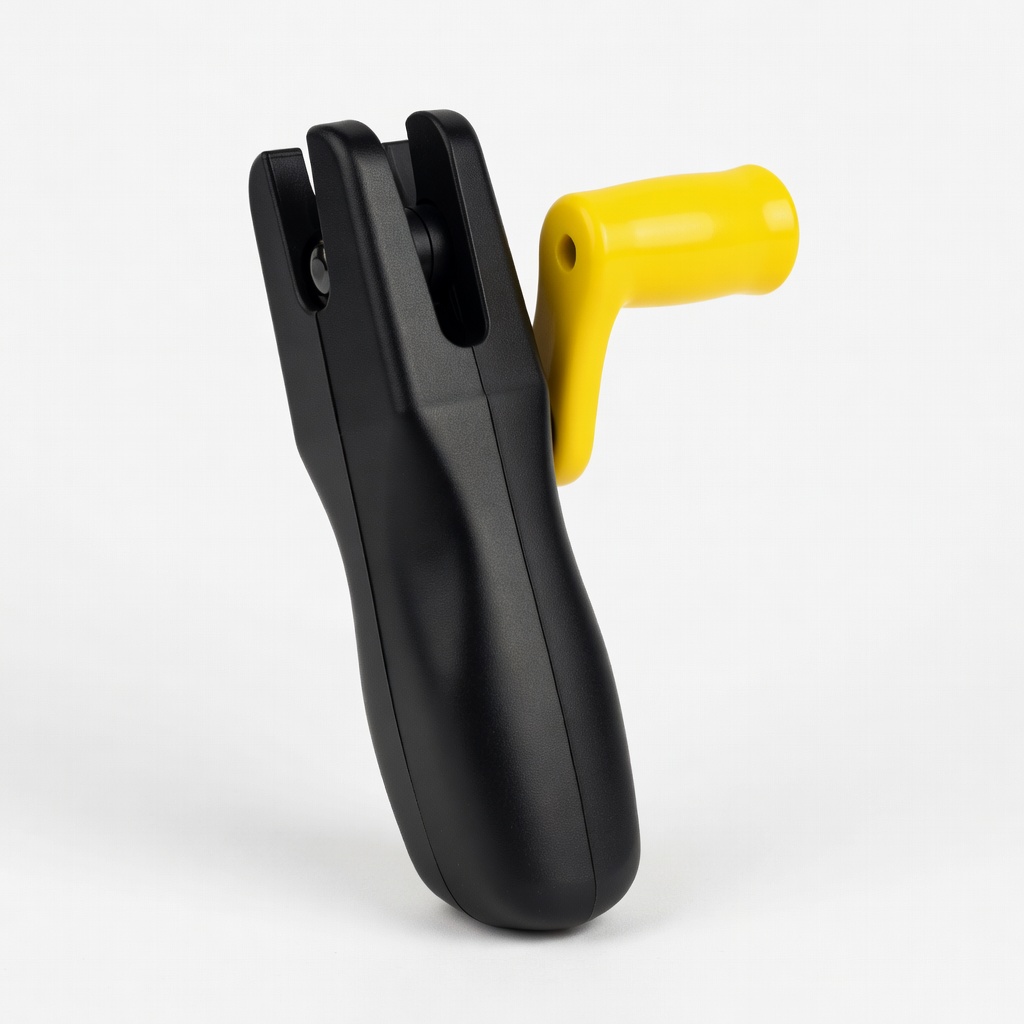
Every clean to save time.
Ernie Ball Polypro String Winder Speeds up loosening/restoring strings safely.

Dry climates or frequent players.
Planet Waves Fretboard Conditioner Hydrates and protects against cracking.