
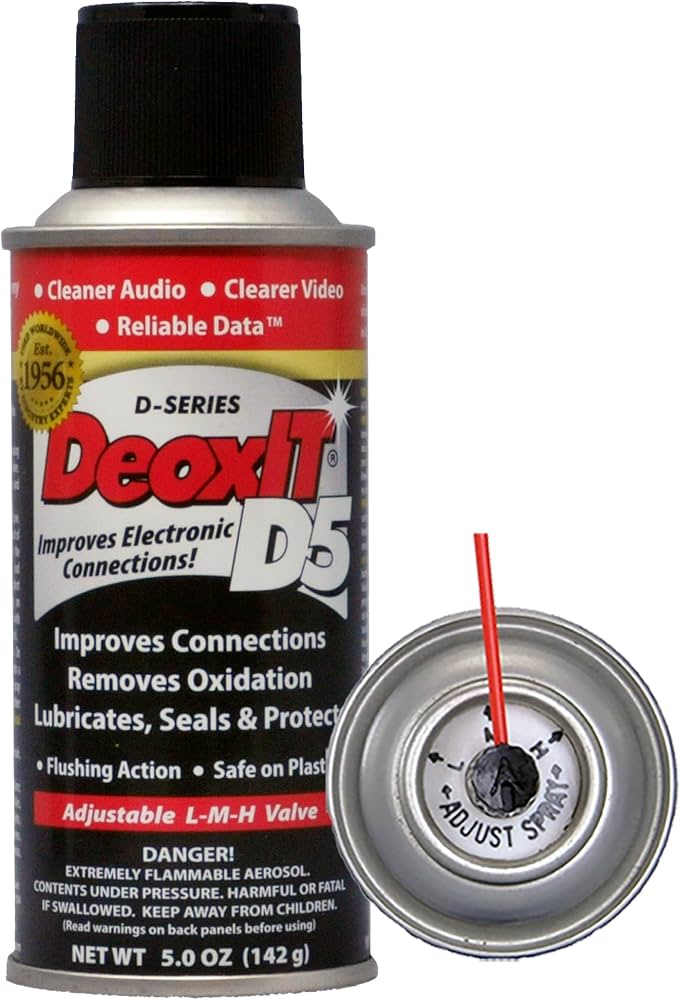
DeoxIT D5 Contact Cleaner Spray
Stubborn cases where vinegar fails—spray, scrub, done.
$15-$20
DeoxIT D5 Contact Cleaner Spray Professional-grade cleaner dissolves corrosion without residue, safe for plastics.
Get the App
Better experience on mobile
Restore your devices' battery contacts safely with this beginner-friendly guide—fix corrosion in 20 minutes using household items.
Battery corrosion in AAA compartments is a common frustration, turning reliable remotes, toys, and gadgets into dead weights. That white, powdery buildup from leaked alkaline batteries can block connections and cause poor performance or total failure. Don't toss your device yet—this guide shows you how to clean it effectively without damaging internals.
You'll learn a simple, step-by-step process using safe, affordable materials like vinegar and baking soda. No special skills needed; it's perfect for beginners. Expect to spend 15-30 minutes per compartment, with clear signs of success like shiny metal contacts.
By the end, your device will power up like new, and you'll know how to prevent future corrosion. Safety first: always work in a ventilated area and avoid electronics if unsure.
Estimated Time: 15-30 minutes Difficulty: beginner
Unplug the device from any power source and carefully remove all AAA batteries. Hold the device over a trash bin or newspaper to catch any loose corrosion powder.
Why it matters: This prevents short circuits, shocks, or further leaks. Success looks like empty, safe-to-handle compartments—no batteries inside.
Wear gloves if corrosion is heavy; it's mildly acidic and irritating.
💡 Tips:
⚠️ Warnings:
Use a flashlight to examine the compartment. Note powdery white/green buildup on contacts (springs, tabs).
What to expect: Light corrosion is flaky; heavy is crusty. Mild cases clean easily; severe may need pro help if plastic is damaged.
Take a 'before' photo for comparison.
💡 Tips:
⚠️ Warnings:
Mix equal parts white vinegar and water in a bowl, or make a paste with baking soda and vinegar (fizzes like a volcano).
Why: Vinegar's acidity dissolves alkaline corrosion; baking soda neutralizes it. Vinegar is best for beginners—effective and cheap.
Pour into a spray bottle for precision if available.
💡 Tips:
⚠️ Warnings:
Dip a cotton swab in solution and dab onto corroded areas. For paste, apply with swab or finger (gloved).
Expect: Fizzing reaction loosens gunk. Let sit 5-10 minutes to break down buildup.
Cover heavy spots generously but avoid soaking internals.
💡 Tips:
Use toothbrush or brass brush to scrub contacts in circular motions. Wipe debris with damp cloth.
Why gentle: Protects thin metal from scratching. Success: Corrosion wipes away, revealing shiny metal.
Repeat scrubbing if needed, reapplying solution.
💡 Tips:
⚠️ Warnings:
Wipe with isopropyl alcohol-dampened cloth to remove residue. For vinegar, dab baking soda paste to neutralize.
Expect: No sticky feel, clean smell. Alcohol evaporates fast, preventing moisture damage.
💡 Tips:
Air-dry for 10-15 minutes or use dry cloth/fan. Ensure no moisture remains.
Critical step: Moisture + batteries = instant re-corrosion. Test dryness with finger—no dampness.
💡 Tips:
⚠️ Warnings:
Insert fresh AAA batteries, power on. Check functionality.
Success: Device works smoothly, no intermittent power. Compare to 'before' photo—shiny contacts!
💡 Tips:
Problem: Corrosion won't budge after scrubbing
Solution: Let solution sit 20+ minutes or use stronger DeoxIT cleaner. If plastic damaged, replace compartment.
Problem: Device still doesn't work post-clean
Solution: Check for hidden corrosion or loose wires. Test with multimeter or new batteries.
Problem: Fumes irritating
Solution: Ventilate area, wear mask. Switch to baking soda paste.
Problem: Heavy damage to compartment
Solution: Seek repair shop or buy replacement part via manufacturer.
Professional-grade cleaner dissolves corrosion without residue, safe for plastics.
Best for: Stubborn cases where vinegar fails—spray, scrub, done.
Price Range: $15-$20
Perfect non-scratch tool for precise scrubbing of small AAA contacts.
Best for: Daily maintenance or tight compartments.
Price Range: $8-$12
Evaporates instantly for residue-free drying and sanitizing.
Best for: Final rinse step to ensure no moisture.
Price Range: $15-$25
Lint-free for streak-free wiping without scratching.
Best for: All wiping steps—reusable and effective.
Price Range: $10-$15
Leak-proof to avoid future corrosion.
Best for: After cleaning, for long-term reliability.
Price Range: $10-$15 (8-pack)
Stubborn cases where vinegar fails—spray, scrub, done.
DeoxIT D5 Contact Cleaner Spray Professional-grade cleaner dissolves corrosion without residue, safe for plastics.
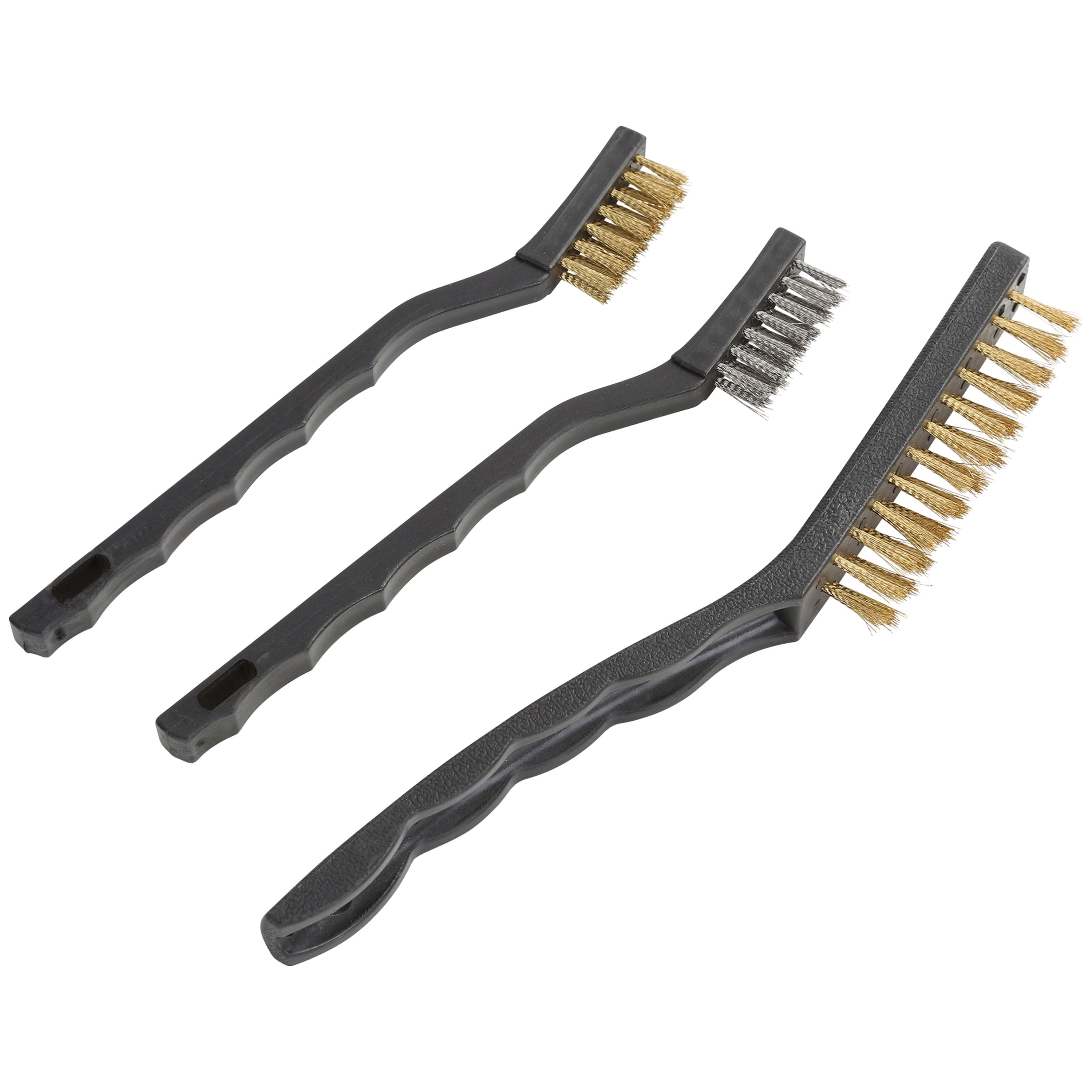
Daily maintenance or tight compartments.
Kemapal Brass Wire Battery Brush Perfect non-scratch tool for precise scrubbing of small AAA contacts.
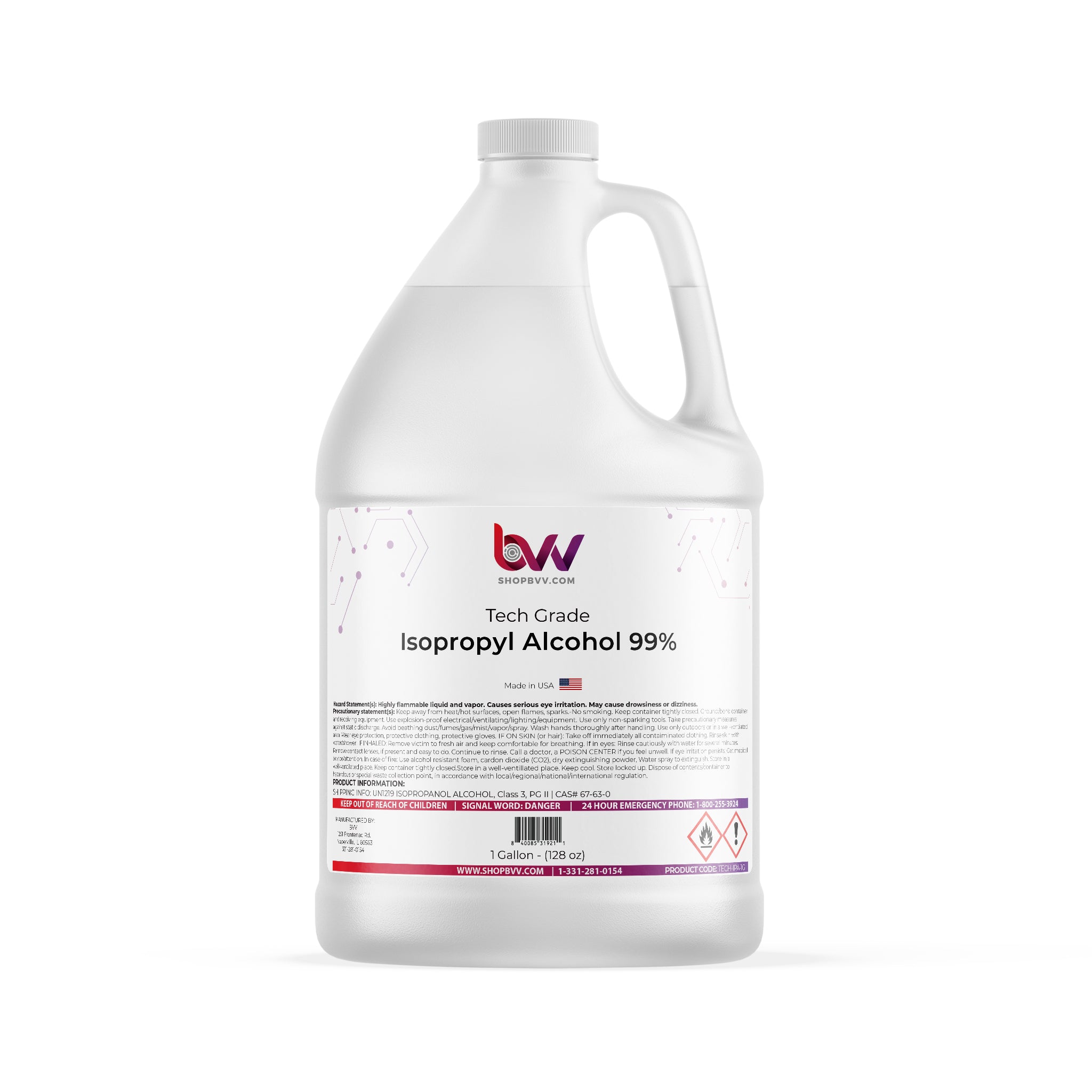
Final rinse step to ensure no moisture.
Isopropyl Alcohol 99% (TechGrade) Evaporates instantly for residue-free drying and sanitizing.
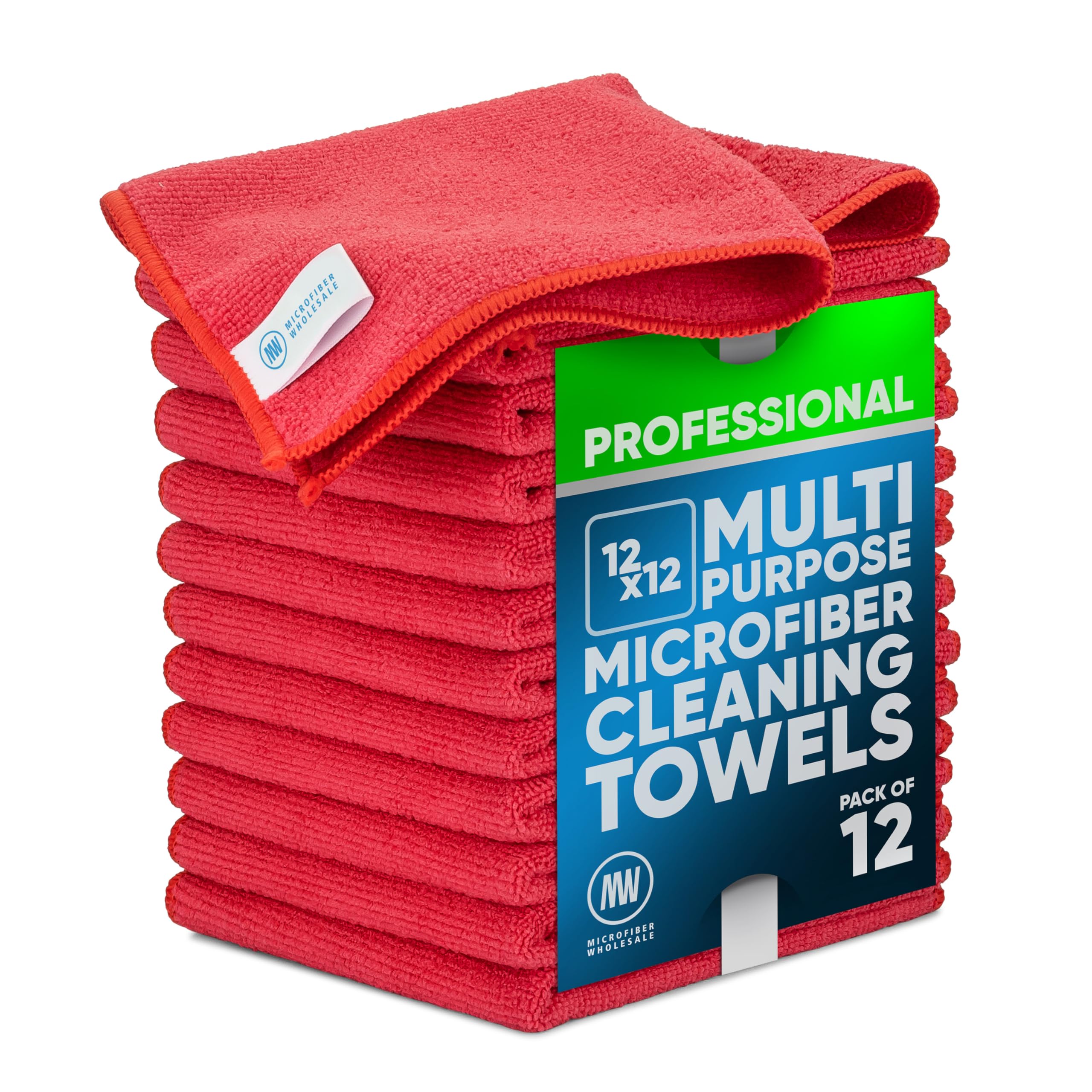
All wiping steps—reusable and effective.
Microfiber Cleaning Cloths (12-pack) Lint-free for streak-free wiping without scratching.

After cleaning, for long-term reliability.
Energizer Ultimate Lithium AAA Batteries (prevention) Leak-proof to avoid future corrosion.