
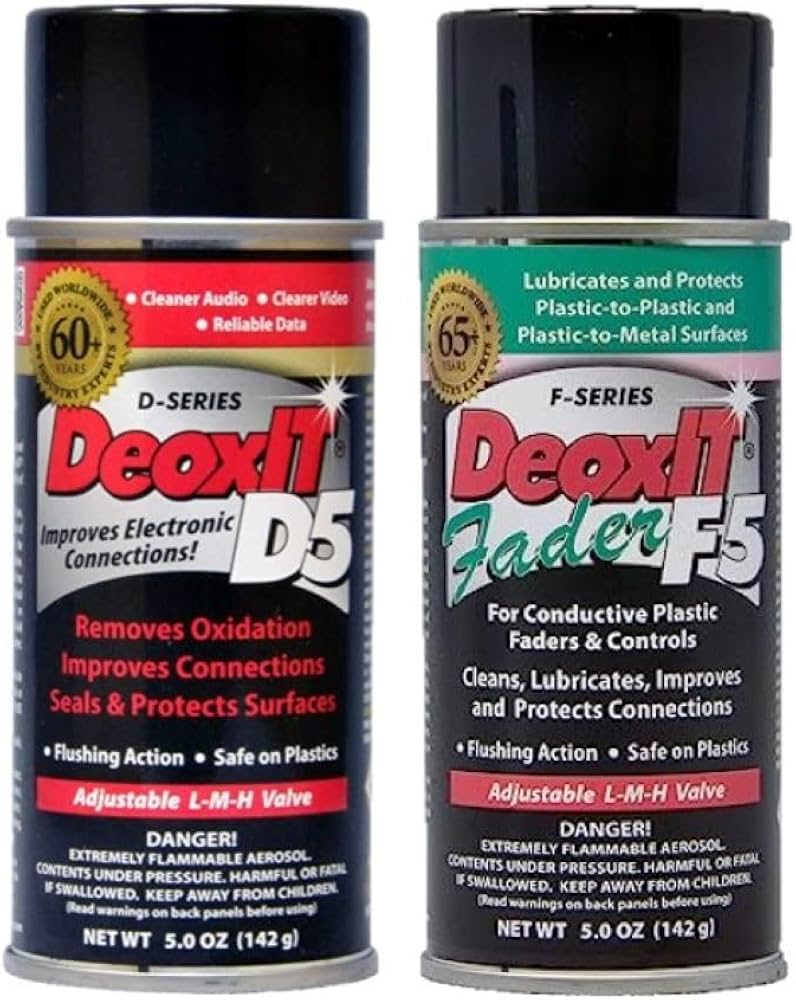
DeoxIT D5 Contact Cleaner Spray
Stubborn electronics like remotes or controllers.
$18.99
DeoxIT D5 Contact Cleaner Spray Professional-grade cleaner dissolves corrosion without vinegar acidity, safe for plastics.
Get the App
Better experience on mobile
Safely remove battery corrosion from AA compartments in your remotes, toys, and gadgets with this easy beginner guide—no special tools needed.
Nothing's more frustrating than dead batteries in your TV remote or kid's toy, only to discover white, crusty corrosion blocking the contacts. This buildup from leaked alkaline AA batteries can prevent power flow, but it's fixable at home without damaging your device.
In this guide, you'll learn a simple, effective method using household items like vinegar to neutralize and scrub away corrosion. Expect shiny, clean contacts ready for new batteries, restoring your device's function. The process takes 20-30 minutes plus drying time and is perfect for beginners—no prior experience required.
We'll cover safety, step-by-step cleaning, pro tips, and product recs to prevent future issues. By the end, your gadgets will work like new.
Estimated Time: 20-30 minutes active time + 1 hour drying Difficulty: beginner
Unplug the device from any power source and remove all AA batteries immediately. If batteries have leaked, dispose of them properly—do not recharge or puncture.
Why it matters: This prevents short circuits, shocks, or further leaks during cleaning. Expect to see white or green powdery residue on contacts; that's normal alkaline corrosion.
Place batteries aside in a safe spot. Work in a well-ventilated area on a protected surface like newspaper.
💡 Tips:
⚠️ Warnings:
Examine the compartment for loose powder. Gently tap or shake out debris over a trash bin. Use a dry cotton swab or toothpick to dislodge chunks without scratching metal.
What to expect: Some powder may stick stubbornly—this step prepares it for neutralization.
If buildup is extreme, wear gloves now.
💡 Tips:
⚠️ Warnings:
Pour a small amount of white vinegar into a bowl. Dip a cotton swab in vinegar and dab it onto corroded areas. Let it sit for 2-5 minutes to fizz and dissolve the alkaline crust.
Why vinegar? It's mildly acidic, neutralizing the basic corrosion safely without harming plastics.
For stubborn spots, mix 1:1 vinegar and water.
💡 Tips:
⚠️ Warnings:
Dip an old toothbrush in vinegar and scrub contacts in circular motions. Apply light pressure—let the acid do the work.
Success looks like: Corrosion turning to sludge, revealing shiny metal underneath.
Wipe sludge with a paper towel between scrubs.
💡 Tips:
⚠️ Warnings:
If vinegar residue remains, mix baking soda with water into a paste. Apply with swab, scrub lightly, then wipe off.
When to use: For heavy acid traces post-vinegar.
Rinse area with a vinegar-damp swab to remove paste.
💡 Tips:
⚠️ Warnings:
Use fresh cotton swabs dipped in water or isopropyl alcohol to wipe away all residue. Repeat until swabs come away clean.
What success looks like: No white powder, contacts shiny and dry-ish.
Avoid soaking—just surface clean.
💡 Tips:
⚠️ Warnings:
Air-dry for at least 1 hour in a warm spot. Use a dry cloth or compressed air to speed it up.
Why wait? Moisture causes shorts or new corrosion.
Test dryness with a tissue—no dampness.
💡 Tips:
⚠️ Warnings:
Insert fresh AA batteries (prefer lithium or low-leakage). Power on the device.
Success: Device works perfectly, no intermittent power.
Monitor for a week.
💡 Tips:
Problem: Corrosion returns quickly
Solution: Use anti-corrosion spray (see products); store batteries separately.
Problem: Device still doesn't work
Solution: Check for internal damage; test contacts with multimeter for continuity.
Problem: Vinegar won't fizz
Solution: Corrosion is old/dry—prolong soak to 10 mins or use commercial cleaner.
Problem: Plastic warped
Solution: Vinegar sat too long; dry immediately next time. Seek pro repair.
Professional-grade cleaner dissolves corrosion without vinegar acidity, safe for plastics.
Best for: Stubborn electronics like remotes or controllers.
Price Range: $18.99
Fast-evaporating, no residue; blasts away grime better than household methods.
Best for: Quick cleans on multiple devices.
Price Range: $9.98
Pure drying agent removes vinegar residue perfectly.
Best for: Final wipe step for flawless contacts.
Price Range: $12.99
Protects skin from irritants; essential for safe handling.
Best for: All cleaning sessions.
Price Range: $9.99
Prevents future corrosion on contacts.
Best for: Apply tiny dab post-clean.
Price Range: $6.49
Stubborn electronics like remotes or controllers.
DeoxIT D5 Contact Cleaner Spray Professional-grade cleaner dissolves corrosion without vinegar acidity, safe for plastics.
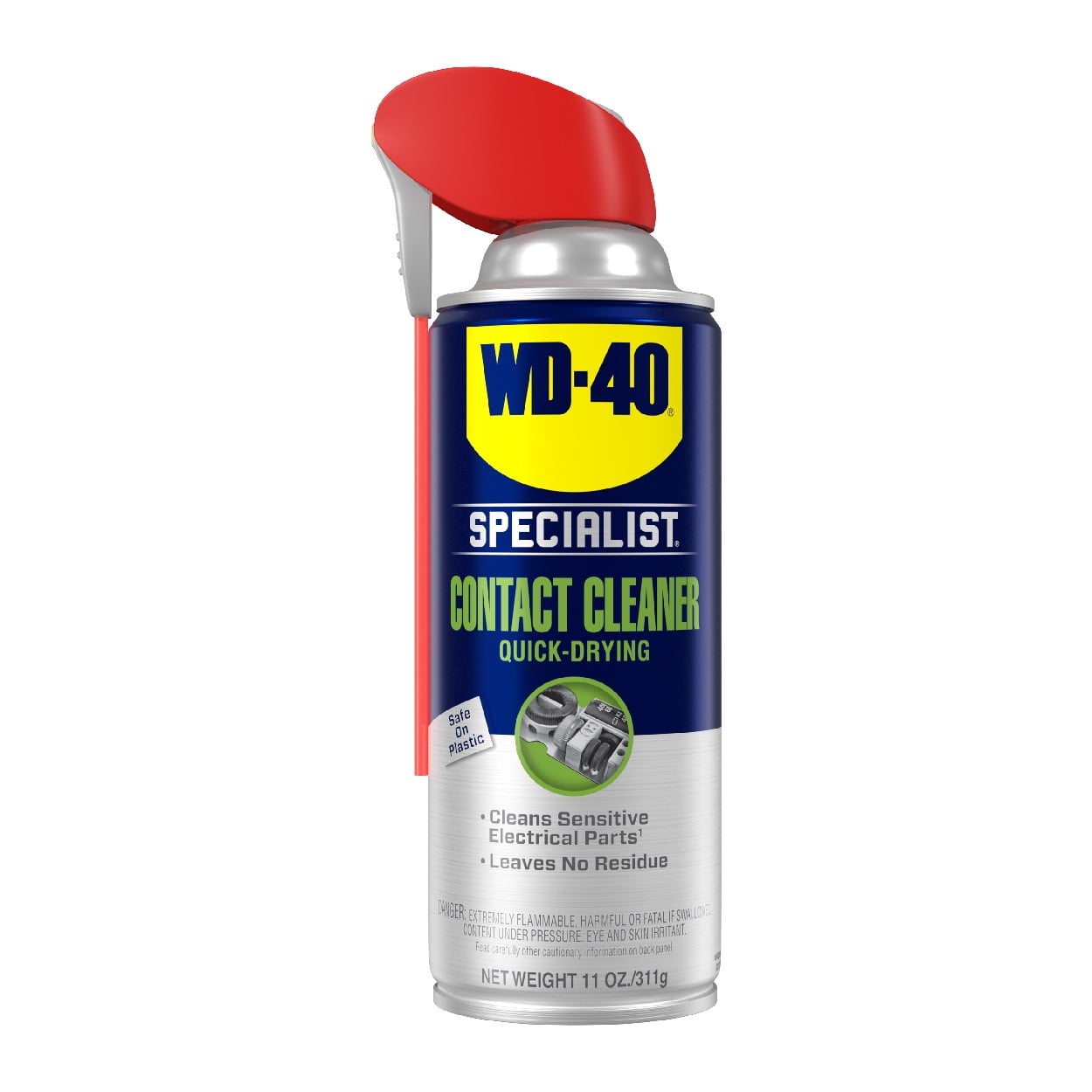
Quick cleans on multiple devices.
WD-40 Specialist Electrical Contact Cleaner Fast-evaporating, no residue; blasts away grime better than household methods.
Final wipe step for flawless contacts.
MG Chemicals 99% Isopropyl Alcohol Pure drying agent removes vinegar residue perfectly.
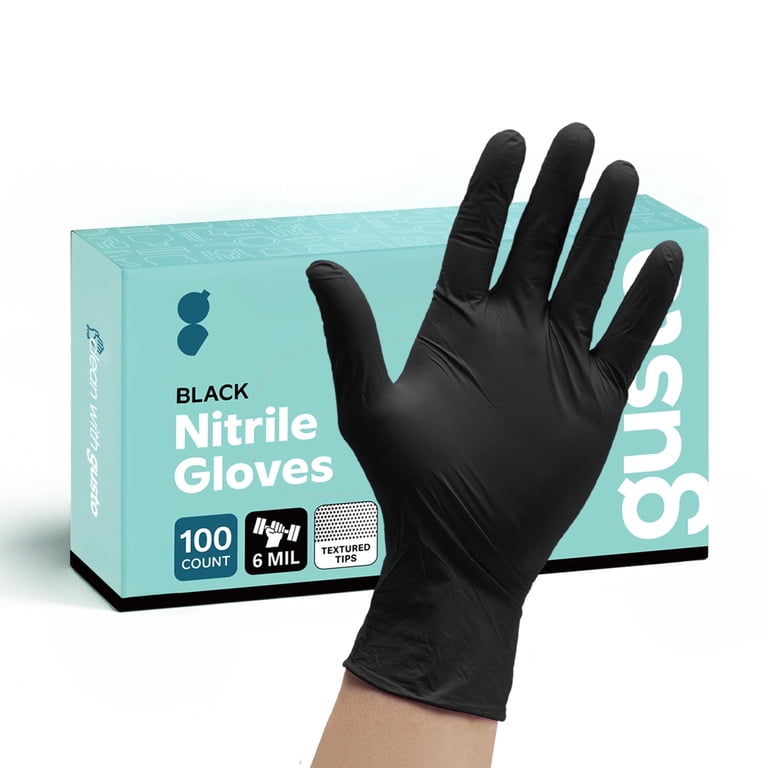
All cleaning sessions.
Nitril Disposable Gloves (100-pack) Protects skin from irritants; essential for safe handling.

Apply tiny dab post-clean.
Permatex 80073 Anti-Seize Lubricant Prevents future corrosion on contacts.