
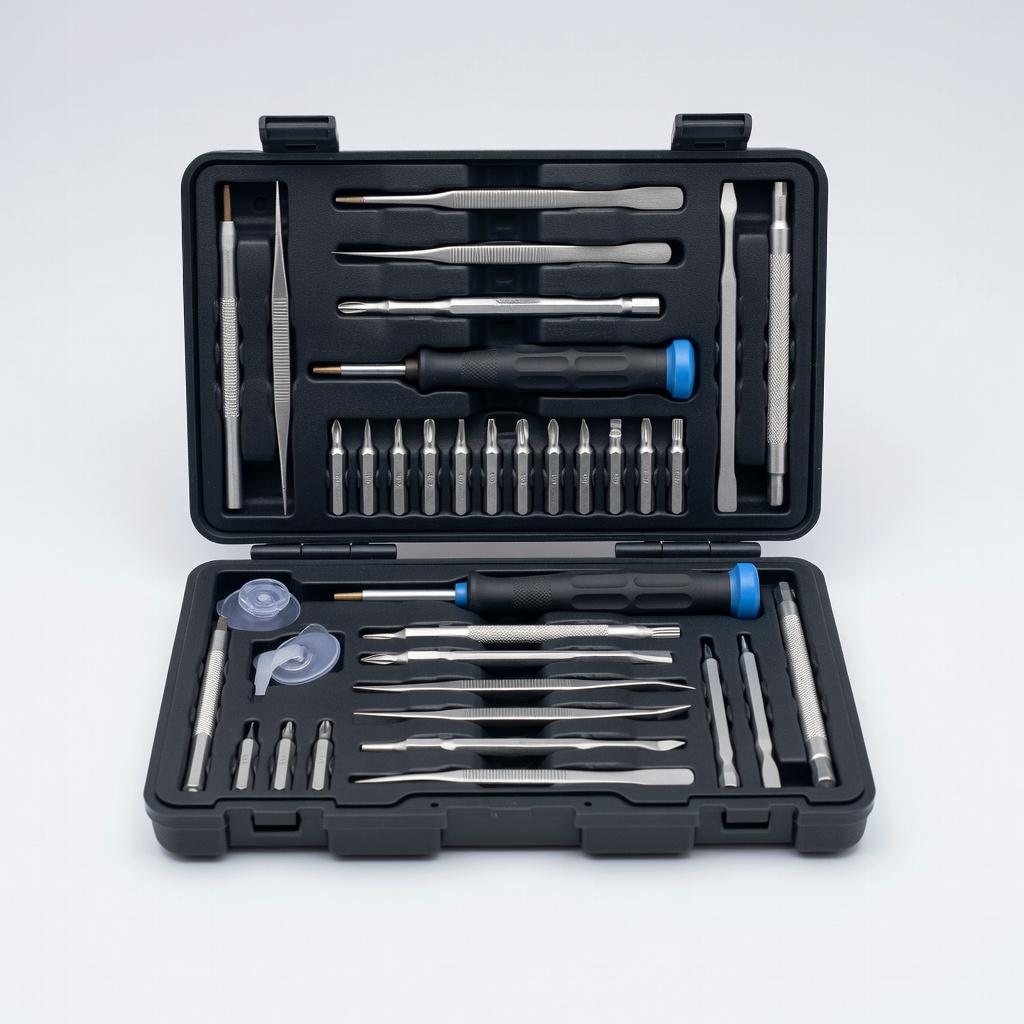
iFixit Pro Tech Toolkit
Disassembly and reassembly of reed blocks.
$69.99
iFixit Pro Tech Toolkit Precision screwdrivers perfect for tiny accordion screws without stripping.
Get the App
Better experience on mobile
Restore your accordion's crisp sound and prevent sticking with this step-by-step guide to safely cleaning reeds at home.
Dirty accordion reeds can muffle tones, cause notes to stick, or lead to corrosion, robbing your instrument of its vibrant voice. Regular cleaning keeps your accordion performing like new, extending its life and saving costly repairs. If you're an intermediate player comfortable with basic disassembly, this guide is for you.
You'll learn a safe, effective process using household items and specialized tools—no professional shop required. We'll cover disassembly, gentle cleaning, inspection, and reassembly. Expect clear steps with tips to avoid damage.
Total process takes 1-2 hours per reed block, depending on accordion size and dirt level. Work patiently in good light for best results.
Estimated Time: 1-2 hours per reed block Difficulty: intermediate
Set up a clean, well-lit area with a soft cloth or foam mat to protect parts. Gather all tools and lay them out. Remove the accordion from its case and disconnect the bellows straps to avoid strain.
Why it matters: A organized space prevents losing tiny screws or reeds and reduces contamination risk. Expect a tidy setup that makes the job less frustrating.
Wear gloves if handling alcohol to avoid oils from your skin transferring to reeds.
💡 Tips:
⚠️ Warnings:
Open the accordion grill or pallet screws carefully using the appropriate screwdriver. Gently lift the reed block assembly from the instrument. Note the position (treble or bass side).
Why it matters: Reed blocks hold dozens of reeds; improper removal can bend tongues. Success looks like the block lifting free without resistance or damage.
Label blocks if multiple to ensure correct reinstallation.
💡 Tips:
⚠️ Warnings:
Unscrew or unclip individual reed plates from the reed block. Place screws in a labeled tray. Lift reeds straight up with tweezers, avoiding contact with the reed tongue.
Why it matters: Reeds are delicate; bending affects pitch. Expect shiny metal plates separating cleanly.
Handle by edges only.
💡 Tips:
⚠️ Warnings:
Use compressed air in short bursts to blow dust from reeds, plates, and block. Follow with a soft brush to sweep remaining particles.
Why it matters: Dry removal prevents moisture damage first. Reeds should look visibly cleaner, with no loose grit.
Hold pieces vertically to let debris fall away.
💡 Tips:
⚠️ Warnings:
Dampen (not soak) a cotton swab with 99% isopropyl alcohol. Gently wipe reed tongues, plates, and valve leather. For stubborn grime, let alcohol sit 30 seconds before wiping.
Why it matters: Alcohol dissolves oils and corrosion without rusting steel reeds. Success: Reeds gleam without residue; valves move freely.
Dry immediately with microfiber cloth.
💡 Tips:
⚠️ Warnings:
Examine each reed under light for bends, wear, or buildup. Use a fine file to lightly smooth edges if corroded (gentle strokes only). Check valves for tears.
Why it matters: Catches issues early. Reeds should vibrate freely without buzzing.
If damaged, note for pro repair.
💡 Tips:
⚠️ Warnings:
Replace reeds into blocks, aligning precisely. Secure with screws (snug, not overtight). Reinstall block into accordion.
Why it matters: Misalignment causes dead notes. Success: All parts fit flush, no wobble.
Double-check photos from disassembly.
💡 Tips:
⚠️ Warnings:
Close the accordion, play scales across registers. Listen for clear tones, no sticking.
Why it matters: Verifies work. Expect brighter, responsive sound.
Retune if needed (separate guide).
💡 Tips:
⚠️ Warnings:
Problem: Notes still sticking after cleaning
Solution: Check valves for swelling; replace if torn. Ensure reeds are dry.
Problem: Buzzing or off-pitch reeds
Solution: Inspect for bends; lightly file or seek tuner. Realign in block.
Problem: Screws won't hold
Solution: Clean threads with alcohol; use threadlocker sparingly if needed. Pro if stripped.
Problem: Dust returns quickly
Solution: Clean case too; use silica packs for humidity. Pro clean annually.
Precision screwdrivers perfect for tiny accordion screws without stripping.
Best for: Disassembly and reassembly of reed blocks.
Price Range: $69.99
Pure, fast-evaporating cleaner safe for metal reeds—no residue.
Best for: Deep cleaning tongues and valves.
Price Range: $14.99
Powerful yet safe for blowing dust without moisture.
Best for: Initial debris removal from reed blocks.
Price Range: $12.99
Lint-free drying prevents streaks or residue on reeds.
Best for: Final wipe-down after alcohol cleaning.
Price Range: $9.99
Fine files for safe edge smoothing on corroded reeds.
Best for: Inspection and minor adjustments.
Price Range: $11.99
Disassembly and reassembly of reed blocks.
iFixit Pro Tech Toolkit Precision screwdrivers perfect for tiny accordion screws without stripping.
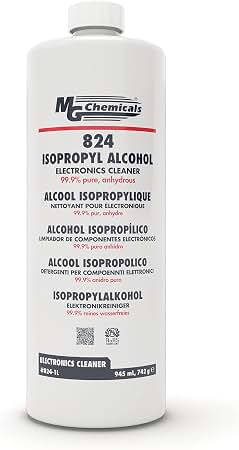
Deep cleaning tongues and valves.
MG Chemicals 99% Isopropyl Alcohol Pure, fast-evaporating cleaner safe for metal reeds—no residue.
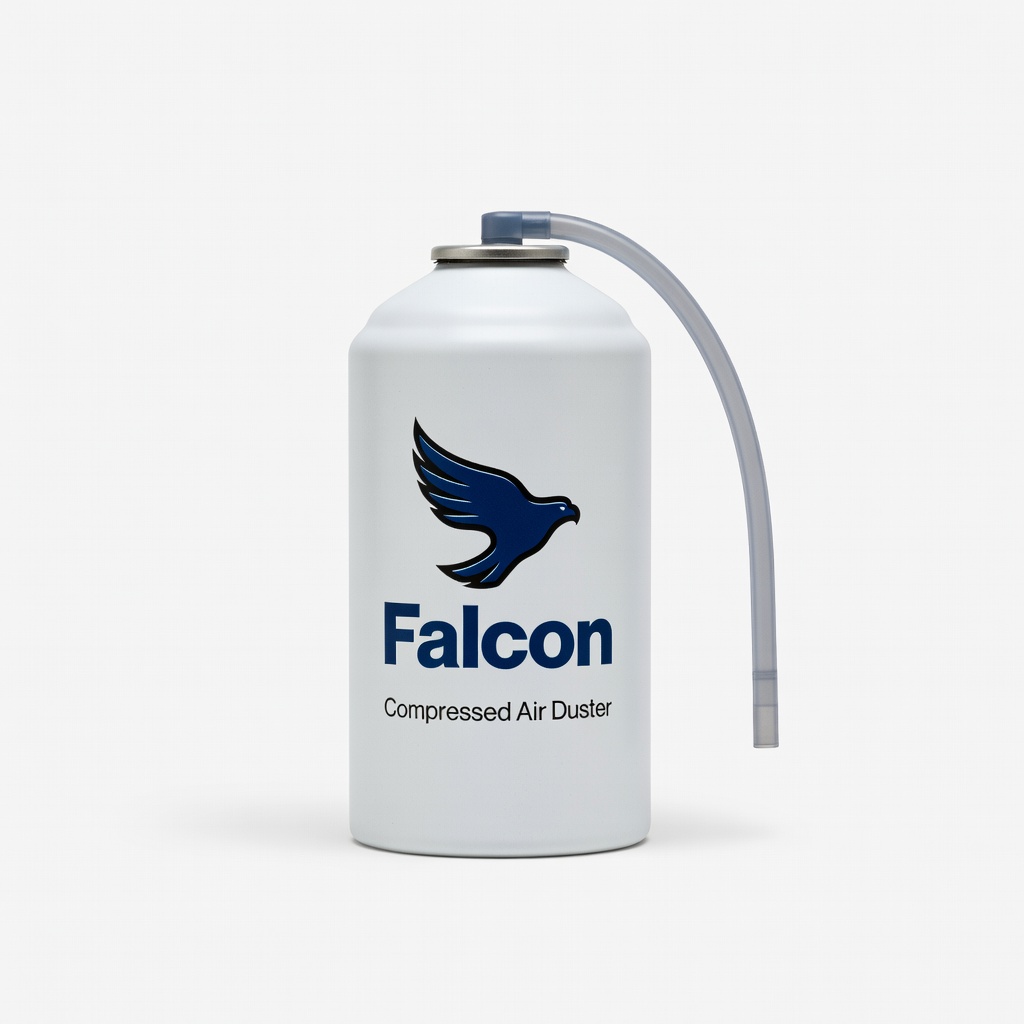
Initial debris removal from reed blocks.
Falcon Compressed Air Duster Powerful yet safe for blowing dust without moisture.

Final wipe-down after alcohol cleaning.
Amazon Basics Microfiber Cleaning Cloths Lint-free drying prevents streaks or residue on reeds.
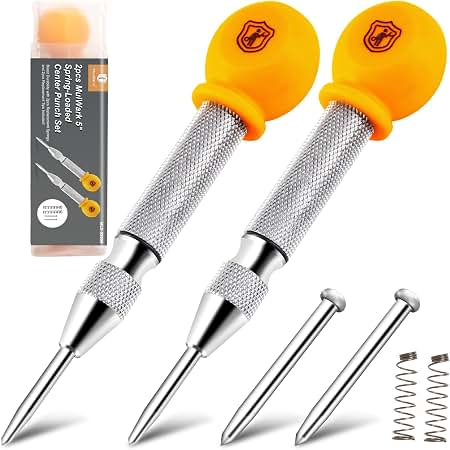
Inspection and minor adjustments.
Neiko 02638A Needle File Set Fine files for safe edge smoothing on corroded reeds.