A dirty guitar neck not only looks bad but can also affect playability—sticky residue, rough frets, and dried-out wood can make fretting difficult and reduce the lifespan of your instrument. Whether you’re a weekend strummer or a gigging musician, learning how to clean your guitar neck and fretboard safely is essential maintenance that can save you from costly repairs. In this guide, you’ll discover the right tools, step-by-step techniques, and expert tips to restore your guitar’s neck to like-new condition. Expect to spend about 30 minutes on a standard clean, with difficulty suitable for intermediate players who have basic knowledge of their instrument.
▸What You'll Need
- •Soft lint-free microfiber cloths (at least two)
- •Guitar polish or fretboard cleaner (appropriate for your fretboard wood type)
- •Wood conditioner or lemon oil (for unfinished rosewood, ebony, or pau ferro fretboards)
- •Fine steel wool #0000 (optional, for oxidized frets or stubborn dirt—use with caution on maple)
- •Masking tape (to protect pickups and electronics if using steel wool)
- •Small brush (soft toothbrush or dedicated fret cleaning brush)
- •Guitar stand or a stable work surface
- •Isopropyl alcohol (diluted, for hard-to-remove gunk on frets only)
Estimated Time: 20-30 minutes (plus 1 hour drying/conditioning time)
Difficulty: intermediate
▸Step-by-Step Instructions
Step 1: Prepare Your Workspace and Guitar
Place your guitar on a stable, padded work surface or a guitar stand. Remove the strings entirely (or loosen them if you plan to reuse them) to access the entire fretboard. If using steel wool, cover the pickups with masking tape to prevent metal particles from sticking to magnets. Lay down a clean cloth to catch any debris.
💡 Tips:
- •Use a dedicated guitar work mat to avoid scratches.
- •If you're not comfortable removing all strings, you can clean in sections between strings, but full removal gives better access.
⚠️ Warnings:
- •Never use household cleaners like Windex or bleach—they’ll damage the finish and wood.
- •Be gentle around the nut and saddle to avoid cracking.
Step 2: Dry Dust the Fretboard
Use a dry microfiber cloth to wipe away loose dust and debris from the fretboard and frets. Pay attention to the edges of the frets where dirt accumulates. For tight corners, use the edge of the cloth or a soft brush.
💡 Tips:
- •A small paintbrush or unused toothbrush works well for getting between frets.
Step 3: Clean the Frets with Light Abrasion (If Needed)
If your frets are tarnished or grimy, use #0000 steel wool to gently polish them. FIRST, mask off pickups and electronics. Rub the steel wool lightly along the fret surfaces, not across the wood. Wipe away residue with a damp cloth. Alternatively, use a dedicated fret polishing product and a soft cloth.
💡 Tips:
- •For fretboards with a glossy finish (e.g., maple), avoid steel wool—it will dull the lacquer. Use a fine fret polishing cloth instead.
- •Use a fret guard or tape to protect the fretboard wood when polishing only the frets.
⚠️ Warnings:
- •Steel wool can create fine metal dust that is harmful if inhaled; work in a well-ventilated area and consider wearing a mask.
- •Do not press too hard—you only want to remove oxidation, not metal.
Step 4: Apply Fretboard Cleaner Conditioner (For Unfinished Rosewood, Ebony, Pau Ferro)
For unfinished fretboards (typically dark woods), apply a small amount of specialized fretboard cleaner or a natural oil like lemon oil (avoid products with waxes). Put a few drops on a microfiber cloth, not directly on the wood. Rub along the grain, covering the entire fretboard. Let it sit for a few minutes to lift dirt. Wipe off excess with a clean cloth. For maple or finished fretboards, skip oil—just use a damp cloth if needed and polish with a guitar-safe cleaner.
💡 Tips:
- •Always test a small area first (near the nut) to ensure colorfastness.
- •Less is more—too much oil can soften wood or seep into fret slots.
⚠️ Warnings:
- •Never use linseed oil, Tung oil, or furniture polish—they can ruin the wood and attract dirt.
- •Avoid getting oil on the strings or pickups.
Step 5: Remove Stubborn Grime from Frets and Wood
For sticky residue or built-up gunk (often from sweat and dead skin), dip a cotton swab or soft cloth in dilute isopropyl alcohol (70% max) and gently rub the fret edges and wood. Use a soft toothbrush for crevices. Wipe immediately with a dry cloth. This step is best done after oiling so the oil lifts grime.
💡 Tips:
- •A magic eraser (melamine foam) can be used VERY lightly on frets, but avoid wood.
⚠️ Warnings:
- •Alcohol can dry out wood if overused—only use for spot cleaning.
- •Do not let alcohol drip into the fret slots.
Step 6: Condition the Fretboard (Optional but Recommended)
For dry fretboards (common in dry climates or older guitars), apply a fretboard conditioner or a thin layer of the same oil used in step 4. Let it penetrate for 10-15 minutes, then buff off any excess with a clean cloth. This hydrates the wood and prevents cracking. Wipe dry before restringing.
💡 Tips:
- •Conditioning once or twice a year is sufficient for most climates.
⚠️ Warnings:
- •Over-conditioning can make the fretboard feel greasy and attract dust.
Step 7: Clean the Neck (Back of the Neck) and Body
Use a guitar-safe polish and a soft cloth to clean the back of the neck and the body. For satin finishes, avoid polishes with silicone or wax that can create buildup—use a damp cloth instead. Wipe in the direction of the grain to avoid swirls. For gloss finishes, a quality guitar polish will restore shine.
💡 Tips:
- •Use a dedicated cloth for polish to avoid cross-contamination with oil.
⚠️ Warnings:
- •Avoid getting polish on the fretboard or nut.
- •For matte finishes, never use polish—only a damp cloth.
Step 8: Re-string and Set Up
Once the fretboard is dry and free of residue, install fresh strings. Stretch them gently and tune to pitch. Optionally, check neck relief and intonation, as cleaning can expose changes. Wipe down strings after playing to extend their life.
💡 Tips:
- •Consider a full setup (truss rod adjustment, action, intonation) after a deep clean.
⚠️ Warnings:
- •Do not over-tighten strings immediately—let them settle.
▸Pro Tips
- •Always use separate cloths for oil/conditioner and polish to avoid cross-contamination.
- •For maple fretboards with a glossy finish, never use oil or steel wool; just a damp cloth and guitar polish.
- •Clean your fretboard every time you change strings—it’s the best habit for longevity.
- •Use a fret guard or old credit card to protect the fretboard when polishing frets individually.
- •In high-humidity areas, consider using a dehumidifier in your guitar case to prevent fretboard swelling.
- •After cleaning, play the guitar for a few minutes to distribute any residual oil evenly.
▸Common Mistakes to Avoid
- •Using household cleaners (glass cleaner, bleach) – these strip finishes and damage wood permanently.
- •Applying too much oil – causes sticky fretboard and potential damage to fret slots; always wipe off excess.
- •Using steel wool on finished fretboards (e.g., maple) – scratches lacquer and ruins appearance.
- •Skipping protection for pickups when using steel wool – metal particles embedded in magnets are very hard to remove.
- •Cleaning too frequently – over-cleaning can dry out wood; once every 6-12 months is plenty for most players.
▸Troubleshooting
Problem: Fretboard feels sticky after cleaning
Solution: You likely used too much oil or conditioner. Wipe the fretboard with a clean, dry cloth repeatedly until the stickiness is gone. If it persists, lightly dampen a cloth with isopropyl alcohol and wipe again, then reapply a very thin layer of oil.
Problem: White residue on fretboard after using a cleaner
Solution: This is often due to wax or silicone buildup. Gently rub with a microfiber cloth dipped in dilute alcohol (70%). If the fretboard is unfinished, it may need a light oiling afterward to restore color.
Problem: Frets feel scratchy after cleaning
Solution: You may have left some steel wool residue. Use a soft cloth to polish the frets again, or a fret polishing cloth. If burrs are present, file them carefully with a fret file (advanced) or take to a luthier.
Problem: Maple fretboard looks cloudy after cleaning
Solution: You likely used a polish or wax not suitable for maple. Wipe with a very slightly damp cloth, then buff with a dry cloth. If cloudy remains, use a specialized maple fretboard cleaner from a guitar shop. Do not use steel wool.
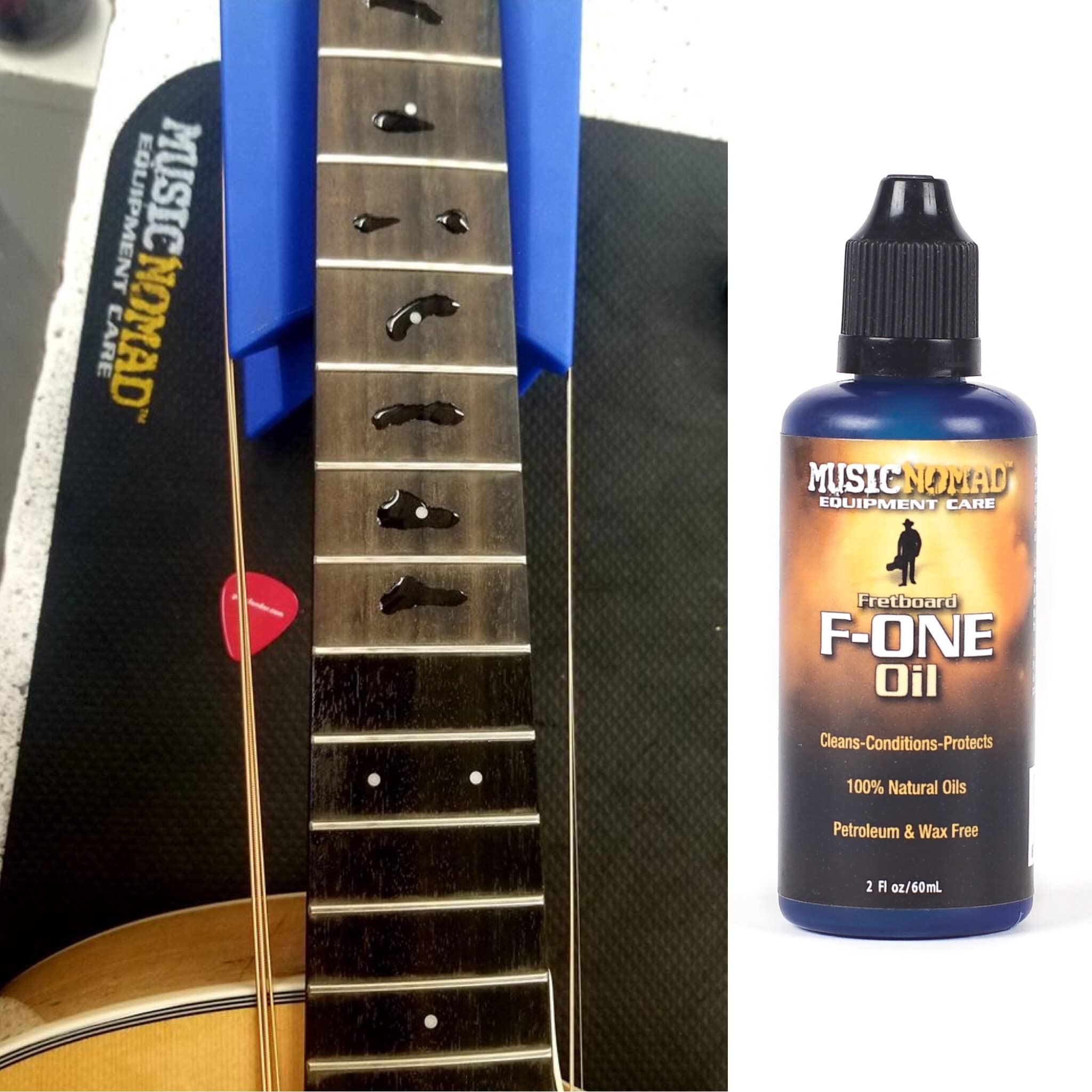
MusicNomad F-One Oil
Specifically formulated for unfinished fretboards; contains lemon extract and vitamin E to condition and protect without greasiness.
Best for: Cleaning and conditioning rosewood, ebony, or pau ferro fretboards.
Price Range: $12-$15
GHS Fret Polishing System
Includes a special cloth and polishing compound that gently polishes frets without steel wool, making it safer for all fretboard types.
Best for: Removing oxidation from frets on both finished and unfinished fretboards.
Price Range: $10-$15
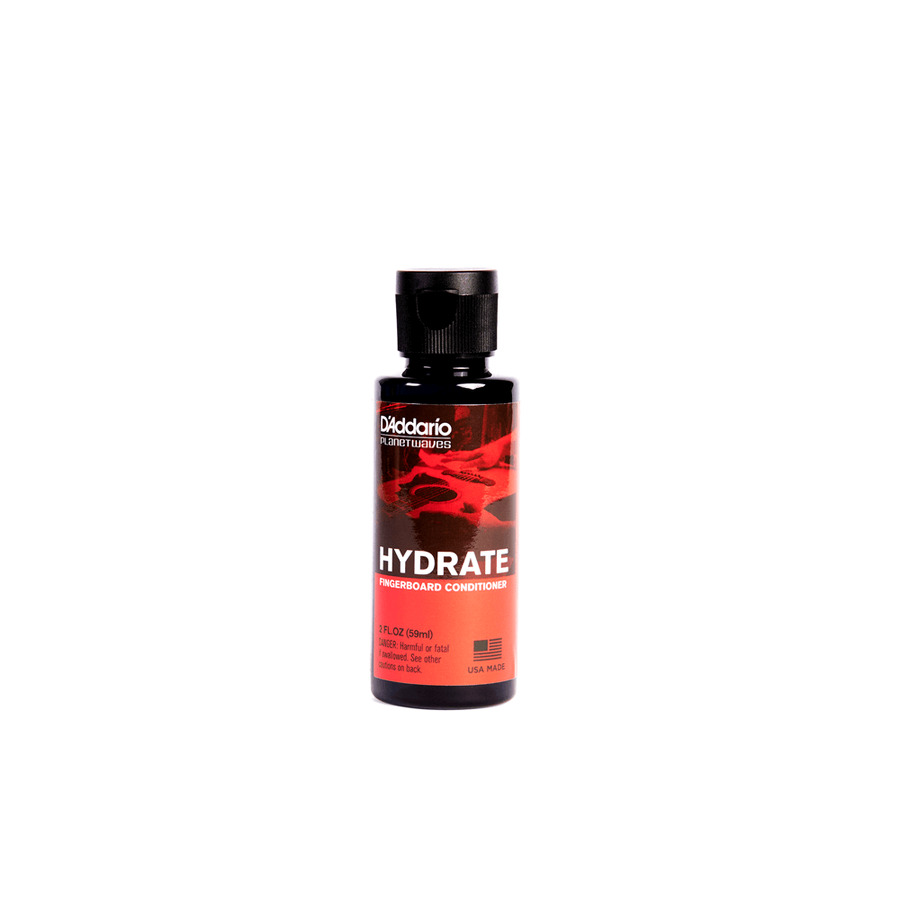
D'Addario Planet Waves Fretboard Hydrating Oil
Natural oils blend that cleans and moisturizes; safe for use on unfinished fretboards and helps prevent cracking.
Best for: Hydrating dry fretboards and lifting grime during string changes.
Price Range: $8-$12
Microfiber Guitar Cloth (Pack of 3)
Lint-free and gentle on finishes; essential for all cleaning steps without scratching.
Best for: General cleaning, applying polish, and buffing excess oil.
Price Range: $8-$15
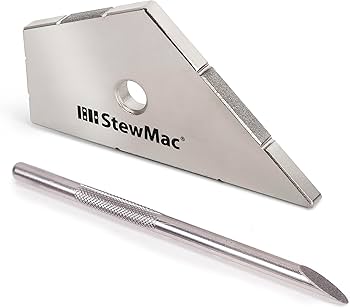
StewMac Fret Guard
Protects fretboard wood while polishing frets; flexible and reusable, fits all fretboards.
Best for: Shielding fretboard during fret polishing with steel wool or abrasive cloth.
Price Range: $10-$14