A fabric couch is a cozy centerpiece of your living room, but it's also a magnet for dust, spills, pet hair, and stains. Over time, dirt and oils build up, making it look dull and worn. Regular cleaning not only revives its appearance but also extends its lifespan and keeps your home healthier.
In this guide, you'll learn the complete process for cleaning a fabric couch, including what tools you need, step-by-step instructions for vacuuming, spot cleaning, and deep cleaning, plus tips to avoid common mistakes. Whether your couch is microfiber, cotton, or polyester blend, these methods work for most upholstery fabrics.
Expect to spend about 1-2 hours for a thorough clean, depending on couch size and soil level. No special skills required—just a little patience and the right products.
▸What You'll Need
- •Vacuum cleaner with upholstery attachment and crevice tool
- •Soft-bristled brush (like a nail brush or upholstery brush)
- •White distilled vinegar
- •Baking soda
- •Dish soap (mild, like Dawn)
- •Spray bottle
- •Clean microfiber cloths (at least 3-4)
- •Bucket of warm water
- •Steam cleaner or upholstery cleaner (optional for deep cleaning)
- •Fan or open windows for drying
Estimated Time: 1-2 hours (plus drying time of 6-12 hours)
Difficulty: beginner
▸Step-by-Step Instructions
Step 1: Check the Manufacturer's Care Tag
Before cleaning, locate the care tag on your couch (usually under the seat cushion or on a zipper). Look for a code: W (water-based cleaners safe), S (solvent-based cleaners only), WS (both), or X (vacuum only, no liquids). For W or WS codes, proceed with water-based cleaning. For S, skip steps using water and use a solvent-based upholstery cleaner instead. For X, only vacuum.
This step prevents damaging the fabric. Ignoring the code is the #1 cause of couch cleaning disasters.
💡 Tips:
- •Take a photo of the tag so you don't lose it.
- •If tag is missing, test cleaner in an inconspicuous area first.
⚠️ Warnings:
- •Never use water on an 'S' code couch—it can cause shrinkage or fading.
- •Don't remove the tag; it's required by law.
Step 2: Remove Cushion Covers and Pillows
Remove all removable cushion covers, throw pillows, and blankets. Check if covers are machine washable (read their tags). If machine washable, wash them in cold water on a gentle cycle with mild detergent, then air dry or tumble dry on low. For non-removable covers, proceed with in-place cleaning.
Separating covers makes deep cleaning easier and allows them to dry thoroughly, preventing mildew.
💡 Tips:
- •Zip cushion covers closed before washing to protect zippers.
- •Air dry covers if possible to avoid shrinkage.
⚠️ Warnings:
- •Do not put fabric couch cushions in the dryer on high heat—it can melt foam or shrink covers.
Step 3: Vacuum Thoroughly
Use a vacuum with an upholstery brush attachment to go over every surface of the couch: seats, backrest, arms, and sides. Use the crevice tool to get into seams, corners, and under cushions. Be sure to vacuum both sides of loose cushions and around the base.
Vacuuming removes loose dirt, dust, pet hair, and crumbs that would turn into mud if you add cleaning solution. This step dramatically reduces the amount of scrubbing needed later.
💡 Tips:
- •Go over high-traffic areas twice.
- •If you have pets, use a rubber brush or squeegee to lift embedded hair before vacuuming.
⚠️ Warnings:
- •Empty the vacuum canister first to maximize suction.
Step 4: Pre-treat Stains with Spot Cleaner
For any visible stains, apply a small amount of homemade cleaner (1/4 cup white vinegar, 1/4 cup warm water, and 1 tablespoon dish soap) or a commercial upholstery stain remover. Lightly blot (don't rub) with a clean cloth. Let it sit for 5-10 minutes, then blot again.
Rubbing pushes stain deeper into fibers. Blotting lifts it out. Vinegar helps break down oils and deodorizes.
💡 Tips:
- •Test spot cleaner on a hidden area first.
- •Use a white cloth to avoid color transfer.
⚠️ Warnings:
- •Never saturate the fabric—dampen only.
- •For 'S' code fabrics, use a solvent-based cleaner instead.
Step 5: Deep Clean with a Homemade Solution or Steam Cleaner
If your couch is 'W' or 'WS' rated, mix 2 cups warm water with 1 tablespoon dish soap and 1 tablespoon white vinegar in a spray bottle. Lightly mist a section of the couch (don't drench). Use a soft-bristled brush to gently scrub in circular motions to lift dirt. Then, use a clean damp cloth to 'rinse' by blotting until no suds appear. Repeat section by section.
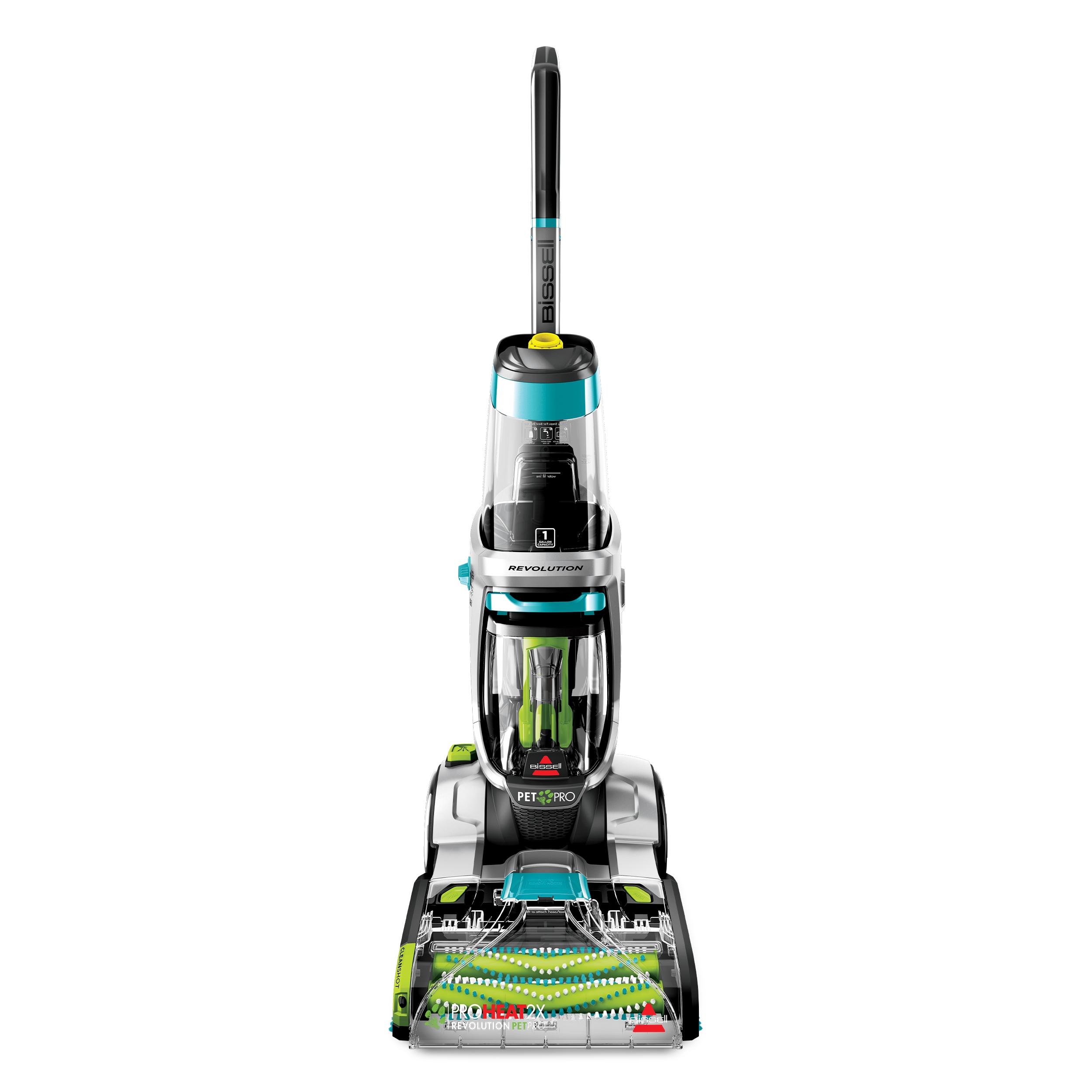
For a deeper clean, use a steam cleaner or upholstery cleaning machine (like a Bissell Little Green) with the recommended solution. This method extracts embedded dirt and kills dust mites.
Work in small sections to avoid over-wetting, which can cause mold or slow drying.
💡 Tips:
- •For tough odors, sprinkle baking soda over the couch after vacuuming, let sit 15 minutes, then vacuum again before cleaning.
- •Steam cleaning provides the deepest clean but requires drying time.
⚠️ Warnings:
- •Over-wetting is the biggest risk—use minimal moisture.
- •Do not use steam or foam cleaners on 'S' or 'X' code fabrics.
Step 6: Rinse and Blot Dry
After cleaning, rinse away soap residue by lightly misting with plain water and blotting with a clean cloth. Residue can attract dirt, so thorough rinsing is key. Continue blotting with a dry cloth to absorb as much moisture as possible.
Blotting accelerates drying and prevents water stains. Switch to dry cloths frequently.
💡 Tips:
- •Place dry towels under cushions to wick moisture from the bottom.
- •Use a fan or open windows to improve air circulation.
⚠️ Warnings:
- •Do not sit on the couch until completely dry—this can cause mold or re-soiling.
Step 7: Dry Thoroughly
Allow the couch to dry completely before replacing cushions. This may take 6-12 hours depending on humidity. Speed up drying by placing fans nearby, opening windows, or using a dehumidifier. Flip cushions halfway through drying.
Moisture trapped in foam or fabric leads to mildew, odors, and fabric damage. Patience here pays off.
💡 Tips:
- •Prop cushions up on their sides to air dry faster.
- •If using a steam cleaner, extract as much water as possible with the machine.
⚠️ Warnings:
- •Do not use a hair dryer on high heat—it can damage fabric or foam.
Step 8: Fluff and Restore Cushions
Once dry, fluff cushions by beating them gently or running your hands over the fabric to restore loft. Put cushion covers back on if they were removed. Use a soft brush to lift the nap on velvet or microfiber.
This final touch makes the couch look fresh and inviting.
💡 Tips:
- •For microfiber, use a stiff brush to restore the soft, even texture.
- •Rotate cushions periodically to distribute wear.
▸Pro Tips
- •Always vacuum before applying any liquid; it prevents turning dirt into mud.
- •Use a white cloth for blotting to check if the stain is transferring (color bleeding).
- •For pet odors, add a few drops of enzyme pet odor cleaner to your DIY solution.
- •To lift set-in stains, make a paste of baking soda and water, apply, let dry, then vacuum.
- •Protect your couch by applying a fabric protectant spray after cleaning (test first).
- •Clean your couch every 3-6 months to prevent heavy buildup.
- •Use a lint roller or rubber glove to quickly remove pet hair between deep cleans.
▸Common Mistakes to Avoid
- •Rubbing stains instead of blotting; rubbing pushes the stain deeper and damages fibers.
- •Over-wetting the fabric; too much water can soak the foam, cause mildew, or warp the frame.
- •Using harsh chemicals like bleach or ammonia; they can discolor or weaken fabric.
- •Ignoring the care tag; using water on an 'S' couch can ruin it permanently.
- •Skipping the test patch; always test cleaning solutions in a hidden area.
▸Troubleshooting
Problem: Stain remains after cleaning.
Solution: Repeat the spot treatment or use a commercial stain remover specifically for upholstery. For oil-based stains, try rubbing alcohol (test first). If stain is old, it may be permanent—consider professional cleaning.
Problem: Couch smells musty after cleaning.
Solution: It likely didn't dry fully. Place fans directly on the damp area and use a dehumidifier. Sprinkle baking soda liberally, let sit for 30 minutes, then vacuum. If smell persists, you may have mold—call a professional.
Problem: Water marks or rings appeared after cleaning.
Solution: These are usually from over-wetting or uneven drying. Lightly mist the entire panel with water to even out moisture, then blot dry evenly. For microfiber, brush gently once dry.
Problem: Fabric feels stiff or rough after drying.
Solution: Residue from soap can cause stiffness. Mist with plain water and blot to rinse. Alternatively, use a fabric softener spray (test first) or vacuum with a brush attachment to soften fibers.
Bissell Little Green Pet Pro Portable Carpet & Upholstery Cleaner
Excellent for deep cleaning fabric couches; powerful suction removes embedded dirt and pet stains.
Best for: Best for monthly deep cleans and tough pet accidents.
Price Range: $120-$150
Folex Upholstery & Carpet Instant Remover
A professional-grade spot cleaner that works on almost all fabric types without scrubbing.
Best for: Great for quick spot cleaning between deep cleans.
Price Range: $8-$15
EC30 Carpet & Upholstery Cleaner Solution
Non-toxic, eco-friendly formula that dissolves dirt without harsh chemicals; safe for kids and pets.
Best for: Use with a steam cleaner or handheld sprayer for deep cleaning.
Price Range: $15-$25
Scotchgard Fabric & Upholstery Protector
Creates a protective barrier against spills and stains after cleaning.
Best for: Spray on clean, dry couch to repel future stains.
Price Range: $10-$15
Chemical Guys BUF_00_1 Upholstery and Carpet Brush
Soft but durable bristles that lift dirt without damaging fabric.
Best for: Use with cleaning solution for gentle agitation during deep cleaning.
Price Range: $10-$15