Your dishwasher works hard, but it needs a spa day too. Over time, grease, limescale, and food particles accumulate in the hidden crevices, causing musty odors, cloudy glassware, and less effective cleaning. You don't need harsh chemicals to fix this—two kitchen staples, white vinegar and baking soda, can safely descale, deodorize, and polish the interior.
This beginner-friendly guide walks you through a simple two-cycle method that uses the power of vinegar to dissolve mineral deposits and baking soda to neutralize odors and brighten surfaces. You'll learn the exact steps, what to watch out for, and how to keep your dishwasher smelling fresh for months.
In just about 30–45 minutes of hands-on time (plus two dishwasher cycles), you can complete a deep clean that will leave your machine looking and smelling like new. No special tools or expensive cleaners required.
▸What You'll Need
- •2 cups distilled white vinegar (5% acidity)
- •1 cup baking soda
- •Dishwasher-safe bowl or measuring cup
- •Microfiber cloths
- •Soft-bristled brush or old toothbrush
- •Toothpick or paper clip (for clearing spray arm holes)
- •Rubber gloves (optional)
- •Dishwasher cleaner or citric acid (optional, for hard water)
Estimated Time: 30–45 minutes of active work, plus 2 full dishwasher cycles (about 1.5–2 hours total)
Difficulty: beginner
▸Step-by-Step Instructions
Step 1: Empty the Dishwasher and Remove Racks
Start by removing all dishes, silverware, and racks from your dishwasher. An empty tub is essential for letting the cleaning solution reach every nook and cranny. If your dishwasher has removable top and bottom racks, slide them out and set them aside.
Take a dry paper towel or microfiber cloth and sweep out any loose food particles that have collected in the bottom. Also check the drain area for any obvious blockages. This initial swipe makes the deeper cleaning steps below more effective, since you're not just pushing debris around.
💡 Tips:
- •If you have a third-row utensil tray, remove that too.
- •Use this time to scrape off any dried-on food from dishes before loading them next time.
⚠️ Warnings:
- •Do not run this cleaning process with detergent in the dispenser.
Step 2: Scrape Away Large Food Debris and Clean the Filter
The filter is usually located at the bottom of the dishwasher underneath the lower spray arm. In most models, it lifts out with a counterclockwise twist. Remove it and rinse it under warm running water to flush away plaque and grit. For stubborn buildup, scrub it gently with a soft-bristled brush or an old toothbrush.
While the filter is out, inspect the basin around it. Wipe the recessed area with a vinegar-dampened cloth to remove grease and mineral deposits. Replace the filter only after cleaning. If your filter is made of mesh, be careful not to tear it. Always check your owner's manual—some advanced filtration systems require a different cleaning approach.
💡 Tips:
- •Take a photo of the filter assembly before removing it to help with reassembly.
- •Some filters have a fine mesh and a coarse basket—clean both parts.
⚠️ Warnings:
- •Never run the dishwasher without the filter in place, as it can damage the pump.
Step 3: Wipe Down Door Gasket and Edges
The door gasket—a flexible rubber seal—is a prime spot for mold and trapped food. Dampen a clean microfiber cloth with vinegar and run it along the entire gasket, gently pulling the folds open to reveal hidden residue. For tight crevices, use an old toothbrush dipped in vinegar.
Don't forget the detergent dispenser and the area around it. Leftover detergent powder can harden and block the compartment. Wipe it out with a damp cloth, and if the latch is sticky, a little vinegar loosens the residue. This step not only improves cleaning results but also eliminates musty smells that often start at the seal.
💡 Tips:
- •Use a cotton swab for precise cleaning along the gasket grooves.
- •Check for mold growth and treat with a dilute hydrogen peroxide solution if needed.
⚠️ Warnings:
- •Avoid using harsh bleach on rubber components.
Step 4: Clean the Spray Arms and Interior
The spray arms are covered in small holes that spray water onto the dishes. These holes can easily clog with hard water minerals and food particles. Inspect each arm, then use a toothpick, paper clip, or small brush to gently poke out any blockages. Rinse the arms under running water to flush out loosened debris.
Once they're clear, snap the spray arms back into place or reattach them with the clips or screws. Make sure they spin freely. If any spray arm is damaged or the holes are corroded, you may need to replace it—most are inexpensive and available online.
💡 Tips:
- •If a spray arm hole is completely plugged, soak the arm in hot vinegar water for 15 minutes.
- •You can also clean the interior walls with a vinegar-soaked cloth while the arms are out.
⚠️ Warnings:
- •Don't use sharp metal tools that could scratch the plastic spray arm.
Step 5: Run a Vinegar Rinse Cycle
Now it's time for the deep-cleaning cycle. Pour 2 cups of plain white vinegar (5% acidity) into a dishwasher-safe bowl or liquid measuring cup. Place it upright on the top rack, making sure it's standing straight so it doesn't spill. Then select the hottest, longest cycle available—usually the 'Normal' or 'Heavy' wash—and run it without any detergent.
The vinegar acts as a natural descaler. As the cycle progresses, the steam disperses vinegar throughout the tub, breaking down grease, dissolving limescale, and neutralizing odors. You may notice a light vinegar smell during the cycle—this is normal and will dissipate. Avoid opening the door while it's running.
💡 Tips:
- •For extra descaling power, add ½ cup of lemon juice to the vinegar.
- •Place the bowl on the top shelf to ensure the vinegar is distributed throughout the cycle.
⚠️ Warnings:
- •Do not mix vinegar with any store-bought detergent, as some formulas can foam excessively.
Step 6: Sprinkle Baking Soda and Run a Second Cycle
After the vinegar cycle is complete, sprinkle 1 cup of baking soda evenly across the bottom of the dishwasher tub. Then run a short hot water cycle, such as 'Quick Wash' or 'Rinse Only,' again without detergent.
Baking soda is a mild abrasive and a powerful natural deodorizer. It helps brighten the interior, removes any remaining stains, and cancels out the acidic vinegar smell. Once this cycle ends, your dishwasher's interior should look noticeably cleaner and smell fresh. If it doesn't, you can repeat the vinegar cycle before moving on.
💡 Tips:
- •Sprinkle the baking soda just before starting the cycle so it doesn't sit too long.
- •If your dishwasher has a garbage disposal unit, this cycle will also clean it.
⚠️ Warnings:
- •Do not use chlorine bleach with baking soda; it can release harmful fumes.
Step 7: Wipe Down the Exterior (Optional)
While the internal cycles are running, you can also clean the dishwasher's exterior. For stainless steel doors, dip a soft cloth in a solution of ½ water and ½ vinegar, then wipe in the direction of the grain to avoid streaks. For plastic or painted fronts, a mild all-purpose cleaner works well. Wipe down the control panel with a barely damp cloth, then dry it immediately to prevent water spots.
This step is optional but gives your appliance a thoroughly refreshed look. It also prevents grime from being transferred to your hands and dishes. Avoid using abrasive cleaners or steel wool, as they can scratch surfaces.
💡 Tips:
- •Use a microfiber cloth for a lint-free shine.
- •For hard water spots, a small amount of baking soda on a damp cloth works as a gentle polish.
⚠️ Warnings:
- •Don't spray cleaner directly onto the control panel; always spray onto the cloth.
Step 8: Reassemble and Schedule Regular Maintenance
Once all the cycles are done, open the door fully and let the interior air dry for a few minutes. Then reinstall the racks and any other parts you removed. Wipe the bottom of the tub with a dry cloth to pick up any baking soda residue that didn't flush away.
Going forward, make this vinegar-and-baking-soda routine part of your monthly home maintenance. Doing it every 1–3 months is generally enough for most households, but if you have hard water or run loads daily, consider cleaning monthly. Regular maintenance like this not only keeps dishes spotless but also extends the life of your dishwasher—so you avoid costly repairs or an early replacement.
💡 Tips:
- •Set a reminder on your phone for the next cleaning session.
- •After cleaning, run a small load of dishes to ensure there is no lingering vinegar taste.
⚠️ Warnings:
- •If you live in a hard-water area, check the spray arms and filter more often.
▸Pro Tips
- •Use distilled white vinegar—it's clear and won't stain, unlike malt or apple cider vinegar.
- •Ensure the dishwasher is completely empty before you begin, so both cleaning agents have full access to the interior.
- •Always pick the hottest, longest cycle for the vinegar soak; heat activates its descaling properties.
- •Never mix vinegar and baking soda in the same cycle. Run them back-to-back to get the full benefit of each.
- •Clean the filter every few weeks, even if you're not doing a full deep clean.
- •If you have hard water, consider running a citric acid-based cleaner every 3 months in addition to your vinegar routine.
- •Place the vinegar in a bowl or cup so it doesn't drain immediately—this allows the steam to spread it evenly.
- •After cleaning, run your kitchen sink's hot water for a minute to flush any debris from the dishwasher drain line.
▸Common Mistakes to Avoid
- •Mixing vinegar and baking soda in the same cycle: they neutralize each other and lose their cleaning power.
- •Using bleach or harsh chemical descalers: these can damage the rubber gasket and stainless steel, and may create harmful fumes.
- •Forgetting to clean the filter: a clogged filter reduces cleaning performance and is a major source of odors.
- •Overusing baking soda: a full cup is enough; too much can leave a residue that ends up on dishes.
- •Ignoring the owner's manual: some dishwasher manufacturers officially advise against vinegar, so always check your specific model's care guide.
▸Troubleshooting
Problem: Vinegar smell remains after cleaning.
Solution: Run an empty quick cycle with 1 teaspoon of baking soda dissolved in a bowl of water. Leaving the door ajar for a few hours also helps the smell dissipate.
Problem: White spots still appear on dishes after deep cleaning.
Solution: This indicates hard water minerals. Add a rinse aid to your dispenser, run a cycle with citric acid, and wipe the tub with a vinegar-soaked cloth weekly.
Problem: Dishwasher still has a musty odor after cleaning.
Solution: Recheck the filter for hidden mold, clean the door gasket with a toothbrush, and leave the dishwasher door open between cycles to allow the interior to dry out.
Problem: The vinegar cycle didn't seem to clean the interior thoroughly.
Solution: Very hard water can require a stronger solution. Repeat with 1 cup of vinegar plus 2 tablespoons of citric acid, or use a commercial dishwasher cleaner before trying the baking soda rinse.
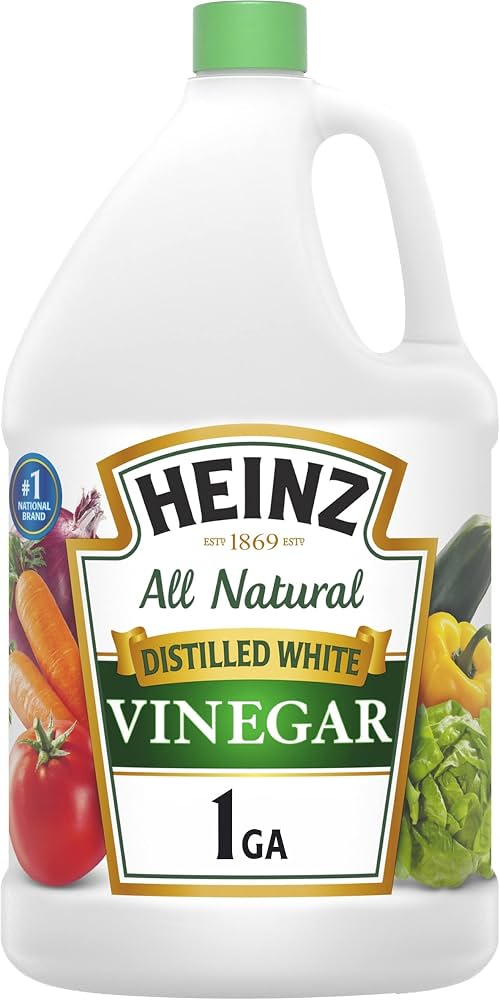
Heinz Cleaning Vinegar, 1 gallon
Formulated with 6% acidity, making it stronger than regular table vinegar for breaking down hard water scale and stubborn grease.
Best for: Use as the primary vinegar in Step 5 and for wiping down the tub and gasket.
Price Range: $10–$15
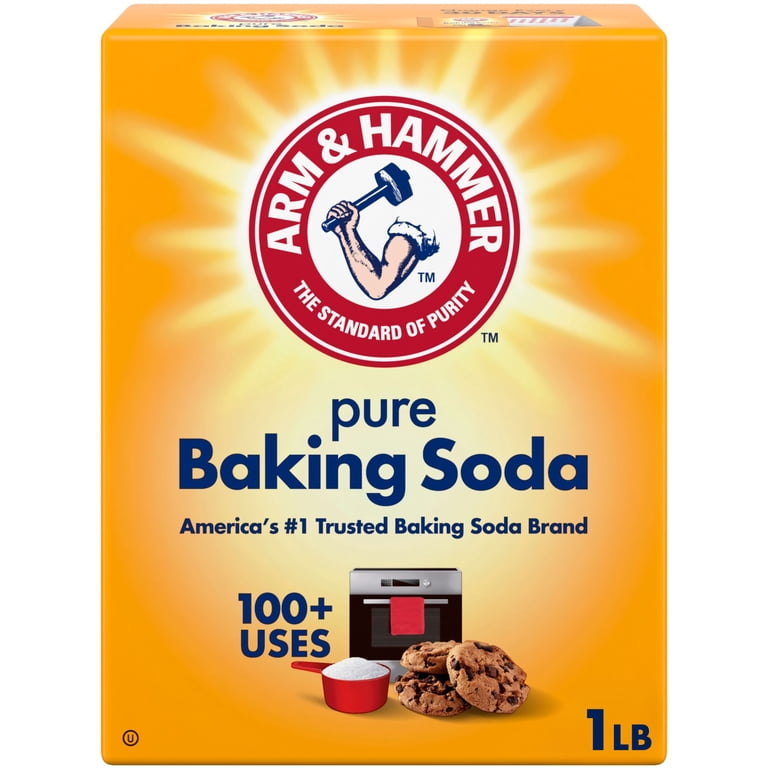
Arm & Hammer Pure Baking Soda, 1 lb
A staple deodorizer that neutralizes odors and provides a gentle abrasive clean without scratching surfaces.
Best for: Used in Step 6 to brighten the tub and remove lingering vinegar smell.
Price Range: $2–$4
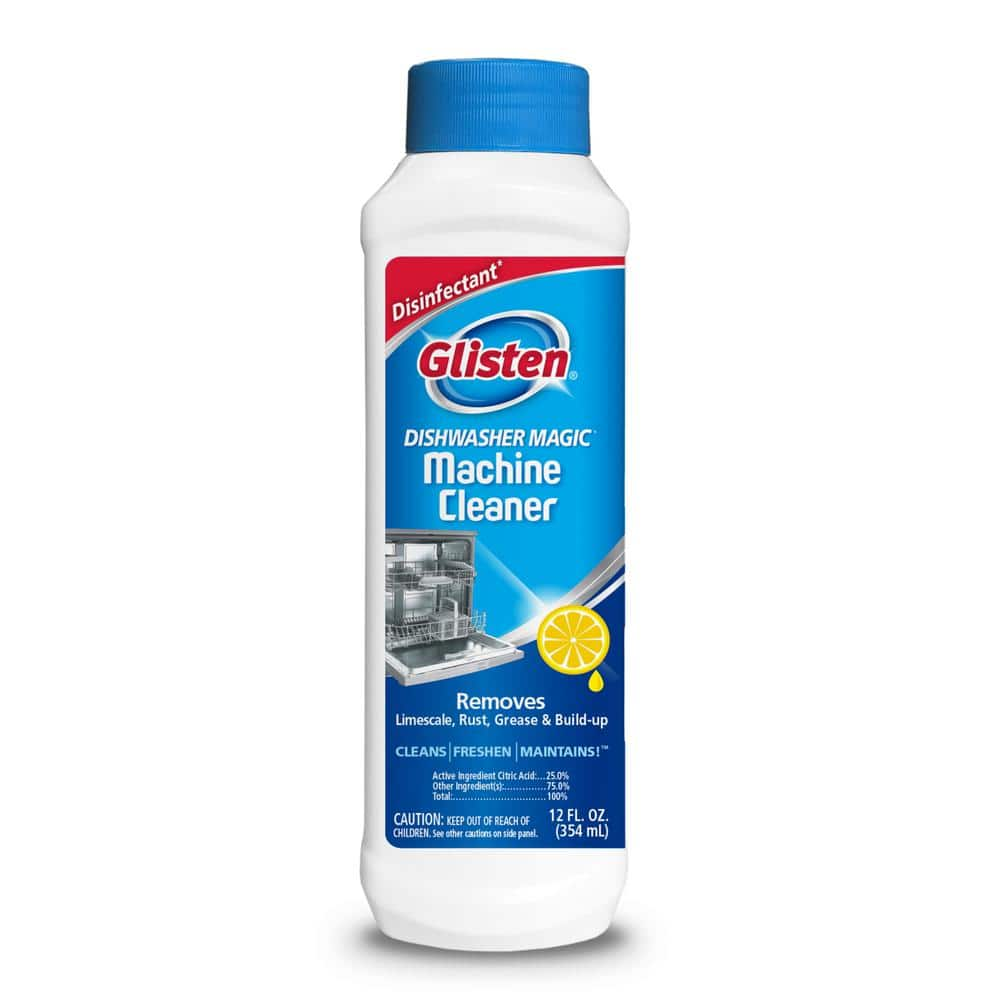
Glisten Dishwasher Cleaner & Disinfectant
Contains citric acid and surfactants for a commercial-strength clean that handles grease and limescale even in hard water.
Best for: A great alternative or complement to vinegar for monthly deep cleans, especially in areas with hard water.
Price Range: $5–$10
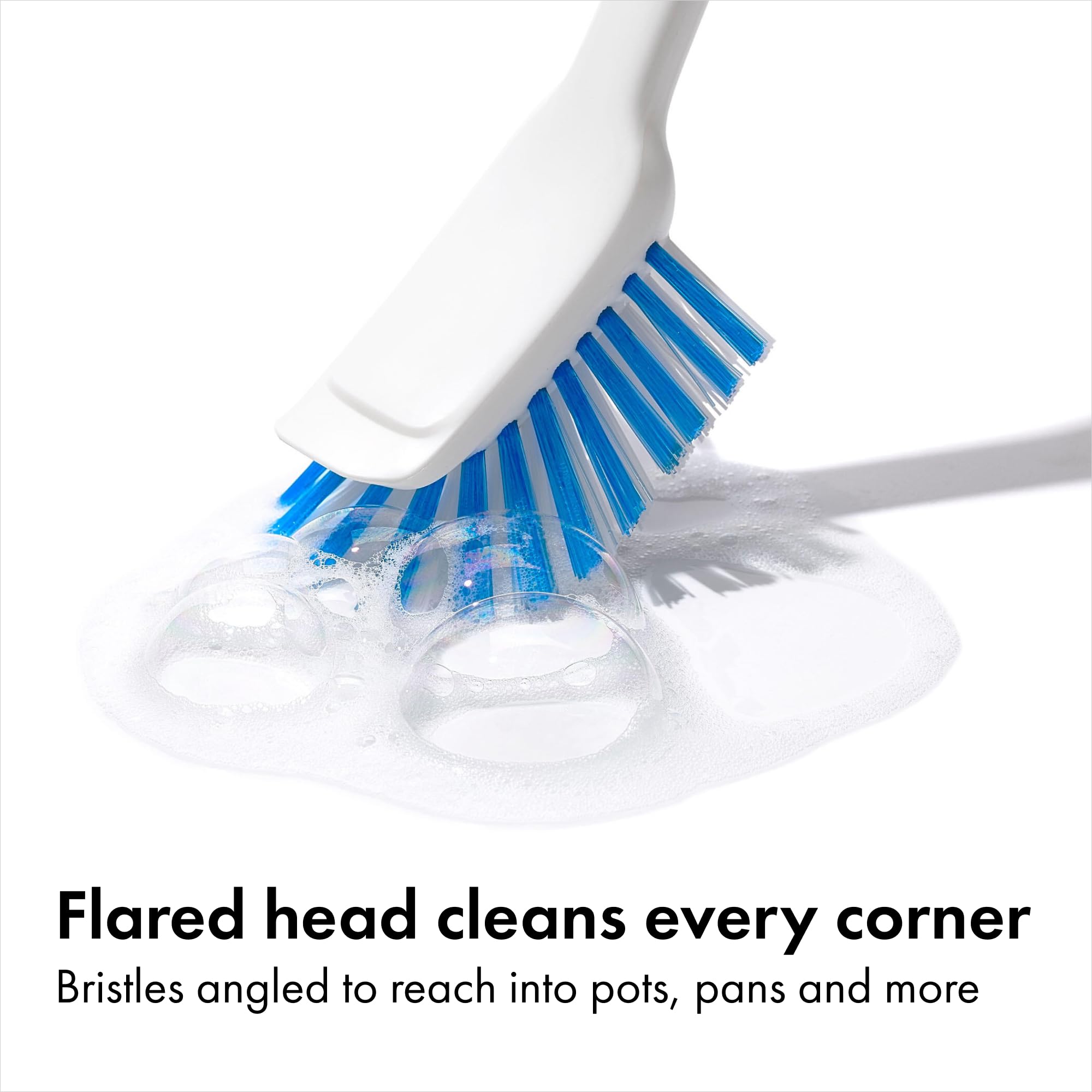
OXO Good Grips Dish Brush
Durable bristles and an angled head make it easy to scrub filters, spray arms, and door gaskets without causing scratches.
Best for: Use for cleaning the filter and for spot-scrubbing the interior and rubber seals.
Price Range: $8–$12
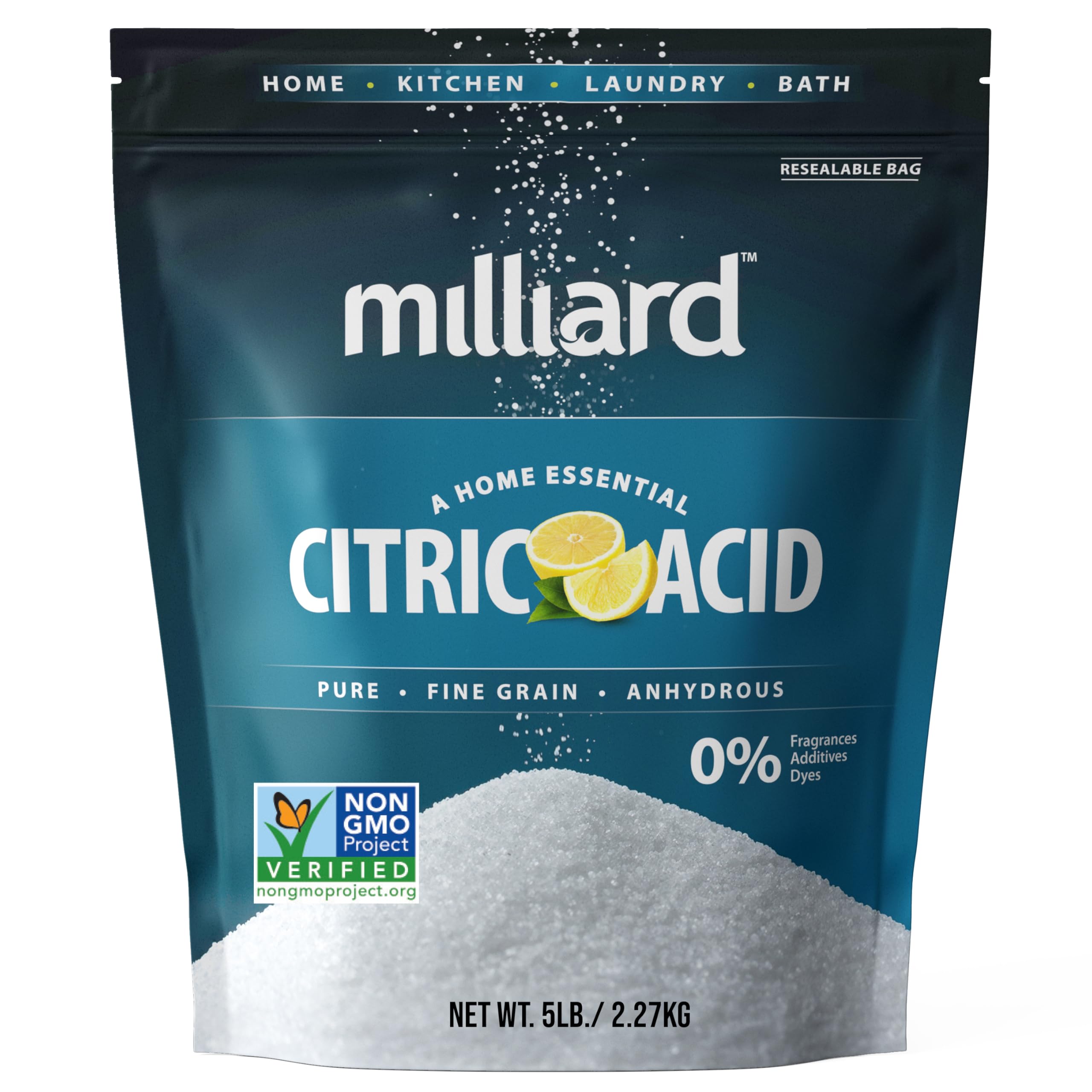
Pure Citric Acid Powder
An eco-friendly descaler that dissolves mineral deposits even more aggressively than vinegar, perfect for hard-water homes.
Best for: Use occasionally as a vinegar alternative: dissolve 2–3 tablespoons in a water bowl and run the same hot cycle.
Price Range: $10–$20