
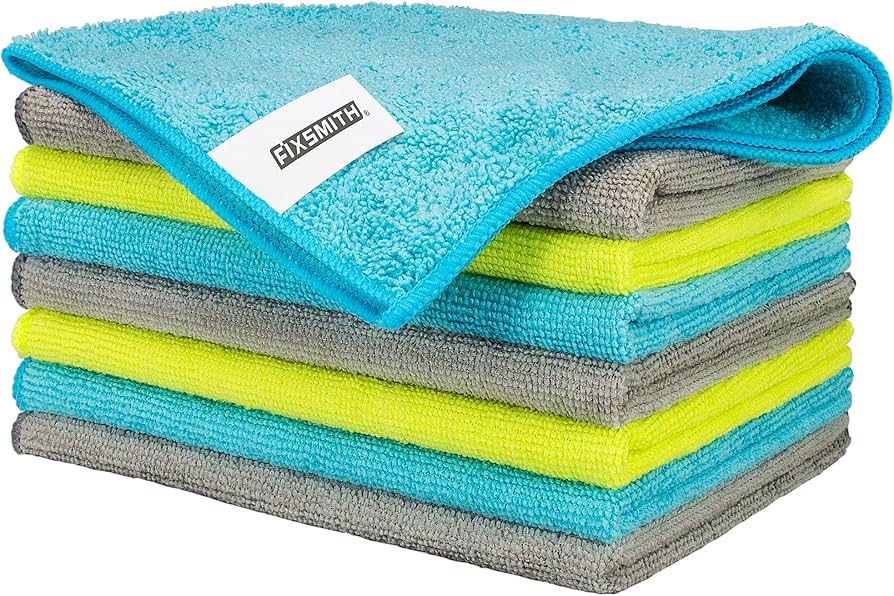
Microfiber Cleaning Cloth Set (lint-free)
Dry dusting and damp wiping for all puzzle materials.
$8 – $15
Microfiber Cleaning Cloth Set (lint-free) Gentle on all puzzle surfaces without scratching, and no lint left behind.
Get the App
Better experience on mobile
Learn safe, step-by-step methods to remove dust, stains, and grime from your 3D puzzle pieces while preserving their shape and color.
3D puzzles are delicate works of art that can collect dust, fingerprints, or even sticky residue over time. Cleaning them improperly—like soaking in water or scrubbing too hard—can warp cardboard, peel prints, or break foam pieces. This guide covers gentle methods for common materials (cardboard, plastic, foam) so you can restore your puzzle without ruining it. You’ll learn what tools to use, step-by-step cleaning techniques, and how to handle stubborn stains. Expect this process to take about 15–30 minutes for a standard puzzle.
Estimated Time: 15–30 minutes per puzzle (plus drying time) Difficulty: beginner
Identify what your 3D puzzle is made of: cardboard (most common), foam, or plastic. Look at the texture and edges. Cardboard feels slightly rough, foam is spongy, plastic is smooth and rigid. This determines which cleaning method is safe. Check manufacturer instructions if available – some puzzles have special coatings.
Why it matters: Using water on uncoated cardboard can cause swelling and warping. Plastic can withstand mild solvents but may scratch easily. Foam can disintegrate if soaked.
💡 Tips:
⚠️ Warnings:
Use a soft-bristled brush or a compressed air canister to gently remove dust, pet hair, and loose debris from all surfaces. Pay special attention to crevices and interlocking tabs. Brush in one direction to avoid pushing dirt deeper. If using compressed air, hold the can upright and use short bursts to prevent moisture spray.
Why it matters: Dry removal prevents wet cleaning from turning dust into mud, which can stain or scratch surfaces.
💡 Tips:
⚠️ Warnings:
For fingerprint smudges or light marks on cardboard: gently rub with a white vinyl eraser (like a standard pencil eraser) in one direction. For plastic: dampen a microfiber cloth with a tiny amount of mild soapy water (1 drop dish soap in 1 cup distilled water) – wring it out until barely damp – then wipe the area. For foam: use a dry or barely damp cloth; avoid any moisture if possible.
Why it matters: Erasing is the safest method for cardboard because it doesn’t introduce moisture. Plastic can handle gentle cleaning solutions, but excess water can seep into crevices and cause glue failure.
💡 Tips:
⚠️ Warnings:
If your puzzle has oily fingerprints or sticky spots (e.g., from adhesive):
Why it matters: Grease can permanently soak into cardboard fibers if left. Immediate treatment prevents spreading.
💡 Tips:
⚠️ Warnings:
After any wet cleaning, place pieces on a clean, dry microfiber cloth or a wire rack. Allow them to air dry completely (usually 1–2 hours) before reassembling or storing. Do not use a hair dryer or heater – heat can warp plastic and cardboard. Flip pieces halfway if needed.
Why it matters: Trapped moisture can cause mold, warping, or frizzing of cardboard edges. Full drying ensures pieces fit snugly again.
💡 Tips:
⚠️ Warnings:
If you need to disinfect (e.g., after a child handled the puzzle), mix 1 part white vinegar with 3 parts distilled water. Dampen a cloth with the solution, wipe plastic pieces, then immediately wipe with a dry cloth. Do this only for plastic puzzles. For cardboard or foam, sanitizing is not recommended as moisture will damage them.
Why it matters: Vinegar is a mild disinfectant that is safe for plastic but too acidic for paper-based materials.
💡 Tips:
⚠️ Warnings:
Once clean and dry, inspect each piece under good lighting. Look for any remaining stains, loose tabs, or lifted print. For loose tabs on cardboard, apply a tiny dab of white glue (like Elmer’s) and press together for 30 seconds. For plastic, use super glue sparingly. For foam, use craft foam glue. For faded print, you can color-match with acrylic paint and a fine brush.
Why it matters: Minor repairs extend the life of your puzzle and maintain its appearance. Early fixes prevent further damage during reassembly.
💡 Tips:
⚠️ Warnings:
Now that your puzzle is clean and dry, you can either reassemble it or store it for later. For storage, place pieces in a resealable plastic bag or a dedicated puzzle storage box. Keep in a cool, dry place away from direct sunlight to prevent fading. If you plan to display it, consider a display case or acrylic box to keep dust off.
Why it matters: Proper storage prevents the need for frequent cleaning and protects your puzzle from environmental damage.
💡 Tips:
⚠️ Warnings:
Problem: Pieces smell musty after cleaning.
Solution: Place pieces in a single layer on a baking sheet and let them air out in a well-ventilated room for a day. You can also lightly mist with a 1:1 vinegar-water solution (on plastic only) and dry again.
Problem: Color bleeding appears after wet cleaning.
Solution: Stop immediately – blot the area with a dry cloth to absorb moisture. Allow to dry completely. If color is permanently transferred, consider painting over the faded area with matching acrylic paint.
Problem: Piece tabs are loose or falling off.
Solution: Reattach using a small amount of appropriate adhesive (white glue for cardboard, super glue for plastic). Hold in place for 30 seconds and let cure for 24 hours. For repeated breakage, the piece may be weakened – consider reinforcing the back with a thin strip of clear tape.
Gentle on all puzzle surfaces without scratching, and no lint left behind.
Best for: Dry dusting and damp wiping for all puzzle materials.
Price Range: $8 – $15
Reaches into crevices without damaging printed artwork; ideal for cardboard and foam.
Best for: Removing dust from intricate 3D puzzle details.
Price Range: $6 – $12
Blows out dust from tight cracks and interlocking tabs without contact.
Best for: Cleaning gears, joints, and recessed areas on any puzzle material.
Price Range: $5 – $10
Removes smudges and light marks from cardboard without moisture or abrasion.
Best for: Cleaning fingerprints and gray marks from cardboard puzzle pieces.
Price Range: $2 – $5
Keeps pieces organized and dust-free between uses, reducing cleaning frequency.
Best for: Storing clean 3D puzzle pieces by section or layer.
Price Range: $15 – $30
Dry dusting and damp wiping for all puzzle materials.
Microfiber Cleaning Cloth Set (lint-free) Gentle on all puzzle surfaces without scratching, and no lint left behind.
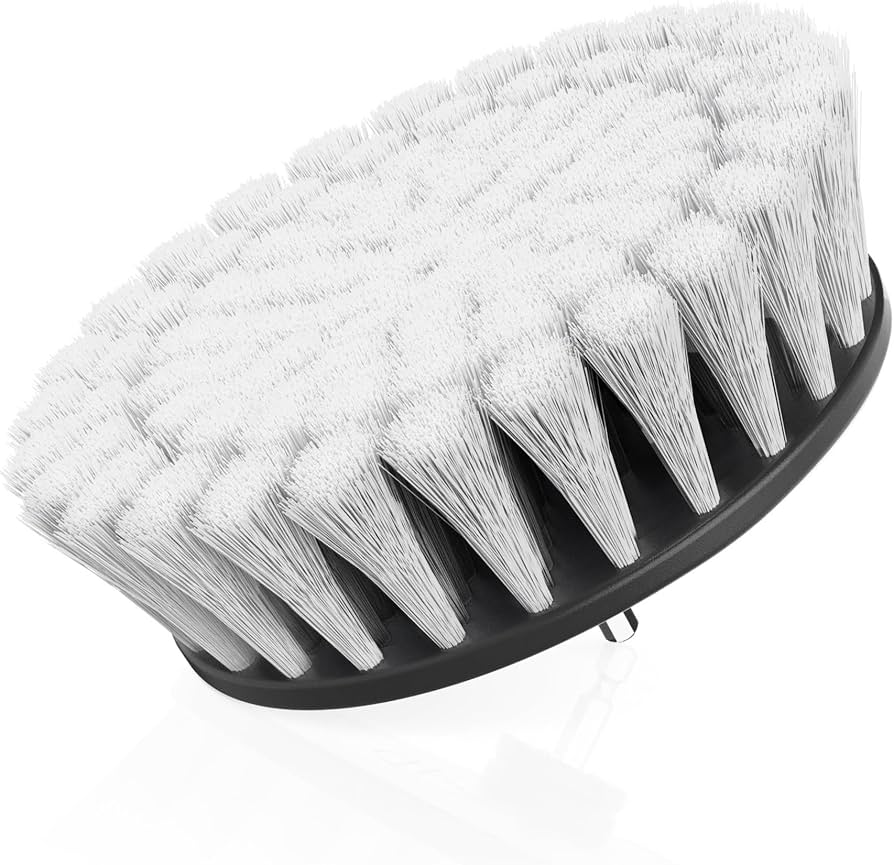
Removing dust from intricate 3D puzzle details.
Soft Bristle Brush Set (for delicate surfaces) Reaches into crevices without damaging printed artwork; ideal for cardboard and foam.
Cleaning gears, joints, and recessed areas on any puzzle material.
Compressed Air Duster Canister Blows out dust from tight cracks and interlocking tabs without contact.
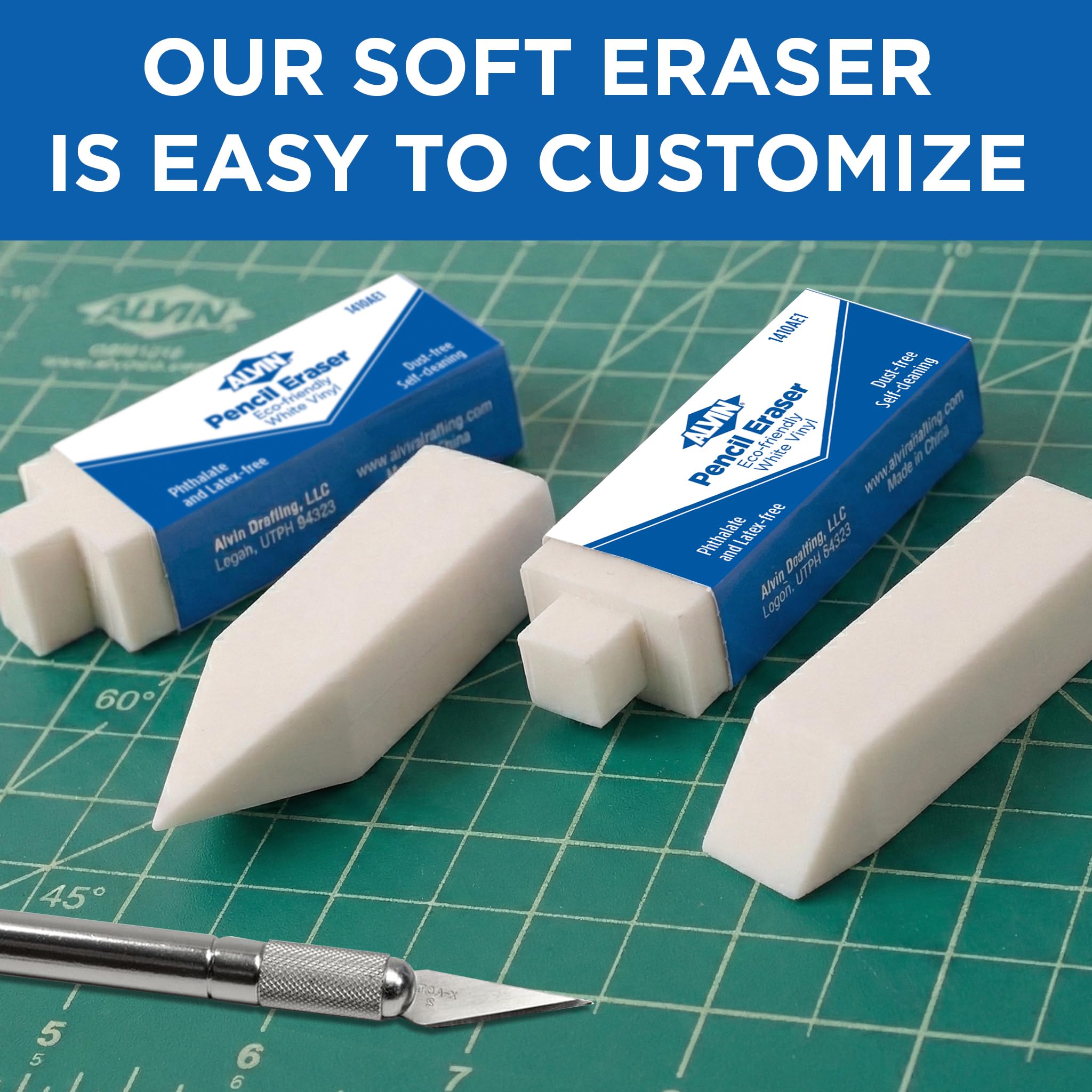
Cleaning fingerprints and gray marks from cardboard puzzle pieces.
White Vinyl Eraser (standard pencil eraser) Removes smudges and light marks from cardboard without moisture or abrasion.
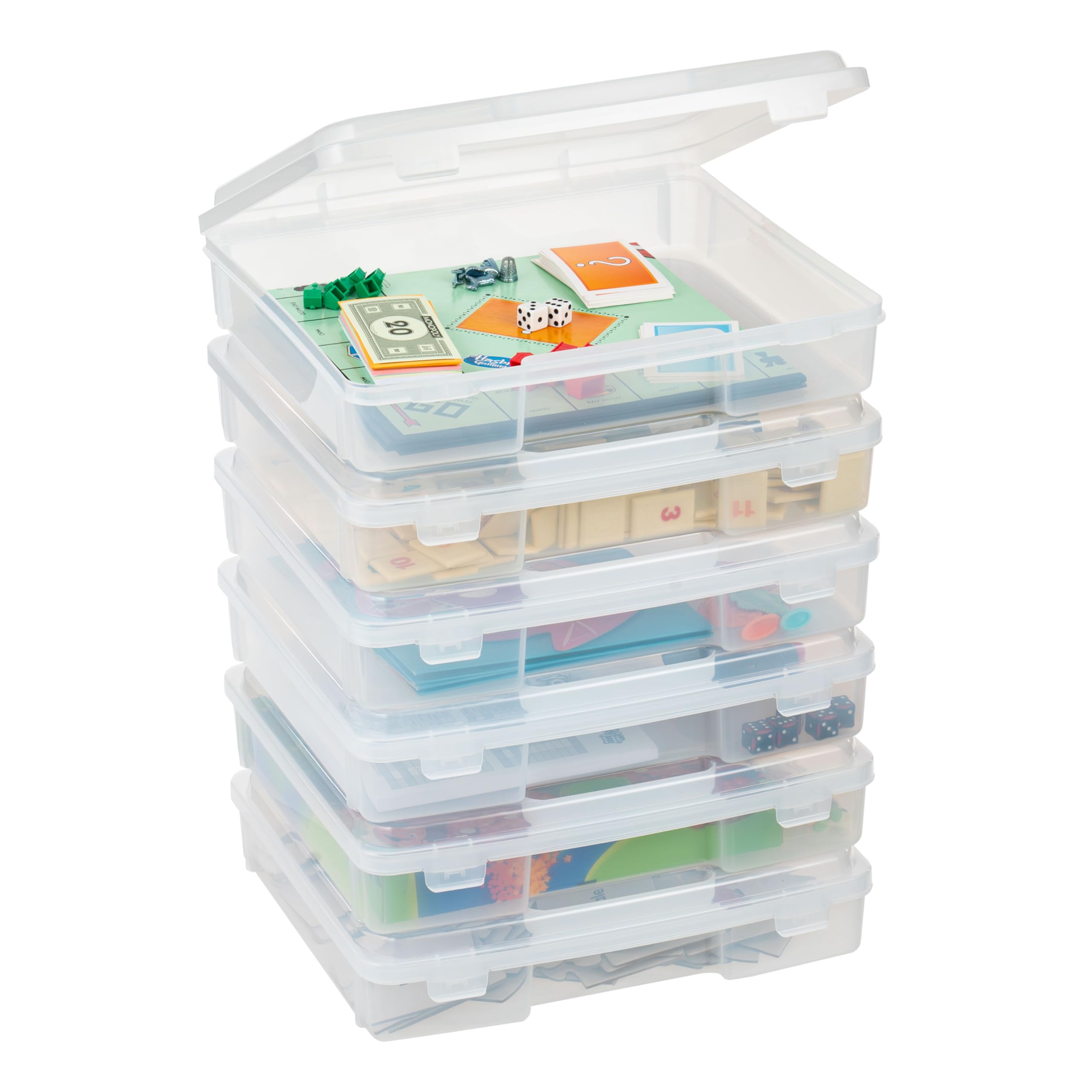
Storing clean 3D puzzle pieces by section or layer.
Puzzle Storage Box with Dividers Keeps pieces organized and dust-free between uses, reducing cleaning frequency.