
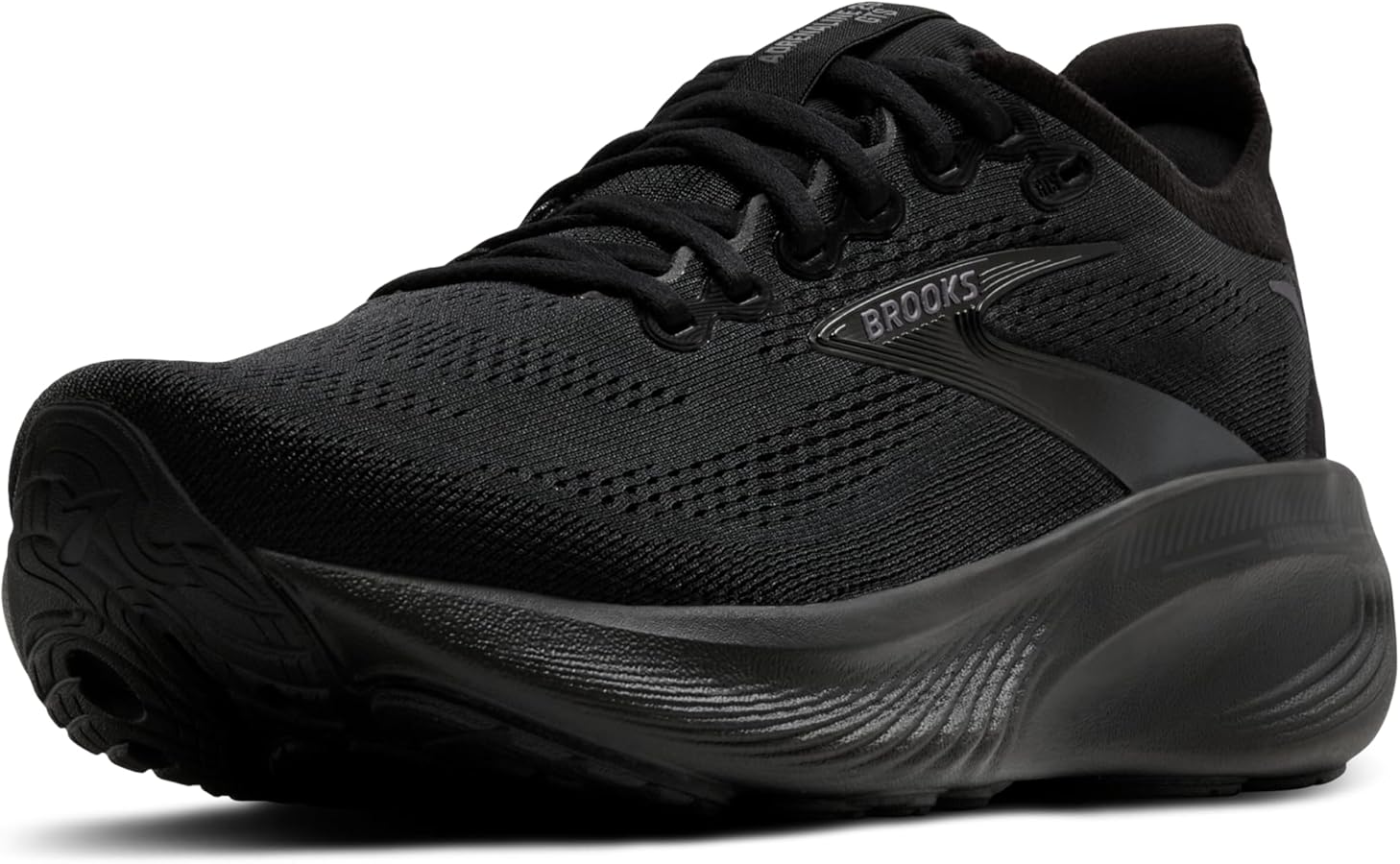
Brooks Adrenaline GTS 24
Daily training, long runs, road running
$140-$160
Brooks Adrenaline GTS 24 Gold standard stability shoe with GuideRails for mild to moderate overpronation. Widely praised by flat-footed runners.
Get the App
Better experience on mobile
Learn to identify key features and find the best stability shoes for flat feet in 2025.
If you have flat feet, you know the struggle: your ankles roll inward (overpronation), and running can lead to shin splints, plantar fasciitis, or knee pain. The right shoe can correct your gait and make running comfortable again. This guide will walk you through the process of selecting a stability or motion-control shoe that matches your foot type and running style. You'll learn what features matter, how to test shoes in-store, and get recommendations for top models. No fancy equipment needed—just your feet and a few minutes at a running store.
Estimated Time: 30-45 minutes (15 minutes to assess your feet, 15-30 minutes trying on shoes) Difficulty: intermediate
Even if you assume you have flat feet, it's good to confirm. Wet your foot and step onto a dark surface (paper bag, concrete). A footprint showing nearly the whole foot indicates flat feet. If you already know you have flat feet, skip this step. This baseline helps you communicate with sales staff and understand which shoe category (stability vs. neutral) you need.
💡 Tips:
Go to a store that offers free gait analysis. They'll have you run barefoot or in neutral shoes on a treadmill while filming your ankles and feet. The video will show if you overpronate (foot rolls inward), which is common with flat feet. This assessment is invaluable—it tells you exactly how much stability you need. Many stores also measure your foot size dynamically (static vs. dynamic size differs).
💡 Tips:
⚠️ Warnings:
For flat feet with overpronation, you need stability shoes (mild to moderate overpronation) or motion-control shoes (severe overpronation). These have a medial post or a guide rail system—a denser foam on the inside arch to prevent excessive rolling. Avoid neutral cushioned shoes; they lack support and can worsen pronation. Look for descriptions like 'stability' or 'support' on the box or label.
💡 Tips:
⚠️ Warnings:
Try on shoes at the end of the day when feet are slightly swollen. Leave a thumb-width of space (about half an inch) between your longest toe and the shoe's end. Your heel should not slip—use a 'heel lock' lacing technique if needed. Flat feet often require a wider toe box to allow toes to splay. Walk and jog in the store; the shoe should feel snug but not tight.
💡 Tips:
⚠️ Warnings:
Flat feet often benefit from a balance of cushion and responsiveness. Too soft a shoe can collapse under your arch; too firm can be harsh on joints. Run on the treadmill or around the block to feel the transition from heel to toe. Look for a smooth, guided ride that doesn't fight your natural stride. Many stability shoes now use dual-density foam or guidance systems like Brooks' GuideRails or ASICS' Dynamic DuoMax.
💡 Tips:
⚠️ Warnings:
Even the best stability shoe may not provide enough arch support for your flat feet. Over-the-counter orthotic insoles (like Superfeet or PowerStep) can add extra support. If you have custom orthotics, bring them to the store and test them inside the shoe. The shoe must have a removable insole; most running shoes do. Note that adding an orthotic may change the fit—you might need to go up half a size.
💡 Tips:
⚠️ Warnings:
After narrowing down a few models, read verified customer reviews on retailer sites and running forums. Pay attention to feedback from runners with flat feet about arch support, durability, and break-in time. Some top-rated stability shoes for flat feet in 2025 include: Brooks Adrenaline GTS 24, ASICS Kayano 30, Saucony Guide 17, and New Balance 860v13. Each has a slightly different feel; check if a local store carries them.
💡 Tips:
⚠️ Warnings:
Choose the shoe that felt best during the test run and fits well with or without orthotics. Purchase from a store with a generous return policy (many online retailers offer 90-day returns). Once you have the shoes, break them in gradually: start with short walks, then short runs (1-2 miles). Your feet and gait need time to adapt. If you experience unusual pain after 20-30 miles, consider a different model.
💡 Tips:
⚠️ Warnings:
Problem: My foot still rolls inward even in stability shoes.
Solution: You may need motion-control shoes (like Brooks Beast or ASICS Foundation) or custom orthotics. Revisit a gait analysis appointment.
Problem: The shoe feels tight on the arch or causes a burning sensation.
Solution: The medial post may be too aggressive. Try a lighter stability shoe (e.g., Saucony Guide instead of Brooks Adrenaline) or look for a shoe with a softer arch area.
Problem: I get blisters on the inside of my big toe.
Solution: Your shoe might be too narrow. Check your foot width and try a wide size. Also, ensure you're using the correct lacing technique (wide forefoot lock).
Problem: My heel lifts when I run.
Solution: This is heel slip. Try the heel lock lacing method (also called runner's loop). If that doesn't work, consider a shoe with a deeper heel cup or smaller size.
Gold standard stability shoe with GuideRails for mild to moderate overpronation. Widely praised by flat-footed runners.
Best for: Daily training, long runs, road running
Price Range: $140-$160
Premium stability shoe with 4D Guidance System. Excellent for moderate to severe overpronation and supportive underfoot feel.
Best for: Long-distance running, runners needing maximum support
Price Range: $160-$180
High-arch support insoles that fit well in most running shoes, providing extra arch support for flat feet.
Best for: Adding arch support to a stability shoe or neutral shoe with removable insole
Price Range: $45-$55
Lighter stability option with a flexible medial post, good for those who find Adrenaline too firm.
Best for: Daily training, runners who prefer a softer ride with stability
Price Range: $140-$150
Daily training, long runs, road running
Brooks Adrenaline GTS 24 Gold standard stability shoe with GuideRails for mild to moderate overpronation. Widely praised by flat-footed runners.
Long-distance running, runners needing maximum support
ASICS Kayano 30 Premium stability shoe with 4D Guidance System. Excellent for moderate to severe overpronation and supportive underfoot feel.
Adding arch support to a stability shoe or neutral shoe with removable insole
Superfeet Green Premium Insoles High-arch support insoles that fit well in most running shoes, providing extra arch support for flat feet.
Daily training, runners who prefer a softer ride with stability
Saucony Guide 17 Lighter stability option with a flexible medial post, good for those who find Adrenaline too firm.