Waking up to a disappointing cup of coffee can ruin your morning routine. Many beginners buy coffee makers based on price or hype, only to end up with a machine that doesn't match their needs—too big for the counter, brews weak coffee, or requires constant maintenance. This guide helps you avoid those regrets by walking you through a simple decision-making process.
You'll learn the key factors to consider, from brewing styles to features, so you can select a machine that delivers great coffee without hassle. Whether you're a solo sipper or brewing for a family, we'll cover everything step by step. Expect to spend 20-30 minutes reading and reflecting on your habits to make an informed choice—no expertise required.
By the end, you'll have a clear plan to find your ideal coffee maker, saving time, money, and frustration in the long run.
▸What You'll Need
- •A notebook or app to jot down your coffee habits (e.g., cups per day, preferred strength)
- •Your budget range (e.g., under $50 or $100+)
- •Kitchen measurements for space (optional but helpful)
- •Access to online reviews or retailer sites (prerequisite: basic internet browsing knowledge)
Estimated Time: 20-30 minutes to read and evaluate your options
Difficulty: beginner
▸Step-by-Step Instructions
Step 1: Assess Your Daily Coffee Needs
Start by evaluating how you drink coffee to ensure the machine aligns with your routine. Think about how many cups you make daily—solo morning joe or family batches? Consider your preferred brew style: hot drip, single-serve pods, or something fancy like espresso? This step matters because mismatched needs lead to underused features or frequent dissatisfaction.
For example, if you're always rushing out the door, a quick single-serve maker beats a slow French press. Jot down details like brew strength (mild or bold), add-ins (milk frothing?), and frequency (daily or occasional). Expect to spend 5 minutes here; it's the foundation for all decisions.
Pro tip: Track a week's worth of coffee habits if you're unsure—patterns will emerge quickly.
💡 Tips:
- •Prioritize speed if you're a busy parent or commuter.
- •Note if you entertain guests; larger capacity might be key.
⚠️ Warnings:
- •Don't overlook portability if your kitchen space is tight.
Step 2: Set a Realistic Budget
Decide how much you're willing to spend, as coffee makers range from $20 basic models to $300+ high-end ones. Factor in ongoing costs like pods, filters, or beans—cheap machines can get expensive with supplies. Budgeting early prevents impulse buys and ensures value for money.
Break it down: Under $50 for simple drip brewers, $50-150 for pod systems with convenience, and $150+ for espresso machines with advanced features. Why it matters: A $30 maker might save upfront but frustrate with poor performance, while investing $100 gets durability. Expect to research prices online during this step.
Use analogies: Think of it like buying shoes—budget options work for casual use, but premium ones last longer for daily wear.
💡 Tips:
- •Add 20% buffer for accessories like filters.
- •Look for sales on sites like Amazon during holidays.
⚠️ Warnings:
- •Avoid ultra-cheap no-name brands; they often break quickly.
Step 3: Understand the Main Types of Coffee Makers
Familiarize yourself with core types to match your needs. Drip coffee makers brew multiple cups via hot water over grounds—great for households, like a reliable office pot. Single-serve pod machines (e.g., Keurig) use pre-packaged pods for one cup at a time, ideal for variety without mess.
Espresso machines pull strong shots for lattes, suiting barista wannabes, while French press or pour-over emphasize manual control for flavor purists. Percolators and cold brew makers cater to specific tastes. This knowledge demystifies options; expect confusion if you skip it, as ads push trendy models.
Analogy: Drip is like a team player for groups, pods like fast food for solos, espresso like gourmet cooking. Spend time reading quick overviews online.
💡 Tips:
- •Start with drip if you're new; it's forgiving and versatile.
- •Pods save time but check eco-friendly options for sustainability.
⚠️ Warnings:
- •Espresso requires skill—don't buy if you want simplicity.
Step 4: Evaluate Capacity and Kitchen Fit
Measure your counter space and decide on brew volume. A 12-cup drip suits families, while 1-2 cup singles fit small apartments. Capacity affects convenience—overly large machines waste energy for singles.
Check dimensions: Most are 10-15 inches wide, but pod models are compact. Why it matters: A bulky machine crowds your kitchen, leading to resale regrets. Expect to measure now; visualize placement near outlets and sinks.
Tip: If space is premium, wall-mount or slim designs exist. Common issue: Forgetting height for cabinets.
💡 Tips:
- •Opt for removable reservoirs for easy filling in tight spaces.
- •Consider travel mugs compatibility for on-the-go users.
⚠️ Warnings:
- •Don't assume 'compact' means tiny—always check specs.
Step 5: Prioritize Key Features and Ease of Use
Look for essentials like programmable timers, auto-shutoff, and easy-clean parts. For beginners, user-friendly controls beat complex menus. Features enhance daily use: Warm plates keep coffee hot, strength settings customize taste.
Why focus here? Overloaded gadgets overwhelm novices, while bare-bones models bore. Expect to list must-haves (e.g., BPA-free) vs. nice-to-haves (app control). Analogy: Like a smartphone—basics for calls, extras for fun.
Research energy efficiency too; it saves bills long-term.
💡 Tips:
- •Choose models with dishwasher-safe parts for quick cleanup.
- •Test buttons in-store if possible for intuitive feel.
⚠️ Warnings:
- •Skip Wi-Fi if you won't use it—adds unnecessary cost.
Step 6: Read Reviews and Compare Options
Dive into user reviews on Amazon, Best Buy, or Consumer Reports for real insights. Focus on reliability, taste quality, and longevity—ignore promo fluff. Compare 3-5 models side-by-side using spec sheets.
This step uncovers hidden issues like leaks or weak brews. Why vital: Ads lie; users tell truth. Expect 10 minutes scanning 20+ reviews per model. Use filters for 'verified purchase'.
Analogy: Like job interviews—reviews are references.
💡 Tips:
- •Search for 'long-term review' to see durability.
- •Cross-check multiple sites for balanced views.
⚠️ Warnings:
- •Beware fake reviews; look for detailed, photo-backed ones.
Step 7: Make Your Final Decision and Purchase
Weigh pros/cons from prior steps and buy from trusted retailers with returns. Check warranties (1-2 years standard) for peace of mind. Finalize based on needs—e.g., budget drip for basics.
Why last? Builds confidence after research. Expect quick online checkout or in-store pickup. Post-purchase, register for support.
Celebrate: Your new maker should brew joy, not stress.
💡 Tips:
- •Buy during sales for 20-30% off.
- •Opt for bundles with filters to save initially.
⚠️ Warnings:
- •Read return policies—test brew ASAP.
▸Pro Tips
- •Test water quality first; hard water shortens machine life—use filters if needed.
- •Prioritize stainless steel over plastic for better taste and durability.
- •Join coffee forums for user tips on specific models.
- •Consider energy star ratings to cut electricity costs.
- •Start with reusable filters to reduce waste and expense.
- •Measure brew time in reviews; aim for 4-6 minutes for optimal extraction.
- •If undecided, borrow a friend's to try before buying.
▸Common Mistakes to Avoid
- •Ignoring space constraints, leading to a machine that doesn't fit—measure twice.
- •Focusing only on price, buying cheap junk that breaks in months—balance cost with quality.
- •Overlooking maintenance needs, like pod subscriptions that lock you in—choose flexible options.
- •Skipping reviews, missing common flaws like uneven brewing—always verify user experiences.
- •Buying for trends (e.g., smart features) without need, adding complexity for beginners.
▸Troubleshooting
Problem: Overwhelmed by too many options
Solution: Narrow to 2-3 types based on needs, then compare specs on a spreadsheet.
Problem: Unsure about brew taste without trying
Solution: Visit stores for demos or buy from return-friendly sellers like Amazon.
Problem: Budget overruns from hidden costs
Solution: Calculate annual supplies (e.g., $100/year for pods) and add to total.
Problem: Machine arrives damaged
Solution: Inspect immediately and use retailer's return process; contact manufacturer if needed.
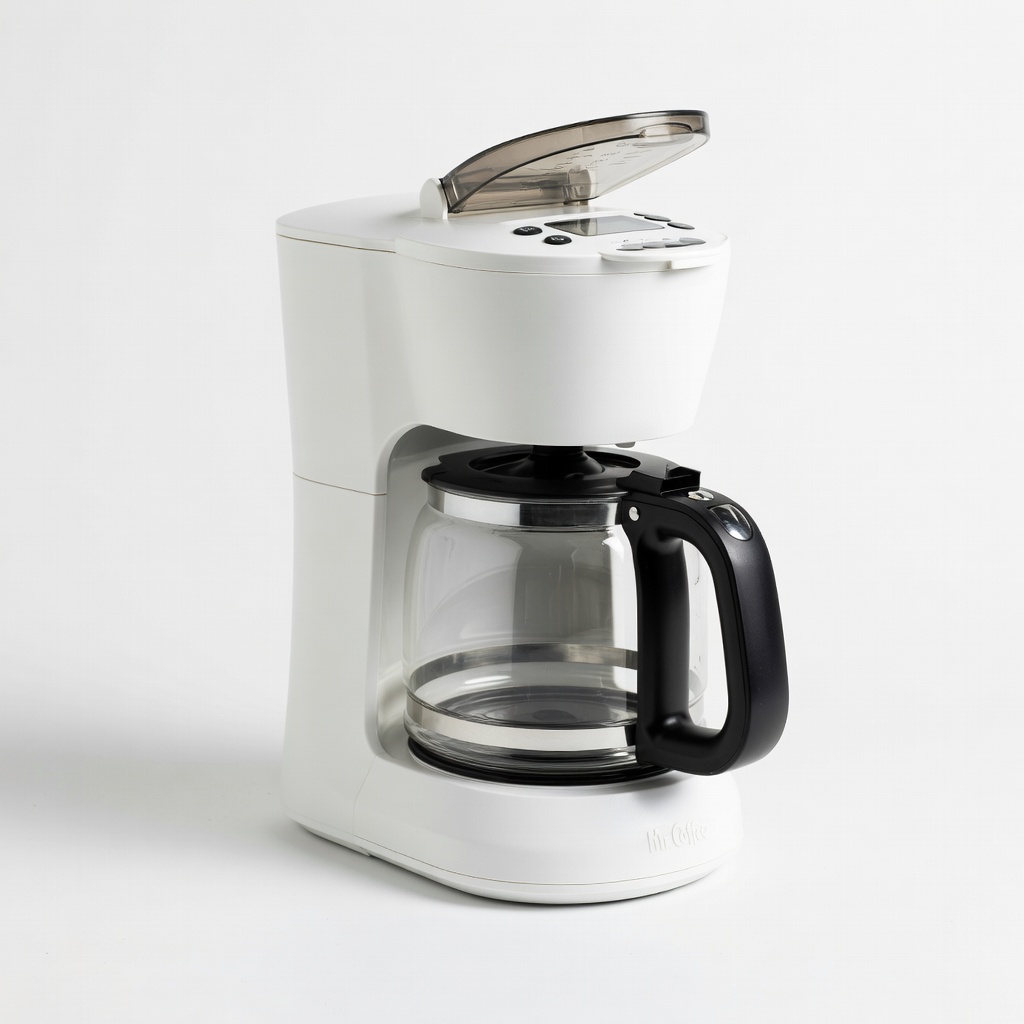
Mr. Coffee 12-Cup Coffee Maker
Affordable, simple drip brewer perfect for beginners wanting reliable family-sized batches without bells and whistles.
Best for: Daily household use on a tight budget; brews up to 12 cups quickly.
Price Range: $25-$35
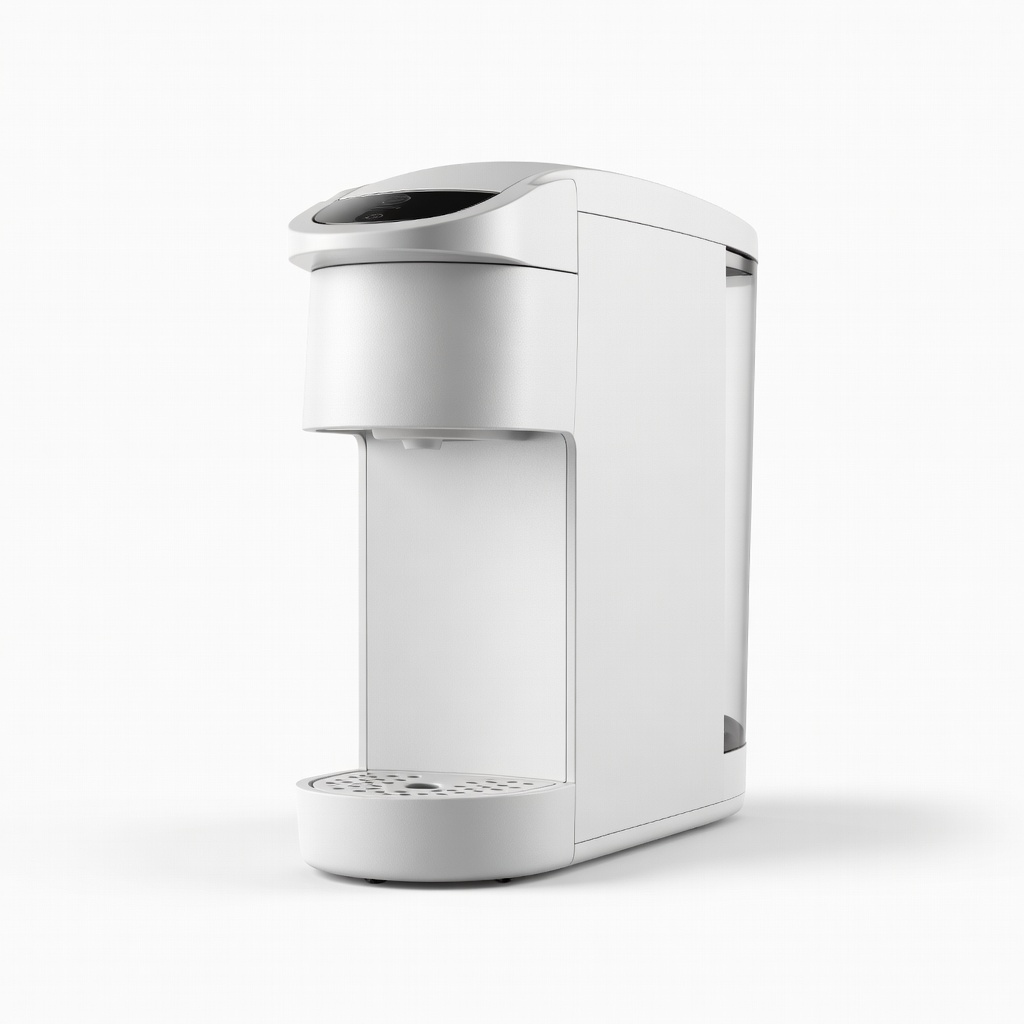
Keurig K-Mini Single Serve Coffee Maker
Compact and user-friendly pod system for one-touch brewing, ideal for small spaces and solo users.
Best for: Quick morning cups in apartments; supports various pod flavors.
Price Range: $70-$90
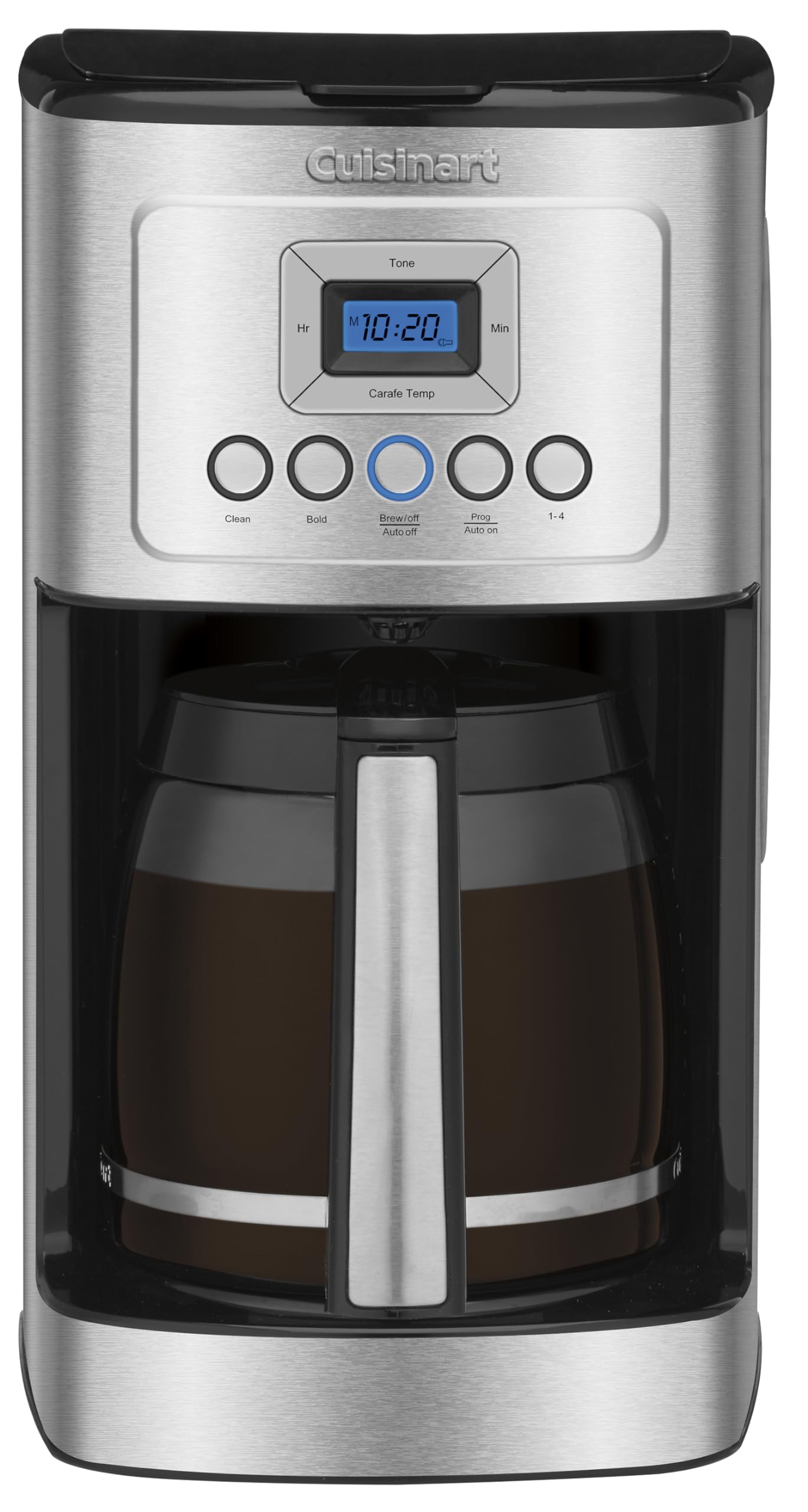
Cuisinart DCC-3200 PerfecTemp 14-Cup Coffee Maker
Offers advanced temperature control and easy-clean features for consistent, hot brews in mid-range pricing.
Best for: Home offices or small families needing programmable options.
Price Range: $90-$110
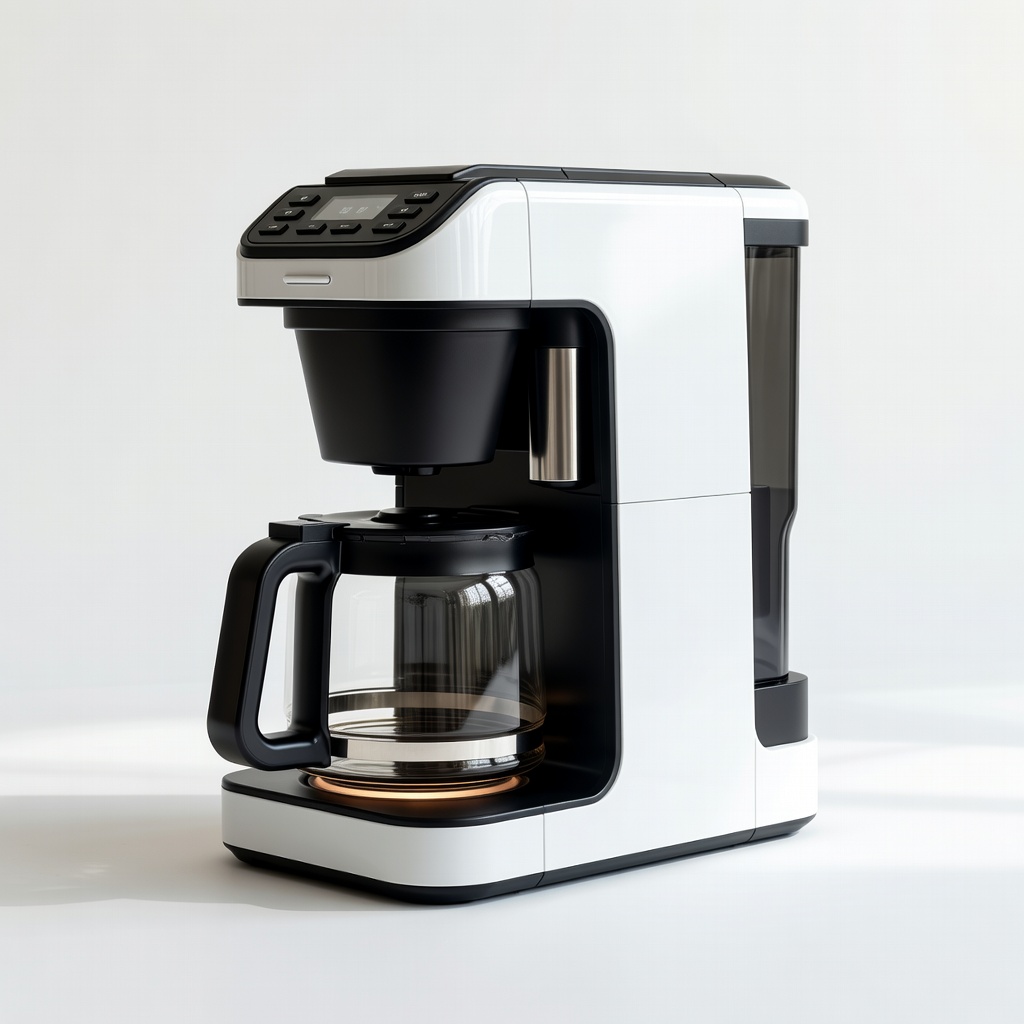
Ninja Dual Brew Pro Specialty Coffee System
Versatile for classic and pod brewing, with strong performance and multi-sizes for experimenting.
Best for: Users wanting flexibility between drip and single-serve without multiple machines.
Price Range: $150-$200
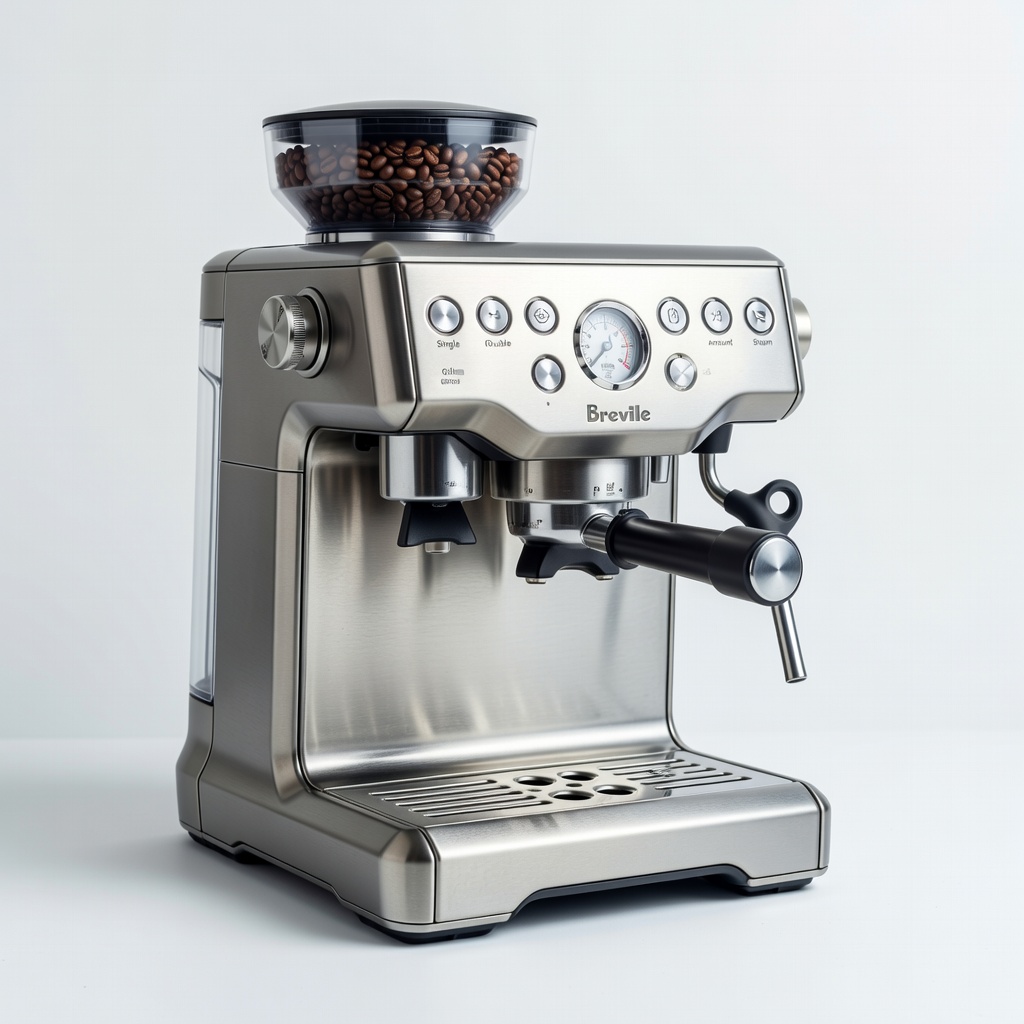
Breville Barista Express Espresso Machine
Built-in grinder and easy controls for home espresso without pro skills; durable for enthusiasts.
Best for: Lattes and cappuccinos for coffee lovers stepping up from basics.
Price Range: $500-$600