Have you ever brewed a cup of coffee that tasted bitter, sour, or just flat — even though you used good beans? The problem might not be your technique or your water; it's likely your grind size. Choosing the right coffee grind size is the single most important variable you can control to improve your coffee. It directly affects how quickly water extracts flavors from the beans. Too fine, and you'll over-extract, causing bitterness. Too coarse, and you'll under-extract, leaving you with sour, weak coffee.
In this guide, you'll learn the fundamentals of grind size, how to match it to your brew method, and how to fine-tune by taste. We'll break down the grind spectrum—from extra-fine to extra-coarse—and give you practical starting points for pour-over, French press, espresso, and more. You'll also discover common mistakes to avoid and how to troubleshoot your brew like a pro.
▸What You'll Need
- •A decent coffee grinder (burr grinder strongly recommended)
- •Whole bean coffee (freshly roasted)
- •A digital scale (0.1g precision)
- •Your chosen brewing equipment (e.g., drip machine, French press, pour-over, espresso machine, AeroPress)
- •Filtered or good-tasting water
- •A timer (phone timer works fine)
- •A cup or tasting mug
Estimated Time: 15-20 minutes to read and apply
Difficulty: intermediate
▸Step-by-Step Instructions
Step 1: Understand Why Grind Size Matters
Coffee extraction is the process of dissolving the desirable compounds from ground coffee into water. The size of the grind determines the surface area exposed to water. Finer grinds have more surface area, so water extracts quickly; coarser grinds have less surface area, so extraction is slower. If you use the wrong grind size, your water will either pull too much (over-extraction) or too little (under-extraction) from the beans.
Over-extraction leads to bitter, harsh, and sometimes metallic flavors. Under-extraction results in sour, salty, or watery coffee. The goal is to find the sweet spot—the grind size that delivers balanced, sweet, and aromatic coffee.
Why does this matter for you? Once you understand this relationship, you can intentionally adjust your grind to fix any brewing problems. If your coffee tastes weak and sour, grind finer. If it's sharp and bitter, grind coarser. This is the foundation of brew-based troubleshooting.
💡 Tips:
- •Think of grind size as the speed dial for extraction: fine = fast, coarse = slow.
- •Always use the same amount of coffee and water when comparing grinds, so the only variable is grind size.
⚠️ Warnings:
- •Don't judge bitterness or sourness on the first sip—let the coffee cool slightly to reveal more flavor.
Step 2: Learn the Grind Size Spectrum
Coffee grind sizes are typically categorized from extra-fine to extra-coarse. Here's a quick reference:
- •Extra-fine (powder-like): Turkish coffee, espresso (sometimes called 'powdery').
- •Fine (table salt): Moka pot, some espresso with special baskets, AeroPress with short brew times.
- •Medium-fine (sandy): Cone-shaped pour-over (e.g., V60), AeroPress with longer steep, many drip machines.
- •Medium (kosher salt): Flat-bottom pour-over (e.g., Kalita Wave), most automatic drip coffee makers.
- •Medium-coarse (beach sand): Chemex, vacuum pot, some manual drip makers.
- •Coarse (cracked peppercorn): French press, cold brew.
- •Extra-coarse (rock salt): Cold brew, cowboy coffee.
This spectrum gives you a starting point, but the exact dial setting on your grinder will vary depending on the brand and model. You'll need to calibrate by taste.
💡 Tips:
- •Print out or bookmark a grind size chart and keep it near your grinder.
- •If you have a grinder with labeled numbers, write down which setting corresponds to which grind style.
⚠️ Warnings:
- •Visual cues can be misleading—different burr sets produce different particle distributions for the same 'look'.
Step 3: Match Grind Size to Brew Time
The key principle is simple: the faster the water passes through the coffee, the coarser the grind should be. Slow methods, cold water, and long steeps require a coarser grind to avoid over-extraction. Fast methods and hot, high-pressure water need a fine grind to extract enough flavor within a short contact time.
Use this as a starting guide:
- •Espresso (20–30 seconds): Fine, like table salt.
- •Pour-over (3–4 minutes): Medium-fine to medium (sand to kosher salt).
- •Drip coffee (4–6 minutes): Medium (kosher salt).
- •French press (4 minutes steep): Coarse (cracked pepper).
- •Cold brew (12–24 hours): Extra-coarse (rock salt).
Keep this relationship in mind: if you change your brew method, you must change your grind size. Using a French press grind in an espresso machine will give you sour, weak, nearly watery shots because the water rushes through too quickly. The opposite—a fine espresso grind in a French press—produces a gritty, bitter, heavy cup.
💡 Tips:
- •Write the recommended grind size on a sticky note and attach it to each of your brewing devices.
- •For AeroPress, you can use anywhere from medium-fine to fine depending on brew time, so experiment with short verss long recipes.
⚠️ Warnings:
- •Cold brew is a special case: even though it has a long steep time, the cold water extracts slowly, so you need a coarse grind, not a fine one.
Step 4: Understand Your Brew Method's Ideal Range
Each brewing device is designed to work with a specific grind range. Let's go through the most common ones:
- •Espresso: Espresso makers use high pressure (9 bars) and a short contact time. You'll need a fine, powder-like grind. If your shots run too fast (gush out), grind finer. If they drip slowly, grind coarser.
- •Moka Pot: A fine grind, just slightly coarser than espresso. The porous metal filter tolerates this well.
- •Pour-Over (e.g., Hario V60, Kalita Wave): V60 typically uses a medium-fine grind, while Kalita (flat-bottom) works well with a medium grind. The brew time directly correlates with the grind—adjust to hit that 3-to-4-minute target.
- •Automatic Drip: Medium grind, similar to kosher salt. Check the basket after brewing—you want a slightly puckered bed, not a muddy puddle or a powdery crater.
- •French Press: Coarse grind, like breadcrumbs or cracked pepper. This prevents the metal screen from letting grounds through and avoids over-extraction during the 4-minute steep.
- •Cold Brew: Extra-coarse. The long steep time means you want maximum water clarity and a smooth, low-acidity profile.
The best approach is to start with a known-good grind size and then adjust based on taste. Don't be afraid to make a few tester cups.
💡 Tips:
- •Look up a grind size chart from your grinder manufacturer—many have specific recommendations per brew method.
- •When in doubt, err toward coarser: it's easier to fix a under-extracted cup by grinding finer than to rescue an over-extracted one.
⚠️ Warnings:
- •If you switch between espresso and drip coffee, you'll need to adjust your grinder settings significantly. For espresso, grind finer; for drip, set it coarser.
Step 5: Dial In by Taste (The Best Way)
Once you have a starting grind size, taste the coffee after brewing. If your first cup is bitter and dry, it's likely over-extracted. Grind coarser on your next attempt. If it's sour and thin, it's under-extracted, so grind finer. Make small adjustments—maybe one or two clicks on a quality grinder—and brew again.
Keep a notebook or a notes app to track what you did. Write down the bean origin, roast level, grind setting, water temperature, brew time, and how it tasted. This will help you dial in faster each time you get new beans.
Remember that many variables affect extraction: water temperature, coffee dose, brew time, and even the filter. To make grind size your only variable, keep everything else constant. For a standard pour-over, try using 1 gram of coffee for every 16 grams of water, water at 200°F (93°C), and a brew time of 3:30. Adjust only the grind size until it tastes balanced.
💡 Tips:
- •Cupping a coffee (steeping grounds directly in water) is a great way to taste the intrinsic flavor of the bean without brew complications.
- •If coffee tastes both bitter and sour at once, you might have a mixed-extraction issue—try a more uniform grind or adjust your water temperature.
⚠️ Warnings:
- •Changing too many variables at once makes it impossible to know what caused the improvement.
Step 6: Adjust for Your Grinder and Filter
No two grinders produce identical particles. Even two burr grinders of the same model may differ due to calibration or factory variations. Additionally, filters—paper, metal, or cloth—affect how much sediment ends up in your cup, which changes the mouthfeel and extraction.
Paper filters tend to give a cleaner cup and can allow you to grind finer without over-extracting, because much of the fine sediment is captured. Metal or cloth filters let more fine particles through, so you'll want a slightly coarser grind to avoid a muddy, bitter brew.
Invest in a quality burr grinder if possible. Blade grinders chop beans unevenly, producing a mix of powder and chunks that can't be 'dialed in.' With a burr grinder, you can set a specific grind size and trust it to remain consistent throughout your grind.
💡 Tips:
- •Clean your grinder regularly and consider 'seasoning' new burrs with a few handfuls of beans before relying on the setting.
- •If you have a grind distribution issue, try sifting out the fines for ultra-clear pour-over coffee (though this can be wasteful).
⚠️ Warnings:
- •Don't ignore the burrs: as they dull, grind size can drift and you'll need to adjust your settings over time.
Step 7: Keep Your Grind Consistent
Consistency is key to repeatable good coffee. Before each brew, grind only the amount you need—ideally immediately before brewing. Pre-ground coffee loses flavor quickly and the grind size often isn't ideal for your method. If you're serious about coffee, a burr grinder with adjustable settings is a worthwhile investment.
Weigh your beans before grinding to ensure an accurate dose. The grind setting alone won't guarantee a perfect cup if your coffee-to-water ratio is off. Most brew methods use a ratio between 1:15 and 1:17 (coffee to water) by weight.
When you dial in a great cup, write down those exact numbers. That way, you can repeat your success. If the coffee changes over time (e.g., as beans age), you may need to nudge the grind a bit finer to compensate for reduced freshness.
💡 Tips:
- •Grind only what you need: whole beans stay fresh for weeks, while ground beans lose aroma within minutes.
- •Use a dosing funnel or RDT (Rossing droplets technique) to eliminate static and keep your grinder clean.
⚠️ Warnings:
- •Don't rely on pre-ground coffee if you want precise control—grind size is set by a manufacturer, not your brew recipe.
Step 8: Practice and Experiment
Choosing the right grind size is not a one-time decision; it's an ongoing skill. Coffee beans vary by origin, roast, and freshness, so the ideal grind for a light-roast Ethiopian coffee in a pour-over will be different from a dark Brazilian espresso blend. Train your palate to recognize the differences between sour, bitter, and sweet.
Try this experiment: brew two cups of pour-over coffee using the same beans, water, and ratio, but with a medium-fine grind for one and a medium-coarse for the other. Taste them side by side. You'll instantly notice the impact of grind size. Do the same with a French press or a drip machine.
As you practice, you'll develop intuition: you'll know your grinder settings by feel and will quickly adjust between methods. You might even notice that your ideal grind changes as the weather changes (humidity affects grounds). Enjoy the journey—it's what makes specialty coffee so rewarding.
💡 Tips:
- •Keep a coffee journal to record experiments; you'll learn faster and avoid repeating mistakes.
- •Join an online coffee community (e.g., r/Coffee) to see what grind sizes others use for specific beans and brewers.
⚠️ Warnings:
- •Don't get stuck on a 'perfect' grind size—be open to adjusting based on your taste preferences and the beans you have.
▸Pro Tips
- •Buy whole beans and grind them right before brewing—grind size matters most when the coffee is fresh.
- •Use a burr grinder instead of a blade grinder for a uniform grind; blade grinders create a mess of fine and coarse particles.
- •Start with a simple brew ratio of 1:16 (coffee to water) and adjust only the grind size until it tastes balanced.
- •Keep a brew log to record your grind setting, dose, water temperature, and taste notes.
- •Use high-quality, filtered water—the flavor of your coffee is up to 98% water.
- •if your coffee tastes too bitter, grind coarser; if it's too sour, grind finer. This single rule fixes 90% of brew problems.
- •Calibrate your grinder occasionally: some grinders allow you to adjust the zero point to ensure consistent results over time.
- •If you're switching brew methods, always re-dial in your grind. Even a switch from paper to metal filters can require a coarser grind.
▸Common Mistakes to Avoid
- •Using pre-ground coffee: you can't control the grind size and it quickly becomes stale.
- •Grinding too fine for your method: results in over-extraction and bitter coffee.
- •Grinding too coarse for espresso: water rushes through, producing a sour, thin shot.
- •Not adjusting for different beans: a light roast may need a finer grind than a dark roast for the same brew method.
- •Using a blade grinder to save money: inconsistent particles lead to a mix of over-extracted and under-extracted char.
▸Troubleshooting
Problem: My pour-over kept stalling and the coffee tastes bitter.
Solution: Your grind is too fine, causing the coffee bed to clog. Grind coarser and check your water temperature (should be around 195-205°F).
Problem: My French press coffee is gritty and sludgy.
Solution: You're likely grinding too fine. A coarse grind is essential for French press; make sure you're not using a pour-over grind.
Problem: My espresso pours in 5 seconds and tastes sour.
Solution: The grind is too coarse. Grind finer until the shot takes about 25-30 seconds to extract. Also check your dose and tamp pressure.
Problem: My cold brew tastes watery and weak.
Solution: Even with a coarse grind, you might need a longer steep time (18-24 hours) or a higher coffee-to-water ratio (e.g., 1:5 instead of 1:8).
Problem: I get mixed results between brews with the same grind setting.
Solution: The grind setting may be drifting if your grinder is dirty or if you're using different beans with different moisture levels. Clean your grinder and ensure you weigh your dose accurately.
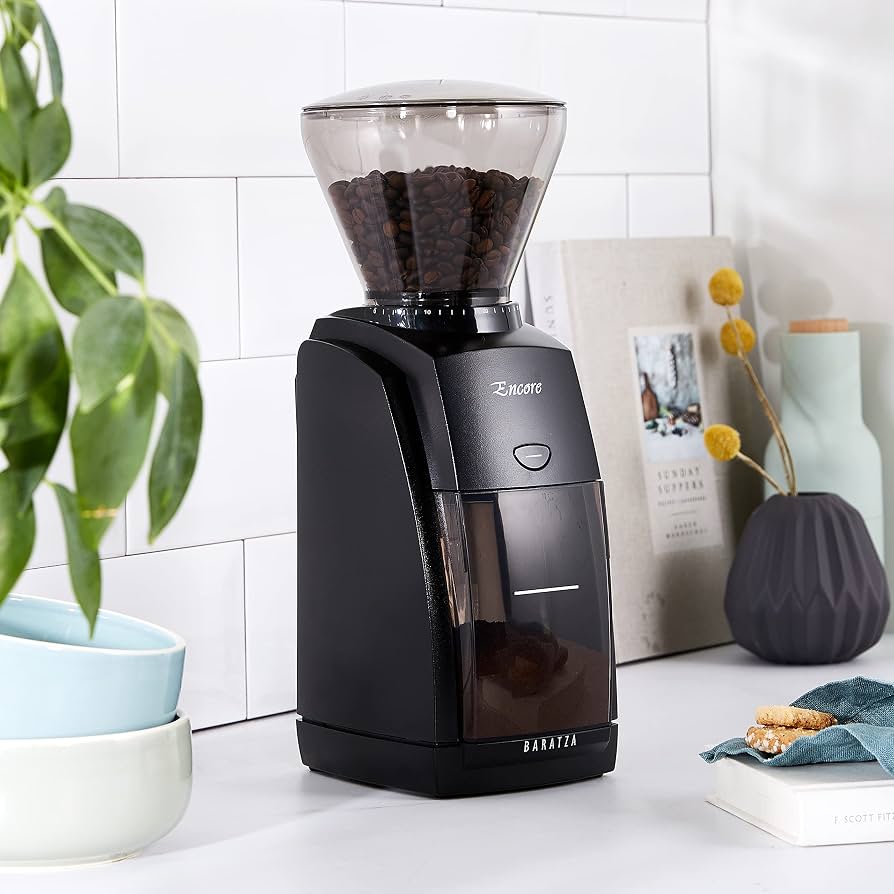
Baratza Encore Burr Grinder
The go-to entry burr grinder for home brewer. It has 40 grind settings and is specifically praised for consistent particle size across the medium range, making it perfect for drip and pour-over.
Best for: Ideal for beginners transitioning from blade grinders who want reliable, repeatable grinds for all non-espresso methods.
Price Range: $150 - $180
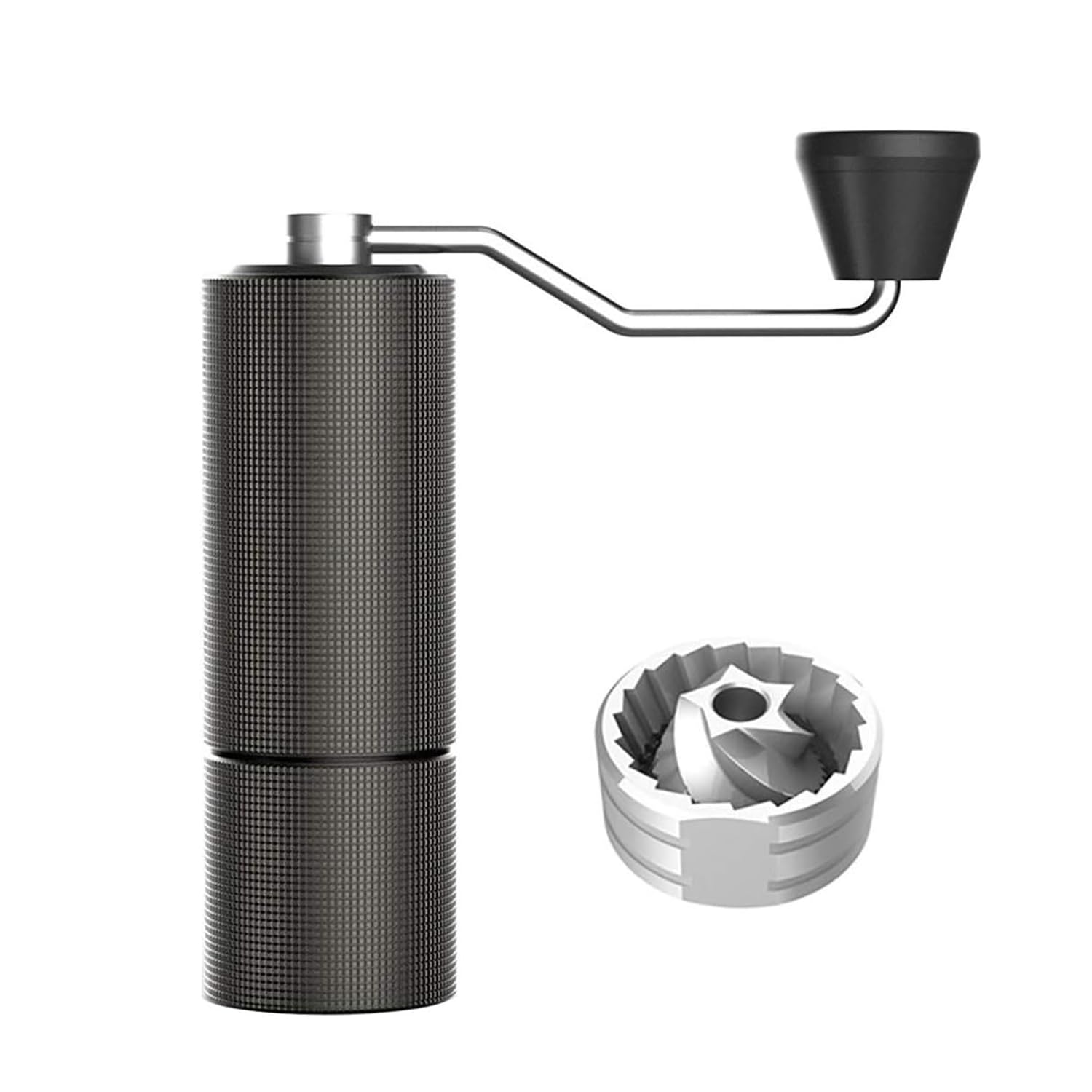
Timemore C2 Manual Burr Grinder
An affordable hand grinder that offers excellent grind consistency for the price. It features a stainless steel burr set and a lightweight design.
Best for: Great for travel, camping, or for those on a budget who still want to dial in their grind size for pour-over or AeroPress.
Price Range: $50 - $70
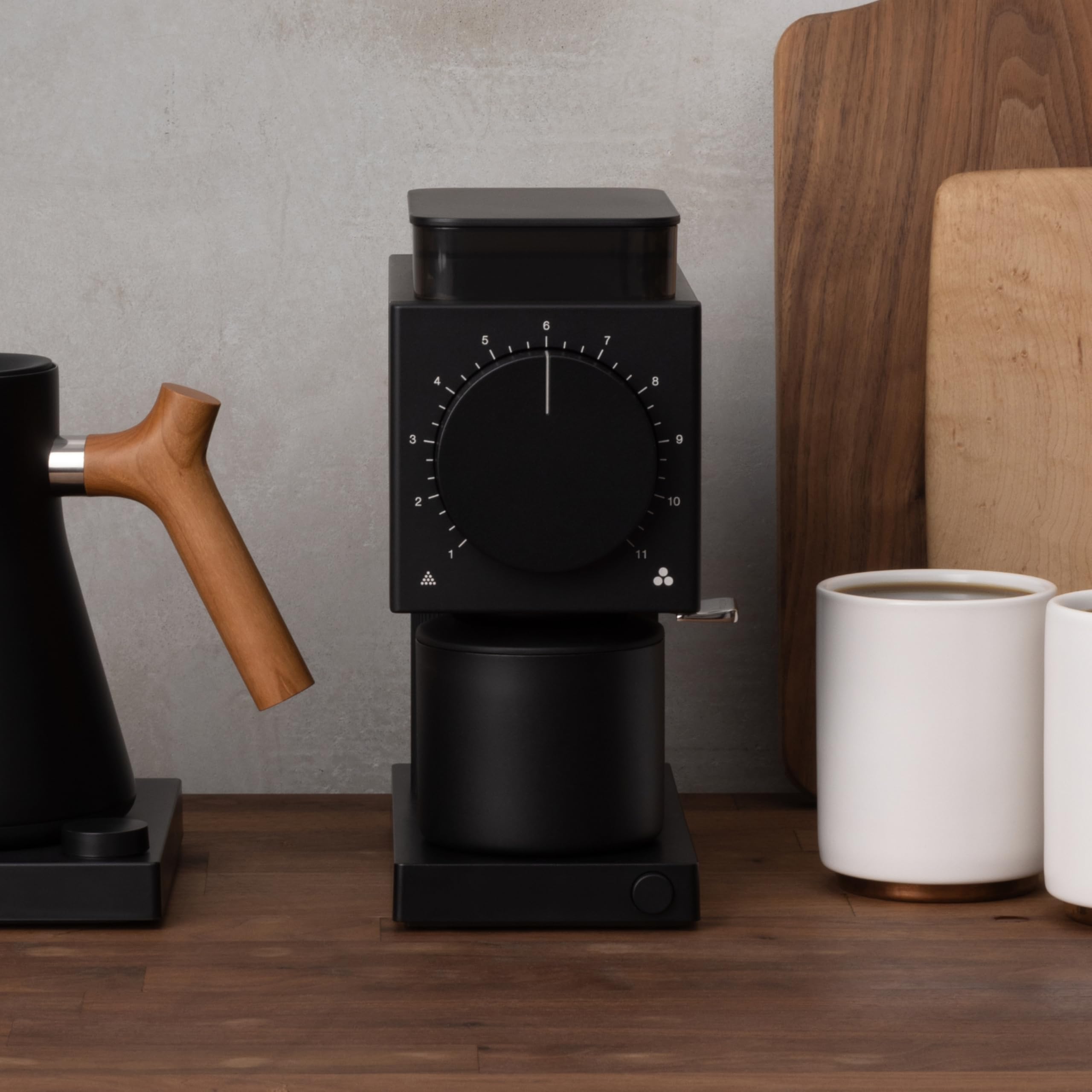
Fellow Ode Electric Burr Grinder
A premium grinder designed specifically for drip and pour-over. It has a sleek design, flat burrs, and a very uniform grind profile—loved by specialty coffee enthusiasts.
Best for: If you primarily brew filter coffee and want the absolute best consistency and aesthetic appeal without needing espresso capability.
Price Range: $200 - $300
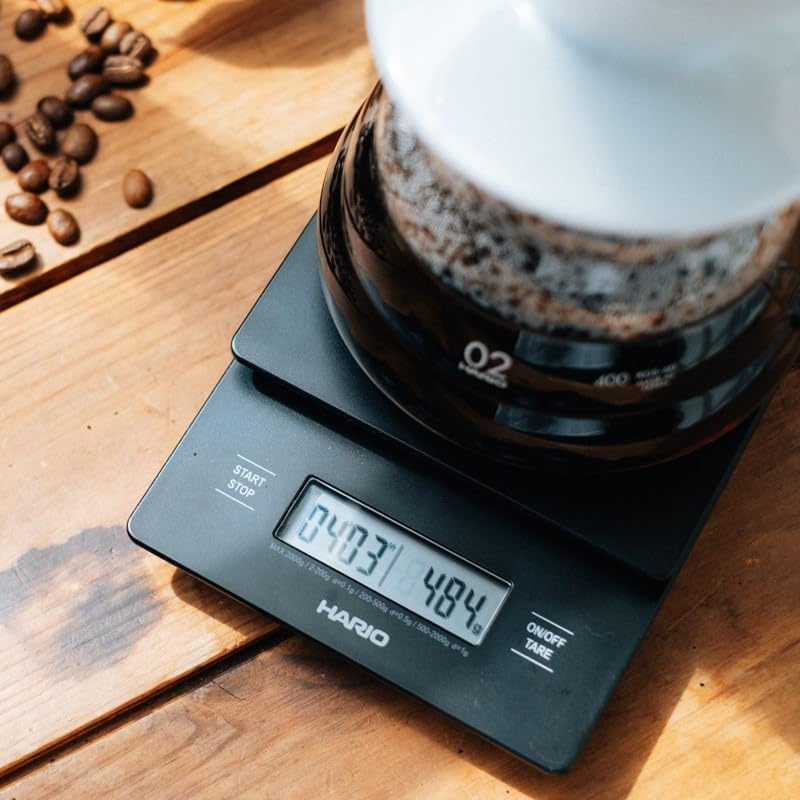
Hario V60 Drip Coffee Scale
A digital scale with a built-in timer, essential for accurately measuring coffee and water and tracking brew time—key for testing grind size adjustments.
Best for: Use this to weigh your beans (dose) and water (weight) while also timing your pour-over or French press steep.
Price Range: $30 - $50
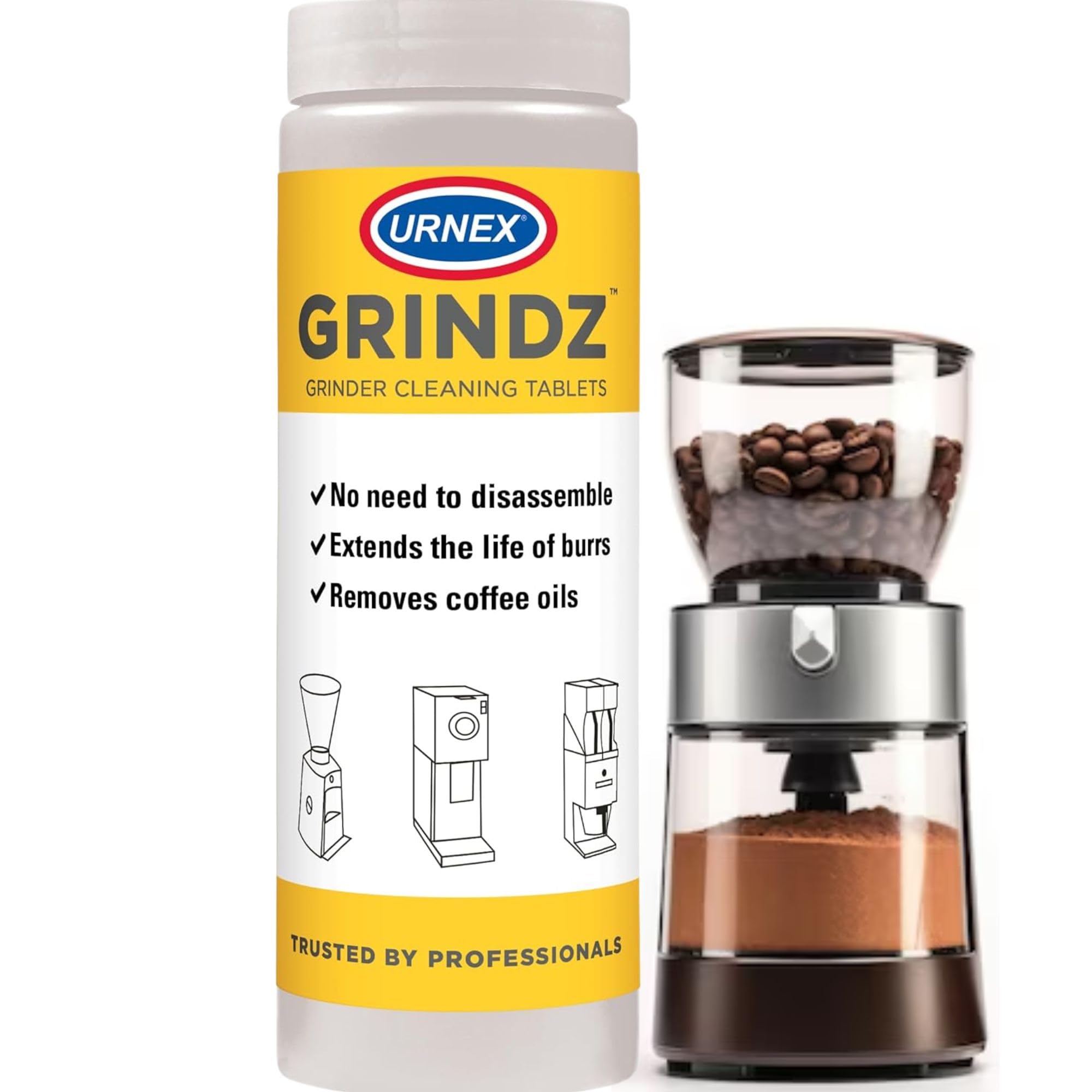
Grindz Grinder Cleaner
Cleaning your grinder is important because stale coffee oils and particles affect the consistency of your grind size and flavor.
Best for: Use it weekly or monthly to purge old grounds from the burrs, ensuring your grinder performs at its best.
Price Range: $10 - $15