
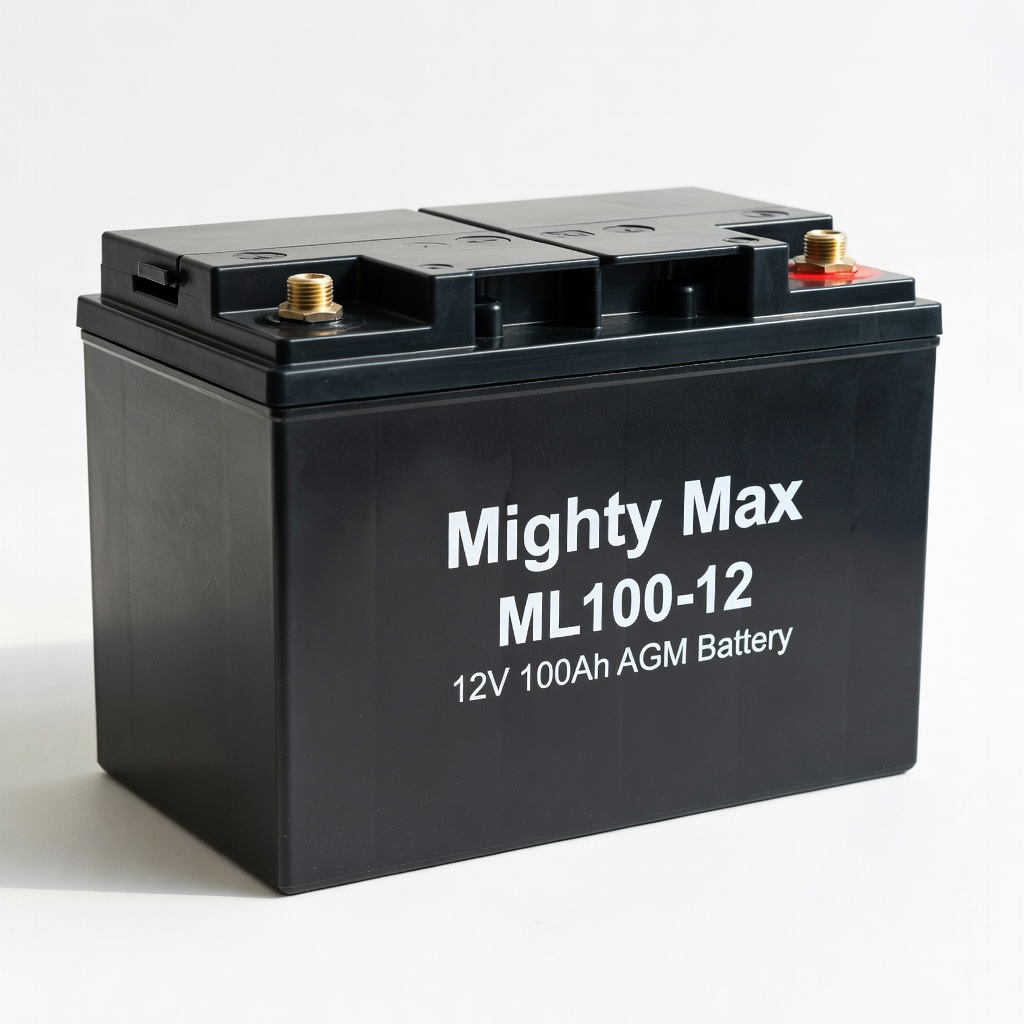
Mighty Max ML100-12 12V 100Ah AGM Battery
Small solar setups (100-200W panels), budget under $200.
$179.99
Mighty Max ML100-12 12V 100Ah AGM Battery Affordable, sealed maintenance-free option with good DoD for beginners.
Get the App
Better experience on mobile
Master selecting the perfect 12V battery for your solar setup to ensure reliable power, long life, and optimal efficiency without overspending.
Choosing the wrong 12V battery for your solar panels can lead to frequent failures, short runtime, or even safety risks, leaving your off-grid dreams in the dark. Beginners often grab the cheapest option, only to regret it when the system underperforms during cloudy days. This guide fixes that pain point.
You'll learn the key factors—like capacity, type, and lifespan—to pick a battery that matches your needs perfectly. We'll break it down step-by-step with simple calculations and real examples, so even if you're new to solar, you'll confidently choose. Expect a straightforward process: gather your specs, run quick math, and compare options.
This explainer takes 20-30 minutes to read and apply—no tools needed beyond a calculator. By the end, you'll know exactly what to buy.
Estimated Time: 20-30 minutes Difficulty: beginner
Start by listing all devices you'll power (e.g., lights, fan, phone charger) and their hourly wattage. Multiply watts by hours used daily to get watt-hours (Wh). Sum them up for total daily Wh.
Example: 10W LED light x 5 hours = 50Wh; 50W fan x 4 hours = 200Wh. Total: 250Wh/day. Why? Solar batteries store energy from panels, so undersizing means blackouts. Divide by 12V to get amp-hours (Ah) needs: 250Wh / 12V ≈ 21Ah/day.
Expect variability—add 20-30% buffer for inefficiencies.
💡 Tips:
⚠️ Warnings:
Aim for 2-3 days of autonomy (backup). Multiply daily Ah by days, then by 2 (for safety). Formula: Capacity (Ah) = (Daily Ah x Days) / DoD factor (we'll cover DoD next).
Example: 21Ah/day x 2 days = 42Ah minimum. Why it matters: Panels may not charge fully daily. Choose at least 50-100Ah for small setups.
Tools like online solar calculators confirm this.
💡 Tips:
12V solar batteries come in four main types:
Pick based on budget/use: AGM/Gel for beginners, Lithium for longevity.
💡 Tips:
⚠️ Warnings:
DoD is how much capacity you can safely use before recharging. Lead-acid/AGM: 50% max (use half). Gel: 70%. Lithium: 80-100%. Recalculate: For 42Ah need with 50% DoD, buy 84Ah battery.
Why? Deep discharges kill lead-acid fast. Lithium lets you use more, sizing smaller batteries.
💡 Tips:
Cycles = full charge/discharge repeats. Lead-acid: 200-500 cycles. AGM/Gel: 500-1000. Lithium: 2000-5000+. Lifespan: 2-15 years.
Solar = shallow cycles daily, so prioritize high-cycle batteries. Calculate cost/kWh: Lower long-term with lithium.
💡 Tips:
Measure space. Lead-acid: Heavy (60-70lbs/100Ah). Lithium: Half weight (25-30lbs). Ensure terminals match charge controller.
Why? Poor fit causes poor connections, heat issues.
⚠️ Warnings:
Budget tiers: $100-200 (AGM basic), $200-400 (premium AGM/Gel), $400+ (Lithium). Divide total cost by cycles x usable Ah for true value.
Example: $200 AGM (500 cycles x 50Ah) vs. $600 Lithium (3000 cycles x 100Ah)—lithium cheaper long-term.
💡 Tips:
Match voltage (12V), ensure BMS (Battery Management System) on lithium for overcharge protection. Check temp range (-20°F to 120°F). Compatible with MPPT charge controllers.
Safety first: UL-listed, fuse-protected.
💡 Tips:
Problem: Battery drains too fast
Solution: Recalculate needs; check for parasitic loads or undersizing. Add solar input meter.
Problem: Won't hold charge
Solution: Test voltage; sulfated? Desulfate or replace. Ensure proper charge controller.
Problem: Overheating
Solution: Improve ventilation; check connections for resistance. Lithium has built-in BMS.
Problem: Short lifespan
Solution: Verify DoD adherence; upgrade to lithium if frequent deep cycles.
Affordable, sealed maintenance-free option with good DoD for beginners.
Best for: Small solar setups (100-200W panels), budget under $200.
Price Range: $179.99
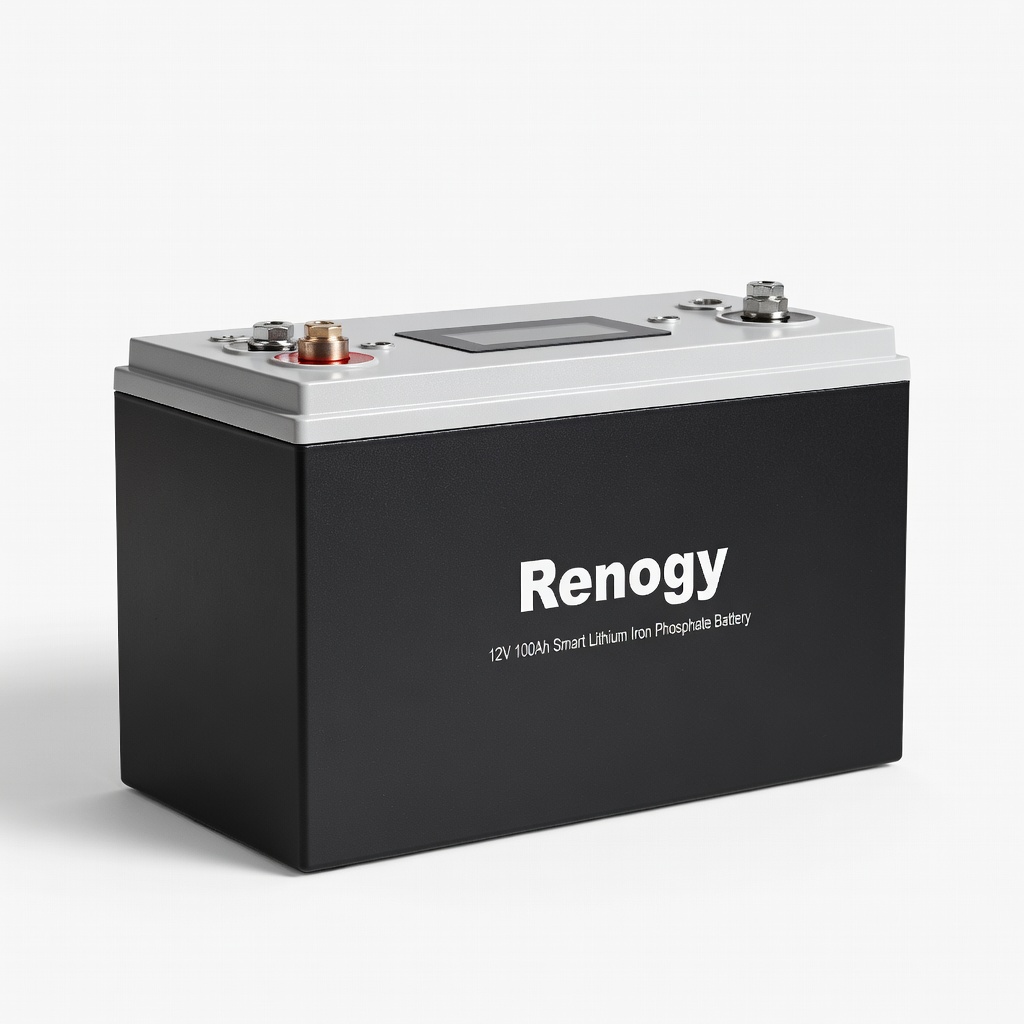
Built-in BMS, 4000+ cycles, lightweight—perfect for efficient solar storage.
Best for: Off-grid/RV solar with daily cycling; scales easily.
Price Range: $699.99
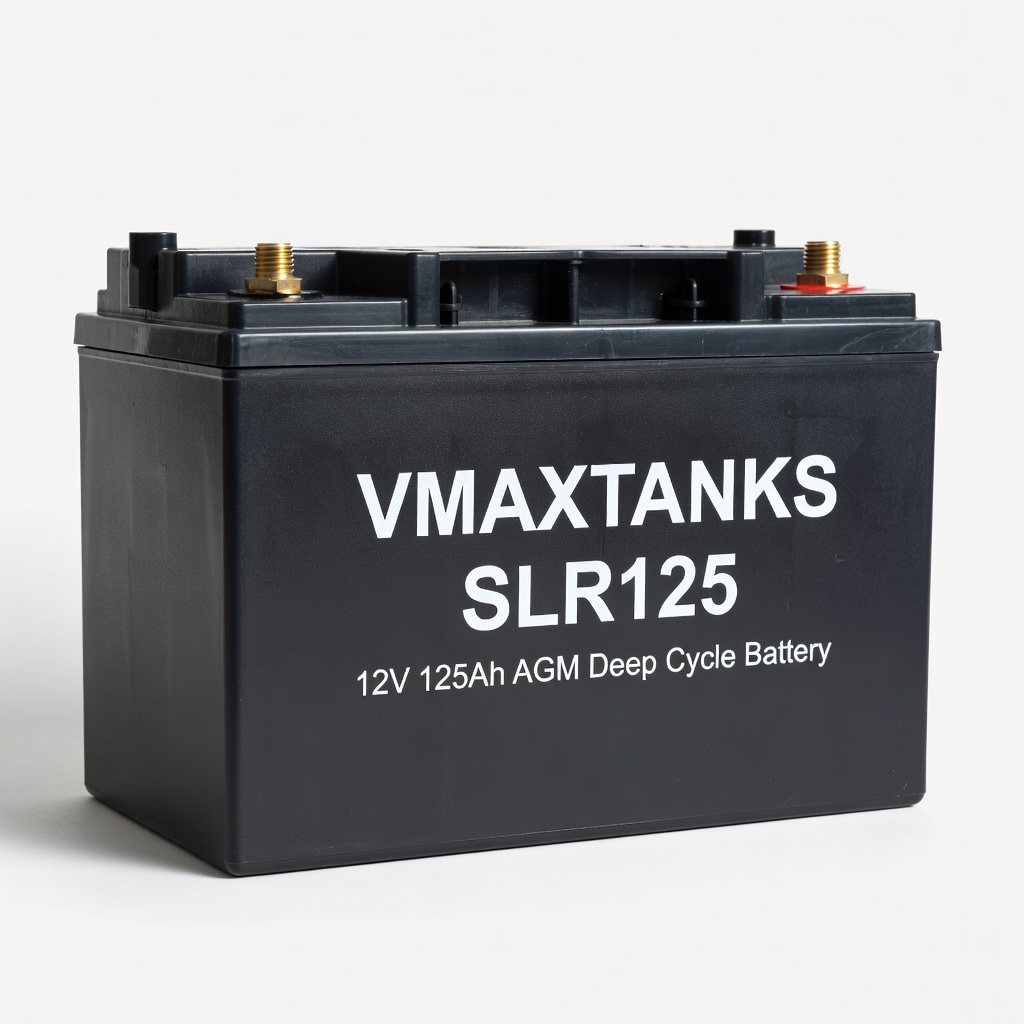
High capacity, rugged for solar; better than basic lead-acid.
Best for: Larger systems (300W+ panels) needing more runtime.
Price Range: $279.99
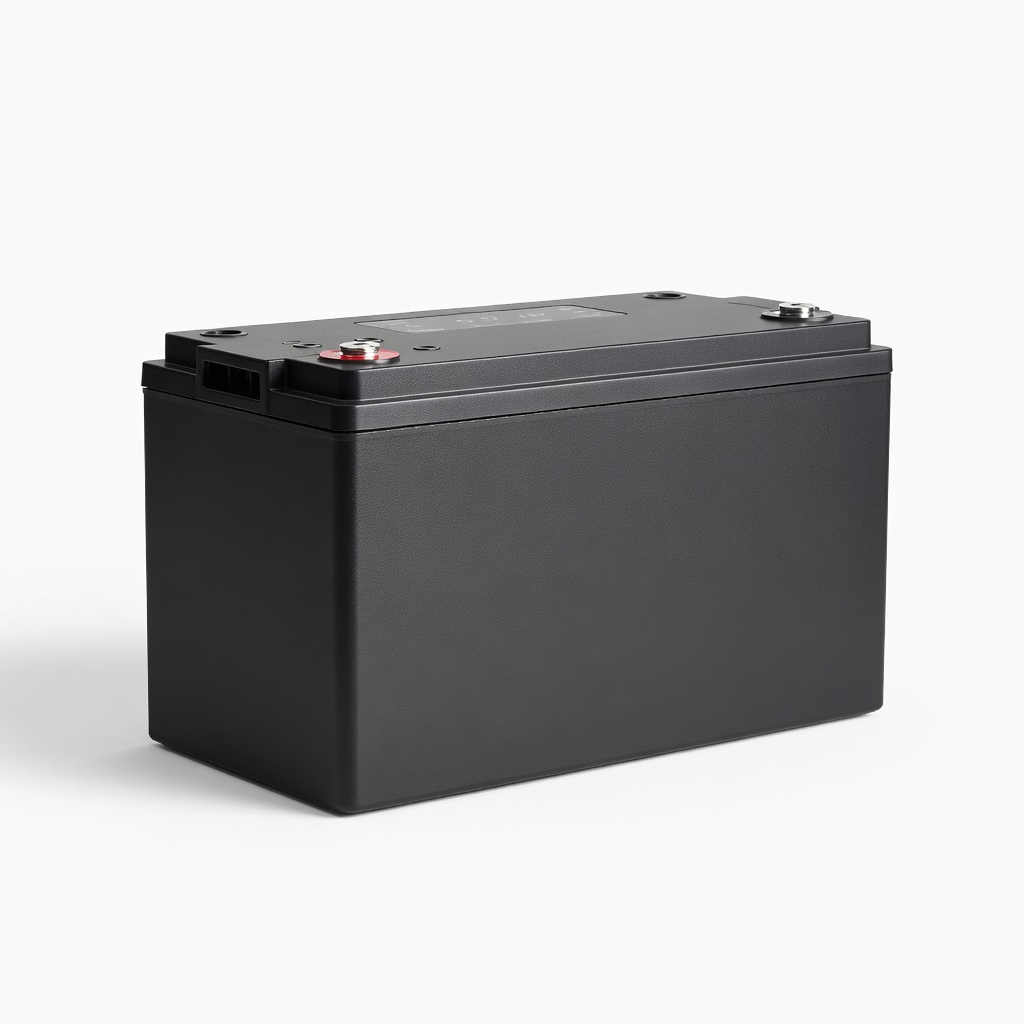
Value lithium with 4000 cycles, app monitoring—great mid-range pick.
Best for: Portable solar kits or boats; balances cost and performance.
Price Range: $289.99
Small solar setups (100-200W panels), budget under $200.
Mighty Max ML100-12 12V 100Ah AGM Battery Affordable, sealed maintenance-free option with good DoD for beginners.
Off-grid/RV solar with daily cycling; scales easily.
Renogy 12V 100Ah Smart Lithium Iron Phosphate Battery Built-in BMS, 4000+ cycles, lightweight—perfect for efficient solar storage.
Larger systems (300W+ panels) needing more runtime.
VMAXTANKS SLR125 12V 125Ah AGM Deep Cycle Battery High capacity, rugged for solar; better than basic lead-acid.
Portable solar kits or boats; balances cost and performance.
Ampere Time 12V 100Ah LiFePO4 Battery Value lithium with 4000 cycles, app monitoring—great mid-range pick.