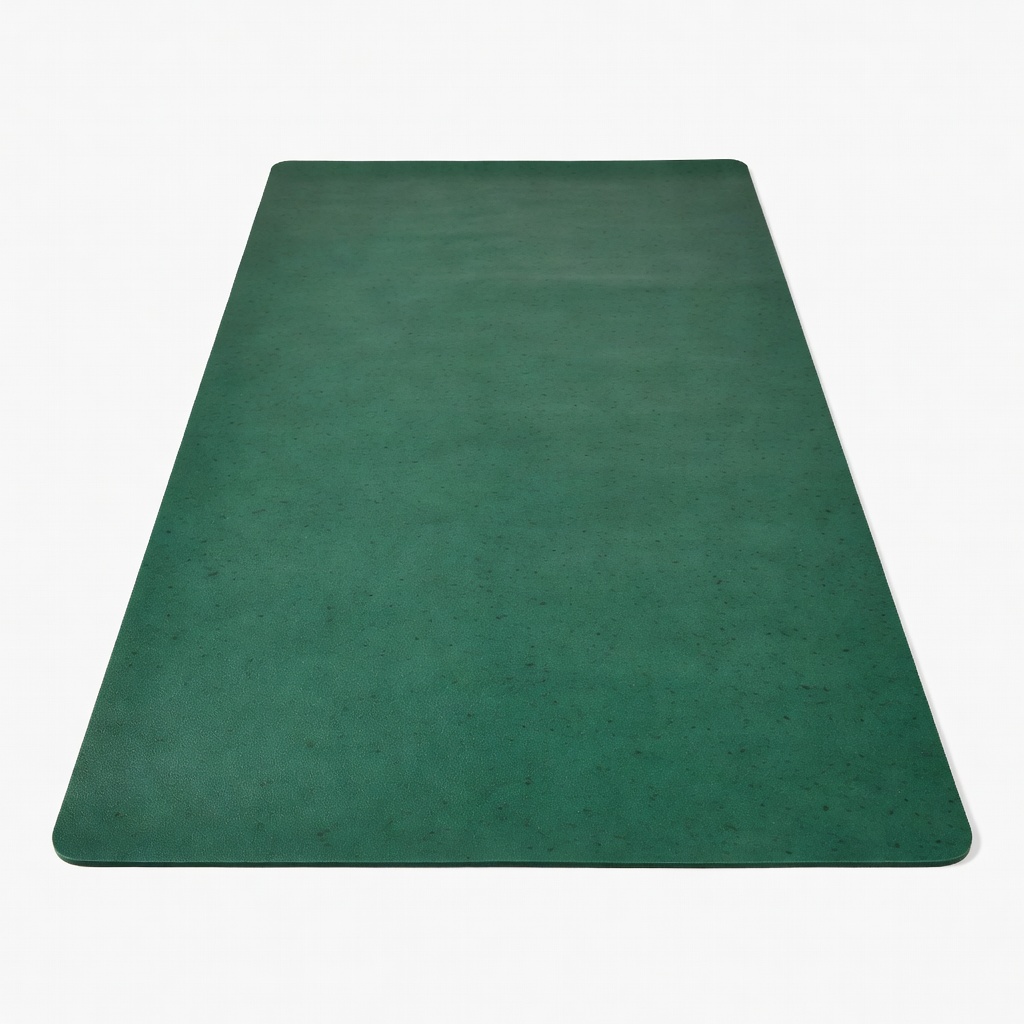
Hot yoga is intense. Within minutes, you're dripping sweat, and the last thing you want is to slip out of Downward Dog or slide across the mat in Warrior II. A regular yoga mat turns into a slippery hazard when wet, which is why choosing a mat with proper non-slip properties is essential.
In this guide, we'll break down the key factors that make a mat suitable for hot yoga: material, texture, thickness, and maintenance. Whether you're a beginner or looking to upgrade, you'll learn how to evaluate grip, durability, and eco-friendliness. By the end, you'll know exactly what to look for and which mats are worth your investment.
This guide covers the science of grip, the pros and cons of common materials (natural rubber, PVC, TPE, microfiber), and practical tips for testing and caring for your mat. Expect to spend about 10 minutes reading, then you'll be ready to make an informed purchase.
▸What You'll Need
- •Basic understanding of common yoga poses (helps when testing grip)
- •Access to a yoga mat store or online retailer
- •Optional: a spray bottle with water to simulate sweat when testing mats
- •Budget from $30 to $150+ (price varies by material and brand)
Estimated Time: 10 minutes read
Difficulty: beginner
▸Step-by-Step Instructions
Step 1: Understand Why Regular Mats Fail in Hot Yoga
Standard yoga mats are often made of PVC or TPE with a smooth, closed-cell surface. While they offer decent grip when dry, sweat creates a thin layer of water that breaks the friction between your skin and the mat. The result: hands and feet slide, especially in poses like Downward Dog, Plank, or standing balances.
For hot yoga, you need an open-cell or textured surface that wicks moisture away or absorbs it, providing traction even when wet. Some mats use a microfiber top layer that becomes grippy when damp, while others are made of natural rubber that naturally grips when wet. Understanding this distinction is the first step to choosing the right mat.
💡 Tips:
- •If you already have a mat, try sprinkling a few drops of water on it and see if your hand slides. If it does, it's not suitable for hot yoga.
Step 2: Choose a Material That Grips When Wet
The three main materials for hot yoga mats are natural rubber, PVC, and TPE, each with unique properties:
- •Natural Rubber: Excellent grip when wet, eco-friendly (sustainable source), biodegradable, but heavier and has a distinct smell that fades. It’s the top choice for many hot yoga enthusiasts.
- •PVC: Durable, strong grip even when wet (especially high-end PVC with textured surfaces), and affordable. However, it’s not biodegradable and may have a strong initial odor (off-gassing).
- •TPE: Lightweight, eco-friendly (recyclable), and provides decent grip when wet, but less durable than rubber or PVC. Good for travel or budget.
Some mats combine materials, like a PVC bottom with a microfiber top (e.g., Gaiam Dry-Grip). Microfiber becomes grippy when wet and is machine-washable. Choose based on your priorities: grip, eco-friendliness, weight, or price.
💡 Tips:
- •If you’re sensitive to smells, go for natural rubber (smell fades quickly) or TPE. Avoid cheap PVC that may off-gas strongly.
⚠️ Warnings:
- •Natural rubber mats may stain if used on light-colored floors due to rubber residue. Use a rug underneath if needed.
Step 3: Consider Thickness and Cushioning
Hot yoga mats typically come in thicknesses from 3mm to 6mm. Thicker mats (5-6mm) offer more cushioning for joints, which is helpful on hard floors. However, very thick mats (6mm+) can compromise stability in balance poses. Thinner mats (3-4mm) provide a firmer connection to the floor and are lighter for travel.
For hot yoga, a middle ground of 4-5mm is common. Thick enough for comfort in kneeling poses, but thin enough to maintain stability. If you practice on carpet, you may prefer a thinner mat. If you have sensitive knees, look for a mat with extra cushioning but still good grip (like the Manduka Pro, which is 6mm but has a dense, stable feel).
💡 Tips:
- •If you travel often, consider a 3-4mm travel mat made of TPE or rubber. Fold it carefully to avoid creases that can create slipping spots.
⚠️ Warnings:
- •Avoid using a yoga towel over a too-thin mat; the towel can bunch up and cause slips.
Step 4: Check the Texture and Stickiness
The surface texture directly affects grip. Some mats have a smooth, almost suede-like finish (e.g., Liforme), while others have prominent raised patterns or a waffle texture (e.g., Manduka).
To test texture, press the palm of your hand onto the mat and try to slide it. For hot yoga, you want a mat that feels tacky or sticky rather than slick. Many natural rubber mats have a slightly porous, open-cell surface that feels almost adhesive when damp. PVC mats often use a closed-cell surface but with a raised texture to create friction.
A good rule: if the mat feels slippery when you rub your hand over it with light moisture, it’s not ideal. Look for descriptions like “non-slip when wet,” “high-grip,” or “sweat-activated.”
💡 Tips:
- •Read customer reviews specifically mentioning “hot yoga” and “sweat” to see if grip holds up during long practices.
⚠️ Warnings:
- •Avoid mats with a shiny, glossy finish; they are likely to be slippery.
Step 5: Evaluate Size and Portability
Standard yoga mats are 68 inches long and 24 inches wide, but taller practitioners (over 5'8") may prefer a longer mat (72-84 inches). Some brands offer extra-wide mats (up to 26 inches) for more room.
For hot yoga, you'll be moving a lot, so you want a mat that stays put on the floor. A mat that is too small may cause your hands or feet to hang off the edge. Also consider weight: natural rubber mats are heavy (7-10 lbs), while TPE mats are light (2-4 lbs). If you carry your mat to the studio, portability matters. Look for a mat that rolls easily and comes with a strap or carry bag.
Many hot yoga mats are designed to be used with a yoga towel on top, which can extend the use of a non-perfect mat. Some mats come with a built-in towel or microfiber layer (e.g., Gaiam Dry-Grip).
💡 Tips:
- •Measure your height and add 6 inches to determine the ideal mat length. If you are over 6 feet, look for a 72-inch or 84-inch mat.
Step 6: Understand Mat Care for Hot Yoga
Hot yoga mats require more maintenance because they absorb sweat and bacteria. Natural rubber and open-cell mats need to be cleaned after each practice to prevent odor and deterioration.
Most mats can be wiped down with a mild soap solution (like a few drops of dish soap in water) and a soft cloth. Avoid harsh chemicals that can break down the material. Some microfiber mats are machine-washable (check instructions).
To extend the life of your mat, dry it completely after cleaning before rolling it up. Store it away from direct sunlight, which can degrade rubber. For deep cleaning, use a specialized yoga mat cleaner or a spray of water and vinegar (1:3 ratio).
💡 Tips:
- •Use a mat spray with tea tree oil (antimicrobial) between practices. Homemade: water, witch hazel, and a few drops of essential oil.
⚠️ Warnings:
- •Do not put a natural rubber mat in the washing machine or dryer. It can warp or disintegrate.
Step 7: Consider Your Budget and Prioritize Features
Hot yoga mats range from $20 to $150+. Budget mats ($20-40) are often TPE or basic PVC, which may need replacing sooner. Mid-range ($50-80) include quality PVC or TPE with good grip. Premium ($80-150) are natural rubber or high-end PVC from brands like Liforme, Manduka, or JadeYoga.
Decide what matters most: grip, eco-friendliness, weight, or thickness. If you practice hot yoga 3+ times a week, invest in a premium mat – it will last years and provide consistent grip. For occasional practice, a mid-range mat is sufficient. Also consider the cost of a yoga towel if you plan to use one (another $20-40).
💡 Tips:
- •Check return policies. Some brands offer 90-day or 1-year guarantees if you're not satisfied with grip.
Step 8: Read Reviews and Test If Possible
Before buying, read reviews from others who practice hot yoga. Look for comments about ‘slipping in Downward Dog’ or ‘grip after 60 minutes of sweating.’ Video reviews on YouTube can show real-time grip tests.
If you can visit a store that allows you to touch and feel the mat, do it – but simulate moisture by asking if you can use a damp paper towel (most stores won't allow it, but sometimes they have demo mats). Online, rely on verified buyers. Also check if the mat has a “break-in” period: some natural rubber mats need 1-2 weeks of use to reach maximum grip.
Ultimately, the best mat is one you trust not to slip during your practice, so don’t rush the decision.
💡 Tips:
- •Start with a mat that has a money-back guarantee (e.g., Liforme, Manduka) so you can return it if it doesn’t work.
⚠️ Warnings:
- •Be wary of mats with mostly 5-star reviews but no specifics. Look for reviews that mention hot yoga specifically.
▸Pro Tips
- •Always test a new mat in a low-risk practice at home before taking it to a hot class.
- •Use a yoga towel as an extra layer of grip, especially if you’re between mats. Microfiber towels with silicone grippers stay put.
- •If your mat slides on the floor, place a non-slip rug under it or use a mat with a high-friction bottom layer.
- •Natural rubber mats can be heavy; carry them over your shoulder with a strap to distribute weight.
- •Rotate your mat occasionally to wear evenly and maintain grip over the entire surface.
- •For extra grip on hands and feet, use liquid chalk or grip aides (like Toesox) designed for hot yoga.
- •Store your mat loosely rolled, not tightly compressed, to preserve the material’s structure.
▸Common Mistakes to Avoid
- •Buying a mat solely based on thickness, ignoring wet grip. A thick mat might feel comfortable but become a slip hazard.
- •Assuming all PVC mats are slippery. High-end PVC with textured surfaces can perform well, but cheap PVC often fails.
- •Skipping the break-in period. Many natural rubber mats feel slightly slippery until a thin layer of skin oils and sweat builds up – give it time.
- •Using harsh cleaners like bleach or alcohol wipes, which can strip the mat’s grip and cause premature wear.
- •Not cleaning after every hot yoga session, leading to bacterial buildup and odor that reduces grip over time.
▸Troubleshooting
Problem: My mat is slippery even though it's advertised as non-slip for hot yoga.
Solution: Check if the mat has a protective film (some new mats have a thin film that needs to be wiped off with mild soap). Also, try using it for a few sessions – some mats need a break-in period. If still slippery, place a yoga towel on top.
Problem: My mat has a strong chemical smell.
Solution: Unroll it and let it air out in a well-ventilated area for 24-48 hours. Wash with mild soap and water. If it persists, consider returning it – cheap PVC can off-gas harmful chemicals.
Problem: My mat slides on the hardwood floor during practice.
Solution: Look for a mat with a textured bottom (like rubber) or use a non-slip rug under the mat. Some mats have a built-in non-slip bottom; avoid glossy-back mats.
Problem: The top layer of my mat is peeling or flaking.
Solution: This indicates low-quality material or improper cleaning. If still under warranty, contact the manufacturer. For future, avoid twisting or folding the mat roughly.
Liforme Original Yoga Mat
Premium natural rubber mat with an 'AlignForMe' system (alignment markers) and excellent wet-grip. Eco-friendly, 4.2mm thick, and comes with a carry bag.
Best for: Best for dedicated hot yogis who want top-tier grip and alignment aids.
Price Range: $140 - $160
Manduka Pro Yoga Mat
6mm thick, dense PVC mat with a closed-cell surface that resists sweat and odors. Lifetime guarantee. Excellent grip when used with a hot yoga towel or after break-in.
Best for: Ideal for practitioners who want durability and cushioning, and don't mind using a towel initially.
Price Range: $120 - $140
JadeYoga Harmony Yoga Mat
Made from natural rubber with an open-cell surface that provides exceptional grip when wet. Eco-conscious (they plant a tree for every mat sold). 3/16 inch thick.
Best for: Great for eco-friendly yogis who want a lightweight, high-grip mat for travel or studio use.
Price Range: $80 - $100
Gaiam Dry-Grip Yoga Mat
Features a microfiber top layer that becomes grippy when wet (sweat-activated). PVC bottom layer for stability. Machine-washable top layer. Great value.
Best for: Perfect for beginners and budget-conscious hot yoga enthusiasts who want an all-in-one mat without a separate towel.
Price Range: $40 - $60
Amazon Basics Rubber Yoga Mat
Affordable natural rubber mat (4mm thick) with good grip for hot yoga. Lightweight and budget-friendly. Some users report a rubber smell initially.
Best for: Best for those on a tight budget who still want the benefits of a natural rubber mat.
Price Range: $30 - $40