Choosing the right substrate is crucial for planted aquariums – it's the foundation for root health, nutrient delivery, and overall ecosystem balance. Many intermediate aquarists struggle with algae outbreaks or stunted growth due to poor substrate choices, but with the right approach, you can create a lush, vibrant underwater forest.
In this guide, you'll learn a step-by-step process to evaluate your tank's needs, understand substrate types, and pick the best option. Whether you're upgrading an existing setup or starting fresh, expect to spend 30-60 minutes researching and deciding. No hands-on setup required – just smart decision-making for long-term success.
By the end, you'll confidently choose a substrate that supports your plants without constant maintenance headaches.
▸What You'll Need
- •Aquarium tank specs (size, current setup notes)
- •List of plants and fish/shrimp you'll keep
- •Water test kit (pH, ammonia, nitrite for compatibility checks)
- •Measuring tape or ruler (for tank dimensions)
- •Notebook or app for comparisons (optional: spreadsheet)
- •Access to online reviews (Amazon, aquarium forums)
Estimated Time: 30-60 minutes
Difficulty: intermediate
▸Step-by-Step Instructions
Step 1: Assess Your Aquarium Setup
Start by evaluating your tank's size, shape, and current inhabitants. Note the volume (e.g., 20-55 gallons), lighting intensity, CO2 system (if any), and livestock like shrimp or sensitive fish.
Why it matters: Substrate depth and type must match your setup – deeper for root-heavy plants in larger tanks, lighter for nano setups. Success looks like a clear match: e.g., 2-3 inches deep for most planted tanks.
Jot down details to guide later choices.
💡 Tips:
- •Measure precisely: aim for 1.5-3 inches depth for roots.
⚠️ Warnings:
- •Avoid mismatches: heavy soils in small tanks cause anaerobic pockets.
Step 2: Identify Your Plant Types
List your plants: heavy root-feeders (e.g., swords, crypts), stem plants, or mosses/epiphytes. Research each's substrate needs via sites like PlantedTank.net.
Why it matters: Rooted plants need nutrient-rich substrates; floaters thrive on anything. Expect categories: high-nutrient for demanding plants, inert for low-tech.
Success: A categorized plant list with root requirements noted.
💡 Tips:
- •Prioritize: 70% of plants dictate the substrate choice.
Step 3: Understand Substrate Types
Learn the main types:
- •Inert (gravel/sand): Neutral, needs fertilizers.
- •Nutrient-rich soils (aquasoil): Ammonia-releasing, great for low-tech.
- •Active substrates (clay-based): Buffer pH, slow nutrient release.
Why it matters: Matches plant feeding style. Expect initial cloudiness with soils – normal.
Review pros/cons table mentally.
💡 Tips:
- •Use caps: 50/50 inert + soil for balance.
⚠️ Warnings:
- •Skip pure sand for root plants – poor oxygenation.
Step 4: Evaluate Nutrient and pH Needs
Test tank water parameters. Choose based on CEC (cation exchange capacity) for nutrient holding.
Why it matters: Soils lower pH (good for shrimp), gravels are stable. Success: Substrate that aligns with target pH 6.5-7.5.
Cross-reference with plant prefs.
💡 Tips:
- •Add root tabs to inert subs for boost.
Step 5: Consider Maintenance and Aesthetics
Think cleaning ease, color (black/dark hides algae), grain size (1-3mm ideal).
Why it matters: Fine substrates compact; coarse aid flow. Expect low-maintenance for busy hobbyists.
Visualize your scape.
💡 Tips:
- •Dark subs enhance plant vibrancy.
⚠️ Warnings:
- •Avoid dusty products – rinse well.
Step 6: Set Budget and Check Availability
Budget $0.50-$2 per liter. Compare prices on Amazon/Aquarium stores.
Why it matters: Balances quality/cost. Success: 2-3 options shortlisted.
Read recent reviews for batch quality.
💡 Tips:
- •Bulk buy for large tanks saves 20%.
Step 7: Test and Finalize Choice
Buy small bag to test (wet/rinse). Monitor pH shift over a week.
Why it matters: Real-world fit. Success: Stable parameters, no issues.
Purchase full amount.
💡 Tips:
- •Forum test: Ask on Reddit r/PlantedTank.
⚠️ Warnings:
- •Cycle new soil tanks slowly.
▸Pro Tips
- •Layer substrates: nutrient base + inert cap prevents leaching.
- •Pre-rinse all but aquasoils to avoid cloudiness.
- •Use a sloped substrate riser for depth variation in scapes.
- •Supplement with liquid ferts regardless for best growth.
- •Choose shrimp-safe: no sharp grains.
- •Black substrates hide detritus better.
- •Calculate volume: Length x Width x Depth (inches) / 231 = gallons of substrate needed.
▸Common Mistakes to Avoid
- •Choosing inert gravel for heavy root feeders without ferts – leads to yellowing leaves; add root tabs from day 1.
- •Ignoring pH drop from aquasoils – kills fish; test and buffer if needed.
- •Overpacking substrate – causes dead spots; leave 20% porosity.
- •Skipping rinse on dusty gravel – weeks of cloudy water.
- •Buying cheap, unbranded soil – inconsistent nutrients, poor results.
▸Troubleshooting
Problem: Algae after setup
Solution: Balance light/CO2; dose ferts sparingly. Blackout tank 3 days if severe.
Problem: Plants not rooting
Solution: Check compaction; add root stimulator like Seachem Flourish.
Problem: Anaerobic pockets (H2S smell)
Solution: Stir substrate gently; improve flow with powerhead.
Problem: pH crash
Solution: Use less soil or mix with inert; add crushed coral for buffering.
Fluval Plant and Shrimp Stratum
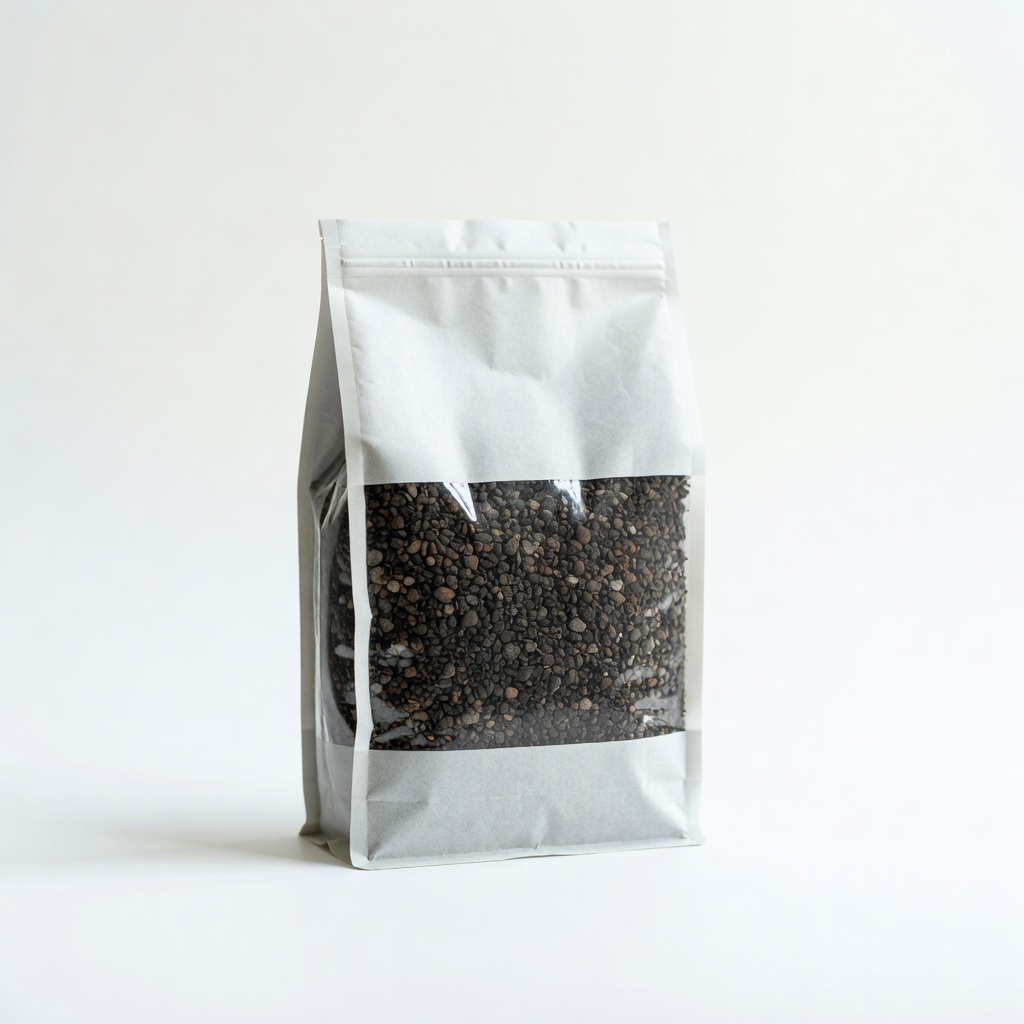
Volcanic soil with high porosity for root oxygenation and slow nutrient release; shrimp-safe and pH stabilizing.
Best for: Low-tech planted tanks with shrimp; 1.5-2.5 inch layer.
Price Range: $15-$25 for 4.4 lb bag
Seachem Flourite Black
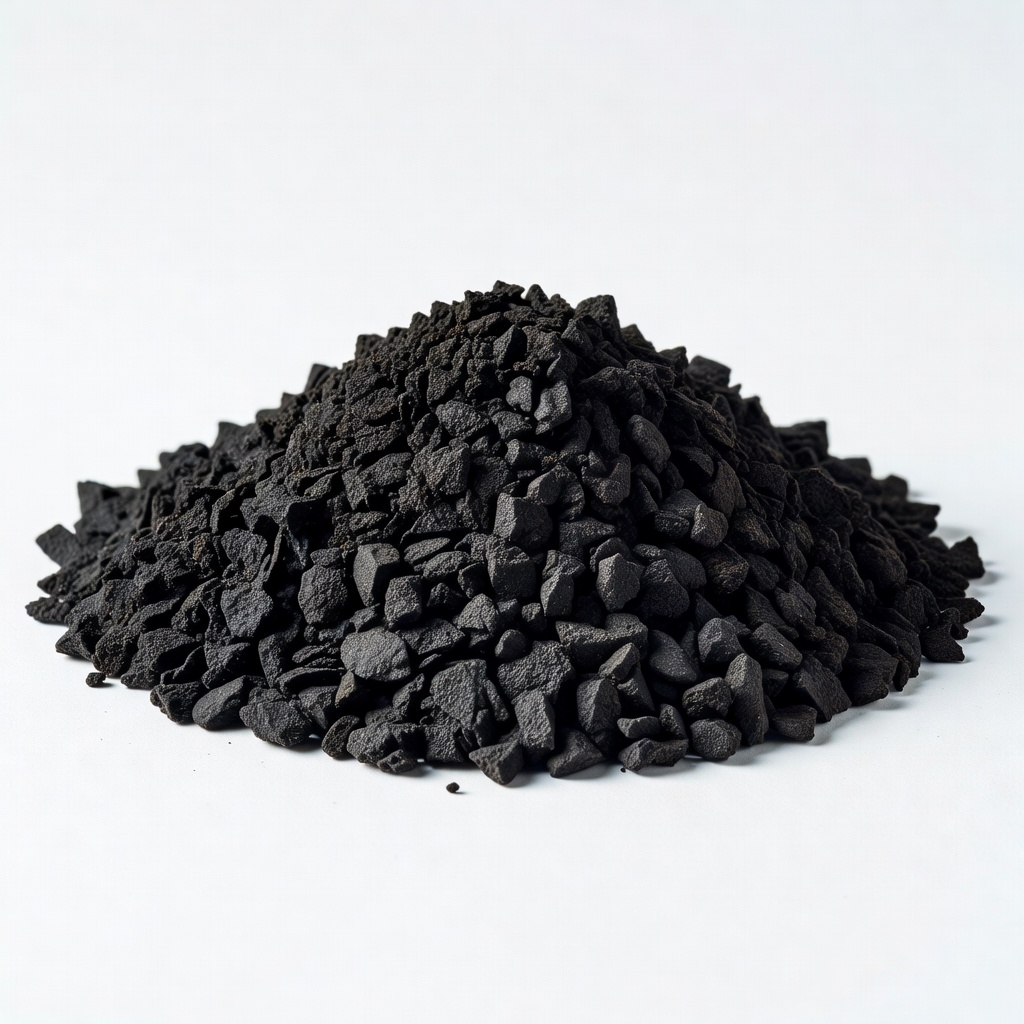
Nutrient-neutral clay gravel with high CEC; no rinsing needed, long-lasting.
Best for: High-tech tanks needing stable pH; pairs with liquid ferts.
Price Range: $25-$35 for 15 lb
CaribSea Eco-Complete Planted
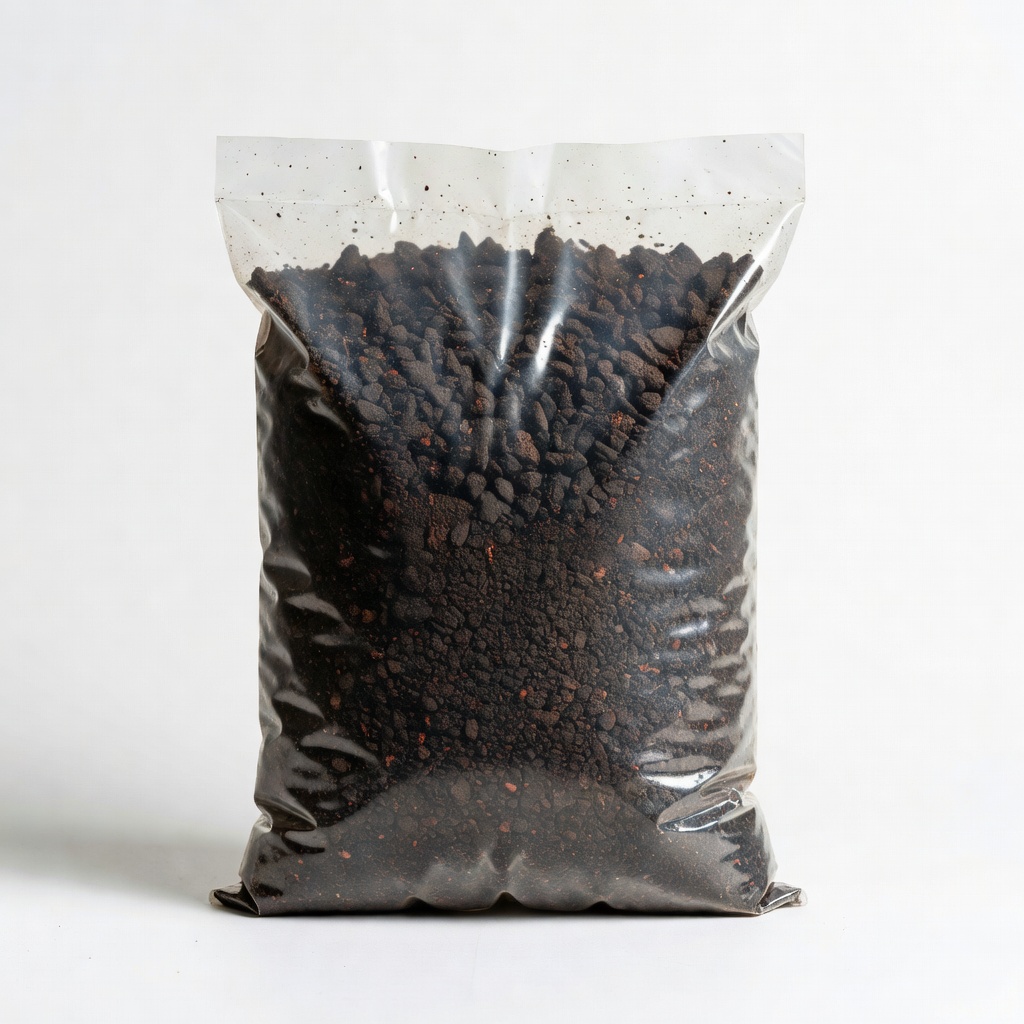
Pre-loaded with aragonite and nutrients; promotes nitrifying bacteria for cycled starts.
Best for: New planted tanks; all-in-one for beginners to intermediate.
Price Range: $20-$30 for 20 lb
Seachem Flourish Tabs
Root nutrient supplement for inert substrates; easy insertion.
Best for: Boosting gravel/sand setups.
Price Range: $8-$12 for 10 tabs
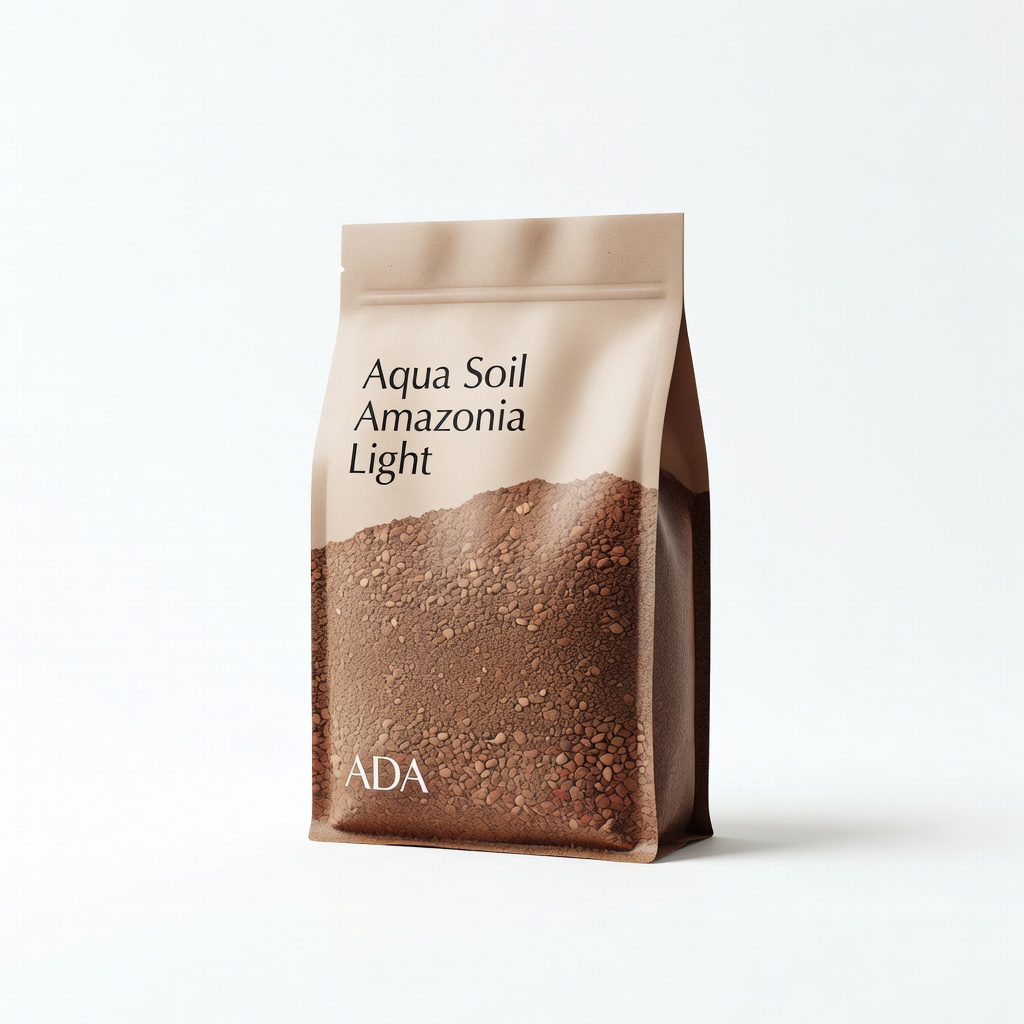
ADA Aqua Soil Amazonia Light
Premium aquasoil with balanced nutrients; less ammonia for sensitive livestock.
Best for: Advanced Iwagumi or nature scapes.
Price Range: $40-$60 for 9L