Choosing the right strings for your electric bass guitar can transform your sound and feel, but with so many options, it's easy to feel overwhelmed. As an intermediate player, you might notice your current strings losing brightness or causing tuning issues, leading to frustration during practice or gigs. This guide addresses that pain point by walking you through a systematic selection process tailored to electric basses.
You'll learn how to evaluate your bass's specs, match strings to your playing style, and avoid common pitfalls for optimal performance. By the end, you'll confidently select strings that suit your needs, whether you're into slap bass, fingerstyle, or rock. The process is straightforward and doesn't require advanced tools—just some research and basic knowledge of your instrument.
Expect to spend 20-30 minutes researching and deciding, with the difficulty at an intermediate level since it builds on your existing playing experience. No hands-on installation here; this focuses on smart selection before buying.
▸What You'll Need
- •Your electric bass guitar (to check scale length and current setup)
- •Access to online retailers or music stores (for specs and reviews)
- •Basic knowledge of your playing style (e.g., fingerpicking vs. slapping)
- •Optional: A string winder or tuner app to test current strings' condition
Estimated Time: 20-30 minutes
Difficulty: intermediate
▸Step-by-Step Instructions
Step 1: Assess Your Bass's Specifications
Start by examining your electric bass to understand its core attributes, which directly influence string compatibility. Note the number of strings (typically 4, but could be 5 or 6), scale length (distance from nut to bridge, common sizes are 30-35 inches for short to long scale), and bridge type (e.g., top-loading or through-body). This ensures the strings fit properly without buzzing or excessive tension.
Why it matters: Mismatched strings can cause intonation issues or poor playability, wasting your time and money. For example, long-scale basses like a Fender Jazz Bass need strings designed for 34-inch scales to maintain even tension across frets. Expect to spend a few minutes measuring or looking up your model's specs online—success looks like having a clear list of your bass's key measurements.
💡 Tips:
- •Use your bass manual or manufacturer's website for quick specs if you're unsure.
- •Take photos of your current strings for reference when shopping.
⚠️ Warnings:
- •Avoid assuming all basses are standard 34-inch scale; mismatches lead to sloppy tuning.
Step 2: Evaluate Your Current Strings and Needs
Inspect your existing strings for wear—look for rust, flat spots, or loss of tone. Play a few notes to assess brightness and sustain. Consider what you like or dislike: Do they feel too stiff for fast runs, or too bright for mellow jazz? This self-assessment highlights gaps your new strings should fill.
It matters because strings age differently based on playing frequency (change every 1-3 months for regulars). Success here is identifying preferences, like smoother feel for fingerstyle or punchier attack for slap bass, setting the stage for targeted choices.
💡 Tips:
- •Pluck open strings and listen for clarity; dull tone means it's time to upgrade.
⚠️ Warnings:
- •Don't ignore allergies—some players react to uncoated strings; opt for coated if needed.
Step 3: Select String Material
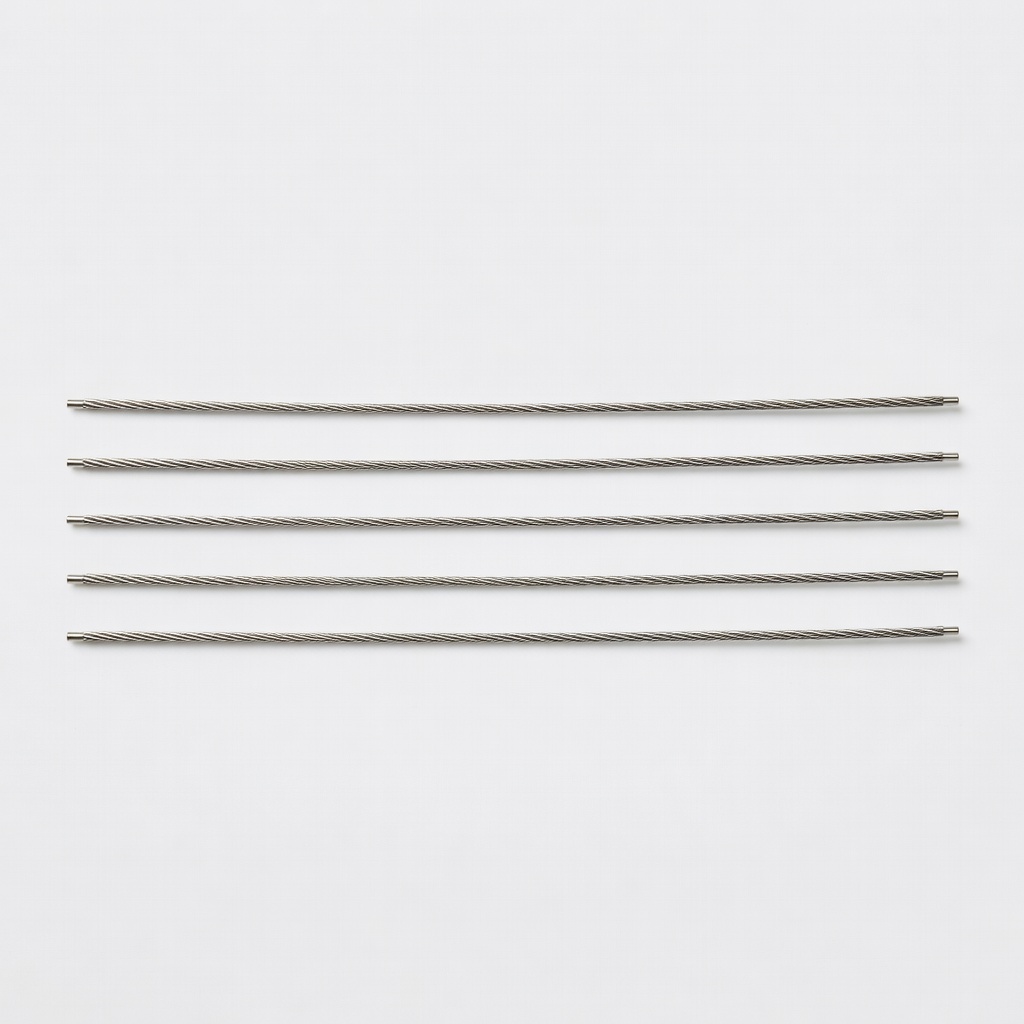
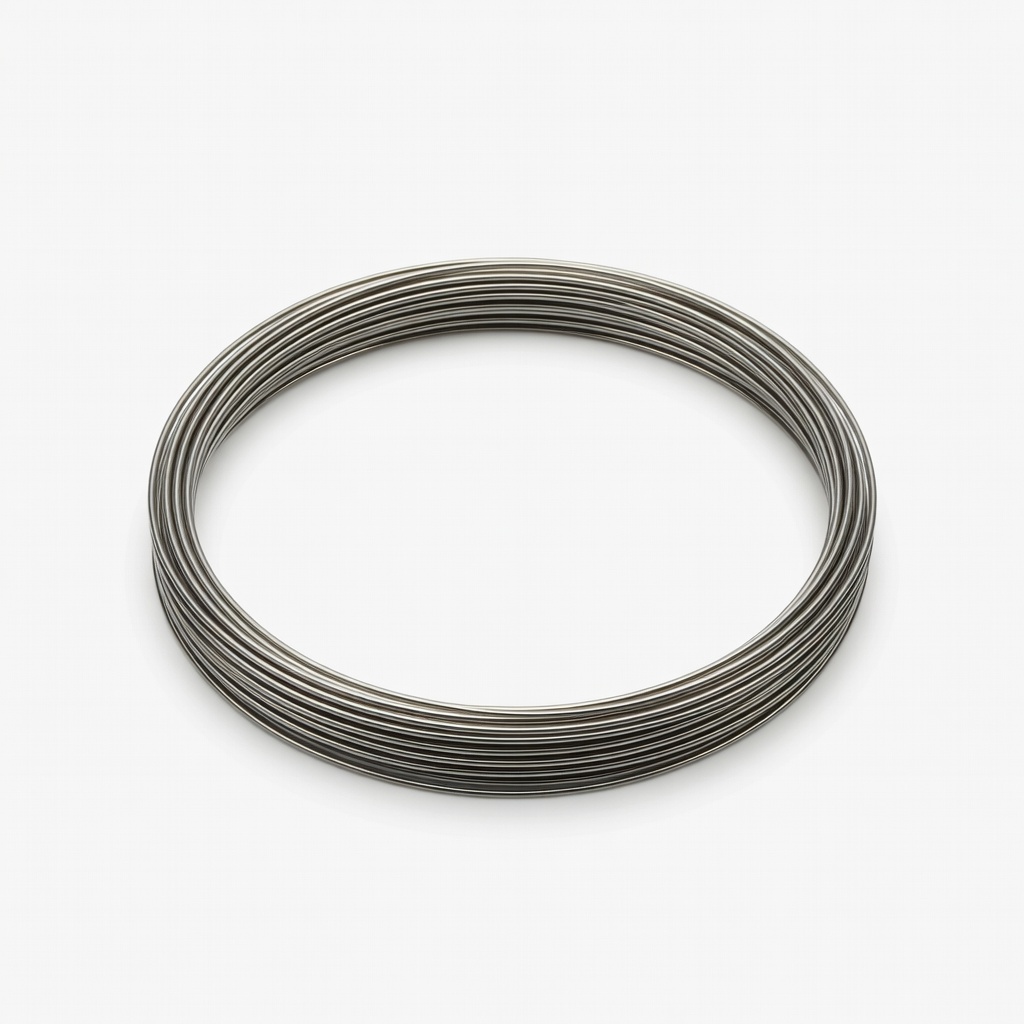
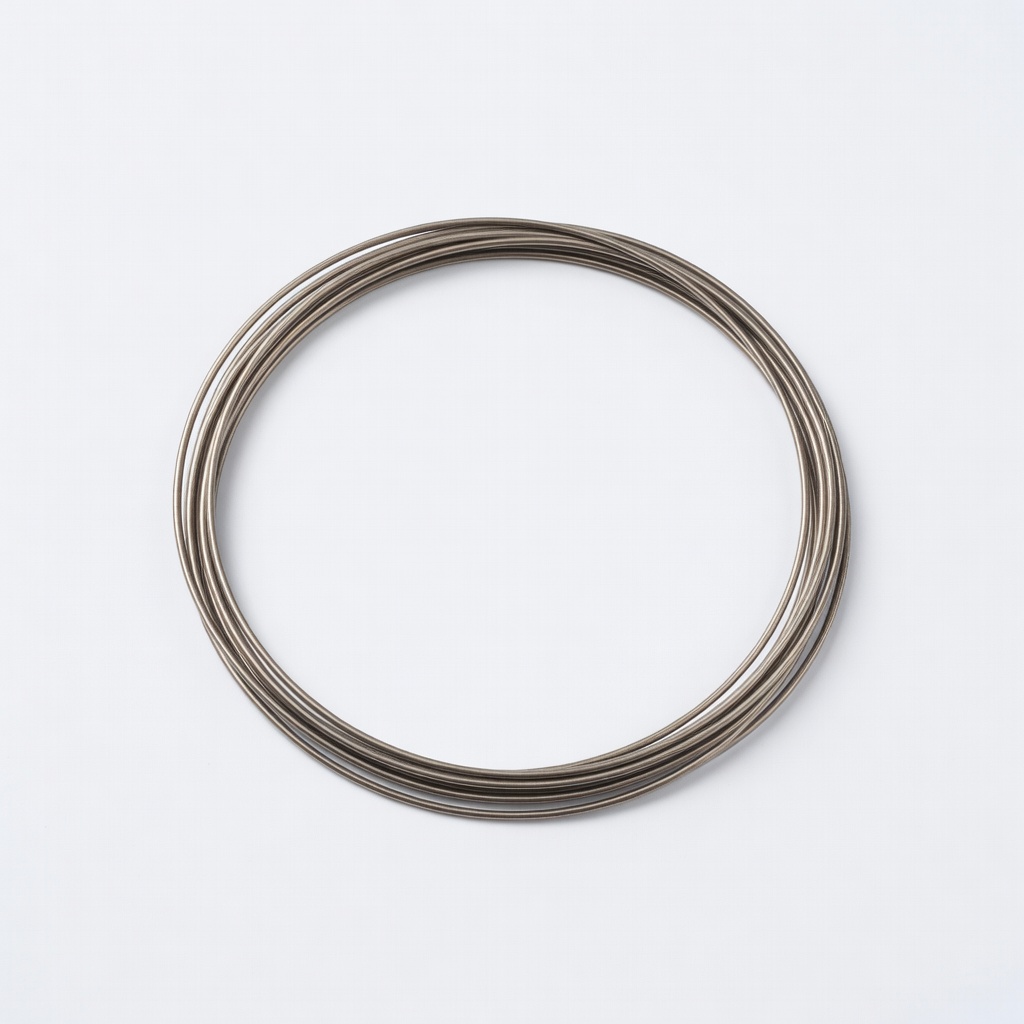
Choose based on desired tone: Stainless steel for bright, aggressive sound (great for rock/metal); nickel-plated steel for warm, balanced vintage vibe (ideal for funk or blues); or pure nickel for smooth, classic warmth. For electric basses, roundwound (textured wrap) is standard for sustain, while flatwound offers mellow jazz tones with less finger noise.
Why it matters: Material affects how your bass interacts with pickups, shaping your overall sound. Expect to research tones via YouTube demos—success is picking a material that aligns with your genre, like nickel for versatile intermediate play.
💡 Tips:
- •Try hybrid sets with different materials per string for custom tone.
⚠️ Warnings:
- •Flatwounds are harder to find in light gauges; stick to roundwound if you're unsure.
Step 4: Determine the Right Gauge
Gauge refers to thickness (e.g., light .045-.105, medium .045-.130, heavy .050-.110). Lighter gauges are easier on fingers for bending and speed but may buzz on low-end basses; heavier provide better low-end thump but require more tension.
This step is crucial for playability—intermediates often prefer medium for balance. Measure your current set or check the packaging. Success: A gauge that feels comfortable without sacrificing tone, tested by noting your bending ease.
💡 Tips:
- •Start with medium if transitioning from guitar; it offers forgiveness.
⚠️ Warnings:
- •Too light on a long-scale bass causes floppy feel and poor intonation.
Step 5: Consider Your Playing Style and Genre
Match strings to technique: Slap/pop favors bright stainless with medium gauge for snap; fingerstyle suits nickel flatwounds for smooth slides; pick playing needs durable roundwounds. Factor in genre—punk might want heavy for aggression, jazz light for nuance.
Why it matters: Strings enhance your style, preventing fatigue or uninspired tone. Review your repertoire; success is strings that boost expression without fighting your hands.
💡 Tips:
- •Experiment with coated strings (e.g., Elixir) for longer life if you gig often.
⚠️ Warnings:
- •Don't chase trends; prioritize what feels right for your hands.
Step 6: Set a Budget and Read Reviews
Budget $15-50 per set; premium brands like D'Addario or Ernie Ball offer reliability. Search reviews on sites like Sweetwater or Amazon for real-user feedback on longevity and tone.
It ensures value—cheap strings break fast. Success: Shortlisting 2-3 sets with 4+ star ratings matching your specs.
💡 Tips:
- •Buy in bulk for discounts if you change often.
⚠️ Warnings:
- •Skip no-name brands; they often lack consistent quality.
Step 7: Test and Purchase
If possible, buy a single set from a local shop to test; otherwise, order online with return policy. Install and play for a week to confirm fit.
Final validation prevents regrets. Success: Strings that tune stably and inspire your playing.
💡 Tips:
- •Use a clip-on tuner during install to check intonation.
⚠️ Warnings:
- •Order exact scale length to avoid returns.
▸Pro Tips
- •Always stretch new strings after install to stabilize tuning faster.
- •Keep a log of sets you've tried to refine future choices.
- •For active basses, match string core to electronics for balanced output.
- •Consider eco-friendly options like recycled material strings for sustainability.
- •Buy extra for emergencies—strings snap mid-gig more than you'd think.
- •Warm up strings with a hairdryer if they're stiff in cold weather.
- •Pair with fresh setup (nut adjustment) every 6 months for best results.
▸Common Mistakes to Avoid
- •Ignoring scale length, leading to poor tension and buzz—always verify measurements.
- •Choosing based on guitar strings, which are thinner and won't suit bass low-end—opt for bass-specific sets.
- •Overlooking playing style, resulting in uncomfortable feel—test gauges in-store if possible.
- •Skipping reviews, buying subpar quality that breaks quickly—prioritize reputable brands.
- •Not considering corrosion resistance in humid climates, causing premature wear—go for coated varieties.
▸Troubleshooting
Problem: Strings won't stay in tune after install
Solution: Stretch them properly by pulling gently while tuning up; check nut slots for binding. Retune multiple times over an hour.
Problem: New strings sound dull or muddy
Solution: They need break-in time—play aggressively for 1-2 hours. If persists, wrong material; swap for brighter stainless steel.
Problem: Fret buzz on low strings
Solution: Gauge too light for your bass; upgrade to medium or heavy. Or truss rod adjustment needed—seek a tech if unsure.
Problem: Strings feel too slick or sticky
Solution: Match coating to climate; uncoated for dry areas, coated for sweat-heavy play. Clean with string cleaner.
D'Addario XL Nickel Wound Bass Strings (Medium, Long Scale)
Reliable for intermediates seeking balanced tone and easy playability; nickel plating provides warmth without losing punch.
Best for: Ideal for versatile genres like rock or funk on standard 34-inch scale basses.
Price Range: $25-30
Ernie Ball Regular Slinky Bass Strings
Durable and bright with stainless steel for aggressive styles; consistent quality from a trusted brand.
Best for: Perfect for slap or pick playing where snap and sustain are key.
Price Range: $20-25
Lakland Light Bass Strings (Coated)
Long-lasting coated design resists corrosion, great for frequent players; light gauge eases bending.
Best for: Suited for humid environments or gigging intermediates needing low maintenance.
Price Range: $35-40
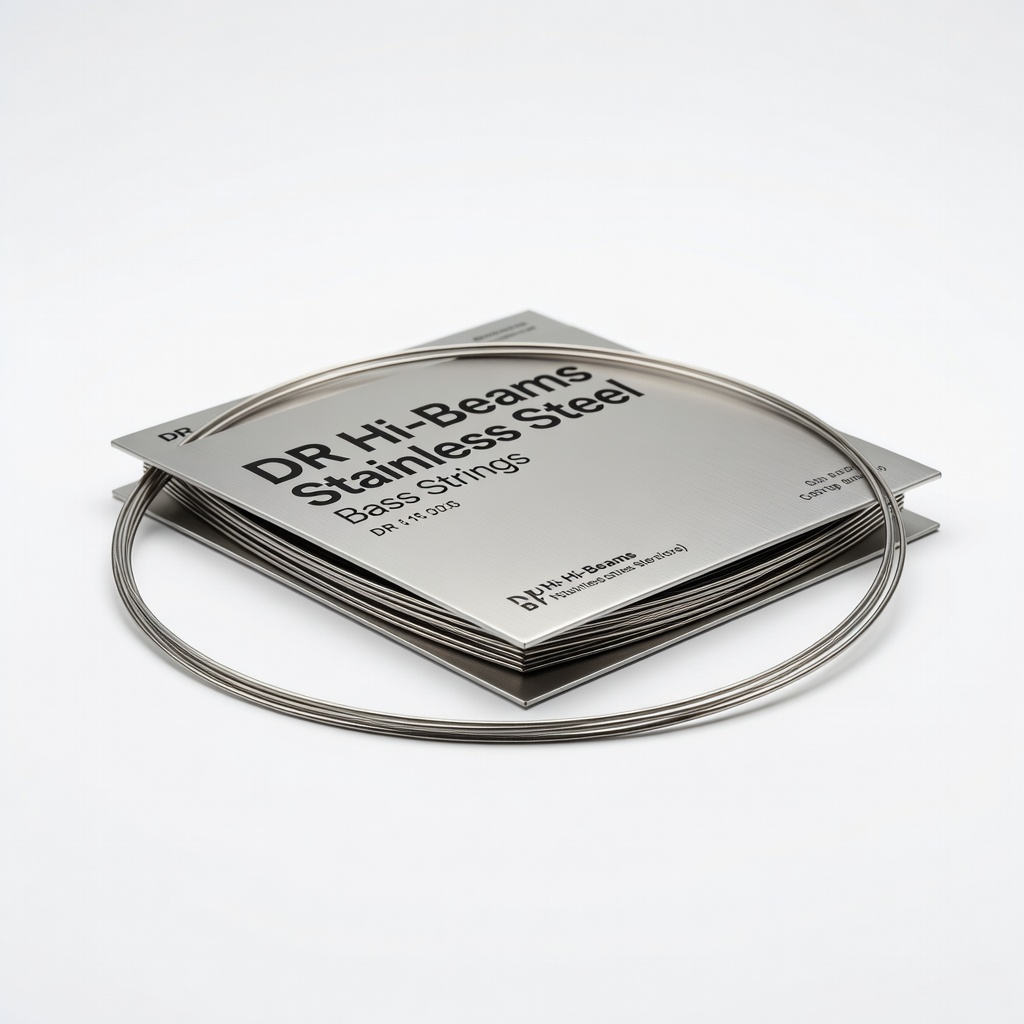
DR Hi-Beams Stainless Steel Bass Strings
Bright and articulate for modern tones; heavy gauge option boosts low-end without muddiness.
Best for: Best for metal or progressive styles requiring clarity in drop tunings.
Price Range: $25-35
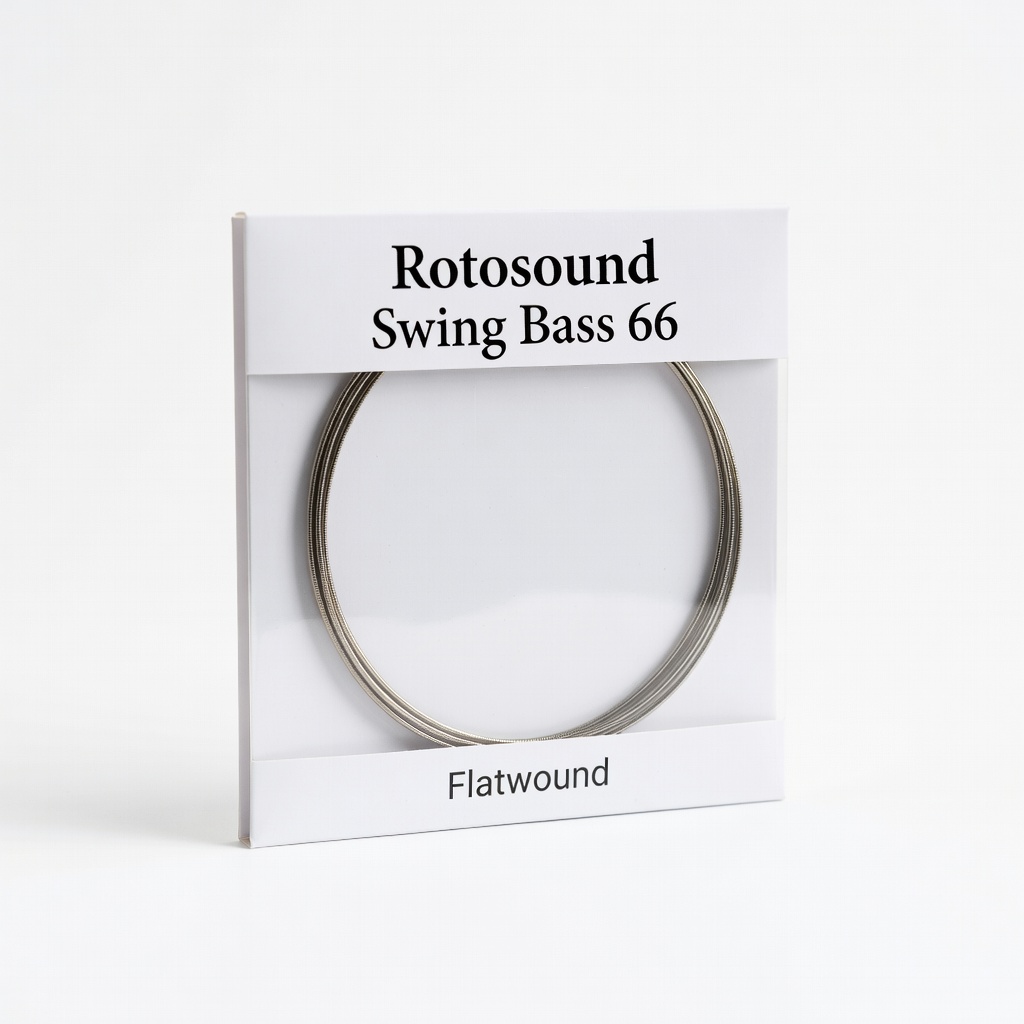
Rotosound Swing Bass 66 Strings (Flatwound)
Classic smooth feel and vintage warmth; flatwound reduces noise for clean recordings.
Best for: Excellent for jazz or Motown fingerstyle on short-scale basses.
Price Range: $30-40