Choosing the right strings for your acoustic-electric guitar can transform your playing experience. As a beginner, you might notice your guitar sounding dull, hard to play, or even causing finger pain—these are often signs of mismatched strings. The good news? With the right knowledge, you can select strings that enhance both acoustic tone and amplified performance without guesswork.
In this guide, you'll learn the key factors to consider, from gauge and material to how electronics affect your choice. We'll walk through a step-by-step process to match strings to your style and guitar, helping you avoid common pitfalls. By the end, you'll confidently pick strings that make your music shine.
This process is straightforward for beginners and takes about 20-30 minutes of research and testing. No advanced tools needed—just your guitar and some basic info about your playing habits.
▸What You'll Need
- •Your acoustic-electric guitar (to check scale length and current strings)
- •Knowledge of your playing style (e.g., fingerpicking or strumming)
- •Access to online retailers or a local music store
- •Optional: A string winder or tuner for quick testing after purchase
Estimated Time: 20-30 minutes
Difficulty: beginner
▸Step-by-Step Instructions
Step 1: Assess Your Guitar's Specifications
Start by examining your acoustic-electric guitar to understand its basic specs. Check the scale length (distance from nut to bridge, usually 25.4-25.5 inches for most acoustics) and bridge type (pin-style or tie-on). Acoustic-electrics often have piezo pickups or under-saddle sensors, so ensure strings are compatible with the electronics.
Why it matters: Strings must fit your guitar's design to avoid intonation issues or damage to the pickup system. For example, if your guitar has a Fishman or LR Baggs preamp, standard acoustic strings work fine, but confirm via the manual.
Expect to spend 5 minutes here. Success looks like noting down your guitar's make, model, and any special features— this info will guide your choices.
💡 Tips:
- •Take photos of your current strings and bridge for reference when shopping.
⚠️ Warnings:
- •Avoid assuming all acoustics are the same; hybrids like Taylor or Martin may have unique requirements.
Step 2: Determine Your Playing Style and Genre
Think about how you play: Are you a strummer for folk/rock, a fingerpicker for blues, or using alternate tunings? Acoustic-electrics are versatile for stage use, so consider if you'll amplify often.
This step is crucial because playing style influences string feel and tone. Strummers need durable strings for heavy attack, while fingerstyle players prefer lighter gauges for ease. For amplified play, brighter strings cut through mixes better.
Success: List 2-3 key habits, like 'daily strumming for 30 minutes' or 'occasional gigs with amp.' This takes 3-5 minutes and personalizes your selection.
💡 Tips:
- •If unsure, try different techniques on your current setup to see what feels natural.
⚠️ Warnings:
- •Don't overlook hybrid styles; rock on acoustic-electric might need medium gauges for balance.
Step 3: Select the Right String Material
Acoustic strings come in materials like 80/20 bronze (bright, snappy for folk), phosphor bronze (warm, balanced for general use), or silk-and-steel (mellow for fingerstyle). For acoustic-electrics, phosphor bronze often shines both unplugged and plugged in, as it translates well through pickups.
Why choose wisely: Material affects tone longevity and how the guitar sounds amplified—too bright might feedback on stage. Beginners should start with phosphor bronze for versatility.
Expect a quick comparison online. Success: Pick one material based on your genre, e.g., 80/20 for bright country tones.
💡 Tips:
- •Read reviews for how materials sound with electronics; many users note phosphor bronze reduces harshness when plugged in.
⚠️ Warnings:
- •Avoid coated strings if you dislike slick feel, but they're great for humid climates.
Step 4: Choose the Appropriate Gauge
Gauge refers to string thickness, measured in thousandths of an inch (e.g., light .012-.053, medium .013-.056). Lighter gauges are easier for beginners and bend well but may buzz on low action; heavier ones offer fuller tone but more tension.
For acoustic-electrics, light to medium gauges suit most beginners, balancing playability and volume for both acoustic and electric modes. Test by fretting: if current strings feel too stiff, go lighter.
This step ensures comfort. Success: Select a set like light for easy bending in leads.
💡 Tips:
- •Hybrid gauges (e.g., light top, medium bottom) are great for acoustic-electrics needing balanced tension.
⚠️ Warnings:
- •Heavier gauges on short-scale guitars can cause neck strain—stick to manufacturer recommendations.
Step 5: Consider Coated vs. Uncoated and Longevity
Uncoated strings offer pure tone but wear out faster (1-2 weeks for heavy players). Coated ones (e.g., with polymer) last 3-5x longer and resist corrosion, ideal for gigging acoustic-electrics.
Why it matters: For beginners practicing often, coated saves money long-term. They also maintain consistent tone when switching between acoustic and amplified.
Success: Decide based on budget—coated if you play >3 hours/week. This wraps up selection in 5 minutes.
💡 Tips:
- •Coated strings feel smoother, reducing finger fatigue for extended sessions.
⚠️ Warnings:
- •Some find coated strings less 'alive' tonally; test a set first.
Step 6: Research Brands and Buy a Set
Popular brands for acoustic-electrics include D'Addario, Elixir, and Martin. Read reviews on sites like Amazon or Sweetwater for compatibility with your model.
Final step: Purchase a .012-.053 phosphor bronze light set to start. Install and tune up—your guitar should feel responsive with clear tone plugged in.
Success: Strings arrive, you swap them (or have a shop do it), and play without issues.
💡 Tips:
- •Buy extras; strings are cheap insurance against breakage.
⚠️ Warnings:
- •Ensure they're acoustic-specific—electric strings won't fit the bridge.
▸Pro Tips
- •Always change all strings at once for even tension and balanced tone.
- •Test new strings unplugged first to hear acoustic changes before amplifying.
- •Store spare strings in a cool, dry place to extend shelf life.
- •For stage use, opt for strings with anti-feedback properties like coated varieties.
- •Track your string life: replace every 1-3 months based on playtime.
- •Use a string action gauge app on your phone for precise setup post-change.
- •Mix gauges slightly if you want custom tension for hybrid playing.
▸Common Mistakes to Avoid
- •Choosing electric guitar strings by mistake, leading to poor fit and dead tone—always verify acoustic designation.
- •Ignoring gauge and ending up with strings too heavy for beginners, causing hand cramps—start light and adjust.
- •Overlooking material, resulting in mismatched tone for your style (e.g., too bright for mellow genres)—match to genre first.
- •Not considering electronics, which can amplify string noise—pick balanced materials for clean pickup response.
- •Buying cheap, no-name brands that break quickly—invest in reputable ones for reliability.
▸Troubleshooting
Problem: Strings buzz or rattle after installation
Solution: Check gauge—too light for your action; raise the bridge or go to medium gauge. Retune and stretch strings properly.
Problem: Tone sounds dull when amplified
Solution: Switch to brighter material like 80/20 bronze; clean pickups if needed. Test volume levels.
Problem: Strings feel too slick or grabby
Solution: If coated feels off, try uncoated; for uncoated, wash hands before playing to reduce oils.
Problem: High string tension causes neck bowing
Solution: Use lighter gauge and monitor with a straight edge; seek luthier if persistent.
Elixir Nanoweb 80/20 Bronze Acoustic Guitar Strings, Light (.012-.053)
These coated strings offer long-lasting bright tone ideal for acoustic-electrics, reducing corrosion and maintaining clarity when amplified.
Best for: Perfect for beginners gigging or practicing often, as they last 3-5x longer than uncoated.
Price Range: $12.99-$14.99
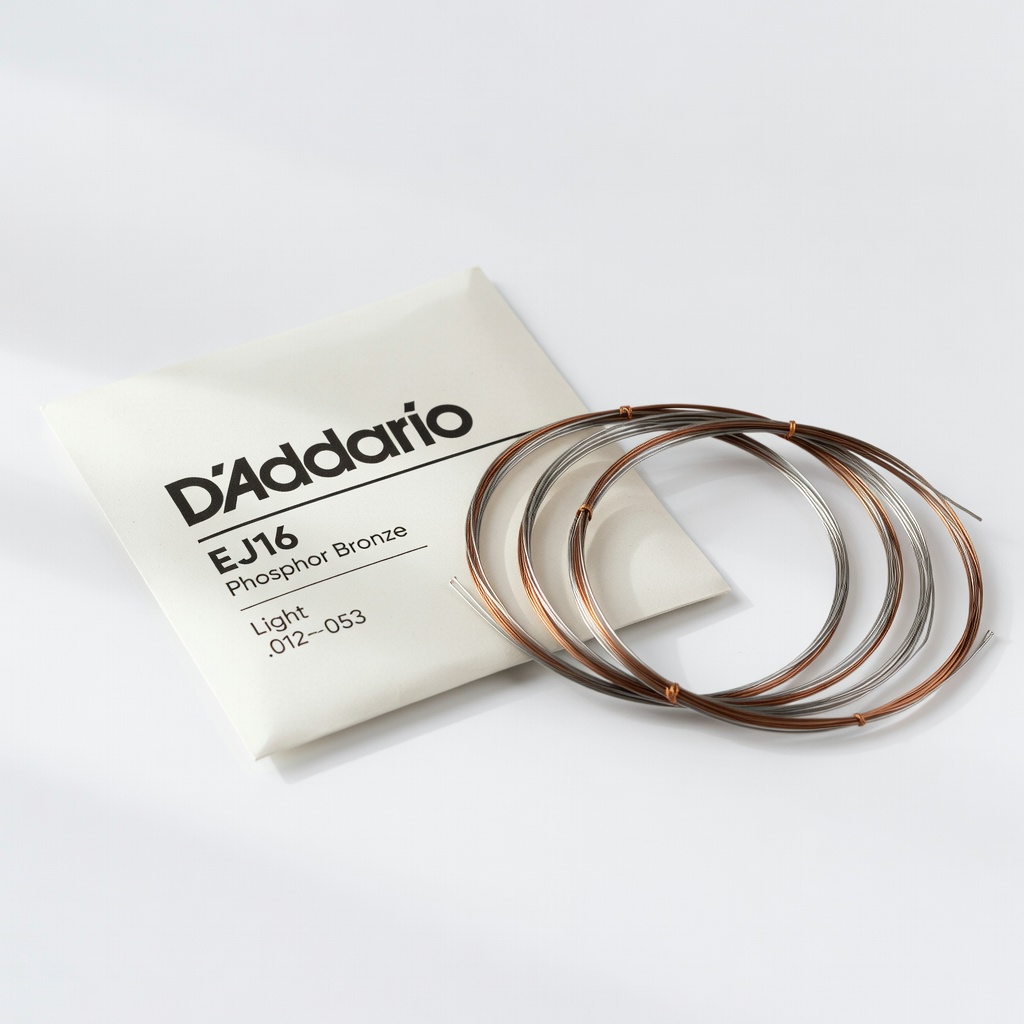
D'Addario EJ16 Phosphor Bronze Acoustic Guitar Strings, Light (.012-.053)
Affordable, warm-toned strings that balance acoustic warmth with electric projection, great for versatile beginners.
Best for: Daily practice or fingerstyle on budget acoustic-electrics without sacrificing quality.
Price Range: $6.99-$8.99
Martin MA140 Authentic Acoustic Superior Performance Phosphor Bronze Strings, Light (.012-.054)
Premium strings designed for Martin guitars but excellent for any acoustic-electric, providing rich tone and durability.
Best for: Upgrading tone on mid-range acoustics for folk or singer-songwriter styles.
Price Range: $5.99-$7.99
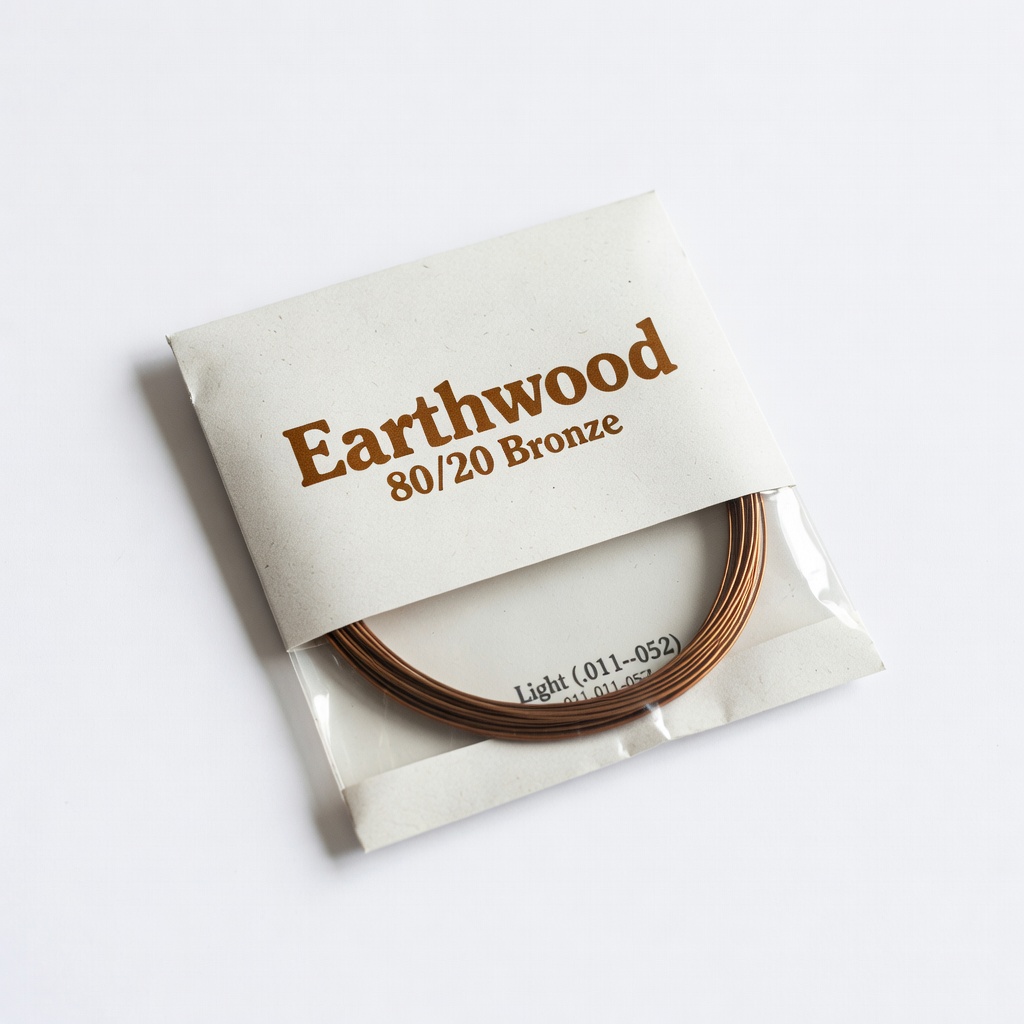
Ernie Ball Earthwood 80/20 Bronze Acoustic Guitar Strings, Light (.011-.052)
Extra-light gauge for easy playability, with a crisp attack that translates well through pickups for beginners.
Best for: If standard light feels tough, these reduce tension for smoother bending and strumming.
Price Range: $5.99-$6.99
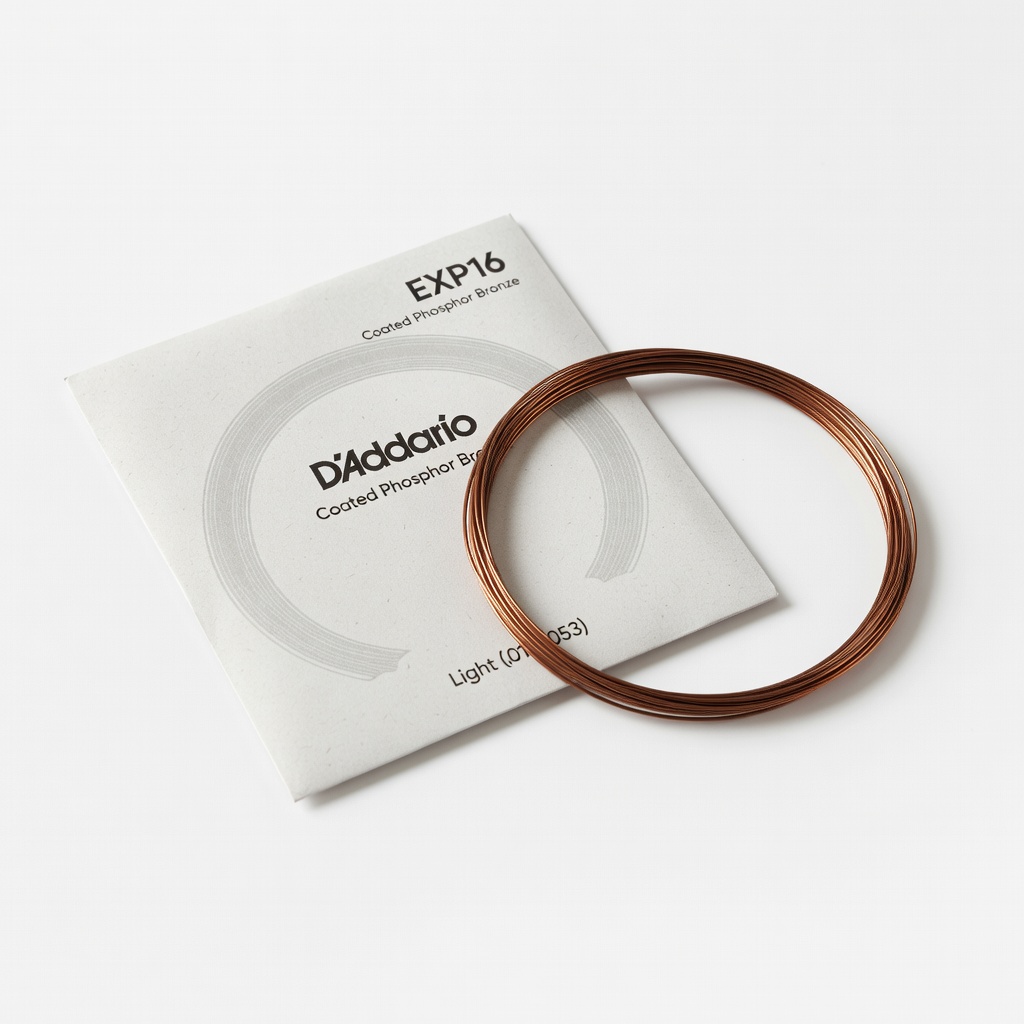
D'Addario EXP16 Coated Phosphor Bronze Acoustic Guitar Strings, Light (.012-.053)
Coated for extended life and smooth feel, minimizing finger noise in amplified settings.
Best for: High-humidity areas or frequent players needing low-maintenance strings.
Price Range: $14.99-$16.99