Performing on stage with an acoustic-electric guitar demands strings that deliver balanced tone, volume, and reliability under bright lights, sweat, and high gain. Many intermediate players struggle with muddy sound, quick string breakage, or feedback issues because they use standard acoustic strings not optimized for amplified stage use.
In this guide, you'll learn the key factors—gauge, material, coatings, and tension—to pick strings that enhance your piezo pickup's response and shine live. We'll break it down step-by-step, from assessing your setup to testing options. Expect 30-45 minutes of research and hands-on evaluation, suitable for intermediate players familiar with basic setup.
By the end, you'll confidently choose strings that boost your stage presence without hassle.
▸What You'll Need
- •Your acoustic-electric guitar (know scale length, nut width, and pickup type)
- •Access to stage amp/PA system or home simulator
- •String gauge measuring tool or calipers (optional)
- •Online string charts or retailer samples
- •Basic knowledge of your playing style (fingerstyle, strumming, hybrid)
Estimated Time: 30-45 minutes
Difficulty: intermediate
▸Step-by-Step Instructions
Step 1: Assess Your Playing Style and Stage Setup
Start by evaluating how you play and your live rig. Stage use means louder volumes, so strings need to project clearly through pickups without excessive brightness causing feedback.
Note if you fingerpick (favor lighter gauges for speed), strum aggressively (medium gauges for volume), or hybrid pick. Check your amp's EQ—boosted highs pair with warmer strings. Why it matters: Mismatched strings lead to poor tone balance on stage.
Expect to jot down notes on sweat exposure (coated strings help) and setlist length (durable materials last longer).
💡 Tips:
- •Record a quick stage sim video to hear your current strings' flaws.
⚠️ Warnings:
- •Don't ignore pickup type—piezo loves balanced tension.
Step 2: Check Your Guitar's Specifications
Measure or recall your guitar's scale length (typically 25.4-25.5" for acoustics) and nut width. This determines ideal tension to avoid high action or fret buzz under stage bending.
Consult your guitar manual or manufacturer site. Acoustic-electrics often have 1-11/16" to 1-3/4" nuts; wider suits heavier gauges. Why? Proper fit prevents setup issues post-string change.
Expect standard dreadnoughts to handle lights (12-53), while smaller bodies prefer extras light.
💡 Tips:
- •Use apps like Guitar Tuner Pro for quick specs lookup.
Step 3: Select String Material: Phosphor Bronze vs. 80/20 Bronze
Phosphor Bronze offers warm mids, clarity, and sparkle—ideal for stage as it cuts through mixes without harshness. 80/20 Bronze (80% copper, 20% zinc) is brighter, punchier for folk/rock but can feedback more.
For acoustic-electric stage, phosphor bronze wins for balanced amplified tone, mimicking unplugged warmth. Analogy: Phosphor is like a smooth vocal mic; 80/20 like a condenser for highs.
Test by plucking open strings into your pickup—choose based on genre (blues/folk: phosphor; bluegrass: 80/20).
💡 Tips:
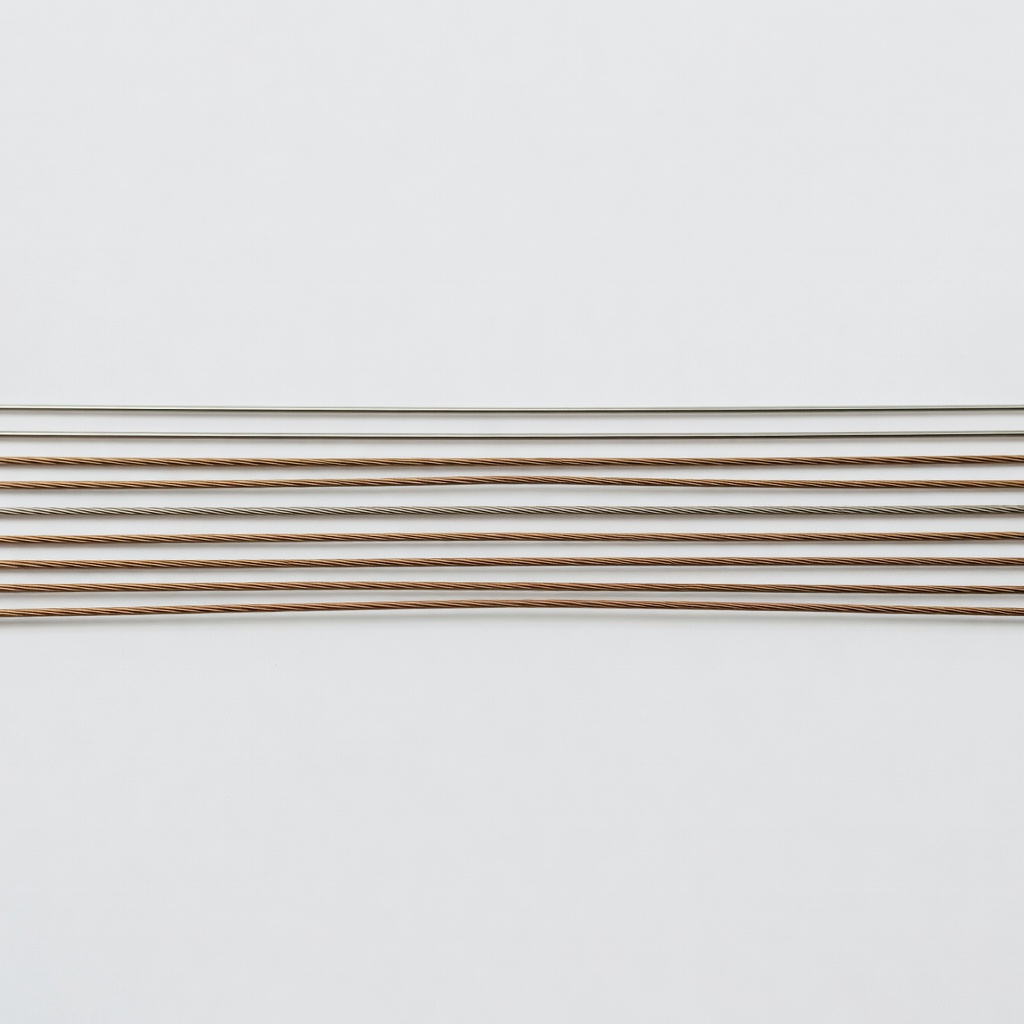
- •Hybrid sets mix plain steel with bronze wound for custom balance.
⚠️ Warnings:
- •Avoid silk & steel; too mellow for stage volume.
Step 4: Choose the Right Gauge and Tension
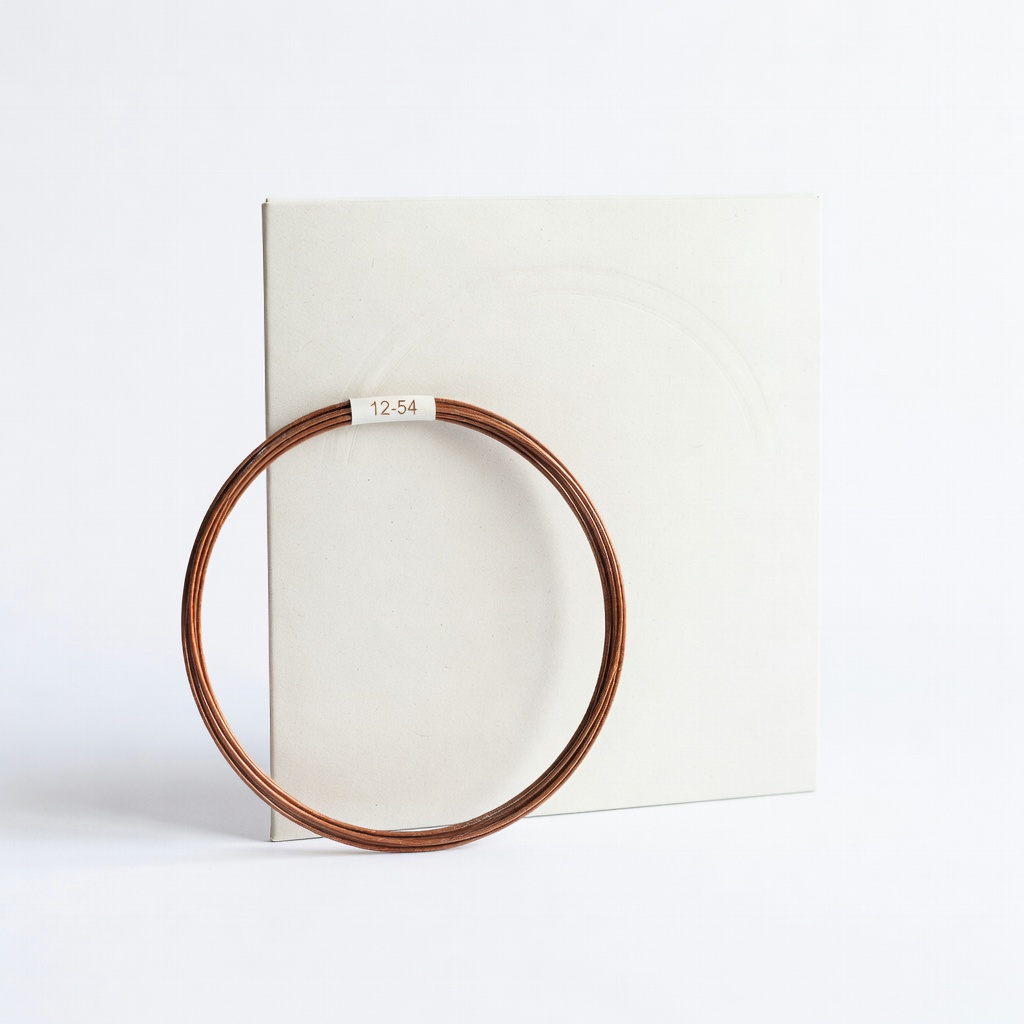
Gauge is thickness: Light (12-53) for easy playability and bendy leads; Medium (13-56) for louder projection and strumming punch. Stage favors light-medium hybrids (12-54) for piezo balance.
Higher tension resists floppiness at high gain. Why? Lights break easier under sweat; mediums add sustain but may tire fingers.
Start with your current gauge +1 if volume lacks; expect brighter attack on stage.
💡 Tips:
- •Custom gauges from Stringjoy for exact needs.
Step 5: Opt for Coated or Uncoated Strings
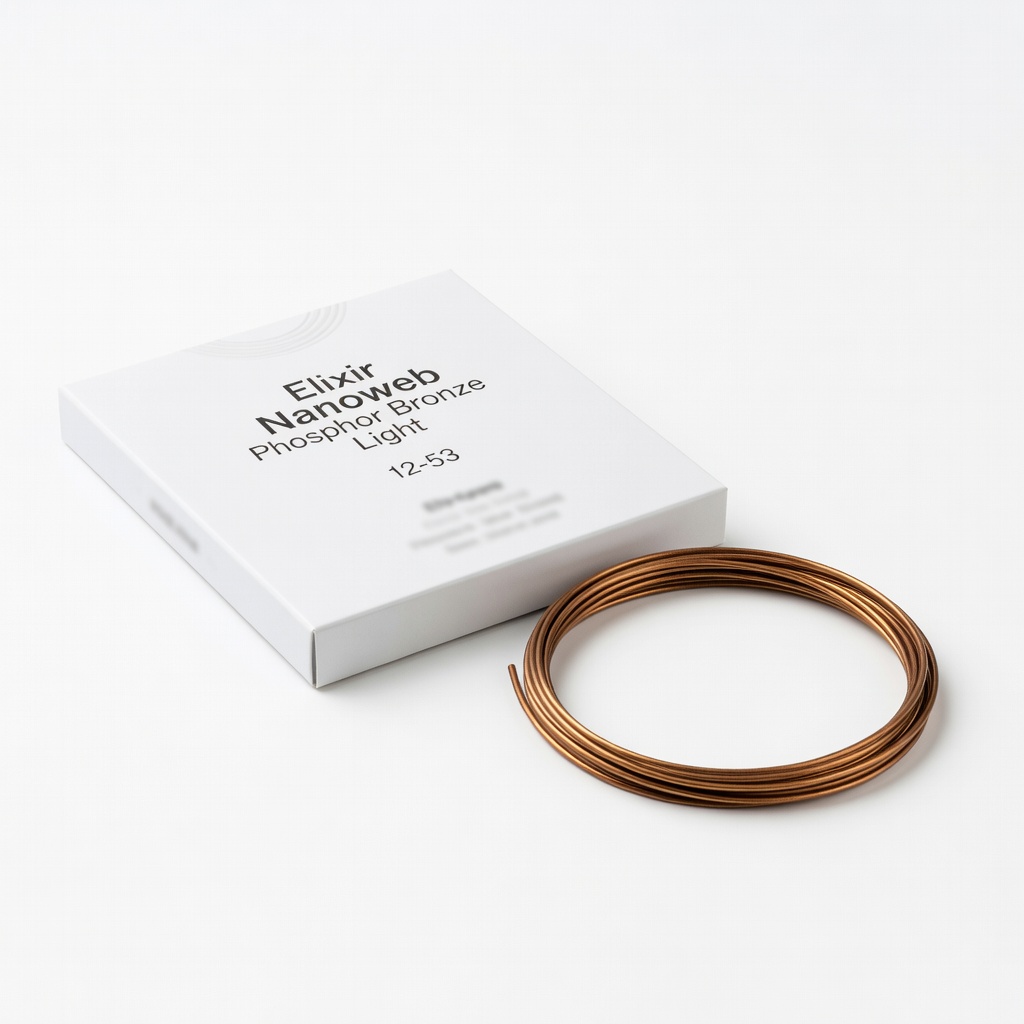
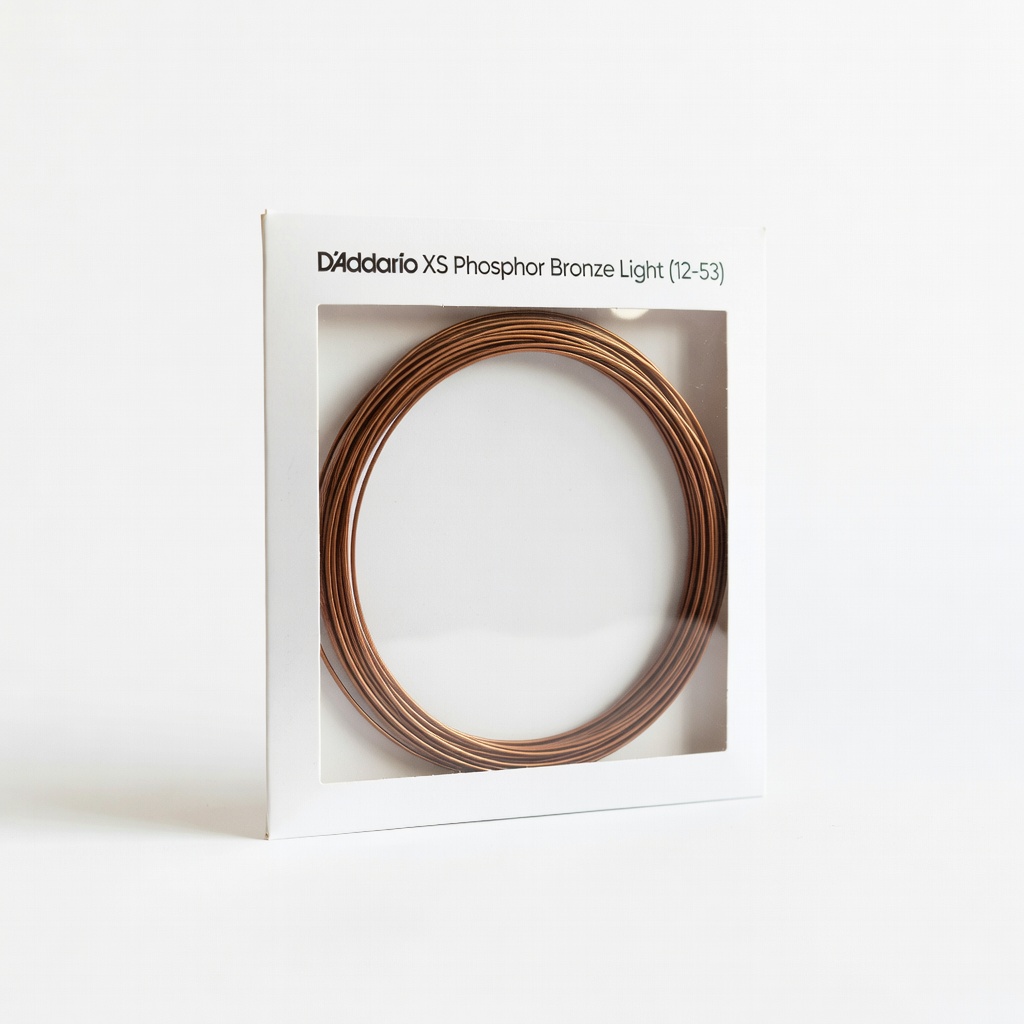
Coated strings (Elixir Nanoweb, D'Addario XS) have polymer layers resisting corrosion from sweaty hands—essential for 2+ hour sets. They feel slicker, last 3-5x longer.
Uncoated offer pure tone but tone-die faster on stage. Analogy: Coated like weatherproof jacket for gig marathons.
Choose coated for pros; test feel as they reduce finger noise.
💡 Tips:
- •Nanoweb for smooth feel; Polyweb for warmer tone.
⚠️ Warnings:
- •Cheap coatings flake; stick to premium.
Step 6: Evaluate Brands and Quality for Reliability
Top brands like Elixir, D'Addario, Martin ensure consistent tension and intonation. Read reviews for stage-specific feedback (low breakage, stable tuning).
Budget vs premium: $7 uncoated vs $15+ coated. Why? Consistent windings prevent dead notes mid-set.
Cross-check with pros' choices (e.g., Taylor players love Elixir).
💡 Tips:
- •Buy singles to test packs first.
Step 7: Test Strings in Your Stage Environment
Install candidates, tune to pitch, play through full band mix or home PA sim. Check projection, feedback threshold, and tone after 30 mins sweat sim.
Record EQ'd audio. Why final? Paper specs don't match your rig.
Restring fully; expect 1-2 hours break-in for true tone.
💡 Tips:
- •Use string winder for quick swaps.
⚠️ Warnings:
- •Stretch new strings well to hold tune.
▸Pro Tips
- •Hybrid picking? Try 12-54 gauges for versatility.
- •For feedback-prone stages, detune wound strings slightly.
- •Keep strings in airtight case post-gig to extend life.
- •Pair with bone saddle for max transmission to pickup.
- •Rotate string sets every 5-10 gigs based on usage.
- •Use nano-coated for electric-like feel on acoustics.
- •Check truss rod after gauge change for action.
▸Common Mistakes to Avoid
- •Using too-light strings: Causes flop and low volume—upgrade to medium light.
- •Ignoring coatings for sweaty gigs: Leads to corrosion mid-set—always coat for stage.
- •Sticking to one material: Limits tone—experiment phosphor vs 80/20 per genre.
- •Skipping guitar specs check: Results in buzz or high action—measure first.
- •Buying cheapest: Inconsistent quality causes tuning slips—invest in mid-tier.
▸Troubleshooting
Problem: Strings buzz or fret out after install
Solution: Wrong gauge for scale—downsize and adjust truss rod 1/4 turn. Check action at 12th fret (3/32" bass, 2/32" treble).
Problem: Feedback squeals on stage
Solution: Switch to warmer phosphor bronze, lower gain, or add EQ cut at 2-4kHz. Position guitar away from monitors.
Problem: Tone dies too fast
Solution: Upgrade to coated strings; wipe with microfiber after each use. Replace every 10 hours play.
Problem: Hard to play/bend
Solution: Too heavy gauge—drop to light and stretch strings 10x per string.
Elixir Nanoweb Phosphor Bronze Light (12-53)
Ultra-durable coating lasts 3-5x longer, smooth feel reduces finger noise, balanced tone excels through piezo on stage.
Best for: Gigging musicians needing sweat-proof reliability and clear projection.
Price Range: $15.99
D'Addario XS Phosphor Bronze Light (12-53)
Advanced XS coating protects against corrosion, ultra-clear tone with extended life, thinner coating preserves natural feel.
Best for: Intermediate players wanting premium protection without slickness.
Price Range: $19.99
Martin Authentic Acoustic SP Phosphor Bronze Light (12-54)
Affordable, projection-focused with warm tone, consistent for stage volume without coating premium price.
Best for: Budget-conscious users testing uncoated stage performance.
Price Range: $6.99
Ernie Ball Paradigm Phosphor Bronze Light (12-54)
Engineered for 3x life, reinforced for tuning stability under stage abuse, bright attack cuts mixes.
Best for: High-energy performers needing break-resistant strings.
Price Range: $16.99