Running should feel liberating, not painful. But if you overpronate, every stride can put extra stress on your feet, knees, and hips. Overpronation happens when your foot rolls too far inward as it lands, flattening the arch more than ideal. Over time, this misalignment can lead to shin splints, plantar fasciitis, and knee pain—unless you choose the right shoes.
In this guide, you'll learn exactly how to choose running shoes for overpronation in 2025. We'll break down how to check your gait, what stability and motion control features to look for, and how to test shoes before committing. You'll also discover common mistakes to avoid and get our top shoe recommendations for different budgets and needs.
No prior experience needed. Just a few minutes to assess your feet, a willingness to try on multiple shoes, and this step-by-step roadmap to find a pair that supports you mile after mile.
▸What You'll Need
- •Your current running shoes (to inspect wear patterns)
- •A low-cut sock or the socks you plan to wear
- •A piece of paper and some water (for the wet foot test)
- •Access to a running specialty store with a treadmill (optional but helpful)
- •Patience and a willingness to ask questions
Estimated Time: 30–45 minutes
Difficulty: beginner
▸Step-by-Step Instructions
Step 1: Understand What Overpronation Is
Pronation is the natural inward rolling of your foot after it strikes the ground. It helps absorb shock and adapt to uneven surfaces. Overpronation means your foot rolls inward more than the ideal ~15 degrees, causing your arch to collapse and flatten and your lower leg to rotate internally. That extra motion can strain muscles and joints.
In 2025, most running shoe brands offer stability shoes with a medial post (a firmer wedge on the inner side) or guide rails that slow down excessive rolling. Knowing whether you overpronate—and how severely—will help you choose between stability shoes and motion-control shoes.
If you aren't sure whether you overpronate, step 2 and step 3 will show you quick self-assessments. But keep in mind that a professional gait analysis at a running store is the gold standard.
💡 Tips:
- •Learn the difference between neutral, stability, and motion control shoes.
⚠️ Warnings:
- •Don't skip the analysis just because you 'feel' fine now—overpronation often leads to injury months down the road.
Step 2: Perform a Wet Foot Test to Identify Your Arch Type
You can get a rough sense of your arch type at home with the wet foot test. Wet your bare feet, then step onto a flat surface like a brown paper bag or a piece of cardboard. Step off and look at the imprint.
- •Flat arch: Your print looks like a complete foot with no visible curve along the inside. This is often associated with overpronation.
- •Normal arch: You'll see a distinct curve taking up about a third of the inside of your foot.
- •High arch: Only a narrow band connects the heel and ball of your foot, indicates underpronation (supination) which is a different category.
While a flat arch makes overpronation likely, some people with flat feet don't overpronate. Similarly, runners with normal arches can still overpronate due to hip or ankle strength. Use this test as a starting point, not the final answer.
💡 Tips:
- •Do the wet foot test on a hard floor and take a photo for later reference.
⚠️ Warnings:
- •Don't decide based solely on arch height; always combine with a gait assessment.
Step 3: Analyze the Wear Pattern in Your Current Shoes
Your old running shoes are a report card for your gait. Set them on a table with the soles facing up.
- •Pronation-neutral runners wear down the outside of the heel and the center of the forefoot evenly.
- •Overpronators typically show compressed foam on the inner edge of the heel and the inner forefoot. You may also see the collar or upper tilted inward when you view the shoe from behind.
- •Supinators show the opposite—wear on the outer edge of the shoe.
Remember that this is an estimate. Worn tread can also reflect foot strike and ground contact. If you have a bad knee or back, the wear may be uneven too. This test works best if you've logged at least 50 miles in the shoe.
💡 Tips:
- •Put your shoes on a flat surface and view them from behind; check if the heel counter looks tilted inward.
⚠️ Warnings:
- •Avoid buying shoes based on wear pattern alone—it doesn't tell you how much motion your foot is actually undergoing.
Step 4: Identify Stability and Motion Control Features
Once you know you need support, you'll want to look for shoes described as 'stability' or 'motion control.' Here's what those terms mean:
- •Stability shoes: Provide moderate support for mild to moderate overpronation. They usually have a medial post, a firmer piece of foam in the midsole, and a slightly curved last that guides your foot gently.
- •Motion control shoes: Offer maximum support for severe overpronation, with a firmer heel counter, wider base, and rigid medial post. They're heavier but more aggressive.
- •Guide rail technology: Some brands, like Brooks, use a 'GuideRail' system that braces your heel and guides it without an overly hard post.
When you're toeing into a shoe, feel for dense foam along the inner midsole. Also check the heel counter—it should feel sturdy enough to hold your foot in place. In 2025, stability shoes are softer and more flexible than the clunky clogs of the past, so you won't feel like you're wearing a cast.
💡 Tips:
- •Ask a salesperson to point out the medial post in the shoe you're holding.
⚠️ Warnings:
- •Don't automatically choose the most control—a maximum-control shoe can over-support a mild overpronator, causing other issues.
Step 5: Get a Professional Gait Analysis (If Possible)
While self-assessments help, nothing beats a professional gait analysis. Most running specialty stores have a treadmill and video setup. They'll ask you to run barefoot and in shoes while recording in slow motion to see how your foot lands and rolls.
The analysis will reveal your exact degree of pronation and which shoes are likely to work best. Technicians can also spot leg-length discrepancies, hip drop, and other biomechanics that affect shoe choice.
If you can't get to a store, set up your phone at floor level on a treadmill and record your run from behind. Look for the ankle caving inward after foot strike. But remember: a video by a trained eye is far more reliable than your own judgment.
💡 Tips:
- •Call ahead to confirm the store offers gait analysis and whether an appointment is required.
⚠️ Warnings:
- •Don't let a store ask you to buy a shoe before the analysis—shop around if pressured.
Step 6: Try on Shoes with the Right Socks and Fit Them Properly
The way a shoe fits is just as important as its features. Before you try on a pair, put on the socks you plan to run in. Go shoe shopping in the evening because your feet swell slightly during the day.
Fit checks:
- •Toe room: With your heel against the back, you should have about a thumb's width between your toes and the front.
- •Width: The midfoot should feel snug, not pinched. The shoe should follow the natural curve of your fifth toe.
- •Heel lock: A well-fitted heel keeps your foot from sliding, even when you wiggle your toes.
Don't be afraid to lace the shoes differently if you have a narrow heel. A heel-lock lace loop (also called a 'runner's loop') can provide extra security.
💡 Tips:
- •Bring your running socks and try on shoes in the late afternoon.
⚠️ Warnings:
- •Never buy shoes that are too tight expecting them to stretch—running shoes are made of synthetic mesh and won't stretch much.
Step 7: Take a Test Run (Indoors or on the Treadmill)
Many stores allow test runs on a treadmill or around the block. Use this to feel how the shoe supports you:
- •Walk first, then jog for 60 seconds.
- •Notice if your foot feels cushioned or if you feel the medial post poking into your arch.
- •Does your heel feel secure? Any pressure points?
- •Try a few sharp turns to make sure the shoe doesn't rock or wobble.
If you're shopping online, you can still get a sense by doing a 'runner's checklist' when the shoes arrive: build a ramp, do a few jumps, and check for stability. But buying in store remains the gold standard for sizing and immediate feedback.
💡 Tips:
- •Run for at least two minutes to let the foam warm up and flex with your stride.
⚠️ Warnings:
- •Some stability shoes feel odd if you haven't worn them before. Give it a few minutes, but if it causes sharp pain or blisters in a short run, it's not the shoe.
Step 8: Consider Custom Insoles or Orthotics (If Recommended)
Sometimes shoes aren't enough; custom insoles can provide extra arch support and alignment. But don't self-prescribe; get guidance. Mention that many stability shoes work with inserts.
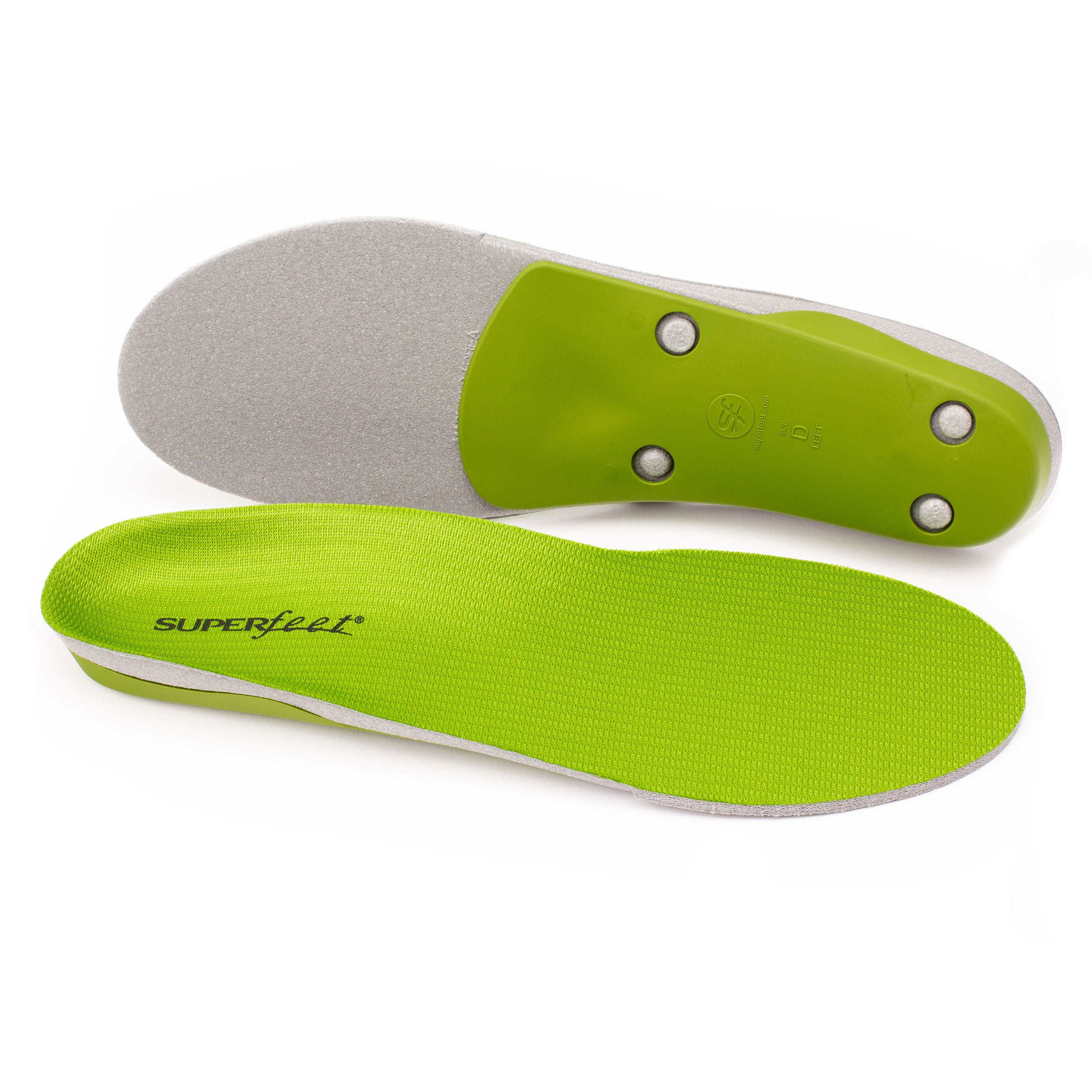
For some runners, additional support is needed beyond the shoe's built-in features. Over-the-counter insoles with firmer arch support (e.g., Superfeet Green) can slightly adjust the fit of a neutral shoe, but they won't replace the engineered stability of a purpose-built shoe.
If you've been dealing with pain or a medical diagnosis, a podiatrist can prescribe custom orthotics. These are made to your foot's exact arches and gait pattern.
When using insoles, choose shoes with a removable sockliner (insole). Most running shoes have this, but some don't. Also, you may need a slightly larger size to accommodate the insole's volume.
💡 Tips:
- •Try the shoe first before adding an insert—many stability shoes are designed to work as a complete unit.
⚠️ Warnings:
- •Don't stack an insole on top of a medial post unless a specialist tells you to—it might overcorrect.
▸Pro Tips
- •Go later in the day – Feet naturally swell, so shopping in the afternoon ensures a better fit.
- •Wear your running socks – The thickness of your sock changes fit dramatically.
- •Ask a store employee to watch you walk – A quick gait check can confirm what your wet foot test suggests.
- •Don't be loyal to a brand – Different stability shoes have distinct fits and foams; try several.
- •Do a shadow test – If the store has a treadmill, film your run to spot the roll.
- •Break in your new shoes gradually – Start with short runs, then increase distance by 10% each week.
- •Replace shoes every 300–500 miles – Even stability midsoles break down, reducing support.
- •Reassess your gait regularly – Your pronation can change with weight loss, strength training, or age.
▸Common Mistakes to Avoid
- •Buying shoes based on arch type alone – Overpronation is about motion, not just arch height. A flat foot doesn't always roll excessively.
- •Choosing maximum motion control for mild overpronation – This can irritate your knees because it blocks the natural shock absorption your foot needs.
- •Ignoring pain until it becomes an injury – If you feel persistent pain in your shins, heels, or knees, get professional help instead of just changing shoes.
- •Skipping the test run – Shoes that look good but feel slightly off can lead to blisters and achilles issues.
- •Upgrading to expensive stability shoes without strengthening your feet – Shoes can't replace exercises like calf raises, ankle mobility work, and balance drills.
▸Troubleshooting
Problem: My feet still hurt even with stability shoes.
Solution: Check that the shoe is the right size and the support isn't digging into your arch. Consider swapping the sockliner for a custom orthotic or consulting a podiatrist.
Problem: My shoes wear out on the inside even after only 100 miles.
Solution: You may have a severe overpronation that needs a motion control shoe or corrective insoles. Bring the shoes to a reputable running store for diagnosis.
Problem: I have flat feet but don't overpronate—should I still get stability shoes?
Solution: No. Many flat-footed runners have neutral movement. Use a gait analysis or video to confirm. If you're neutral, a neutral shoe is fine.
Problem: Can I tape or strap my feet to fix overpronation?
Solution: Taping can give temporary support but won't change the underlying mechanics. Focus on strengthening your glutes, core, and ankle stabilizers, and choose a shoe with the right support.
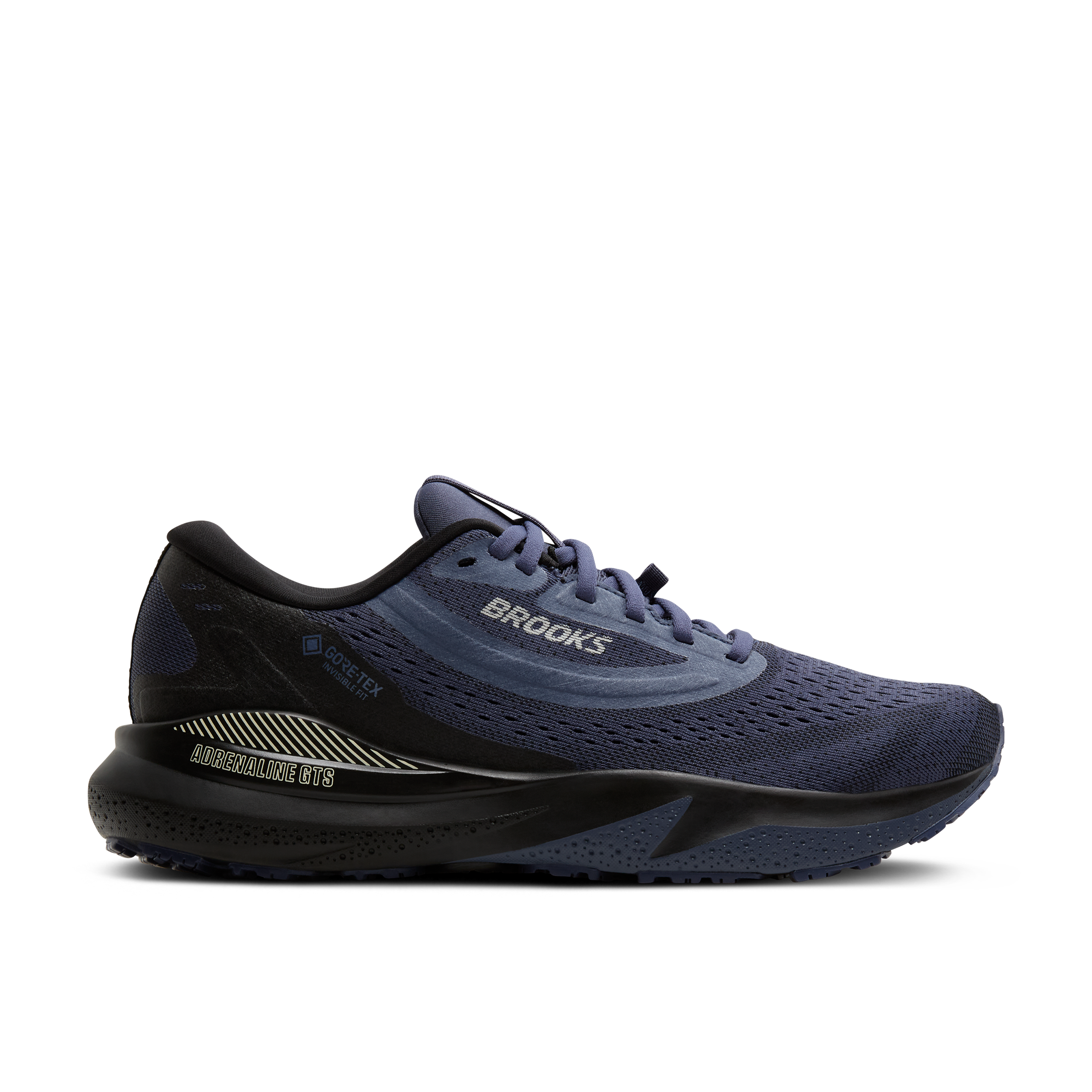
Brooks Adrenaline GTS 24
A classic stability shoe known for its cushioned ride and GuideRails that make it forgiving for mild to moderate overpronation. It's popular among beginner and long-distance runners.
Best for: Daily runs, tempo runs, and walking for runners with mild to moderate overpronation.
Price Range: $140–$160
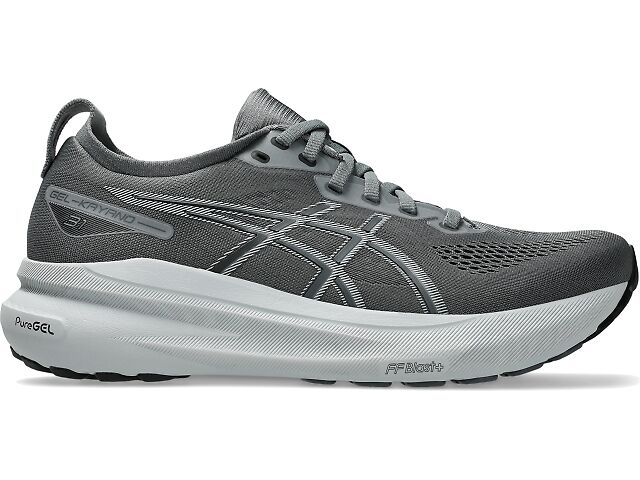
ASICS GEL-Kayano 31
A premium stability shoe with FF Blast+ foam and a dynamic medial post. Offers excellent cushioning and durable support for heavier runners or those with moderate overpronation.
Best for: Long runs and high-mileage week for those who want an extra-soft feeling underfoot.
Price Range: $160–$180
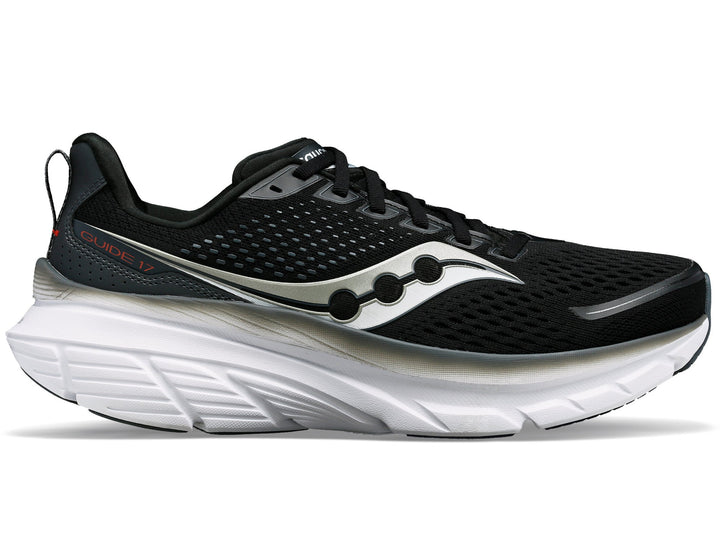
Saucony Guide 17
A lightweight stability shoe with a moderate medial post and PWRRUN cushioning. It's ideal for runners who don't need max support but still want gentle guidance.
Best for: Speed workouts, tempo runs, and daily training for runners with mild to moderate overpronation.
Price Range: $140–$150
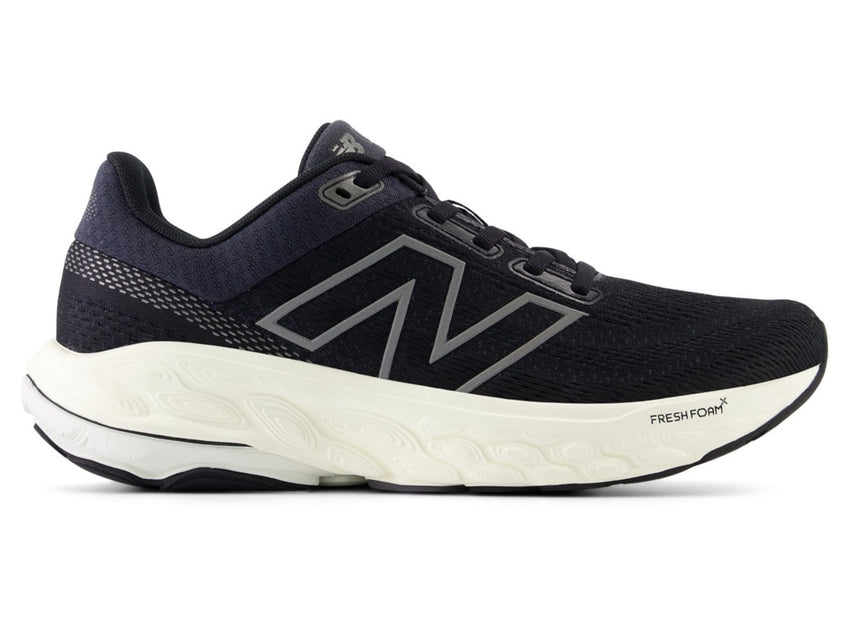
New Balance Fresh Foam X 860 v14
A versatile stability shoe with a plush Fresh Foam midsole and a medial post that blends comfort with control. Good for neutral-to-mild pronators who want a softer ride.
Best for: Everyday running and walking for those who like a cushioned but still supportive platform.
Price Range: $140–$150
Superfeet Green Insoles
High-density foam and deep heel cup provide extra arch support if you need more than your shoe offers. They can be inserted into shoes with removable sockliners.
Best for: Runners who want additional, customizable arch support in the same shoes, or for activity where you need more rigidity.
Price Range: $50–$60