
Brooks Adrenaline GTS 23
Best for mild to moderate overpronation; daily training and long runs.
$130–$150
Brooks Adrenaline GTS 23 A classic stability shoe with GuideRails technology that supports both overpronation and natural knee alignment.
Get the App
Better experience on mobile
Learn to find the perfect running shoes for flat feet to prevent injury and run comfortably.
If you have flat feet, you know the struggle: every step can feel unstable, and running often leads to pain in your arches, knees, or hips. Flat feet (fallen arches) cause overpronation—your foot rolls inward excessively—which throws off your entire running gait. But the right pair of shoes can make all the difference. In this guide, you'll learn how to identify your foot type, understand key shoe features like stability and motion control, and discover top-rated shoes designed for flat feet. Whether you're a beginner or a seasoned runner, these steps will help you run pain-free and efficiently.
Estimated Time: 30 minutes to read and understand, plus 1–2 hours for shopping and fitting Difficulty: beginner
Flat feet mean your arch is very low or touches the ground completely. When you run, the arch collapses inward, a motion called overpronation. This misalignment can cause shin splints, plantar fasciitis, and knee pain. Think of your foot like a tire: overpronation is like misaligned wheels that wear out the inside edge. To check if you have flat feet, stand barefoot on a hard surface. If your arch doesn't lift when you go on your toes, you likely have flexible flat feet that pronate during running.
💡 Tips:
⚠️ Warnings:
The wet test is a simple, free way to determine your arch type. Wet your foot, step onto a piece of brown paper or a cardboard box, and step off. Examine the imprint: a flat foot leaves a full sole print with little to no curve at the instep. If you see a moderate curve, you have a normal arch. A very narrow print (only heel and forefoot connected by a thin line) indicates high arches. For flat feet, you'll have a 'pancake' shape. This test gives you a starting point before you hit the store.
💡 Tips:
Your old shoes tell a story. Flip them over and look at the outsole wear pattern. Overpronators show excessive wear on the inside (medial) edge of the heel and forefoot. The shoe may also lean inward when placed on a flat surface. If the upper mesh is collapsed inward, that's another sign. This visual evidence confirms what your gait is doing. If your shoes are worn evenly, you might be neutral or supinated. Bring a pair of old shoes to the store for the fitter to see.
💡 Tips:
⚠️ Warnings:
Running shoes for flat feet fall into two main categories: stability and motion control. Stability shoes have a medial post (dense foam on the inside) that slows pronation. Motion control shoes offer even more support, often a rigid heel and broader base. Both have firm midsoles, structured heel counters, and generous arch support. Neutral shoes lack these supports and are best for high arches. For mild overpronation, stability is enough. For severe overpronation, look for motion control. Some shoes also have guide rails (like Brooks' GuideRails) that gently correct alignment.
💡 Tips:
⚠️ Warnings:
Nothing beats a professional gait analysis. Visit a specialty running store where a fitter will watch you walk or run on a treadmill, often using slow-motion video. They'll assess your pronation angle and recommend specific models. Tell them you have flat feet. Bring your old shoes and current orthotics. Try on shoes with your running socks and orthotics if you use them. Walk around, jog, and even run on the treadmill. A good fitter will let you test multiple pairs and won't push a brand.
💡 Tips:
⚠️ Warnings:
When you try on a pair, check for heel slip: your heel should not lift more than a quarter-inch. There should be a thumb's width of space between your longest toe and the shoe's end. Secure the laces snugly—some runners use a 'runner's knot' for extra lockdown. Run in the store if possible; some allow a short treadmill run. But the real test is a short run outside: many stores have a 30-day return policy if the shoes don't work. Take advantage of that. Pay attention to how your feet feel: no pinching, rubbing, or instability.
💡 Tips:
⚠️ Warnings:
Even with stability shoes, some runners need additional arch support. Over-the-counter orthotics like Superfeet or Powerstep can be inserted into neutral or stability shoes. They provide a rigid shell that lifts the arch and controls pronation. Custom orthotics from a podiatrist are also an option for severe cases. If you've tried stability shoes and still feel pain, try adding an orthotic. Insert them into the shoe and retest. Make sure your shoe has a removable insole (most running shoes do).
💡 Tips:
⚠️ Warnings:
Problem: I still feel arch pain even with stability shoes.
Solution: Try adding an orthotic insole like Superfeet. If pain persists, consult a podiatrist for custom orthotics.
Problem: My stability shoes feel too stiff and uncomfortable.
Solution: You might need a lighter stability shoe (e.g., Hoka Arahi vs. Brooks Adrenaline). Also try a different brand—some have softer medial posts.
Problem: I'm not sure if I overpronate; the wet test and old shoe wear contradict.
Solution: Visit a running store for a gait analysis. Video analysis is definitive.
Problem: I bought shoes online and they don't feel right.
Solution: Check the store's return policy. Many online retailers offer free returns. Don't try to 'break them in'—running shoes should feel good from the start.
A classic stability shoe with GuideRails technology that supports both overpronation and natural knee alignment.
Best for: Best for mild to moderate overpronation; daily training and long runs.
Price Range: $130–$150
Premium stability with a plush feel and excellent medial support for moderate to severe overpronation.
Best for: Ideal for runners needing maximum comfort and support on longer distances.
Price Range: $150–$170
A lightweight stability shoe with a wide base and J-Frame support; great for those who find traditional stability shoes too heavy.
Best for: Best for moderate overpronation; daily training and speed work.
Price Range: $130–$150
Reliable stability with a soft Fresh Foam midsole and medial post for a smooth ride.
Best for: Good for runners on a budget who need sturdy support for daily miles.
Price Range: $120–$140
High-arch support and deep heel cup for maximum motion control; known for durability.
Best for: Add to neutral or stability shoes if you need extra arch support and heel stability.
Price Range: $45–$55
Best for mild to moderate overpronation; daily training and long runs.
Brooks Adrenaline GTS 23 A classic stability shoe with GuideRails technology that supports both overpronation and natural knee alignment.
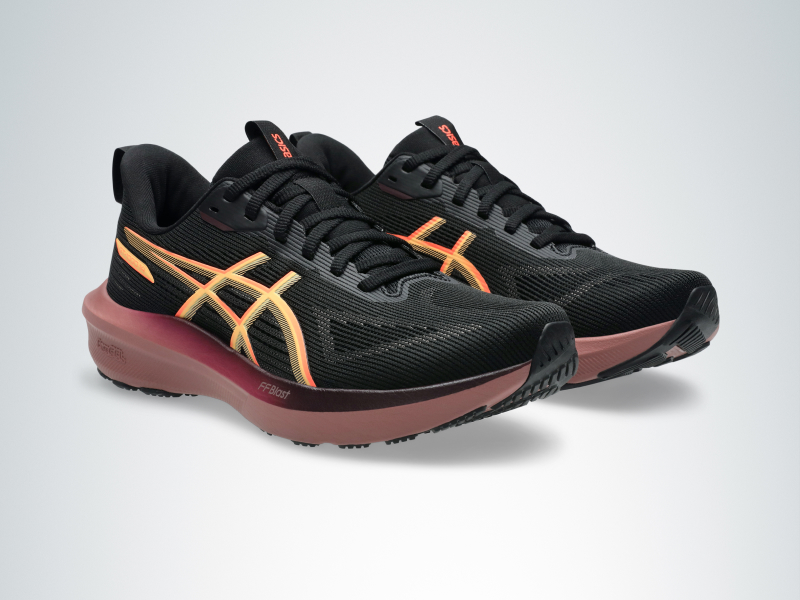
Ideal for runners needing maximum comfort and support on longer distances.
ASICS Gel-Kayano 30 Premium stability with a plush feel and excellent medial support for moderate to severe overpronation.
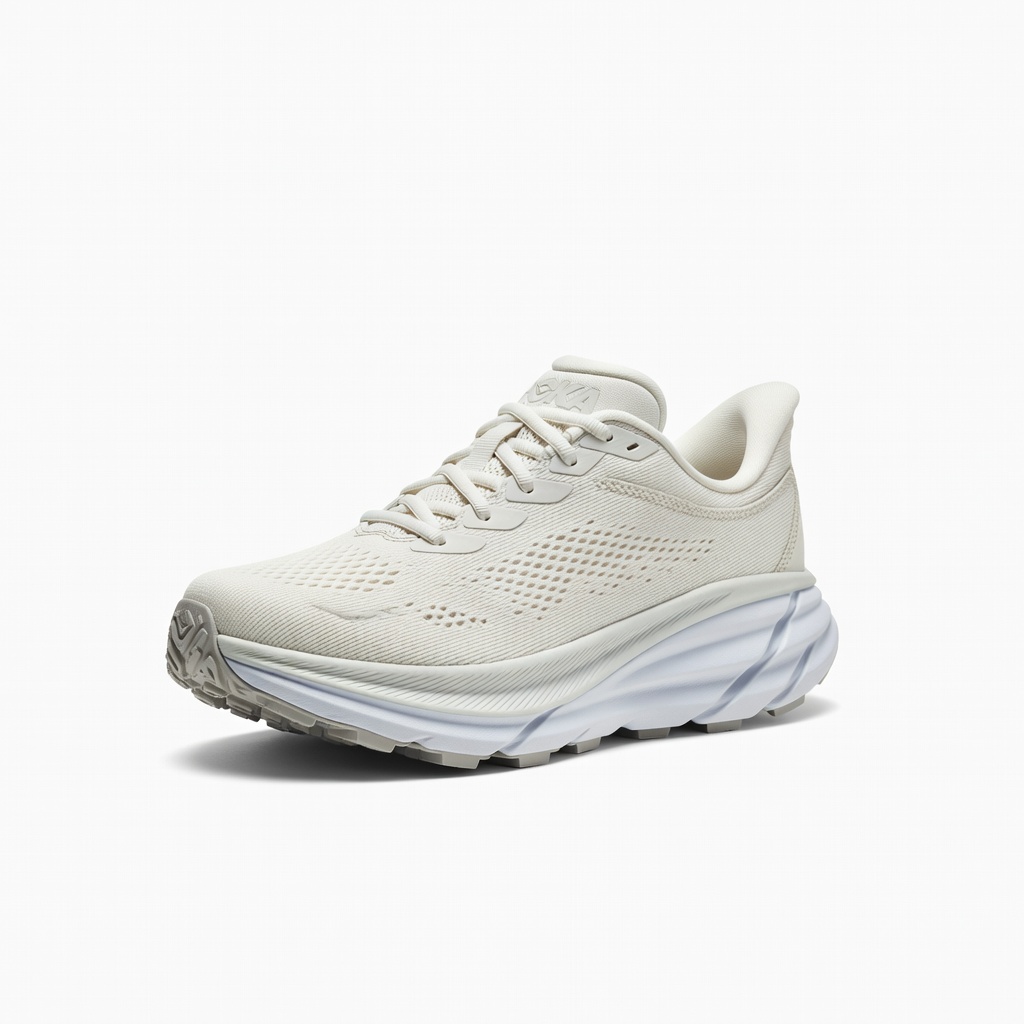
Best for moderate overpronation; daily training and speed work.
Hoka Arahi 7 A lightweight stability shoe with a wide base and J-Frame support; great for those who find traditional stability shoes too heavy.
Good for runners on a budget who need sturdy support for daily miles.
New Balance Fresh Foam 860v13 Reliable stability with a soft Fresh Foam midsole and medial post for a smooth ride.
Add to neutral or stability shoes if you need extra arch support and heel stability.
Superfeet Green Premium Insoles High-arch support and deep heel cup for maximum motion control; known for durability.