
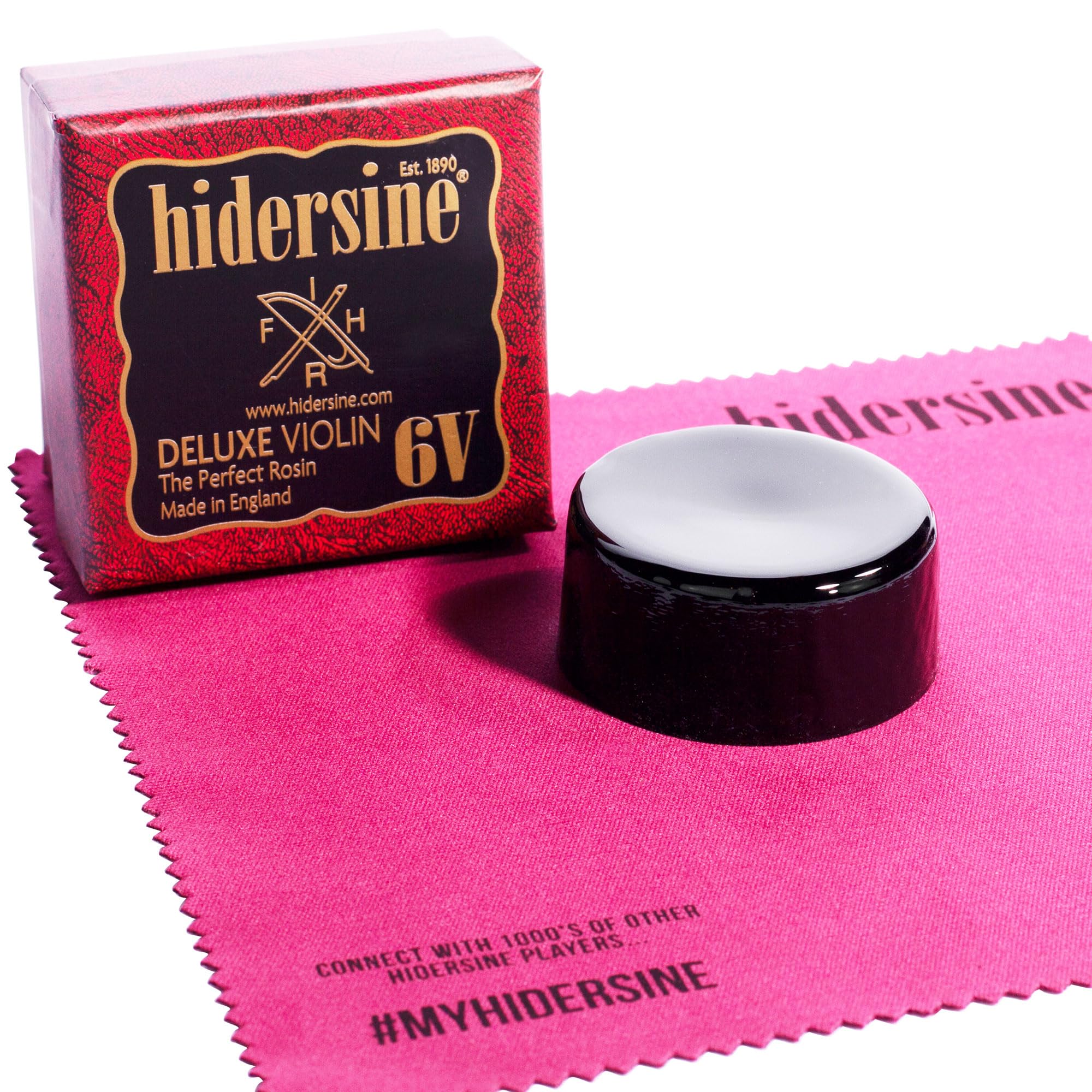
Hidersine 6VM Rosin for Violin (Light)
Daily practice on student violins; versatile starter.
$6-8
Hidersine 6VM Rosin for Violin (Light) Beginner-friendly light rosin with smooth grip, low dust, perfect for warm climates and steel strings.
Get the App
Better experience on mobile
Learn to pick the perfect rosin for better tone, smooth bowing, and easy playability on your violin as a beginner.
Struggling with scratchy sounds, uneven bow grip, or dust buildup on your violin bow? The culprit is often mismatched rosin. Rosin creates friction between your bow hair and strings for clear, resonant tones—but choosing the wrong type leads to squeaks, poor projection, or excessive residue.
In this guide, you'll learn the key factors like rosin hardness, color, climate match, and string compatibility. We'll break it down into simple steps so you can confidently select rosin that elevates your playing. No prior expertise needed; expect to finish researching and deciding in under 20 minutes.
By the end, you'll know exactly what to buy, avoiding common beginner pitfalls and getting pro-level results from day one.
Estimated Time: 15-20 minutes Difficulty: beginner
Rosin is a sticky resin from pine trees (or synthetic) applied to bow hair. It grips violin strings to produce vibration and sound—without it, your bow slides silently.
Why it matters: Good rosin ensures smooth, even tone. Bad rosin causes chirps, slips, or gunk. As a beginner, start here to grasp basics before shopping.
Expect a 'ahas' moment: Rosin wears off over 3-5 hours of play, so reapply regularly.
💡 Tips:
Rosin comes in light (hard) for warm/humid climates (less sticky, smoother) and dark (soft) for cold/dry areas (more grip, fuller tone).
Light rosin: Beech wood base, amber color, ideal for >70°F or synthetic strings. Dark: Softer pine resin, blackish, for <60°F or gut strings.
Match yours: Beginners often pick medium rosin (neutral color) for versatility. Test by rubbing a bit on your finger—light feels slick, dark tackier.
⚠️ Warnings:
Violin rosin behaves differently with temperature/humidity. In summer or tropics, choose light rosin to prevent stickiness. Winter? Go dark for extra bite.
Pro tip: Check local weather averages. Store rosin at room temp (68°F) to maintain consistency.
What to expect: Climate mismatch shows as bow slip (too hard) or residue balls (too soft).
💡 Tips:
Steel strings (common on student violins): Light or medium rosin for bright tone.
Synthetic/gut strings: Darker rosin for warmth.
Why? String material affects friction needs. Beginners usually have steel—stick to light/medium unless upgrading.
Top brands use pure colophony resin without fillers. Look for 'violin-specific,' non-allergenic, low-dust formulas.
Avoid cheap generics—they cake and scratch. Check reviews for 'smooth application' and 'clean residue.'
Expect: Premium rosin lasts 2-3x longer per cake.
💡 Tips:
Scan Amazon/Forums for beginner feedback: 'easy grip,' 'no dust.' Buy sample sizes first.
Test: Apply 10 long strokes—listen for even tone, no squeaks. Clean bow fully first.
Decision time: Shortlist 2-3 based on price ($5-15).
⚠️ Warnings:
Beginners: $5-10 cakes last 6-12 months. Buy from reputable sellers.
Final check: Versatility, warranty, eco-friendly if you care. Order and enjoy improved sound!
Problem: Bow slips on strings
Solution: Switch to softer/darker rosin or apply more strokes. Check humidity.
Problem: Excessive dust or squeaks
Solution: Use harder/light rosin; clean bow thoroughly.
Problem: Gunky residue buildup
Solution: Too soft for climate—swap and rehair bow if severe (pro help).
Problem: No tone improvement
Solution: Verify application technique; test different brand.
Beginner-friendly light rosin with smooth grip, low dust, perfect for warm climates and steel strings.
Best for: Daily practice on student violins; versatile starter.
Price Range: $6-8
Affordable medium rosin, non-allergenic, even powder distribution for clean play.
Best for: Budget beginners in moderate climates needing reliable all-rounder.
Price Range: $4-6
Premium natural formula, excellent tone projection, minimal residue.
Best for: Intermediate beginners upgrading for better sound quality.
Price Range: $7-10
Soft dark rosin for cold climates, rich tone on synthetic strings.
Best for: Winter players or those wanting warm, full sound.
Price Range: $12-15
Daily practice on student violins; versatile starter.
Hidersine 6VM Rosin for Violin (Light) Beginner-friendly light rosin with smooth grip, low dust, perfect for warm climates and steel strings.
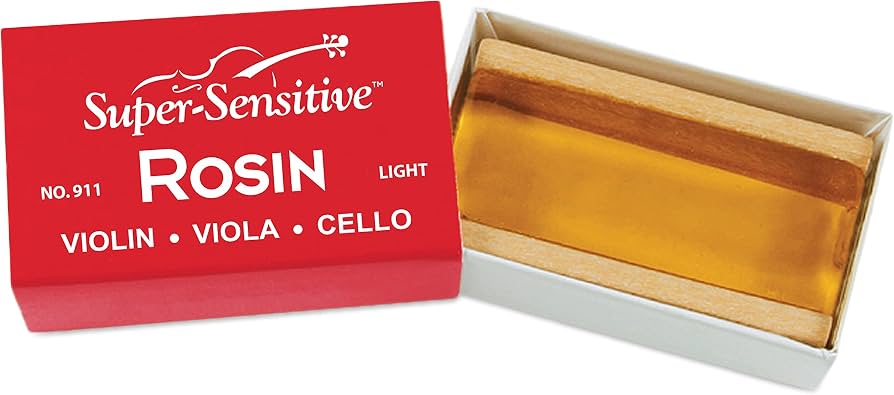
Budget beginners in moderate climates needing reliable all-rounder.
Super-Sensitive Red Violin Rosin Affordable medium rosin, non-allergenic, even powder distribution for clean play.
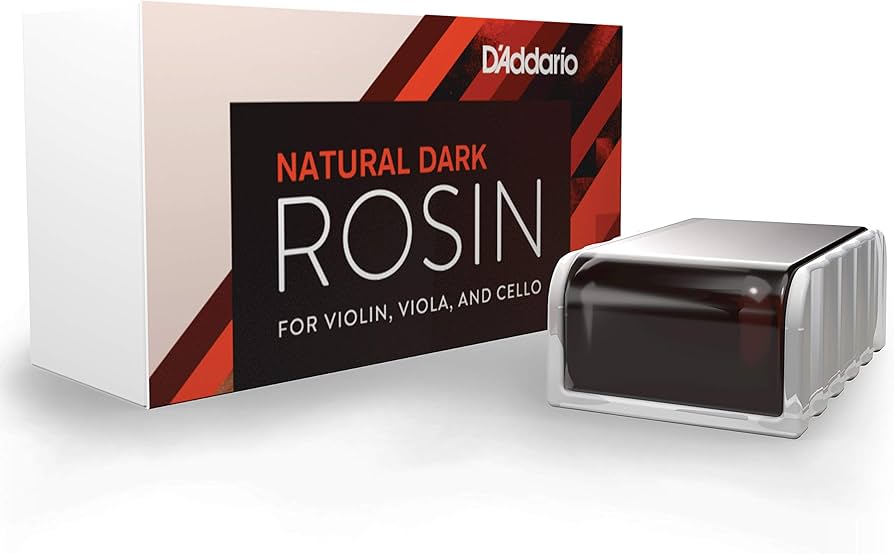
Intermediate beginners upgrading for better sound quality.
D'Addario Natural Violin Rosin Premium natural formula, excellent tone projection, minimal residue.
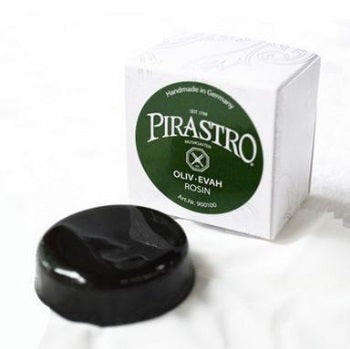
Winter players or those wanting warm, full sound.
Pirastro Oliv Rosin (Dark) Soft dark rosin for cold climates, rich tone on synthetic strings.