Choosing the right mulch for your garden beds can transform your landscape, but with so many options available, it's easy to feel overwhelmed. Whether you're dealing with flower beds, vegetable gardens, or tree surrounds, the wrong mulch can lead to poor plant health, pest issues, or unnecessary maintenance. This guide addresses that pain point by helping you make informed decisions that save time and money while promoting thriving gardens.
In this comprehensive how-to, you'll learn how to assess your garden's needs, evaluate mulch types, and select the perfect option for different bed types. We'll cover everything from organic vs. inorganic mulches to practical application tips. Expect to spend about 45-60 minutes reviewing your garden and researching options—no advanced tools required, just some basic observation skills for intermediate gardeners.
By the end, you'll have a clear plan to mulch your beds effectively, resulting in healthier plants, reduced watering needs, and a more beautiful yard.
▸What You'll Need
- •Notebook or garden journal for notes
- •Measuring tape to assess bed sizes
- •Access to garden (for on-site evaluation)
- •Online resources or garden center visit (optional for samples)
- •Soil test kit (optional, for precise pH and nutrient analysis)
Estimated Time: 45-60 minutes
Difficulty: intermediate
▸Step-by-Step Instructions
Step 1: Assess Your Garden Bed Types
Begin by identifying the specific types of garden beds you have, such as flower beds, vegetable gardens, shrub borders, or tree rings. Walk through your yard and categorize each bed based on its primary plants—perennials, annuals, edibles, or ornamentals. This step is crucial because different plants have unique needs; for example, vegetable beds require mulches that break down quickly to enrich soil, while ornamental beds might prioritize aesthetics.
Take notes on the bed's size, sun exposure, and drainage. Sketch a simple map if it helps. Expect to spend 10-15 minutes here; success looks like a clear list of 3-5 bed categories with key characteristics noted.
Why it matters: Matching mulch to bed type prevents issues like root rot in poorly drained areas or nutrient depletion in food gardens.
💡 Tips:
- •Prioritize beds with the most visible impact first, like front-yard flower beds.
- •Consider bed age—new beds may need weed-suppressing mulches more than established ones.
⚠️ Warnings:
- •Don't overlook shaded vs. sunny beds, as moisture retention varies greatly.
Step 2: Evaluate Soil and Plant Requirements
Test or observe your soil's condition in each bed—check for pH (acidic, neutral, alkaline), texture (sandy, clay, loamy), and moisture levels. For plants, note if they're acid-loving (like azaleas) or if the bed grows edibles that need organic matter. Use a simple soil probe or kit for accuracy.
This informs mulch choice: acidic soils pair well with pine bark, while heavy clay benefits from coarse mulches that improve aeration. You'll know you're on track when you've matched 2-3 key plant/soil needs per bed.
Why it matters: The right mulch amends soil over time, supporting plant health without chemical fertilizers.
💡 Tips:
- •If testing soil, do it in spring or fall for best results.
- •For veggies, choose mulches high in nitrogen to avoid depleting soil nutrients.
⚠️ Warnings:
- •Avoid mulches that alter pH drastically unless intended, like fresh wood chips in alkaline soils.
Step 3: Consider Climate and Location Factors
Factor in your local climate—hot/dry, cold/wet, or temperate—and the bed's microclimate (e.g., near a house for reflected heat). In arid areas, opt for mulches that retain moisture like wood chips; in wet climates, choose fast-draining options to prevent fungal growth.
Also, think about bed placement: sloped beds need erosion-resistant mulches, while windy spots require heavier materials. Success here means noting climate influences for each bed, adjusting choices accordingly.
Why it matters: Climate-appropriate mulch reduces watering by up to 50% and protects against extreme weather.
💡 Tips:
- •Check USDA hardiness zone online for precise climate data.
- •In urban areas, consider pollution-resistant mulches like rubber for contaminated soils.
⚠️ Warnings:
- •Steer clear of mulches that harbor pests in humid climates, like untreated straw.
Step 4: Compare Mulch Types and Materials
Research main mulch categories: organic (e.g., bark, compost, straw) for soil enrichment and inorganic (e.g., gravel, rubber, landscape fabric) for longevity. For flower beds, shredded hardwood adds color; vegetable beds suit straw or grass clippings; tree beds work with nuggets to avoid matting.
Weigh pros/cons: organics decompose (renew every 1-2 years) but improve soil; inorganics last longer but don't add nutrients. List 2-3 options per bed type.
Why it matters: This ensures functionality—weed suppression, insulation—tailored to your needs.
💡 Tips:
- •Visit a local nursery to touch and smell samples for the best feel.
- •Dyed mulches are aesthetic but fade; choose natural for longevity.
⚠️ Warnings:
- •Avoid cocoa mulch for toxic risks to pets; opt for cedar instead.
Step 5: Factor in Aesthetics, Maintenance, and Cost
Decide on color, texture, and uniformity—red cedar for vibrant flower beds, neutral pine for veggies. Consider maintenance: fine mulches compact faster, needing more upkeep; coarse ones stay put.
Budget per cubic yard (typically $20-50). Calculate rough quantities: 2-3 inches deep covers most beds. Success: A shortlist of 1-2 mulches per bed with pros/cons.
Why it matters: Balances beauty with practicality for low-effort gardens.
💡 Tips:
- •Mix mulches for borders to create visual interest without overwhelming.
- •Buy in bulk for savings if you have multiple beds.
⚠️ Warnings:
- •Overly fine mulches can wash away in rain; test a small area first.
Step 6: Calculate Quantity and Source Mulch
Measure bed areas (length x width) and aim for 2-4 inches depth. Use an online calculator: volume = area x depth / 27 (for cubic yards). Source from reputable suppliers to avoid contaminated products.
Order or buy based on your shortlist. Expect delivery or pickup; success is having exact amounts ready.
Why it matters: Prevents waste and ensures even coverage.
💡 Tips:
- •Add 10% extra for settling and uneven spots.
- •Local arborists often sell free wood chips—sustainable and cheap.
⚠️ Warnings:
- •Don't skimp on depth; less than 2 inches fails to suppress weeds.
Step 7: Apply and Monitor Your Chosen Mulch
Once selected, apply in layers, keeping it 2-3 inches from plant stems to avoid rot. Water lightly after to settle. Monitor for the first month: check for settling or weeds.
Adjust as needed. Success: Beds look neat, plants perk up within weeks.
Why it matters: Proper application maximizes benefits like temperature regulation.
💡 Tips:
- •Apply in spring or fall for best establishment.
- •Use edging to contain mulch in beds.
⚠️ Warnings:
- •Never pile mulch against tree trunks—'mulch volcanoes' harm roots.
▸Pro Tips
- •Refresh organic mulches annually in high-traffic areas to maintain appearance.
- •Use a wheelbarrow for even distribution in large beds to save time.
- •Incorporate compost under mulch for an extra nutrient boost in veggie beds.
- •For sloped beds, lay landscape fabric first under inorganic mulches to prevent erosion.
- •Choose locally sourced mulches to support sustainability and reduce transport costs.
- •Test small patches of colored mulch to ensure it matches your home's exterior.
- •Combine mulches: coarse base layer for drainage, fine top for looks.
▸Common Mistakes to Avoid
- •Selecting mulch without considering plant type, leading to nutrient imbalances or pH shifts—avoid by always checking soil needs first.
- •Applying too thinly, which allows weeds to emerge—aim for at least 2 inches every time.
- •Ignoring bed drainage, causing waterlogging with moisture-retaining mulches—test soil percolation before choosing.
- •Overlooking pest-prone mulches like fresh wood chips that attract termites—opt for aged or inorganic alternatives.
- •Buying dyed mulches without checking for safe dyes, risking plant toxicity—stick to natural or certified options.
▸Troubleshooting
Problem: Mulch isn't suppressing weeds effectively.
Solution: Increase depth to 3-4 inches or add a weed barrier fabric underneath; reapply if decomposed.
Problem: Plants show signs of rot near mulch.
Solution: Pull mulch back 2-3 inches from stems and improve drainage by forking soil.
Problem: Mulch fades or washes away quickly.
Solution: Choose coarser textures or UV-stabilized options; apply edging to contain it.
Problem: Soil becomes too acidic over time.
Solution: Switch to neutral mulches like hardwood and test pH yearly; add lime if needed.
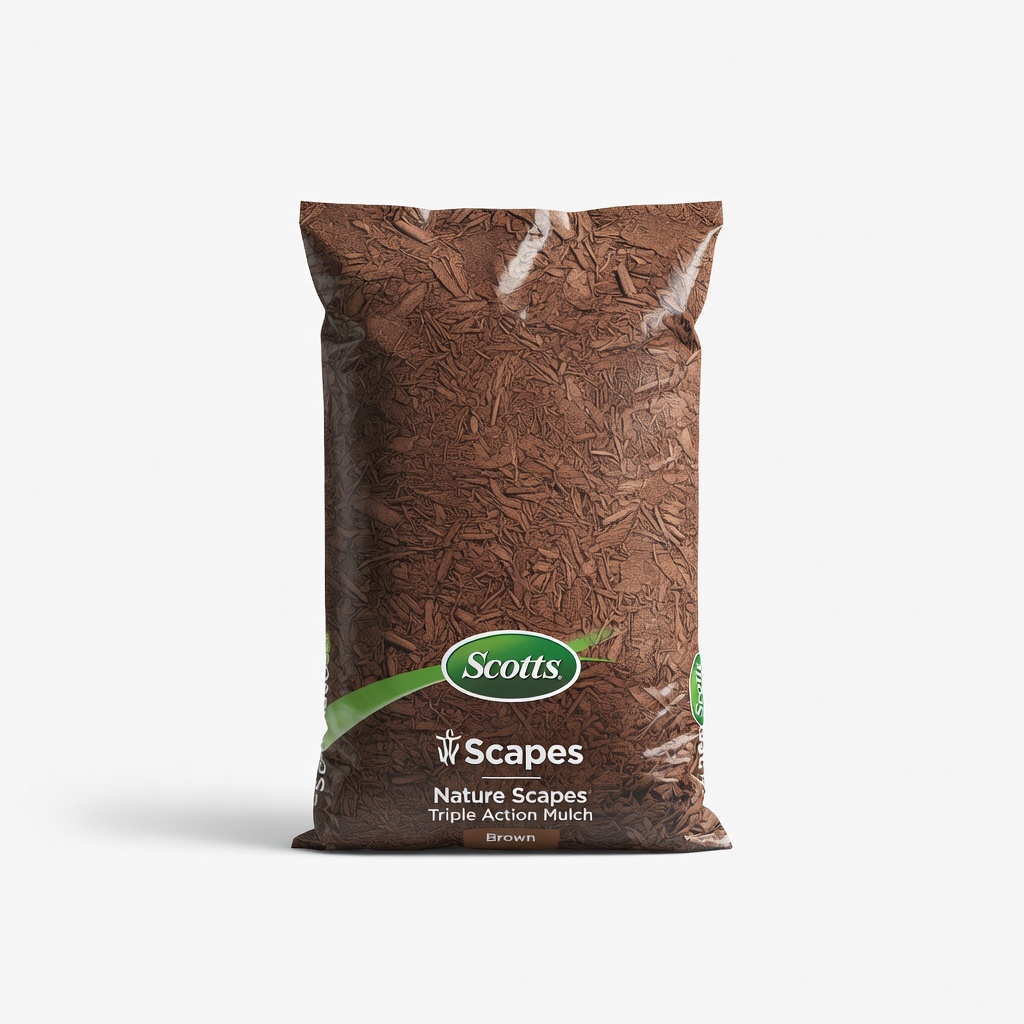
Scotts Nature Scapes Triple Action Mulch (Color: Brown)
This organic hardwood mulch controls weeds, retains moisture, and enriches soil with slow-release nutrients, ideal for intermediate gardeners seeking all-in-one benefits.
Best for: Best for flower and shrub beds needing long-lasting coverage without frequent reapplication.
Price Range: $20-25 per 1.5 cu ft bag
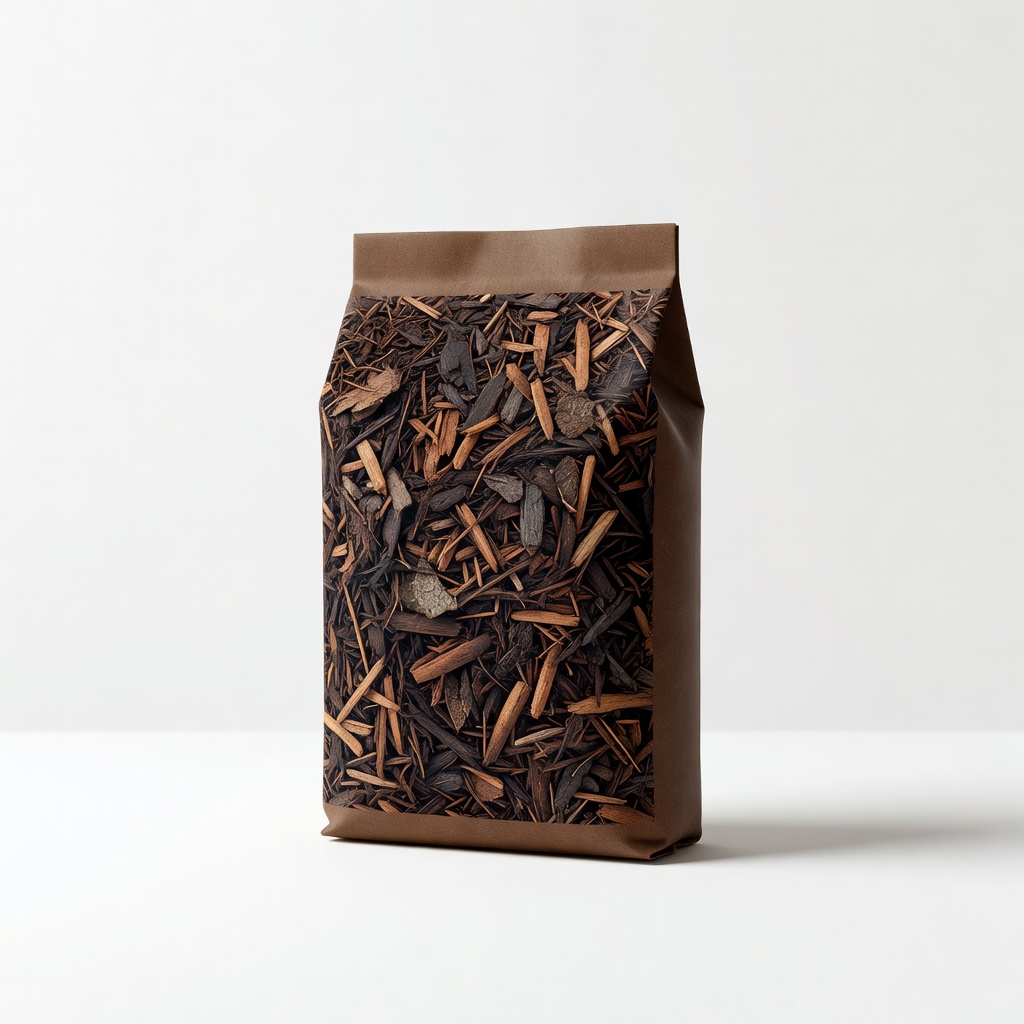
Vigoro Premium Brown Mulch
Durable and aesthetically pleasing with natural color that doesn't fade quickly, providing excellent weed suppression and insulation.
Best for: Suitable for vegetable gardens or mixed beds where soil amendment and low maintenance are priorities.
Price Range: $15-20 per 2 cu ft bag
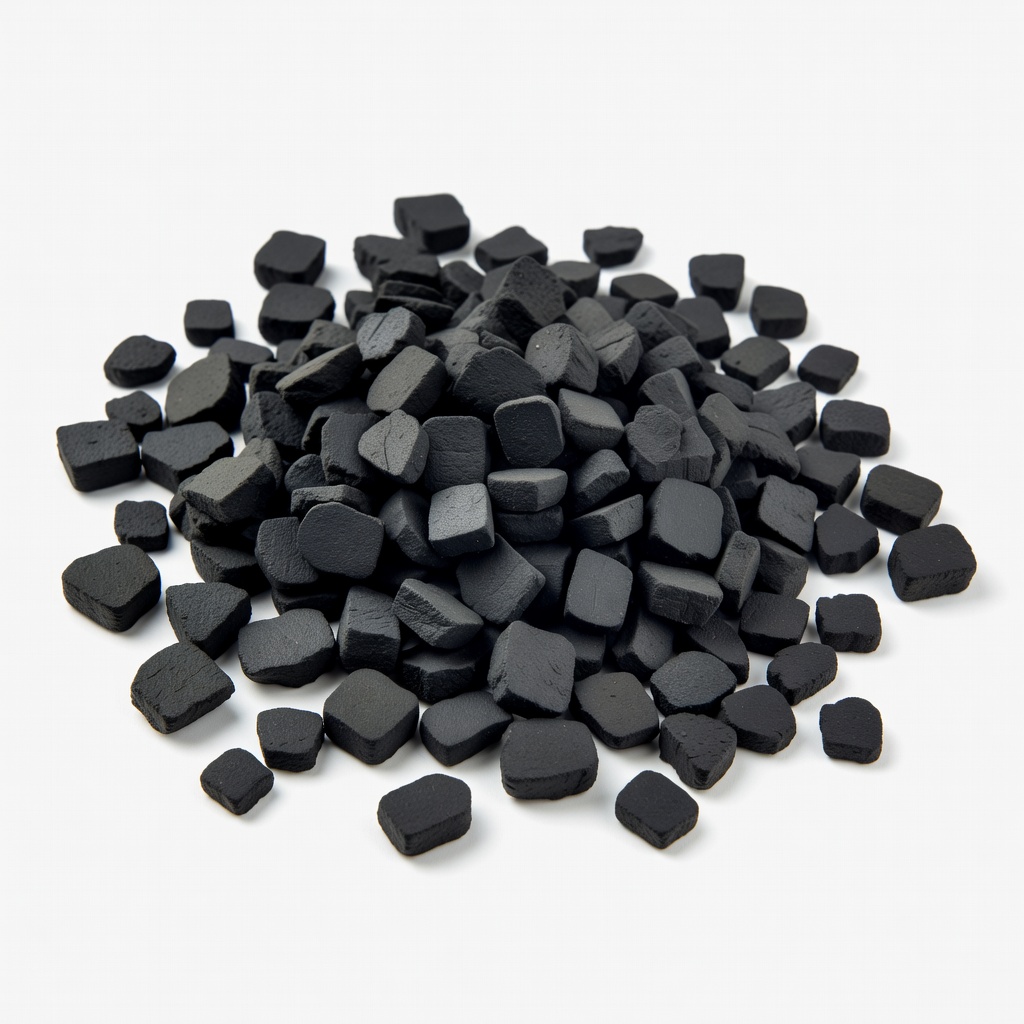
NUFLOR Rubber Mulch Nuggets
Inorganic and long-lasting (up to 10 years), it's great for high-traffic or sloped beds as it doesn't decompose or attract pests.
Best for: Perfect for tree surrounds or play areas near gardens, where durability trumps soil enrichment.
Price Range: $40-50 per 40 lb bag
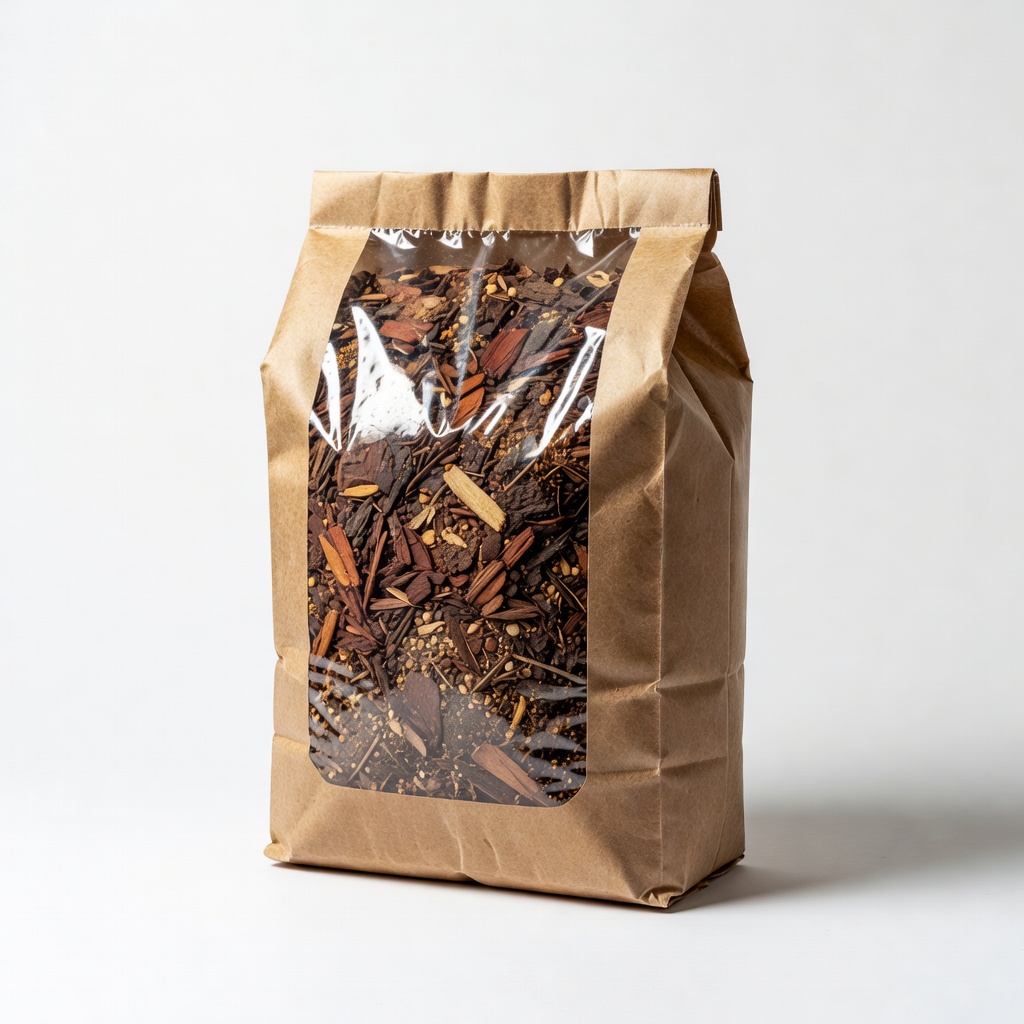
Espoma PTM8 Plant-tone Mulch (with fertilizer)
Blends mulch with organic fertilizer for enhanced plant growth, making it a smart choice for nutrient-hungry beds.
Best for: Use in new or underperforming garden beds to kickstart soil health alongside mulching.
Price Range: $25-30 per 36 lb bag
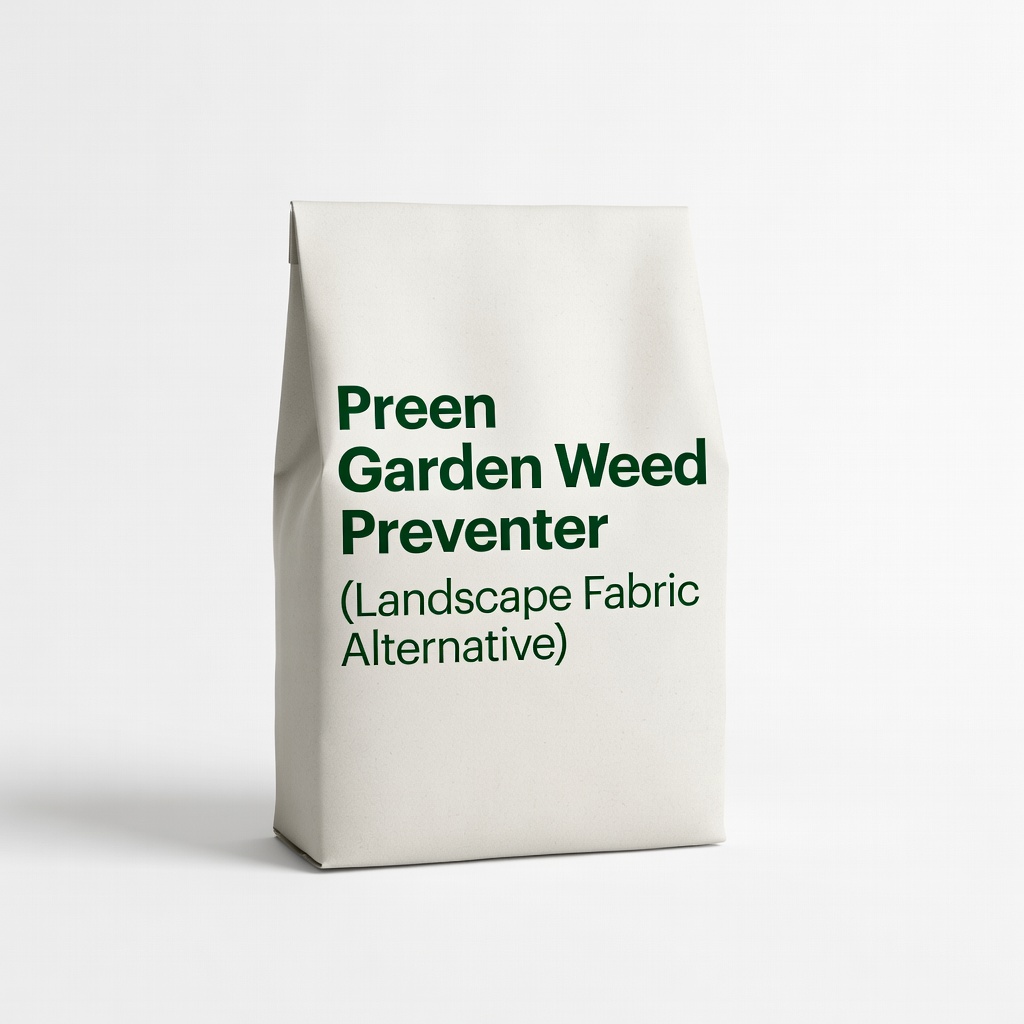
Preen Garden Weed Preventer (Landscape Fabric Alternative)
Not a traditional mulch but pairs perfectly with any type for superior weed control, saving time on maintenance.
Best for: Apply under organic mulches in weed-prone beds for extended protection.
Price Range: $15-20 per 13.5 lb jug (covers 250 sq ft)