As our loved ones age, maintaining mobility becomes crucial for their independence and quality of life. However, choosing the right mobility aid can be overwhelming with so many options available. Without proper selection, seniors risk discomfort, instability, or even injury, leading to frustration for both the user and caregivers.
In this guide, you'll learn how to assess needs, evaluate types of aids, and make informed decisions tailored to specific situations. Whether it's a cane for mild support or a rollator for more assistance, we'll cover the essentials to ensure safety and ease of use. The process is straightforward and doesn't require prior expertise.
Expect to spend about an hour researching and deciding, with the difficulty level suitable for beginners. By the end, you'll feel confident selecting an aid that fits perfectly.
▸What You'll Need
- •A notebook or digital device for notes and measurements
- •Access to the senior's living space for environmental assessment (required)
- •Measuring tape for height, weight, and space measurements (required)
- •Budget information and insurance details (required)
- •Consultation with a doctor or physical therapist (highly recommended)
- •Online access for product research (optional but helpful)
Estimated Time: 45-60 minutes
Difficulty: beginner
▸Step-by-Step Instructions
Step 1: Assess the Senior's Specific Needs
Begin by evaluating the individual's mobility challenges. Observe or discuss issues like balance problems, joint pain, fatigue, or difficulty walking on uneven surfaces. Consider their daily activities, such as navigating home stairs or grocery shopping.
This step is vital because mismatched aids can worsen problems or cause falls. Expect to identify key factors like the level of support needed (minimal for canes, more for walkers) and any medical conditions, such as arthritis or post-surgery recovery.
Involve the senior in this discussion to ensure the aid feels empowering rather than restrictive.
💡 Tips:
- •Ask open-ended questions like 'What activities are hardest?' to uncover hidden needs.
- •Note environmental factors, like narrow doorways or outdoor paths.
⚠️ Warnings:
- •Avoid assuming needs based on age alone; each person is unique.
Step 2: Understand the Types of Mobility Aids
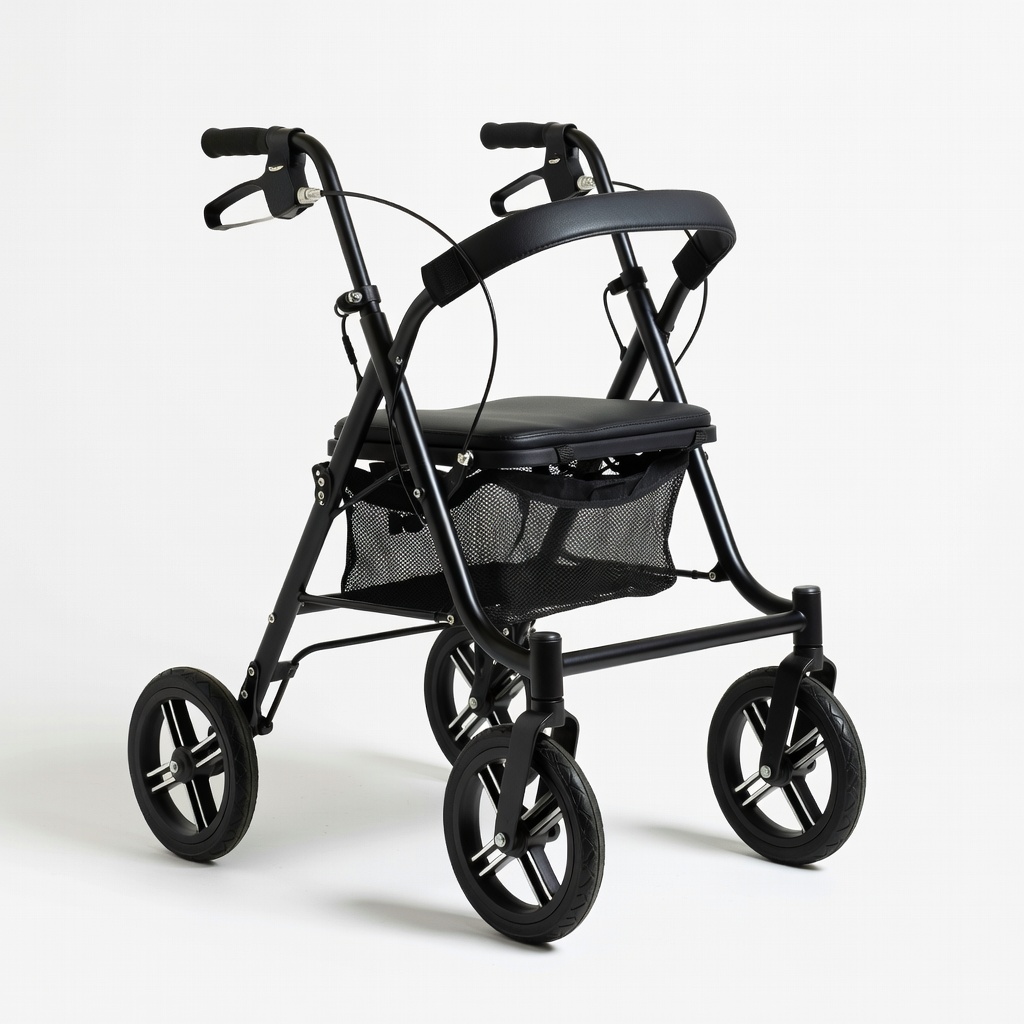
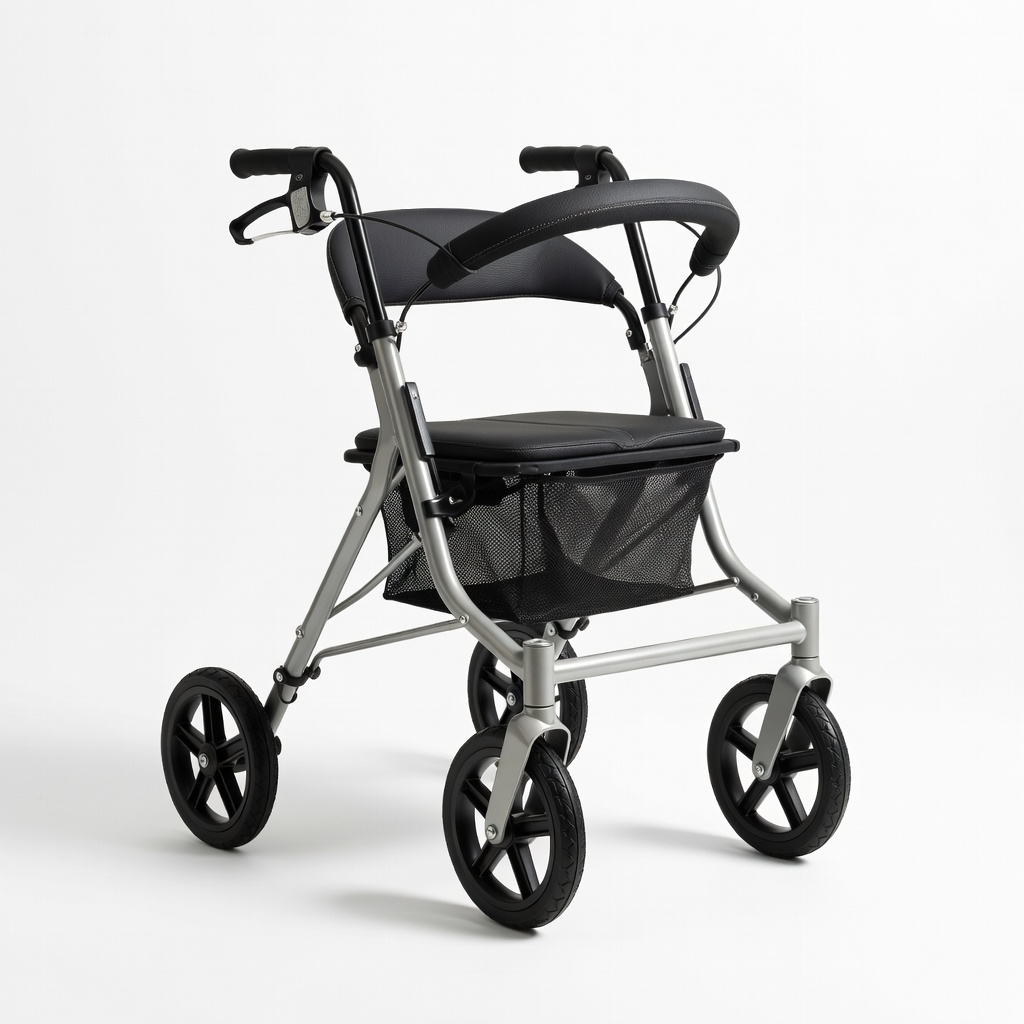
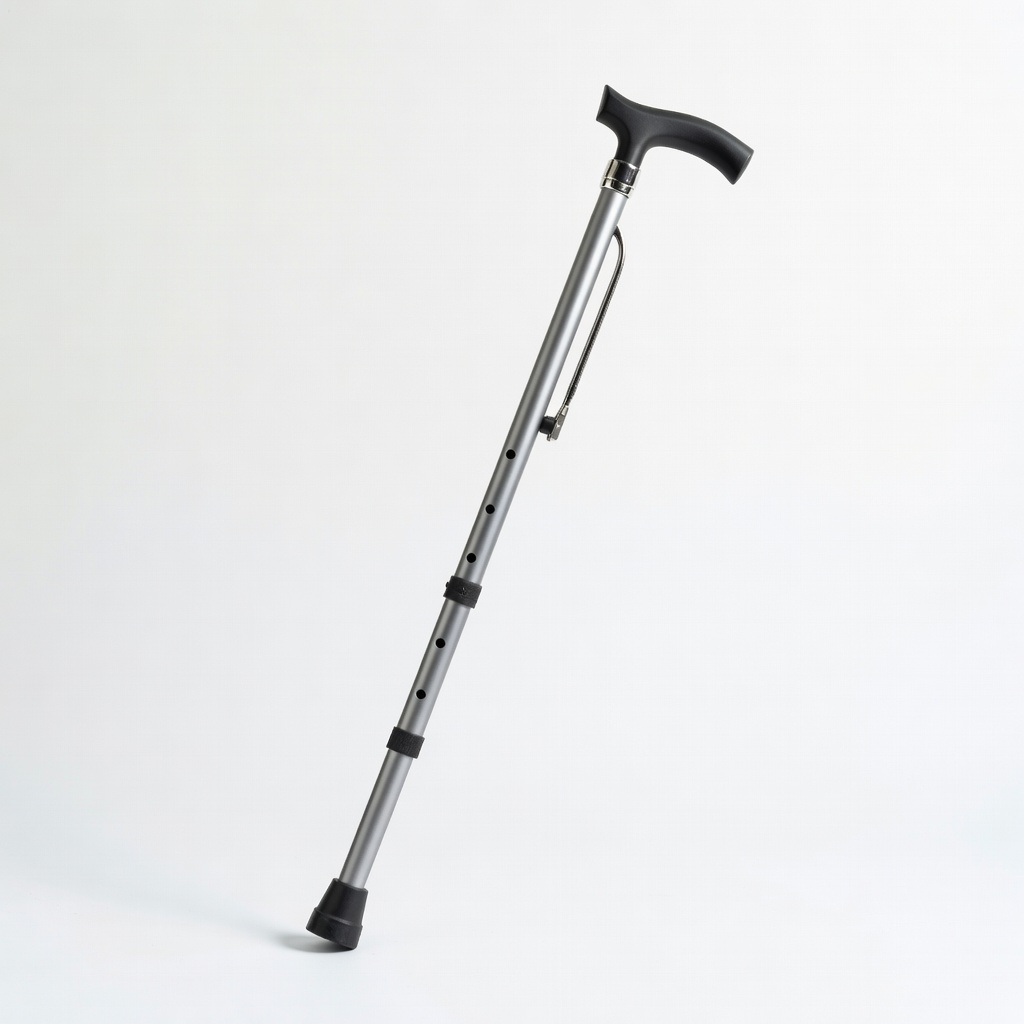
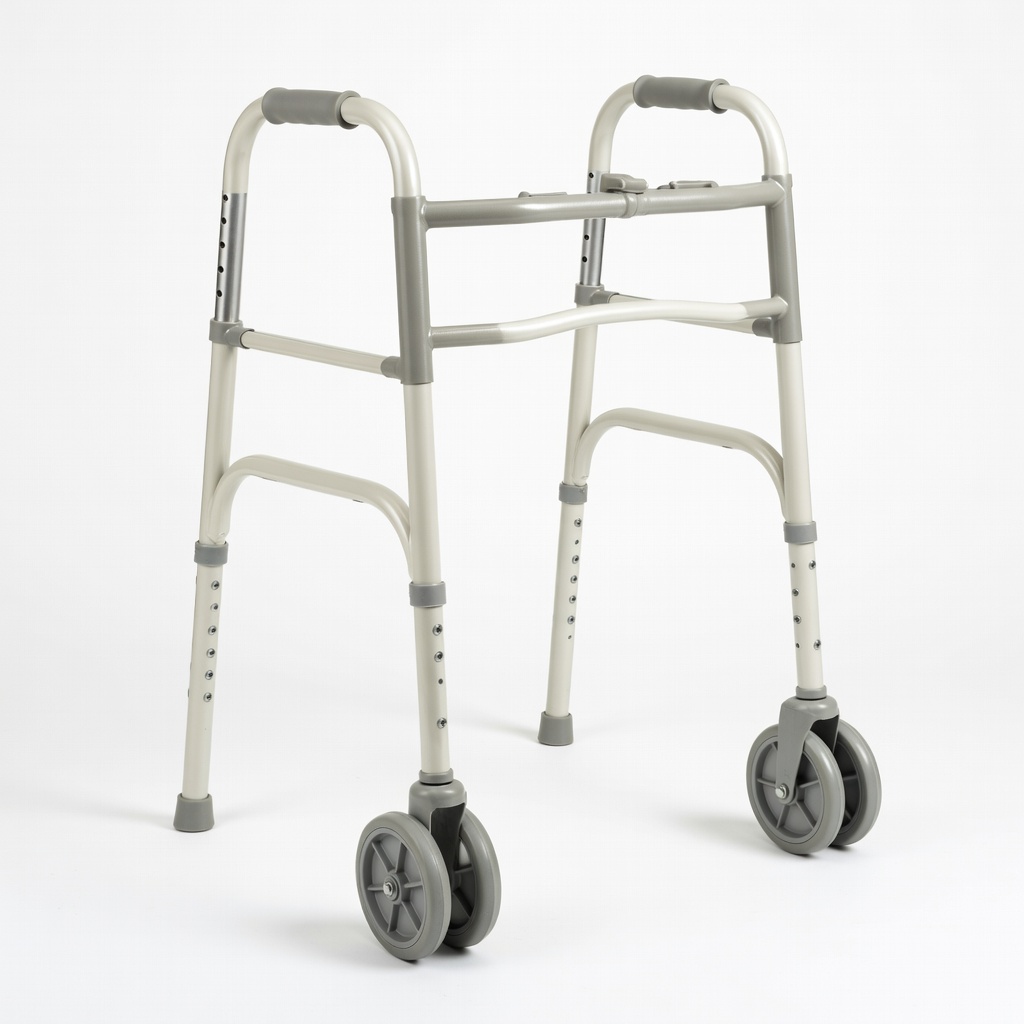
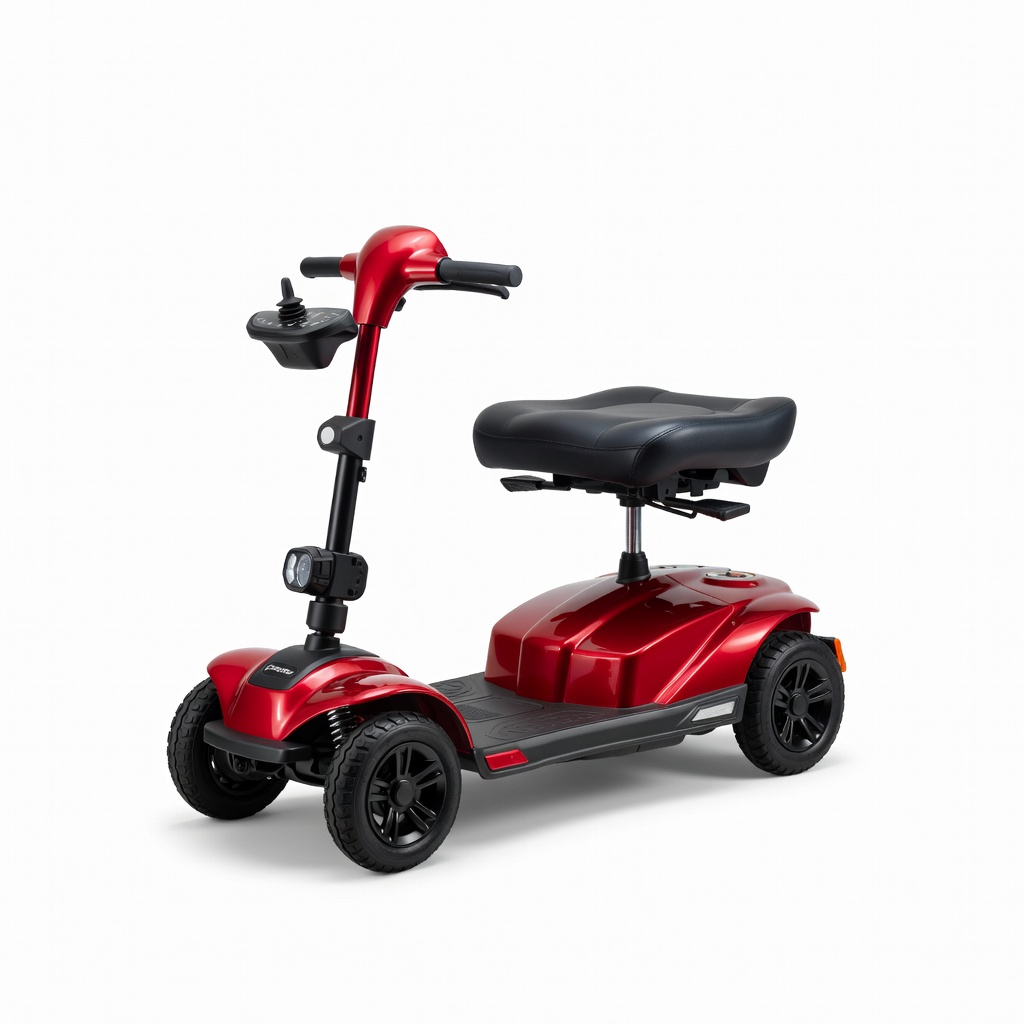
Familiarize yourself with common options: canes for light support, walkers or rollators for stability, wheelchairs for limited mobility, and scooters for longer distances. Canes are simple and portable, while rollators offer seats and brakes for rest.
Knowing types prevents choosing something too basic or advanced. For beginners, start with visuals or videos online to see each in action. This overview helps narrow choices based on the assessment from Step 1.
Success here looks like listing 2-3 potential types that match the needs, such as a rollator for someone with balance issues.
💡 Tips:
- •Use free online resources from AARP or Mayo Clinic for type comparisons.
⚠️ Warnings:
- •Don't overlook hybrid options like seated walkers for dual use.
Step 3: Evaluate Key Features and Safety Standards
Look for adjustable height, non-slip tips, lightweight materials, and ergonomic handles. Ensure the aid meets safety standards like those from the FDA or has certifications for durability. For example, brakes on rollators prevent tipping.
These features matter for comfort and longevity, reducing injury risks. Expect to prioritize based on needs—e.g., foldable for travel or padded seats for rest. Check weight capacity to match the user's size.
At this stage, you'll have a checklist of must-haves, making future shopping targeted.
💡 Tips:
- •Prioritize aluminum frames for lightness without sacrificing strength.
⚠️ Warnings:
- •Avoid aids without height adjustability, as they can cause poor posture.
Step 4: Take Accurate Measurements
Measure the senior's height from wrist to floor for handle height (should be at hip level when standing). Weigh them for capacity checks and measure home spaces for fit, like doorway width.
Precise measurements ensure proper fit and usability, preventing strain or instability. Use a measuring tape and note everything in your notebook. For wheelchairs, add seat depth and width.
Success means having numbers that guide product specs, avoiding returns or discomfort.
💡 Tips:
- •Measure in shoes they'll typically wear for accuracy.
⚠️ Warnings:
- •Underestimating space can lead to aids that don't fit through doors.
Step 5: Set a Realistic Budget and Check Insurance
Determine a budget range, typically $20-$200 for basic aids or $300+ for advanced ones. Review Medicare or insurance coverage, as many plans cover durable medical equipment with a doctor's prescription.
Budgeting keeps decisions practical and prevents overspending. Contact insurers early to understand copays. Expect to factor in maintenance costs like replacement tips.
This step results in a clear financial plan, focusing searches on affordable, covered options.
💡 Tips:
- •Look for rental options for short-term needs to save money.
⚠️ Warnings:
- •Skipping insurance checks can lead to unexpected high costs.
Step 6: Research and Compare Products
Use online reviews from sites like Amazon or Consumer Reports to compare models. Read user feedback on comfort, durability, and ease of assembly. Narrow to top-rated items matching your criteria.
Research builds confidence in quality choices. Expect to shortlist 3-5 products, noting pros like portability or cons like weight.
Success is a refined list ready for testing, informed by real-user experiences.
💡 Tips:
- •Filter reviews by seniors or caregivers for relevant insights.
⚠️ Warnings:
- •Ignore overly promotional sites; stick to verified reviews.
Step 7: Test and Consult Professionals
Visit medical supply stores to try aids in person. Walk with them to check stability and comfort. Consult a physical therapist for personalized advice.
Testing reveals real-world fit beyond specs. A pro can spot issues like improper gait. Expect adjustments or recommendations.
Final success: Selecting an aid that feels natural and secure, with expert approval.
💡 Tips:
- •Bring the senior to trials for their direct feedback.
⚠️ Warnings:
- •Don't buy without testing if possible; online photos deceive.
Step 8: Purchase, Set Up, and Maintain
Buy from reputable sources with return policies. Assemble per instructions and teach proper use. Schedule regular checks for wear, like tightening screws or replacing tips.
Proper setup ensures immediate benefits and longevity. Maintenance prevents breakdowns. Expect smooth integration into daily life.
This completes the process, with the aid enhancing mobility safely.
💡 Tips:
- •Keep the manual handy for troubleshooting.
⚠️ Warnings:
- •Neglect maintenance can lead to accidents from loose parts.
▸Pro Tips
- •Involve the senior early to boost their confidence in using the aid.
- •Opt for aids with storage pouches for carrying essentials like phones.
- •Consider weather-resistant features for outdoor use in rainy climates.
- •Start with adjustable models to accommodate changing needs over time.
- •Join online senior forums for community-recommended brands.
- •Pair aids with home modifications like grab bars for better results.
- •Track usage in the first week to ensure it's meeting needs.
▸Common Mistakes to Avoid
- •Choosing based on aesthetics over function, leading to discomfort or falls—focus on fit first.
- •Ignoring weight of the aid, which can make it hard for frail users to maneuver—always check portability.
- •Skipping professional input, resulting in improper use—consult a therapist to avoid injuries.
- •Overlooking insurance, causing financial strain—verify coverage upfront.
- •Buying the cheapest option without reviews, often meaning poor quality and short lifespan—invest in durability.
▸Troubleshooting
Problem: Aid feels unstable or wobbly during use
Solution: Check for loose parts and tighten; replace worn tips. If persists, it may not fit properly—return and try a different model.
Problem: Senior experiences pain or strain after use
Solution: Adjust height or grips immediately. Consult a doctor to rule out underlying issues; switch to a more supportive type like a rollator.
Problem: Aid doesn't fit through doors or tight spaces
Solution: Measure again and opt for a narrower, foldable model. For homes, consider temporary rearrangements or professional home assessment.
Problem: User resists or forgets to use the aid
Solution: Make it visually appealing with custom covers; practice routines together. If ongoing, seek occupational therapy for adaptation strategies.
Drive Medical Nitro Euro Style Rollator Walker
Offers excellent stability with a lightweight aluminum frame, adjustable handles, and built-in seat for resting, ideal for seniors with moderate mobility issues.
Best for: Best for indoor/outdoor use where balance support and occasional sitting are needed, like daily walks or errands.
Price Range: $150-$200
Hugo Elite Rollator
Features ergonomic handgrips, puncture-proof tires, and a spacious storage basket, providing comfort and versatility for longer distances.
Best for: Suitable for active seniors needing more support during shopping or park outings, with easy folding for transport.
Price Range: $200-$250
Vive Adjustable Cane
Affordable, height-adjustable design with a comfortable offset handle and anti-slip rubber tip, perfect for beginners requiring minimal assistance.
Best for: Ideal for mild balance issues, like short walks at home or doctor's visits, where portability is key.
Price Range: $20-$30
Medline Heavy Duty Bariatric Walker
Supports up to 500 lbs with a sturdy steel frame and wide base, ensuring safety for larger seniors without compromising ease of use.
Best for: Recommended for overweight individuals or those with strength limitations needing reliable support in daily activities.
Price Range: $80-$100
Pride Mobility Go-Go Elite Traveller Scooter
Compact, battery-powered with a 200-lb capacity and easy disassembly, offering independence for those with limited walking ability.
Best for: Great for outdoor mobility over distances, like neighborhood travel, when walkers are insufficient.
Price Range: $1,000-$1,200