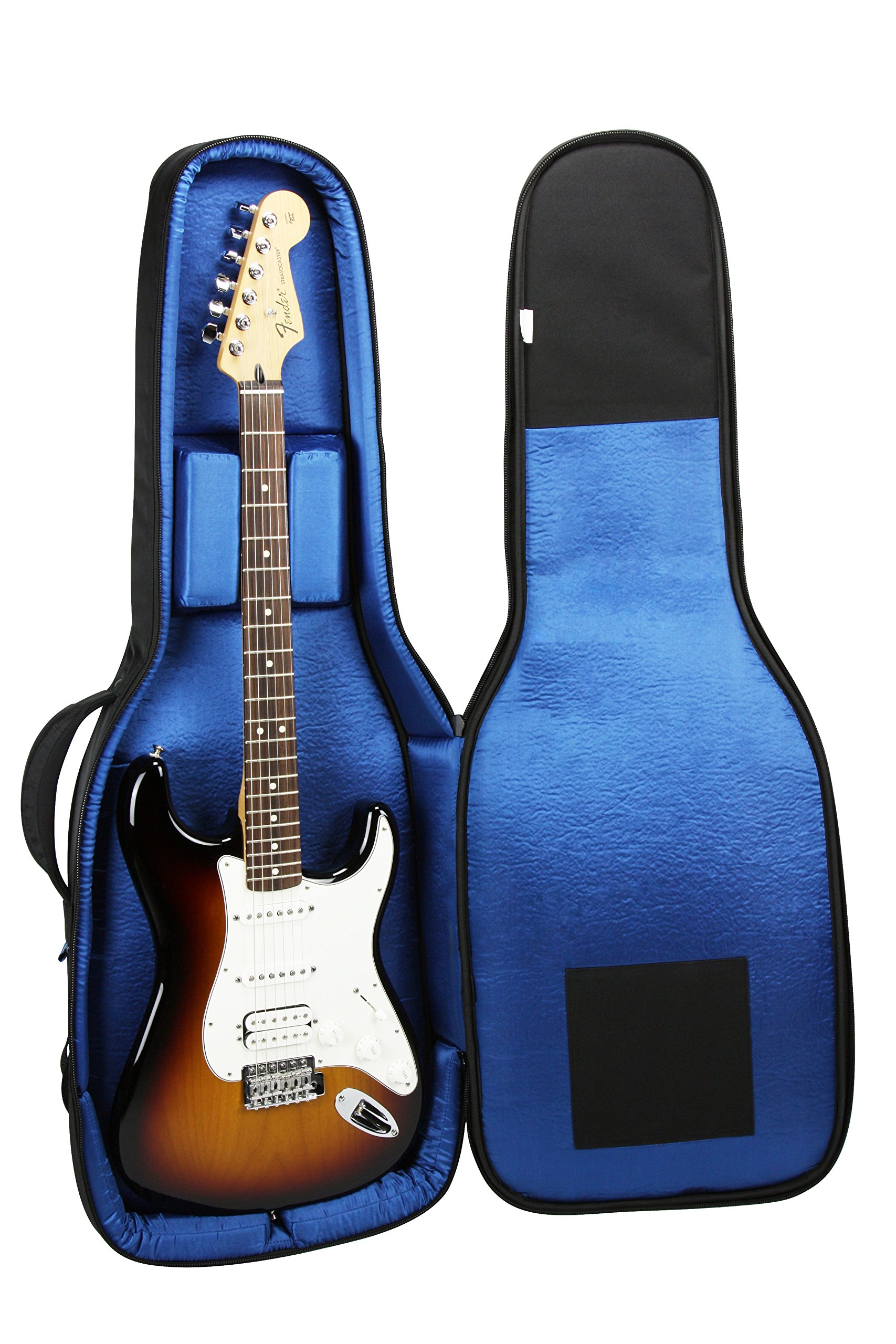
Your acoustic or classical guitar is a significant investment, and the wrong bag can lead to scratches, dings, or worse during transport. Many intermediate players struggle with flimsy bags that don't fit the wider body of classical guitars or lack padding for steel-string acoustics. Choosing the right bag ensures protection without bulk.
In this guide, you'll learn a proven process to evaluate dimensions, features, materials, and more to find the ideal bag. Whether gigging, traveling, or storing, you'll end up with a bag that safeguards your instrument. Expect to spend 30-45 minutes researching and measuring—easy for intermediate players familiar with guitar specs.
We'll cover measuring, needs assessment, feature checks, and top picks, so you can confidently buy online or in-store.
▸What You'll Need
- •Your guitar (acoustic steel-string or classical nylon-string)
- •Flexible tape measure or ruler
- •Notebook or phone for notes on usage needs and budget
- •Access to online retailers like Amazon for reviews (optional but recommended)
- •Budget range in mind ($20-$150)
Estimated Time: 30-45 minutes
Difficulty: intermediate
▸Step-by-Step Instructions
Step 1: Measure Your Guitar Precisely
Start by measuring the total length, body width, body depth, and neck width of your guitar. Classical guitars typically measure 39-41 inches long with a wider body (15-16 inches at lower bout) compared to acoustics (38-41 inches, narrower body).
Use a flexible tape measure: hold the guitar upright, measure from headstock tip to bottom strap button for length; widest point for lower bout width; front-to-back at center for depth. Record these—bags are sized specifically (e.g., 39", 41"). Success: Accurate specs prevent buying ill-fitting bags.
Why it matters: Oversized bags allow movement and damage; undersized ones won't close.
💡 Tips:
- •Measure multiple guitars if you have them.
- •Add 1-2 inches padding allowance for gig bags.
⚠️ Warnings:
- •Don't guess—classical necks are wider; mismatch causes binding.
Step 2: Assess Your Usage and Transport Needs
Determine how you'll use the bag: daily commute, gigging, air travel, home storage? Frequent flyers need backpack straps and lightweight designs; giggers want accessory pockets.
List priorities: portability (backpack vs. handles), weather resistance for outdoors. For classical/acoustic, prioritize neck support to prevent warping. Success: A needs list like 'lightweight, padded, under 5 lbs' guides choices.
Why it matters: Matches bag to lifestyle, avoiding regrets like no shoulder straps for walkers.
💡 Tips:
- •Prioritize top 3 needs to narrow options fast.
⚠️ Warnings:
- •Skip if assuming 'one bag fits all'—classical needs more contouring.
Step 3: Decide on Protection Level
Gig bags offer light-medium protection (padded nylon); choose based on risk. Basic unpadded for studio; thick foam (10-20mm) for travel.
Acoustic steel-strings tolerate less due to tension; classical nylon need body molding. Look for double padding at headstock/bridge. Success: Bag specs match your risk (e.g., '15mm padding' for gigs).
Why it matters: Prevents dents—cheaper bags save money short-term but cost repairs long-term.
💡 Tips:
- •Test padding by pressing—should compress but rebound.
Step 4: Evaluate Materials and Durability
Opt for rugged nylon (600D+ denier), polyester, or neoprene exteriors with water-resistant coatings. Interiors: soft plush or fleece to avoid scratches.
Check zippers (YKK heavy-duty) and seams (reinforced). Success: Specs like '1000D nylon, waterproof zipper' indicate longevity.
Why it matters: Withstands abuse; cheap vinyl tears easily.
⚠️ Warnings:
- •Avoid thin 200D fabrics—they rip on first bump.
Step 5: Check Key Features and Accessories
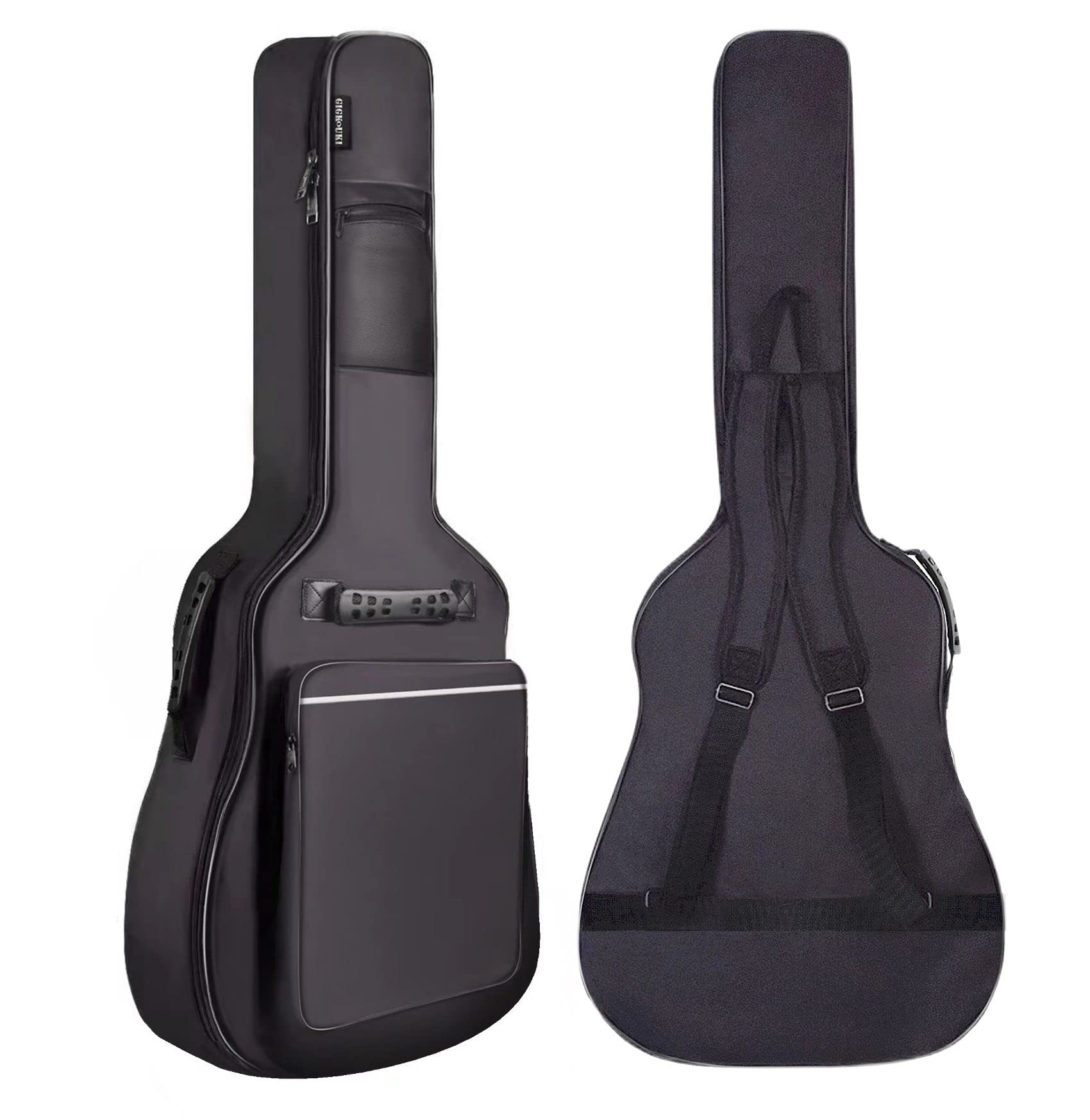
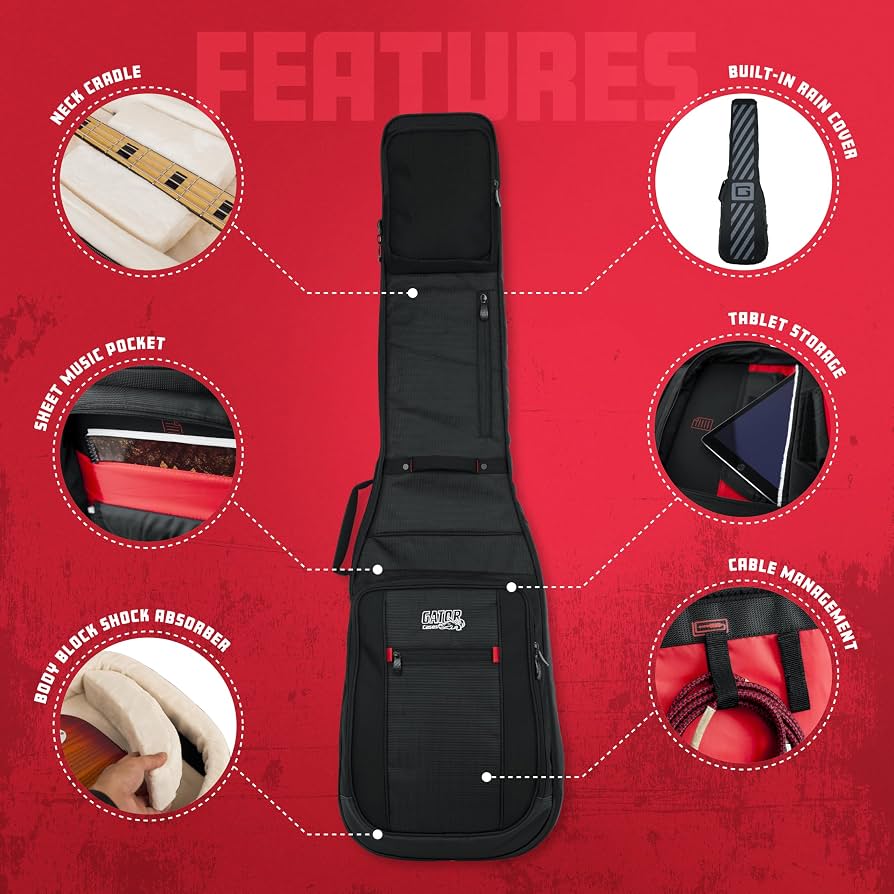
Look for adjustable neck pillow, backpack straps, multiple pockets (tuner/strings), endpin strap holder, ID tag. Extras: rain cover, stand pocket.
For classical: contoured design hugging wider body. Success: Bag has 80% of your must-haves.
Why it matters: Enhances usability—pockets reduce backpack clutter.
💡 Tips:
- •Backpack straps essential for commuters.
Step 6: Set and Stick to a Budget
$20-50 basic padded; $50-100 premium features; $100+ pro-grade. Factor value—mid-range often best for intermediates.
Success: Options in 2-3 price tiers matching quality.
Why it matters: Balances protection vs. cost without overspending.
Step 7: Research Brands, Reviews, and Warranty
Top brands: Gator, Fender, SKB, Crossrock, Reunion Blues. Read Amazon/User reviews (4+ stars, 100+ ratings); watch unboxing videos.
Check warranty (1-5 years). Success: 3-5 shortlisted bags with pros/cons.
Why it matters: Real-user feedback reveals flaws like 'zipper fails after 6 months.'
💡 Tips:
- •Filter recent reviews (last year).
⚠️ Warnings:
- •Ignore sponsored '5-star' without photos.
Step 8: Compare, Test Fit, and Buy
Narrow to top 3; order or visit store to test fit—slide guitar in, check snugness, zip fully, wear with load.
Buy from return-friendly sellers. Success: Guitar fits perfectly, comfortable to carry.
Why it matters: Confirms decision before commitment.
💡 Tips:
- •Use retailer fit guides with your measurements.
▸Pro Tips
- •Always prioritize fit over style—protection first.
- •Buy slightly larger for tuners/headstock accessories.
- •Check weight: under 4 lbs for daily carry.
- •Look for 'molded' or 'contoured' for classical shape.
- •Seasonal buy: sales post-holidays for deals.
- •Pair with humidifier pocket for storage.
- •Video review > text for seeing padding quality.
▸Common Mistakes to Avoid
- •Buying generic 'guitar bag' without classical/acoustic spec—leads to poor fit.
- •Ignoring padding thickness—results in bridge/headstock damage.
- •Overlooking strap quality—shoulder strain from weak backpack straps.
- •Skipping measurements—bag too tight/loose.
- •Chasing cheapest option—no durability for regular use.
▸Troubleshooting
Problem: Bag doesn't fit guitar
Solution: Double-check measurements; exchange for next size up. Use brands with adjustable pillows.
Problem: Padding too thin, guitar moves
Solution: Add foam inserts or upgrade to thicker model like Gator.
Problem: Straps uncomfortable
Solution: Choose padded, adjustable backpack straps; test in-store.
Problem: Zipper sticks or breaks
Solution: Lubricate with wax; opt for YKK zippers next time. Contact warranty.
Fender FB405 Classical Acoustic Guitar Gig Bag
Affordable entry-level with good padding and basic features, perfect for intermediates starting out.
Best for: Daily practice transport or short trips; fits 39" classical.
Price Range: $24.99
Gator G-PG-ACC-CLASSIC Padded Gig Bag
Thick 20mm padding, rugged 600D nylon, backpack straps—excellent protection/value.
Best for: Gigging or travel; suits both acoustic classical shapes.
Price Range: $49.99-$59.99
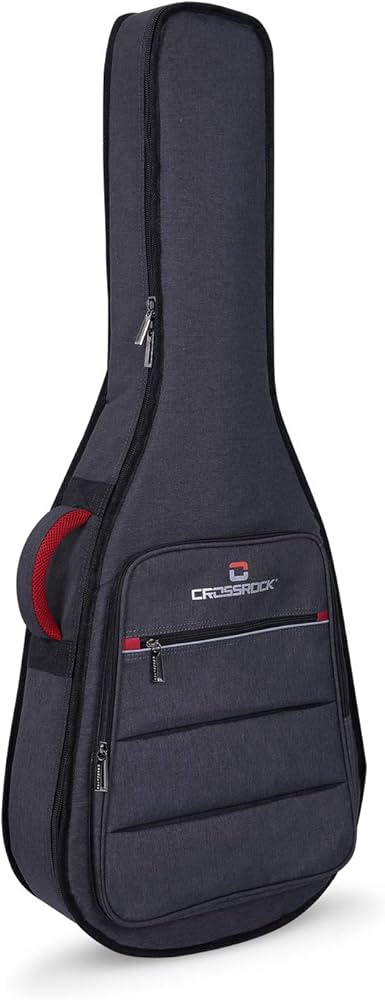
Crossrock 39" Classical Guitar Soft Gig Bag
Water-resistant, multiple pockets, neck cradle—durable for frequent use.
Best for: Outdoor gigs or commuting; contoured for classical.
Price Range: $35.99-$45.99
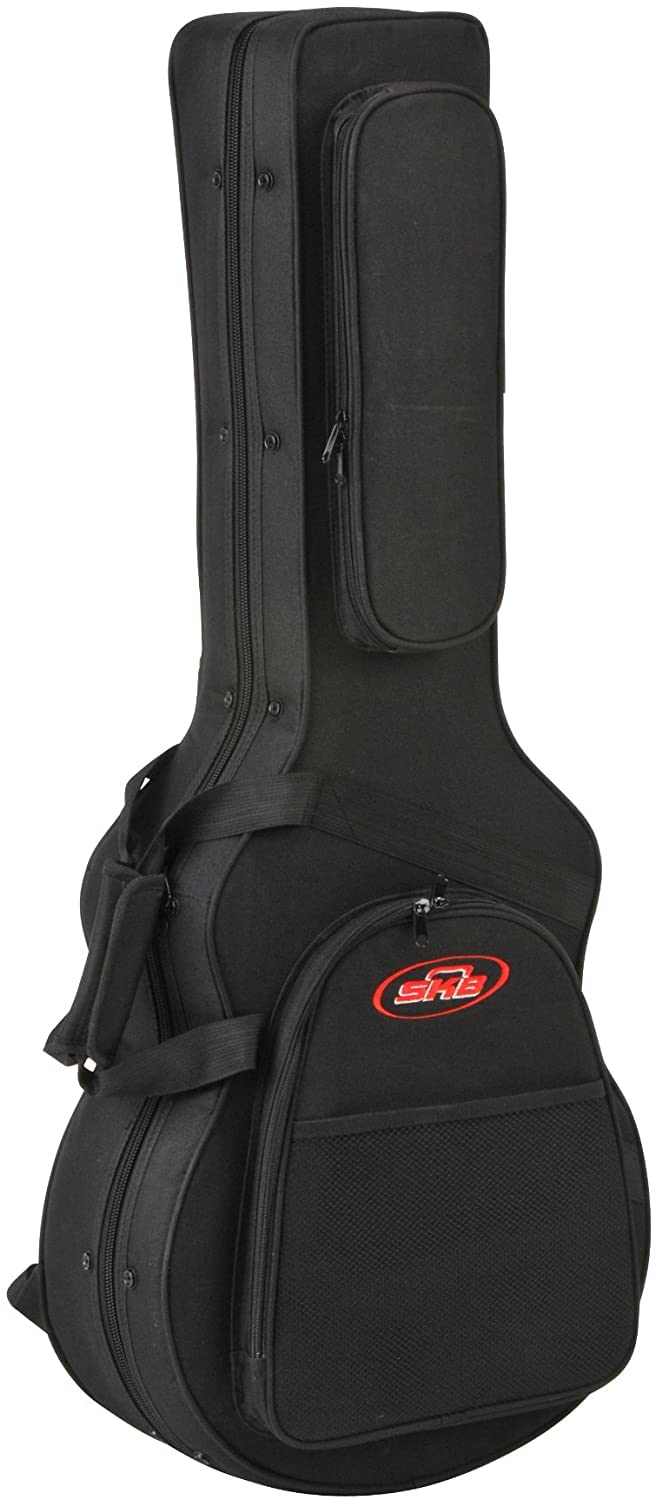
SKB 1SKB10 Soft Gig Bag for Classical Guitar
Pro-grade plush interior, oversized accessory pocket, lifetime warranty.
Best for: Professional travel/airline; max protection.
Price Range: $79.99-$99.99
Reunion Blues RBX Voyager Classical Guitar Bag
Premium neoprene, ultra-lightweight, weatherproof—top-tier portability.
Best for: Frequent flyers or minimalists.
Price Range: $129.99-$149.99