As a beginner aquarist, nothing frustrates more than cloudy water, uneaten food, and fish waste piling up in your gravel, leading to stressed fish and algae blooms. A good gravel vacuum solves this by siphoning debris without removing too much water or disturbing beneficial bacteria.
In this guide, you'll learn the key factors to consider—from tank size to vacuum types—so you can choose a reliable tool tailored to your setup. We'll cover everything from assessing needs to comparing models, helping you avoid buyer's remorse.
Expect a straightforward process taking 30-45 minutes of research. No prior experience needed; just follow the steps to end up with a shortlist of top options ready for purchase.
▸What You'll Need
- •Aquarium dimensions and gravel depth measurements (tape measure or ruler)
- •Note of your tank size (gallons) and fish load
- •Budget range (e.g., $15-$50)
- •Access to online reviews (smartphone/computer with internet)
- •Optional: List of current aquarium equipment
Estimated Time: 30-45 minutes
Difficulty: beginner
▸Step-by-Step Instructions
Step 1: Assess Your Aquarium Needs
Start by measuring your tank's dimensions (length, width, height in inches) and noting its gallon capacity. Check gravel depth (typically 1-2 inches) and substrate type (fine sand vs. coarse gravel). Why? Larger tanks need longer hoses; fine gravel requires wider nozzles to avoid clogging.
Success looks like a quick sketch or note: e.g., '55-gallon tank, 48x13x21 inches, 1.5-inch pea gravel.' This ensures the vacuum fits and works efficiently.
Pro tip: Count fish and feeding habits—heavy waste means you need strong suction.
💡 Tips:
- •Use a free online tank volume calculator if unsure of gallons.
Step 2: Understand Gravel Vacuum Types
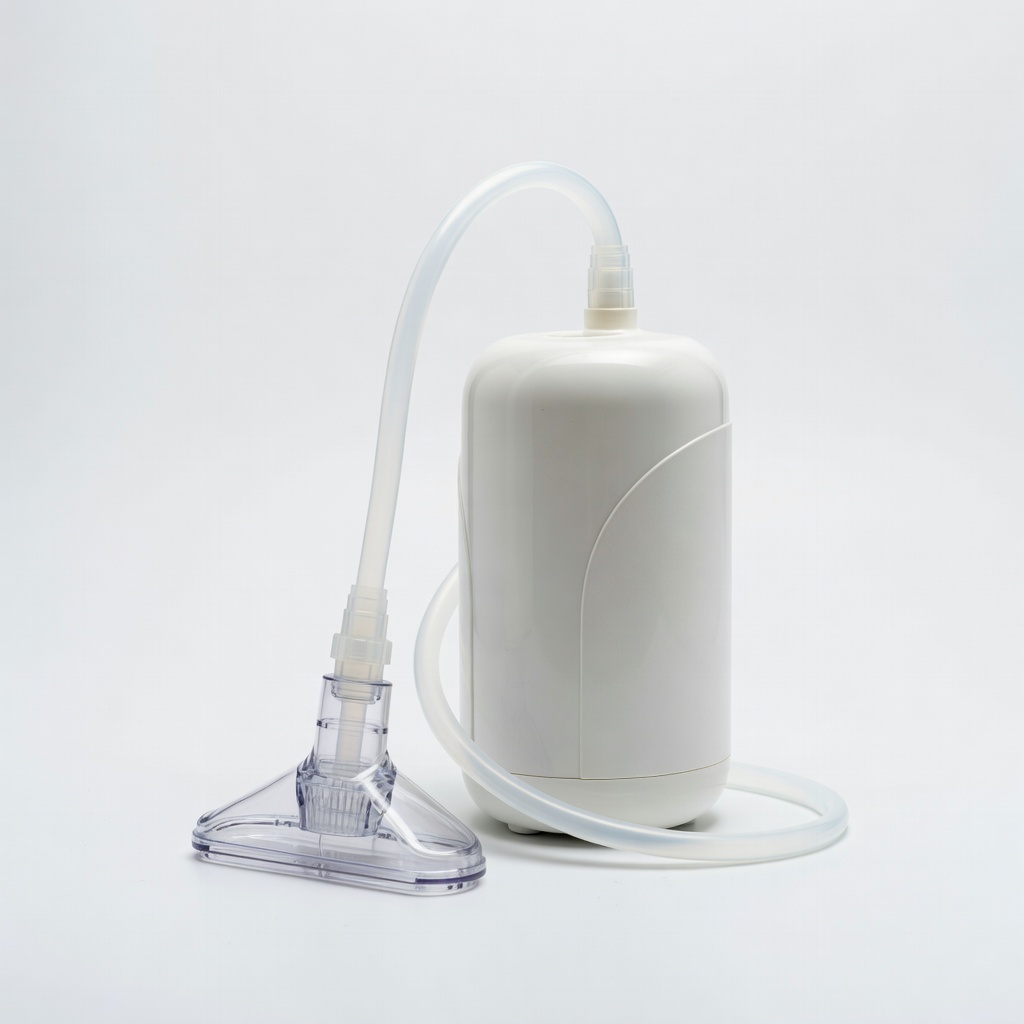
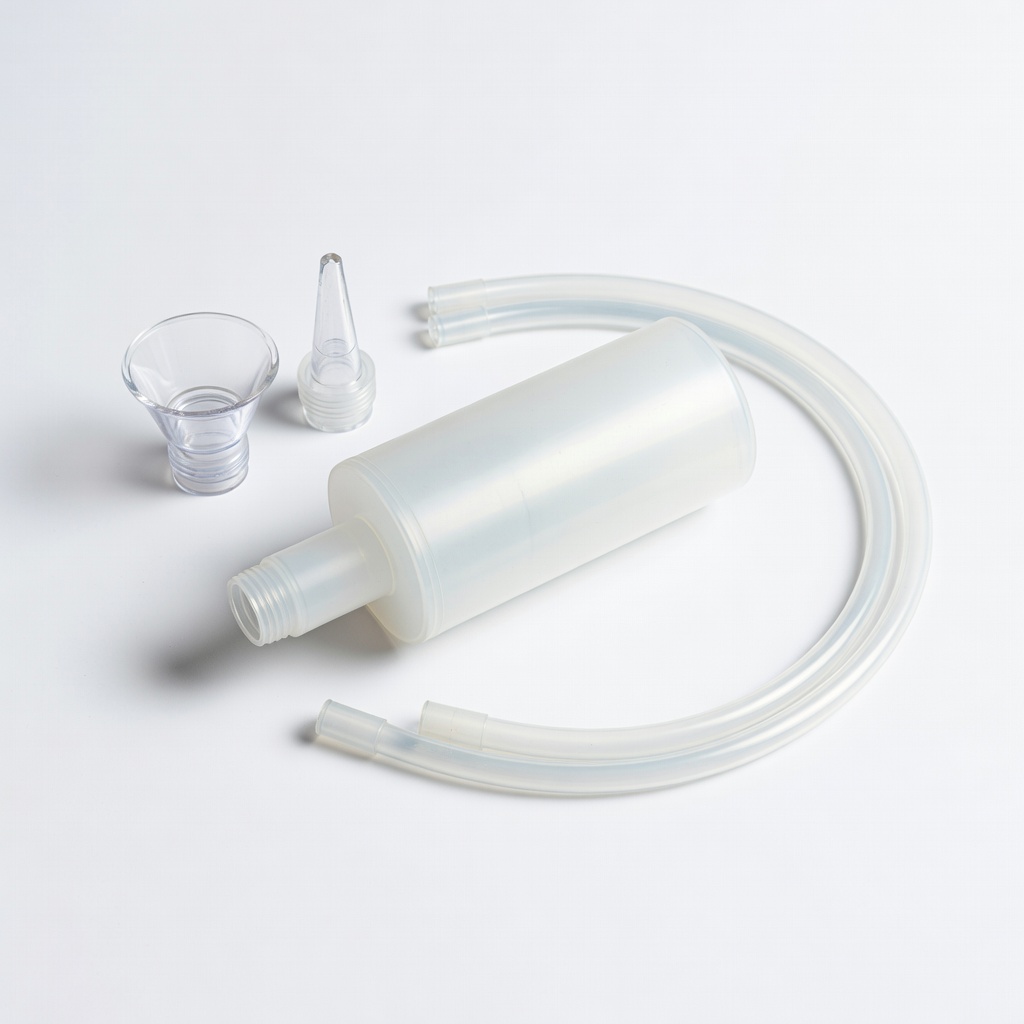
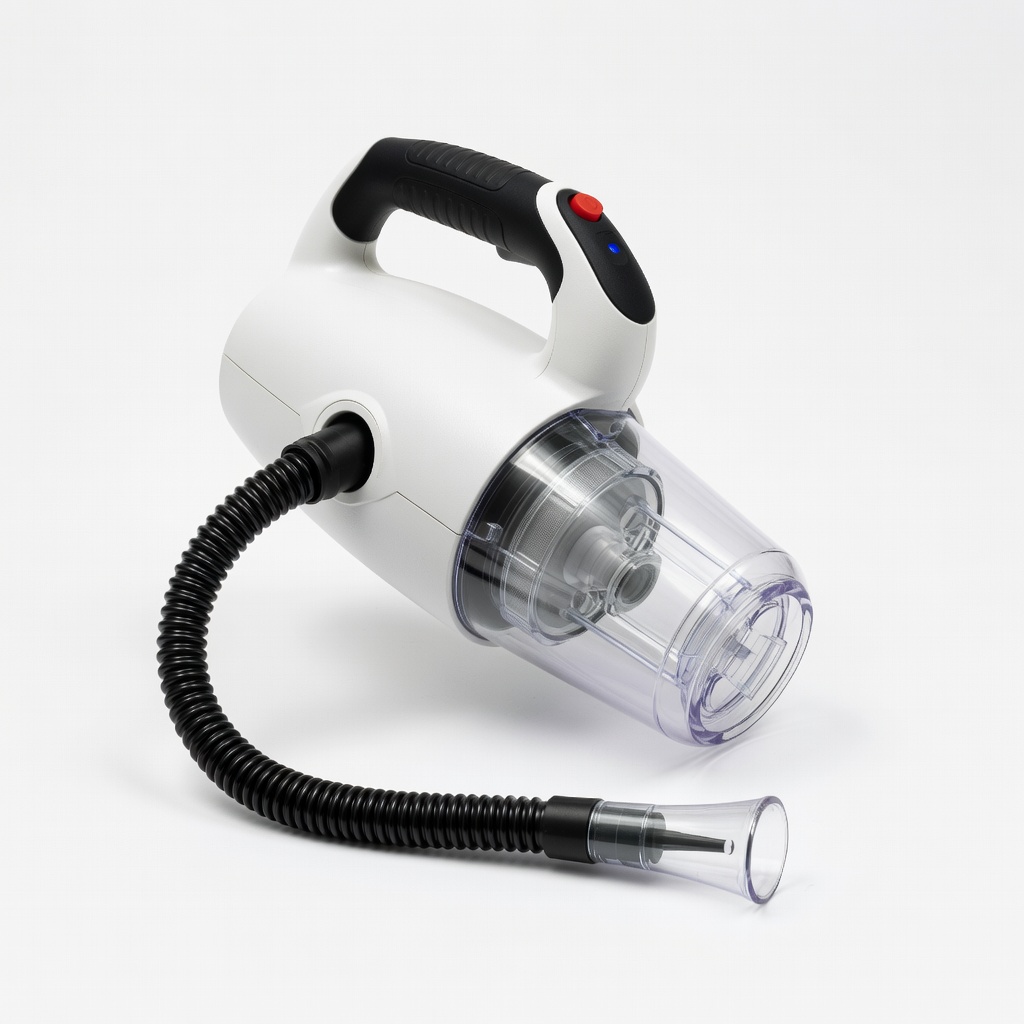
Gravel vacuums come in three main types: manual siphon (hose-based, gravity-powered), airline siphon (uses air pump for priming), and electric/powered (battery or plug-in with pump). Manual is cheapest for beginners; electric is hands-free for larger tanks.
Why it matters: Wrong type leads to frustration—e.g., manual tires you out in big tanks. Expect to match type to tank size: siphon for <50 gallons, electric for bigger.
Success: Decide on 1-2 types, e.g., 'Manual siphon for my 20-gallon nano tank.'
💡 Tips:
- •Watch 1-minute YouTube demos for each type.
⚠️ Warnings:
- •Avoid cheap airline siphons if no air pump—they won't prime easily.
Step 3: Evaluate Key Features
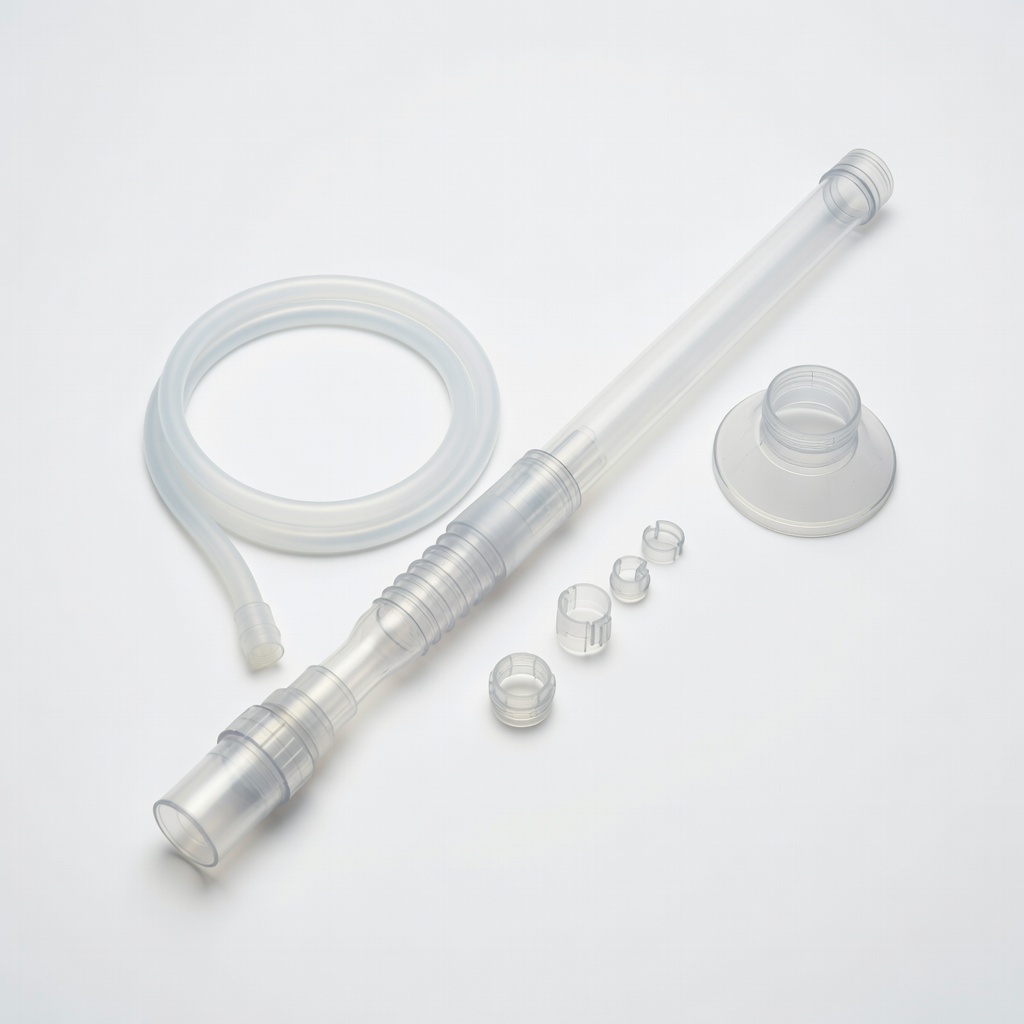
Prioritize: hose length (at least tank length + 5 ft), nozzle width (1-2 inches for gravel), flow control valve (adjustable suction), gravel guard (prevents sucking up substrate), and quick-start siphon (no mouth priming).
These prevent common issues like spills or weak suction. Success: Checklist of must-haves, e.g., '12-inch nozzle, 6-ft hose, valve control.'
Step 4: Set Your Budget and Priorities
Budget tiers: $10-25 (basic siphon), $25-50 (premium manual/electric), $50+ (advanced powered). Weigh priorities—e.g., ease-of-use over cost for busy beginners.
Why? Balances value without overspending. Success: 'Under $40, prioritize no-spill feature.'
💡 Tips:
- •Allocate 20% extra for accessories like buckets.
Step 5: Check Build Quality and Materials
Look for durable plastic (PVC/ABS), flexible hoses, and rust-proof metals. Read specs for BPA-free and fish-safe materials.
Poor quality cracks or kinks fast. Success: Shortlist models with 4+ star ratings on durability.
⚠️ Warnings:
- •Skip thin-walled hoses—they tangle and break.
Step 6: Read Reviews and Compare Models
Scan Amazon/Chewy for 50+ reviews. Focus on verified purchases mentioning 'easy prime,' 'no clogs,' and real tank sizes. Use comparison charts.
Ignore hype; trust photos/videos of use. Success: 3-5 models narrowed down.
💡 Tips:
- •Filter reviews by 'small tanks' or your size.
Step 7: Test or Watch Demos (Virtually)
Search YouTube for '[model] review.' Check unboxing and cleaning demos. If local, visit pet stores.
Confirms real-world performance. Success: Confident pick with video proof.
Step 8: Make Your Final Choice
Match top model to your notes. Buy from reputable sellers with returns. Success: Ordered vacuum, tank cleaning scheduled!
Track delivery and plan first use.
💡 Tips:
- •Sign up for price alerts if not urgent.
▸Pro Tips
- •Prime siphons with warm water for faster start (test on sink first).
- •Choose wider nozzles for planted tanks to avoid uprooting.
- •Pair with a 5-gallon bucket with lid for clean water changes.
- •Maintain by rinsing parts weekly—extends life 2x.
- •For multi-tanks, get adjustable hose lengths.
- •Read manual before first use; most have setup videos.
- •Upgrade to electric after 6 months if loving gravel vacs.
▸Common Mistakes to Avoid
- •Buying too short a hose—measure twice!
- •Ignoring gravel type—fine sand needs special narrow nozzles.
- •Overlooking flow control—leads to flooding buckets.
- •Trusting only star ratings—read recent reviews for defects.
- •Skipping no-spill models—messy floors await.
▸Troubleshooting
Problem: Vacuum won't prime or siphon
Solution: Use quick-start bulb or submerge fully; check for air leaks. Test hose for kinks.
Problem: Clogs frequently
Solution: Wider nozzle needed; clean gravel guard after each use.
Problem: Too weak suction for large tank
Solution: Upgrade to electric model; ensure full gravel stir.
Problem: Leaks or spills during use
Solution: Tighten connections; choose no-spill design next time.
Python No Spill Clean and Fill Aquarium Gravel Vacuum
Top-rated for easy priming without mouth suction and dual water change function; durable for beginners.
Best for: Medium to large tanks (20-100+ gallons) needing hassle-free cleaning.
Price Range: $35-$40
Aqueon Siphon Vacuum Gravel Cleaner Kit (21-Inch)
Affordable, reliable manual siphon with adjustable flow; great starter for small setups.
Best for: Nano to 30-gallon tanks on a budget.
Price Range: $12-$18
Hygger Aquarium Gravel Vacuum Siphon Kit
Flexible hose, gravel guard, and media bag included; excellent value with strong reviews.
Best for: All tank sizes, especially with plants or fine gravel.
Price Range: $20-$25
NICREW Automatic Gravel Cleaner Electric Vacuum
Hands-free powered suction with timer; ideal for effortless weekly maintenance.
Best for: Larger tanks (40+ gallons) where manual is tiring.
Price Range: $25-$35