Touring violinists know the nightmare of a damaged instrument from rough baggage handling, sudden weather changes, or cramped car trunks. A poor case choice can lead to costly repairs or worse, ruining gigs. This guide equips intermediate players with the knowledge to pick a tour-ready case that balances protection, portability, and practicality.
You'll follow a step-by-step process to assess needs, evaluate features, and compare options, ensuring your violin stays safe on planes, trains, or roads. Expect to spend 30-60 minutes researching, with decisions influenced by your specific tour schedule.
By the end, you'll confidently choose a case tailored to your travels, avoiding common pitfalls like overweight luggage fees or inadequate humidity control.
▸What You'll Need
- •Your acoustic violin (for precise measurements)
- •Flexible tape measure or ruler
- •Notebook or app for notes on travel needs and budget
- •Computer/smartphone with internet access (for reviews and shopping)
- •Optional: Access to a music store for hands-on testing
Estimated Time: 30-60 minutes
Difficulty: intermediate
▸Step-by-Step Instructions
Step 1: Assess Your Touring Needs
Start by listing your travel methods: air travel (carry-on or checked?), car trips, trains, or buses? Note frequency, duration, and environments (hot summers, cold winters, humid climates). This defines priorities like airline weight limits (usually 22 lbs/10kg for carry-on) or suspension for bumpy roads.
Why it matters: A case perfect for flights might be too bulky for daily car hops. Success looks like a checklist: e.g., 'Fly weekly, need <15 lbs, humidity control.'
Expect variations—pro touring often means multi-modal travel.
💡 Tips:
- •Prioritize air travel if gigs involve flights; it's the harshest test.
⚠️ Warnings:
- •Ignore needs and you risk buying a heavy case that incurs fees.
Step 2: Measure Your Violin Accurately
Measure body length, width (upper/lower bouts), depth, and total length with bridge. Standard 4/4 full-size is ~23.5" long x 7.5" wide x 2.5" deep, but antiques vary. Add 0.5-1" padding allowance.
Why: Ill-fitting cases cause rattles or pressure points. Success: Written dimensions matching manufacturer specs.
Use a flexible tape for curves.
💡 Tips:
- •Measure with strings on; note if you use a shoulder rest.
Step 3: Set a Realistic Budget
Decide on $100-$300 (budget thermoplastic), $300-$600 (mid-range fiberglass), or $600+ (pro carbon fiber). Factor in longevity—touring justifies investment.
Why: Balances protection vs. cost. Success: Budget range noted, e.g., '$400 max.'
Intermediate players often aim mid-range for value.
💡 Tips:
- •Allocate 10% extra for accessories like humidifiers.
⚠️ Warnings:
- •Cheap soft cases fail on tour; don't skimp on protection.
Step 4: Understand Case Types and Materials
Compare shaped (fits contours, lighter) vs. oblong (more storage). Materials: ABS plastic (affordable, decent), fiberglass (strong, moderate weight), carbon fiber (ultra-light, pricey). Hybrids mix soft interiors with hard shells.
Why: Matches protection to needs—fiberglass for checked bags. Success: Type shortlisted, e.g., 'Shaped fiberglass.'
Tour pros favor lightweight composites.
Step 5: Prioritize Protection Features
Seek double suspension (protects from shocks), waterproof zippers, reinforced edges, and neck blocks. Check TSA lock compatibility for flights.
Why: Touring means impacts. Success: Features checklist with must-haves ticked.
Test via specs or videos.
💡 Tips:
- •Look for 'aircraft-grade' suspension.
⚠️ Warnings:
- •Skip this and risk bridge cracks from drops.
Step 6: Evaluate Weight, Size, and Climate Control
Target <10 lbs empty; check dimensions vs. airline sizers (22x14x9"). Add hygrometers/humidifiers for wood stability.
Why: Avoids fees, maintains tone. Success: Cases under limits selected.
Carbon fiber shines here.
Step 7: Check Storage and Ergonomics
Ensure space for bow holders (2+), strings, rosin, mute. Backpack straps, handles, and music pockets aid mobility.
Why: Streamlines tours. Success: Storage matches your kit.
💡 Tips:
- •Test strap comfort if possible.
Step 8: Research Reviews and Compare Options
Read pro musician forums (Violinist.com), Amazon/Reverb reviews (4.5+ stars, 100+ reviews). Compare 3-5 models using spreadsheets.
Why: Real-world validation. Success: Top 2 finalists.
Buy from retailers with returns.
💡 Tips:
- •Search 'violin case airline damage' for pitfalls.
⚠️ Warnings:
- •Fake reviews abound; cross-check sites.
▸Pro Tips
- •Weigh case + violin pre-purchase to beat airline limits.
- •Choose colored cases for easy airport spotting.
- •Add DIY labels with contact info inside.
- •Test pack with full kit before tours.
- •Opt for cases with music pockets to free hands.
- •Buy in off-season for discounts.
- •Use suspension by not overpacking.
▸Common Mistakes to Avoid
- •Choosing based on looks alone—prioritize specs over aesthetics.
- •Ignoring airline rules—leads to $100+ fees or gate-check risks.
- •Overlooking humidity—warps wood in transit.
- •Buying too big—harder to carry, less secure.
- •Skipping reviews—misses brand defects.
▸Troubleshooting
Problem: Case too heavy for carry-on
Solution: Swap for lighter carbon model or remove extras; check airline policy.
Problem: Doesn't fit violin snugly
Solution: Remeasure or add internal padding; return if possible.
Problem: No climate control, wood cracks
Solution: Add in-case humidifier like D'Addario Humidipak.
Problem: Broken zipper post-purchase
Solution: Contact warranty; choose YKK zippers next time.
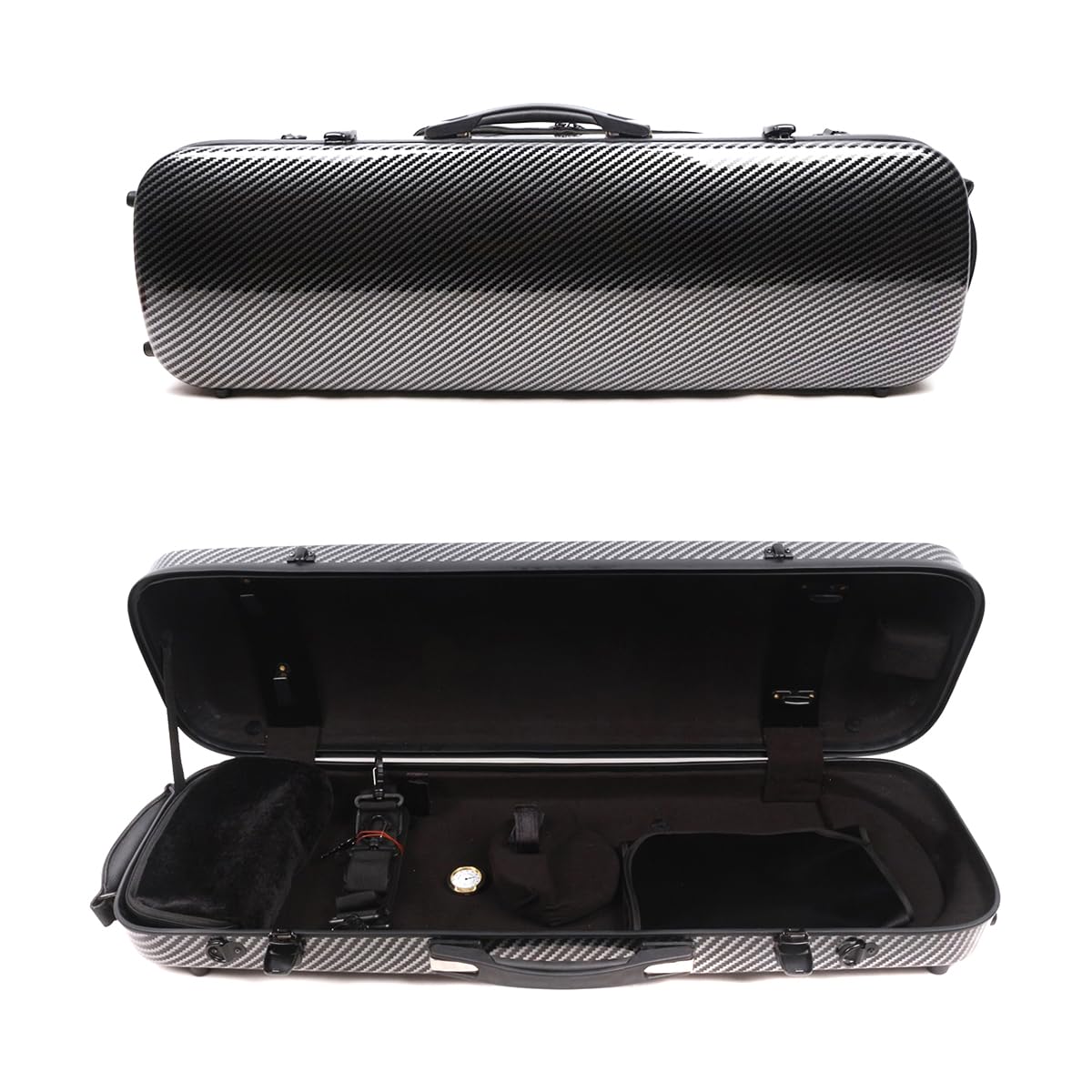
BAM Hightech EX Light Carbon Fiber Violin Case
Ultra-lightweight (under 5 lbs) with superior suspension for air travel protection.
Best for: Frequent flyers needing carry-on compliance and max durability.
Price Range: $850-$950
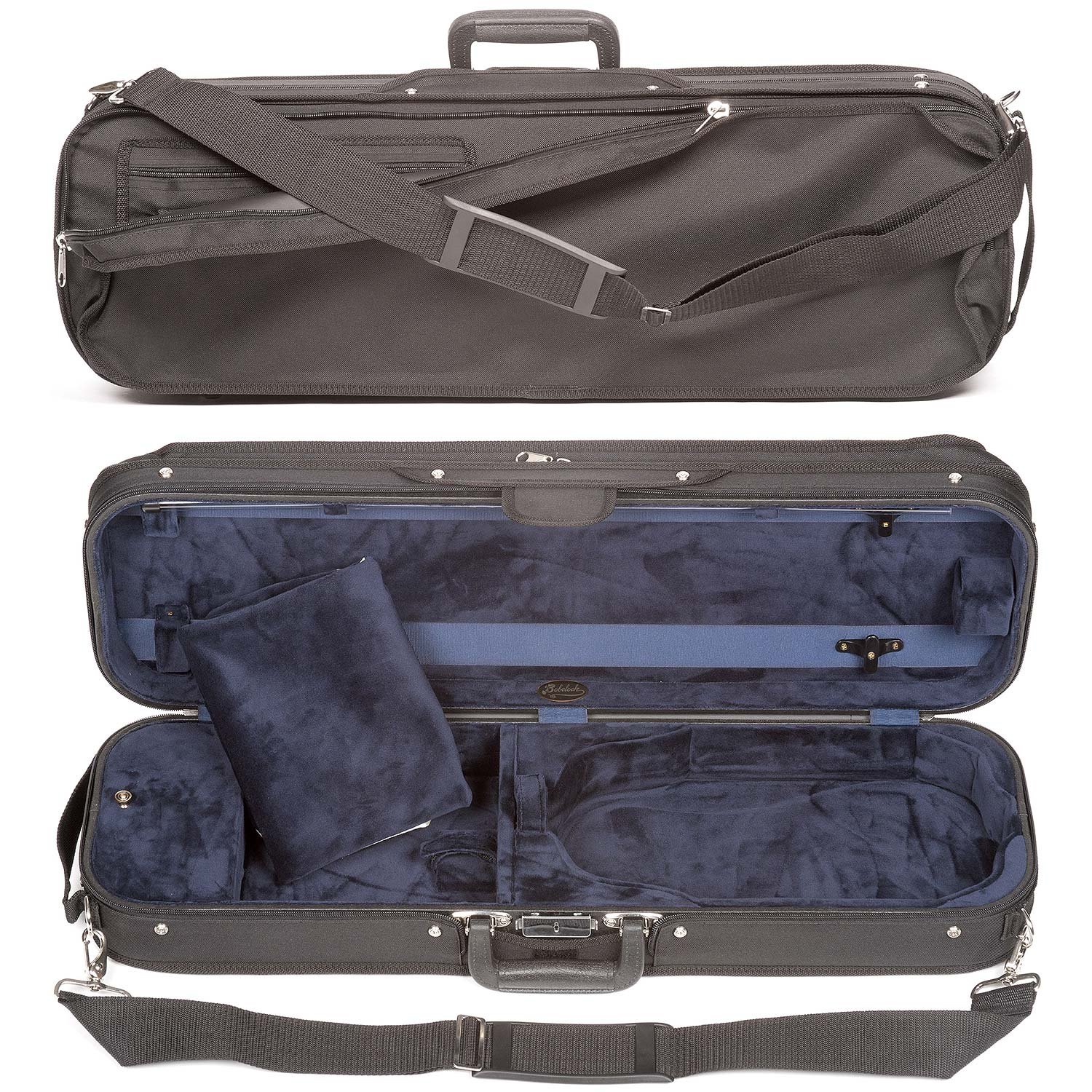
Bobelock 1015 4-Star Oblong Violin Case
Balanced weight, excellent storage, and plush interior at mid-price.
Best for: Road trips and occasional flights with accessory needs.
Price Range: $300-$400
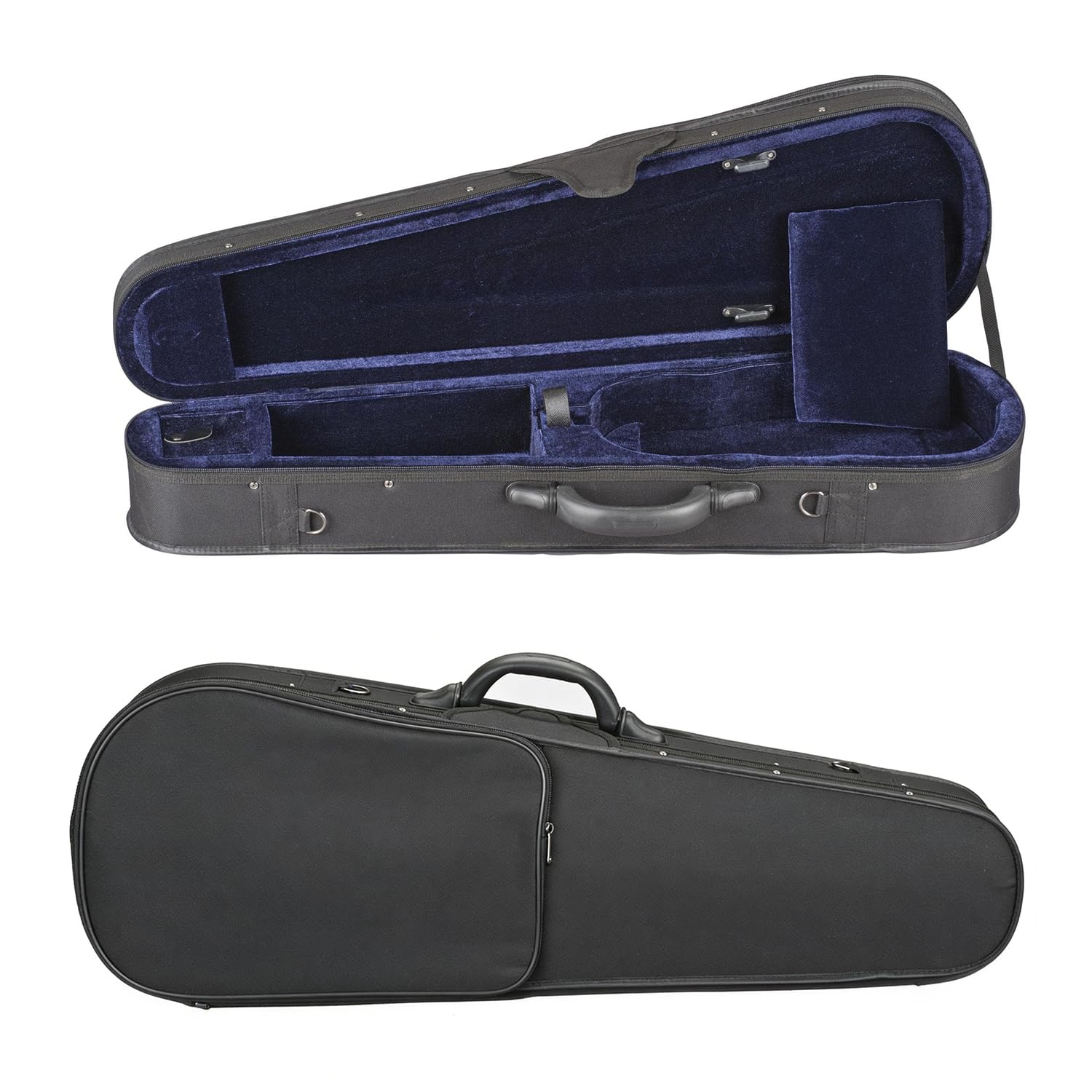
Hiscox Shaped Violin Case
Fiberglass shell waterproof and impact-resistant, lightweight for tours.
Best for: Budget-conscious pros wanting pro-level protection.
Price Range: $450-$550
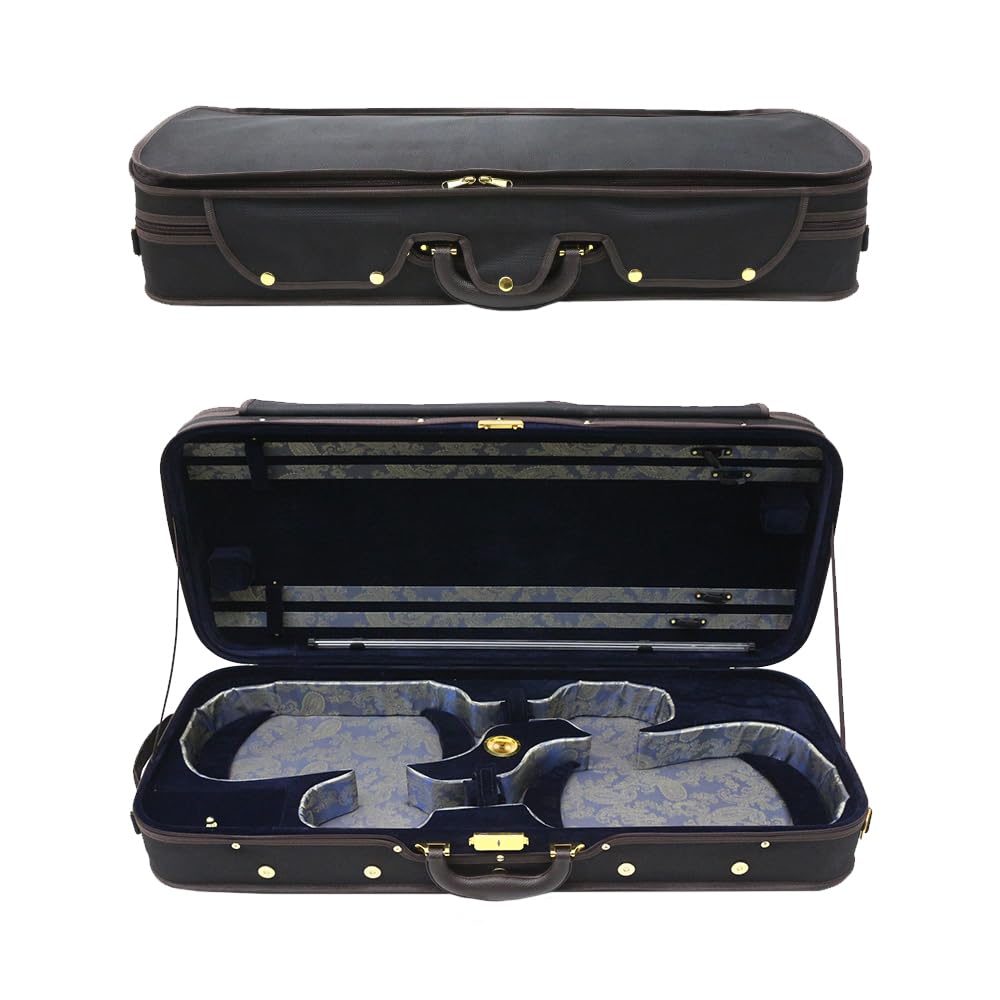
Tonareli Protege Pro II Violin Case
Affordable thermoplastic with good suspension and hygrometer.
Best for: Intermediate touring starters on tight budgets.
Price Range: $200-$250