Choosing the wrong bass strings for your acoustic guitar can mute its rich, woody resonance or cause buzzing and poor intonation, frustrating intermediate players who expect pro-level sound from their acoustic bass. Whether you're fingerpicking folk tunes or laying down acoustic grooves, the right strings amplify your instrument's natural voice.
In this guide, you'll learn the key factors like gauge, material, scale length, and coatings to make an informed choice tailored to your playing style and bass specs. We'll break it down step-by-step, from assessing your guitar to testing options, so you can confidently order strings that elevate your tone without guesswork.
Expect a straightforward process taking 15-20 minutes—no tools needed beyond your bass and basic knowledge of its setup. By the end, you'll know exactly what to buy.
▸What You'll Need
- •Your acoustic bass guitar (to check scale length, nut width, and current setup)
- •Measuring tape or ruler (for scale length if not known)
- •Smartphone tuner app (e.g., Guitar Tuna for testing tension)
- •Prerequisite knowledge: Basic understanding of string gauges and playing style (fingerstyle vs. pick)
Estimated Time: 15-20 minutes
Difficulty: intermediate
▸Step-by-Step Instructions
Step 1: Identify Your Acoustic Bass Guitar's Scale Length
Start by measuring the scale length—the distance from the nut to the bridge saddle. Most acoustic basses have a 34-inch long scale (like Fender or Taylor models) or occasionally 30-32 inches for smaller parlor-style basses. Check your guitar's specs manual or measure precisely: press a string at the first fret and 12th fret, then measure from nut to 12th fret and double it.
Why it matters: Strings are wound for specific scales; mismatch causes floppy tension or excessive stretch, ruining intonation. Expect standard 34" for most 4-string acoustic basses.
Image description: Close-up of a guitar neck with a ruler measuring from nut to 12th fret, highlighting scale length annotation.
💡 Tips:
- •Use an online scale length chart for popular models like Taylor GS Mini-e Bass.
⚠️ Warnings:
- •Don't guess—wrong scale leads to poor tuning stability.
Step 2: Decide on Number of Strings
Acoustic basses come in 4-string (standard EADG), 5-string (BEADG for low B extension), or 6-string (EADGBE like a guitar). Match your bass's configuration—most entry-level acoustics are 4-string.
This ensures proper nut slots and bridge spacing. Intermediate players often upgrade to 5-strings for versatile low-end without electronics overload.
💡 Tips:
- •If experimenting, ensure your amp or PA handles the extra low B.
Step 3: Select String Material for Desired Tone
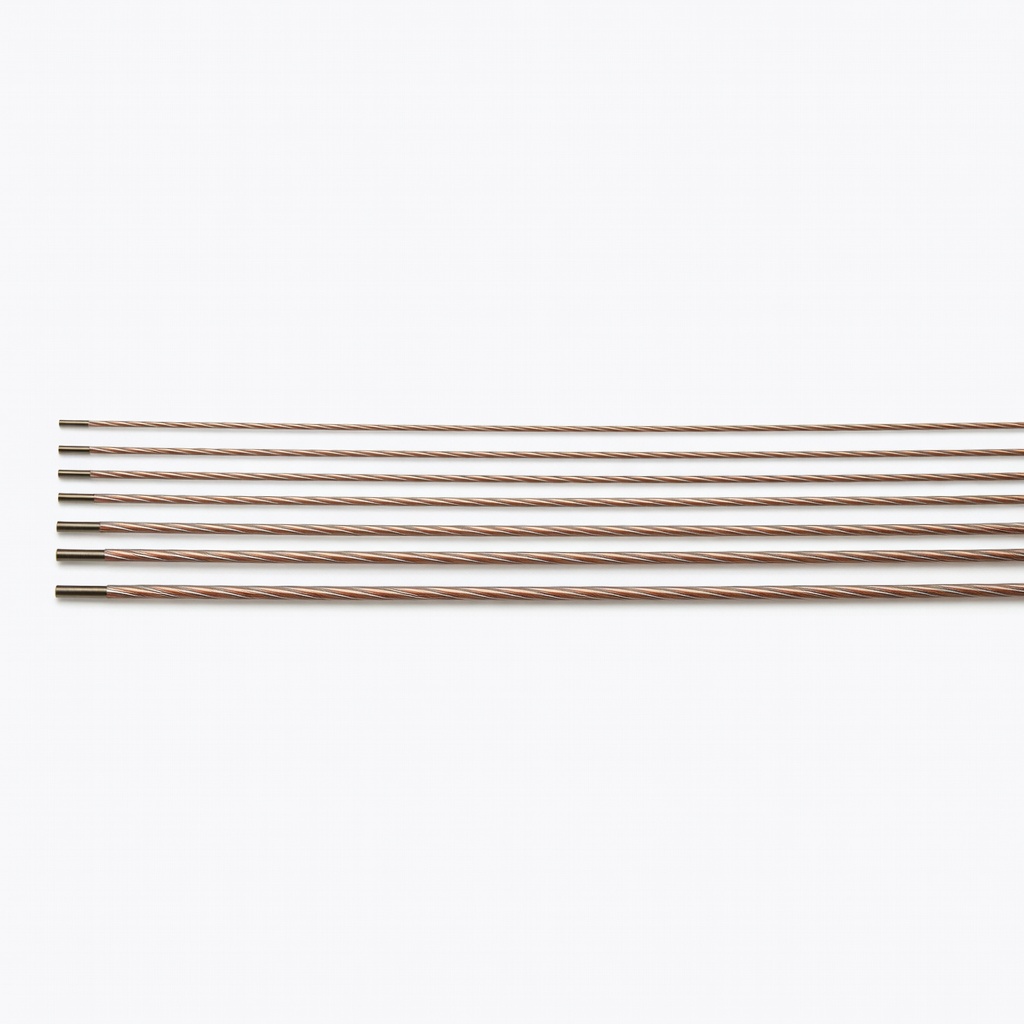
Phosphor bronze (warm, balanced mids—ideal for acoustic folk/blues) vs. 80/20 bronze (bright, articulate highs for strumming) vs. nickel-plated steel (punchy, electric-like for hybrids). Analogy: Phosphor bronze is like a cozy campfire tone; 80/20 is stadium bright.
Test by plucking open strings on current set—want warmer? Go phosphor. Matters for unplugged projection through the soundhole.
💡 Tips:
- •Phosphor bronze suits most acoustic basses for natural resonance.
Step 4: Choose the Right Gauge (Tension)
Gauge is thickness: Light (.040-.095 for easy bending/fingerstyle), Medium (.045-.105 balanced), Heavy (.050-.110 powerful slap/pop). Lighter for speed, heavier for volume/thump.
Match your style—fingerstyle intermediates prefer medium for comfort without buzz. Check tension charts: too light flops on long scales.
💡 Tips:
- •Hybrid gauges (tapered lows) blend light feel with heavy punch.
Step 5: Consider Coated vs. Uncoated Strings
Uncoated wear fast (2-4 weeks) but feel natural; coated (e.g., Elixir Nanoweb) last 3-5x longer with slick playability, minimal tone loss.
Great for gigging—coated resist sweat/corrosion on acoustic basses.
⚠️ Warnings:
- •Avoid coated if you crave raw 'bite'—they can feel slippery.
Step 6: Evaluate Brand Reputation and Reviews
Top brands like D'Addario, Elixir, Martin offer consistency. Read Amazon reviews for your exact scale/gauge—look for 'great acoustic tone' mentions.
Budget $25-60; premium lasts longer.
💡 Tips:
- •Cross-reference Sweetwater or Reverb for user demos.
Step 7: Test Fit and Tension Before Buying More
Buy a single set, install, tune to pitch, and play. Check for buzzing (too light), high action (too heavy), or stable intonation.
Use a tuner app—adjust truss rod if needed (pro help for intermediates).
▸Pro Tips
- •Always buy long-scale strings for 34" basses to avoid ball-end slippage.
- •Mix gauges sparingly—start stock sets for reliability.
- •Store spares in anti-corrosion bags to extend life.
- •Warm up strings with boiling water post-install for faster settling.
- •Pair with fresh setup (nut/bridge polish) for max tone.
- •Gig pros: Carry coated backups for humidity changes.
- •Use string winders for quick changes without tools.
▸Common Mistakes to Avoid
- •Using electric bass strings—lacks acoustic warmth and projection.
- •Ignoring scale length—causes detuning and finger fatigue.
- •Overlooking gauge for style—heavy on fingerstyle buzzes or fights bends.
- •Skipping coatings in humid climates—premature rust kills tone.
- •Buying cheapest—poor alloys corrode fast, inconsistent tension.
▸Troubleshooting
Problem: Strings buzz or fret out
Solution: Switch to heavier gauge or check neck relief (truss rod 0.010" gap at 8th fret).
Problem: Dead tone after install
Solution: Stretch strings vigorously and retune 5-6 times; use phosphor bronze next.
Problem: Won't stay in tune
Solution: Confirm scale match; clip old strings cleanly to avoid bridge damage.
Problem: Too slick/slippery
Solution: Opt for uncoated or matte-coated; chalk fingers for grip.
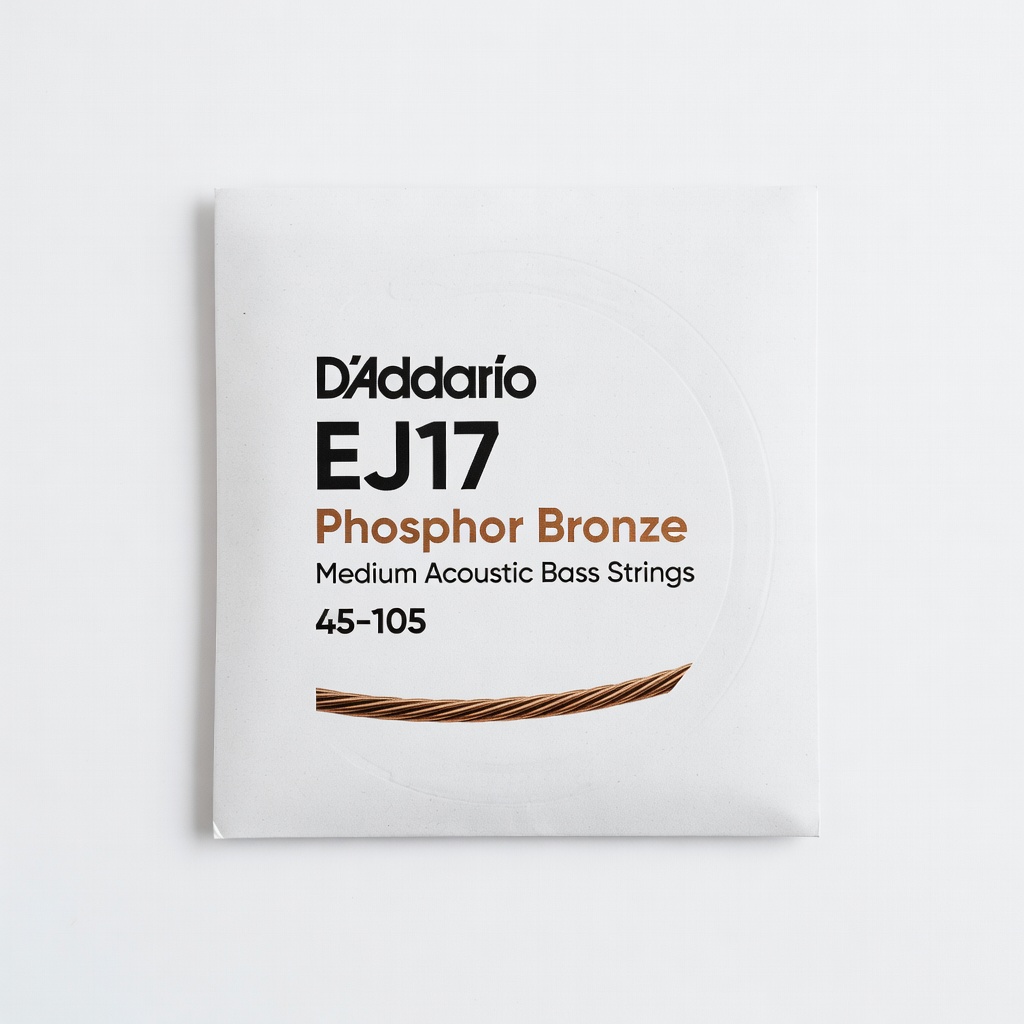
D'Addario EJ17 Phosphor Bronze Medium Acoustic Bass Strings (45-105)
Trusted phosphor bronze delivers warm acoustic tone with balanced tension for fingerstyle intermediates.
Best for: Standard 4-string, 34" scale basses needing reliable projection.
Price Range: $29.99
Elixir Nanoweb Phosphor Bronze Light Acoustic Bass Strings (45-105)
Coated for 5x life, slick feel reduces finger noise—ideal for frequent players.
Best for: Gigging on humid stages or daily practice without frequent changes.
Price Range: $49.99
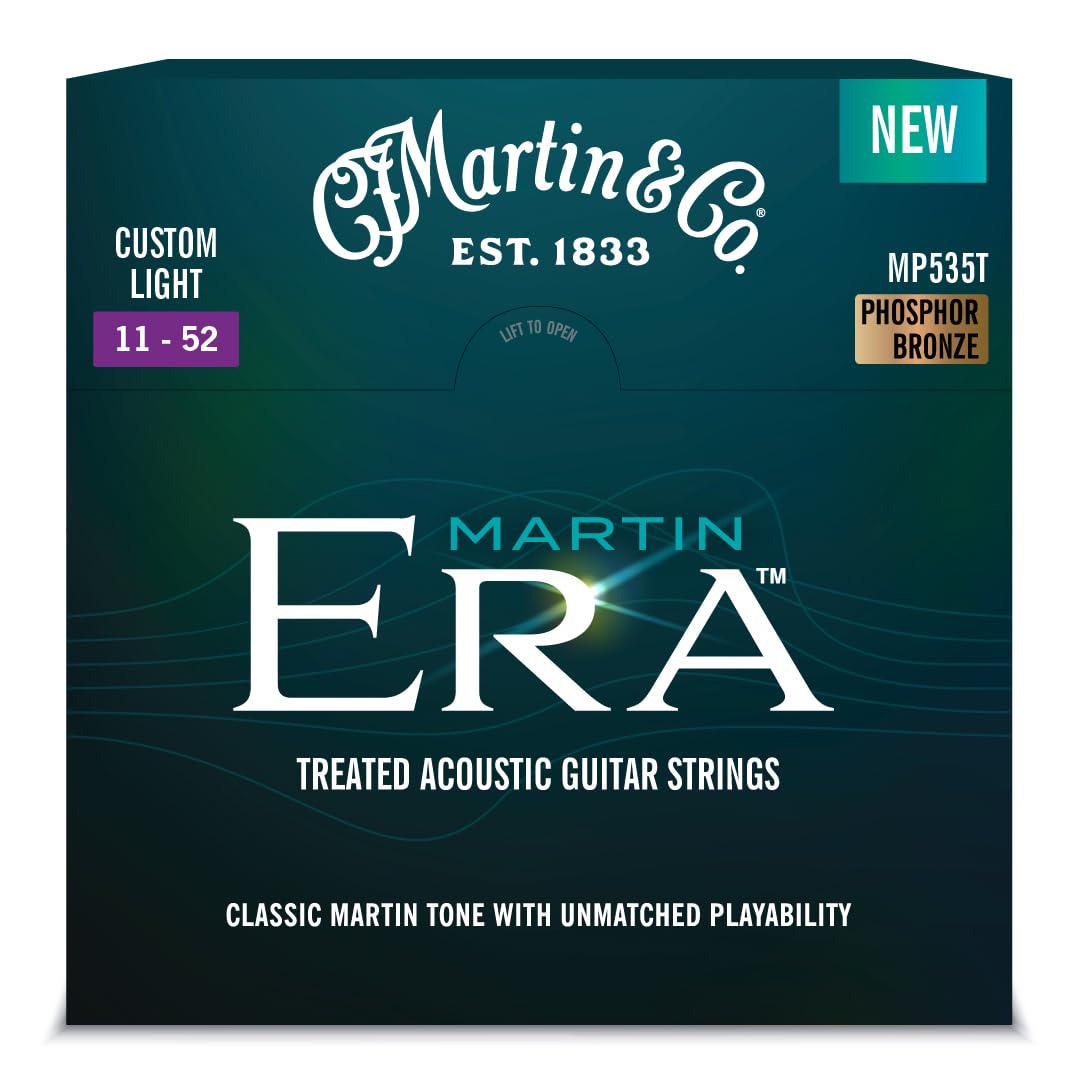
Martin MA545 Phosphor Bronze Medium Acoustic Bass Strings
Martin-tuned for their basses, rich overtones enhance unplugged volume.
Best for: Martin or similar acoustic basses craving vintage warmth.
Price Range: $39.99
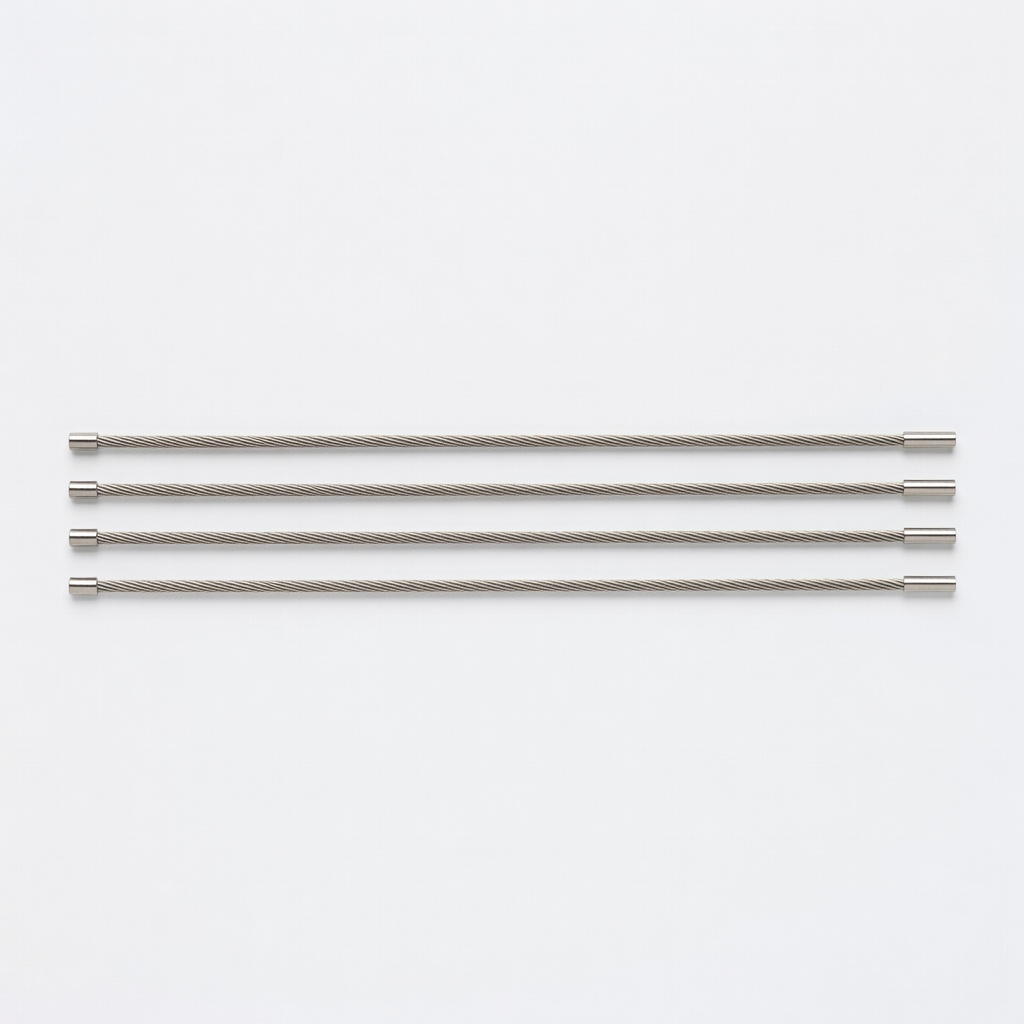
DR Strings Hi-Beam Stainless Steel Acoustic Bass Strings (45-105)
Bright, punchy stainless for hybrid acoustic-electric setups with cut-through.
Best for: Pick playing or amplified gigs needing attack.
Price Range: $24.99