

Therm-a-Rest NeoAir XLite NXT
Backpacking or thru-hiking where weight and pack size are critical.
$180 - $220
Therm-a-Rest NeoAir XLite NXT Best ultralight backpacking pad with superior warmth-to-weight ratio (R-value 4.5, weight ~12 oz).
Get the App
Better experience on mobile
Learn what to look for in a camping air mattress, from size and thickness to R-value and inflation method.
Nothing ruins a camping trip like a night spent tossing and turning on a deflated, lumpy mattress. An air mattress can make or break your sleep comfort outdoors, but with so many options—from ultralight backpacking pads to plush double-high beds—choosing the right one can feel overwhelming. This guide will walk you through the key factors: camping style, size, material, inflation method, and insulation. By the end, you'll know exactly which type of air mattress suits your tent, your gear, and your budget.
Estimated Time: 15-20 minutes Difficulty: beginner
Your choice starts with how you camp. Are you a car camper with unlimited trunk space, or a backpacker who needs to carry everything on your back? For car camping, weight and packed size matter little, so you can prioritize comfort with thick, large mattresses. For backpacking, every ounce counts—look for ultralight pads that pack down to the size of a water bottle. Also consider: do you sleep alone or with a partner? Single pads are more flexible for hammock camping or solo tents, while double mattresses offer shared comfort in larger tents.
💡 Tips:
⚠️ Warnings:
Air mattresses come in standard sizes like Twin, Full, Queen, and King, plus specialty shapes like rectangular, oval, and mummy-style. For most car camping, a Twin or Full works for solo sleepers, while a Queen is great for couples. Rectangular mattresses maximize usable space. Mummy-shaped pads taper at the feet to save weight and pack smaller—ideal for backpacking. Measure your tent's sleeping area and leave at least 6 inches of clearance on all sides to avoid wet walls.
💡 Tips:
⚠️ Warnings:
Thickness affects both comfort and insulation. Standard camping air mattresses are 4-6 inches thick, while luxury models can be 8-22 inches. Thicker mattresses provide better cushioning and keep you farther from cold ground. However, they also weigh more and take longer to inflate. For backpacking, 2-3 inches is common. For car camping, 6-10 inches is a good sweet spot. Extra-thick ‘double-high’ mattresses are essentially portable beds but can be heavy and bulky.
💡 Tips:
⚠️ Warnings:
The material determines durability, weight, and noise. PVC is the most common and affordable, but it's heavy and can be noisy (crinkly). TPU (thermoplastic polyurethane) is lighter, quieter, and more eco-friendly, but usually pricier. Vinyl is durable but very heavy and less common. For car camping where weight isn't a concern, PVC is fine. For backpacking, TPU is the clear winner. Many premium pads use a nylon or polyester fabric bonded to TPU for a soft feel.
💡 Tips:
⚠️ Warnings:
Inflation methods range from built-in electric pumps to manual hand pumps and breath inflation. Built-in AC/DC pumps are convenient for car camping with a power source (car or portable battery), but they can be heavy and fail if batteries die. Battery-operated pumps (AA/AAA or rechargeable) offer portability but require backup batteries. Manual pumps are lightweight and reliable but require physical effort. Breath inflation is only practical for small backpacking pads.
💡 Tips:
⚠️ Warnings:
R-value measures a mattress's resistance to heat loss. For summer camping, an R-value of 1-2 is sufficient. For three-season camping (spring, summer, fall), look for 3-4. For winter camping below freezing, you need R-value 5+. Many pads achieve insulation through internal baffles, foam fillers, or reflectives. Some budget air mattresses have near-zero R-value and will leave you cold even in mild temperatures. Add a foam pad underneath for extra insulation if needed.
💡 Tips:
⚠️ Warnings:
If you're backpacking, weight and packed size are critical. Ultralight pads weigh under 1 lb and pack to the size of a 1-liter water bottle. Car camping pads can weigh 5-15 lbs and pack to the size of a large sleeping bag. Always check the packed dimensions and weight on the product page. Some pads come with a stuff sack that compresses well; others are bulky. For car camping, weight is less important, but a compact shape helps fit in the trunk.
💡 Tips:
⚠️ Warnings:
A camping air mattress is only good if it doesn't leak. Look for materials with high denier ratings (e.g., 75D or 150D) for puncture resistance. Raised quilted tops are less durable than flat surfaces. Check the warranty: many brands offer 1-5 years, and some offer lifetime policies. An included repair kit with patches and glue is standard for good pads. Read reviews for long-term reliability, especially regarding seam strength and valve failures.
💡 Tips:
⚠️ Warnings:
Problem: Air mattress deflates slowly overnight
Solution: Submerge inflated mattress in water or soapy water to find bubbles. Patch small holes with the included kit. For valve issues, ensure valve is fully closed; replace if cracked.
Problem: Pump stops working during inflation
Solution: Check battery connections and replace batteries if needed. For built-in pumps, verify power source (car on, outlet live). Use manual backup pump to finish.
Problem: Mattress feels cold even when insulated
Solution: Add a closed-cell foam pad underneath. Ensure mattress is fully inflated to prevent contact with cold ground. Check if the pad's R-value is adequate for the temperature.
Problem: Mattress develops a permanent smell
Solution: Air out flat for 24-48 hours. Clean with mild soap and water, then rinse thoroughly. For persistent PVC odors, use baking soda paste or white vinegar diluted.
Best ultralight backpacking pad with superior warmth-to-weight ratio (R-value 4.5, weight ~12 oz).
Best for: Backpacking or thru-hiking where weight and pack size are critical.
Price Range: $180 - $220
Luxury car camping mattress with 19 inches height and built-in pump, offers great comfort and support.
Best for: Car camping or guest bedroom where comfort and ease are top priorities.
Price Range: $120 - $150
Affordable and lightweight backpacking pad with unique V-chamber design reduces heat loss and improves comfort.
Best for: Budget-friendly backpacking or three-season camping.
Price Range: $60 - $80
Budget-friendly car camping option with soft suede top and built-in pump, suitable for couples.
Best for: Car camping or occasional use where price is the main concern.
Price Range: $50 - $80
Backpacking or thru-hiking where weight and pack size are critical.
Therm-a-Rest NeoAir XLite NXT Best ultralight backpacking pad with superior warmth-to-weight ratio (R-value 4.5, weight ~12 oz).
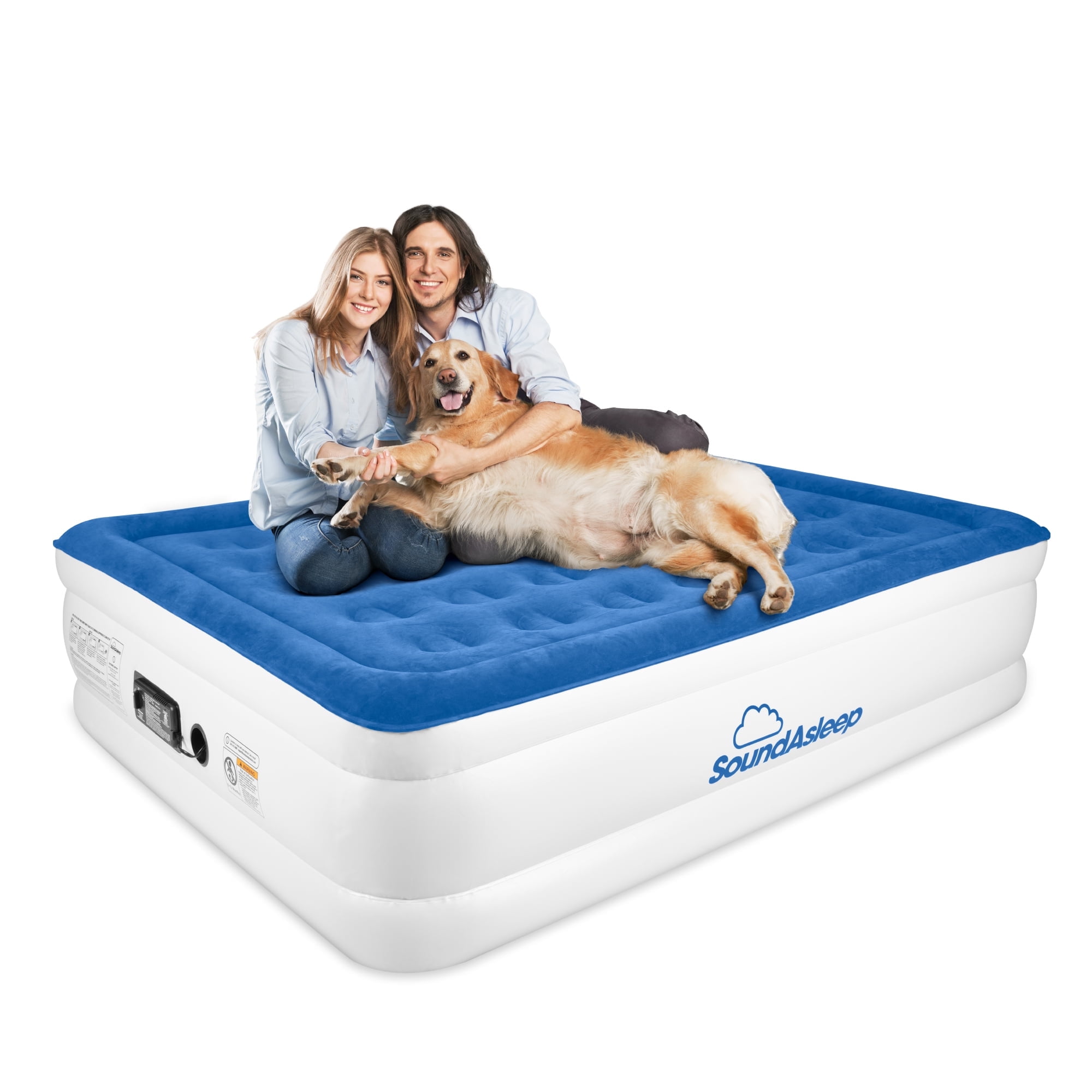
Car camping or guest bedroom where comfort and ease are top priorities.
SoundAsleep Dream Series Air Mattress Luxury car camping mattress with 19 inches height and built-in pump, offers great comfort and support.
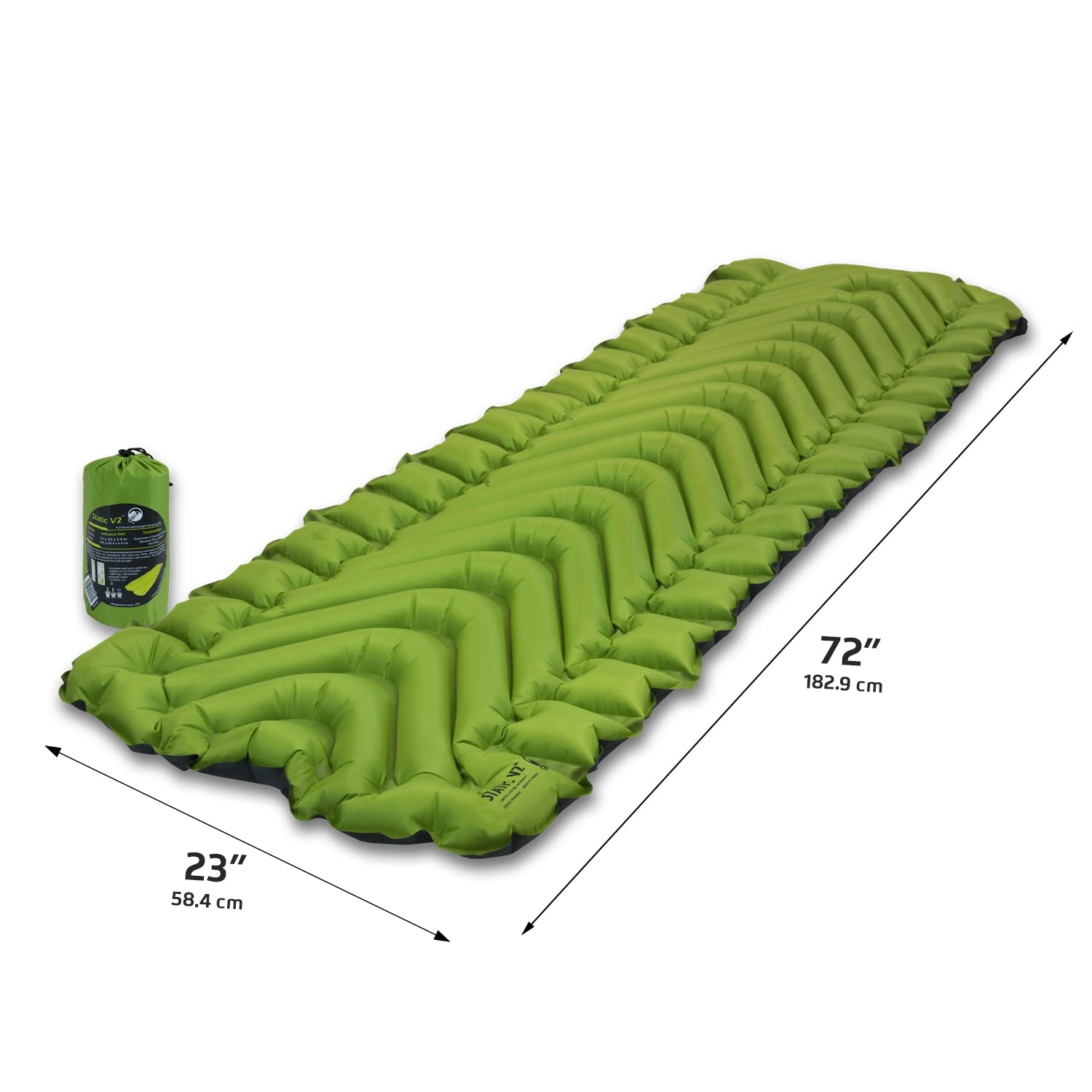
Budget-friendly backpacking or three-season camping.
Klymit Static V2 Affordable and lightweight backpacking pad with unique V-chamber design reduces heat loss and improves comfort.
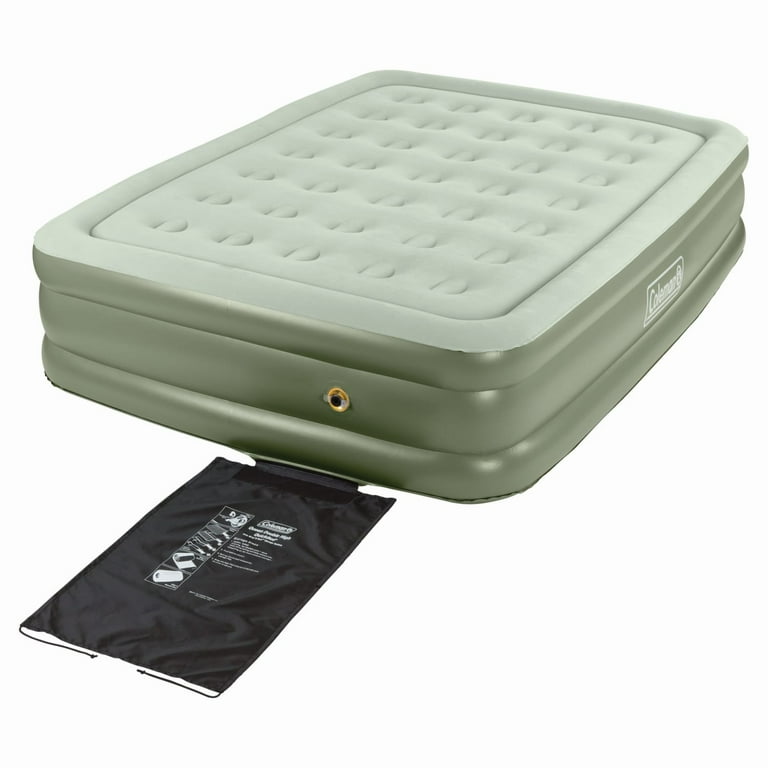
Car camping or occasional use where price is the main concern.
Coleman QuickBed Double High Airbed Budget-friendly car camping option with soft suede top and built-in pump, suitable for couples.