Choosing the right adjustable bench can make or break your home gym. A wobbly bench or one with limited incline angles can lead to poor form, stalled progress, or even injury. This guide will walk you through the essential factors to consider: weight capacity, adjustability, padding, frame stability, and space requirements. By the end, you'll know exactly what to look for to match your training style and budget. Whether you're a powerlifter needing a heavy-duty flat-to-incline bench or a general fitness enthusiast looking for versatility, these steps will help you decide with confidence.
▸What You'll Need
- •Understanding of your training goals (powerlifting, bodybuilding, general fitness)
- •Knowledge of available floor space in your home gym
- •Budget range for the bench
- •List of exercises you plan to perform (e.g., flat press, incline press, seated shoulder press, dumbbell rows)
- •Consideration of your maximum bench press weight for safety margin
Estimated Time: 15-20 minutes to read and understand; 1-3 hours for research and purchase
Difficulty: intermediate
▸Step-by-Step Instructions
Step 1: Define Your Training Goals and Frequency
Start by listing the exercises you'll perform on the bench. Are you primarily a powerlifter focusing on flat bench press? Or do you need incline/decline for hypertrophy? A powerlifter might prioritize a super-stable flat bench, while a bodybuilder needs a full range from flat to 90° incline. Also consider how often you'll adjust angles – if you superset quickly, an easy-lock adjustment system is key.
💡 Tips:
- •Write down your current max lift on bench press and add 100 lbs for safety margin when checking weight capacity.
- •If you plan to do seated overhead press, ensure the seat is high enough and the back pad supports upright position.
Step 2: Measure Your Available Space and Check Storage Needs
Measure the floor area where the bench will sit. Adjustable benches vary in footprint from compact (like the Flybird) to full-size (like the Rogue Monster Bench). Also consider the ceiling height if you do overhead pressing while seated. If space is tight, look for a bench that can be stored vertically or has wheels for easy moving.
💡 Tips:
- •Leave at least 2 feet of clearance on each side and behind the bench for loading plates and unracking.
- •Foldable benches can save space but may sacrifice stability – test for wobble.
- •For small apartments, a bench with storage for barbell or dumbbells (like the Bowflex 5.1S) can be a plus.
⚠️ Warnings:
- •Don't forget to account for the bench's footprint when fully reclined or at various angles.
Step 3: Check Weight Capacity and Seek Stability
The bench's weight rating should exceed your body weight plus the maximum weight you'll lift. A minimum of 1,000 lbs is recommended for heavy pressing. Stability comes from a wide base, thick steel tubing (at least 11-gauge), and rubber feet that grip the floor. Test for wobble by simulating a pressing motion – the bench should not rock even with side-to-side force.
💡 Tips:
- •Look for benches with a steel frame of 11-gauge or thicker; 14-gauge is less stable.
- •Cross-bracing and a wide footprint (at least 24 inches wide) improve stability.
- •If you plan to use a spotter or do heavy rack pulls, a bench with an integrated spotter shelf or lat pulldown can be useful.
⚠️ Warnings:
- •Avoid benches with plastic or thin rubber feet that can slide on smooth floors.
Step 4: Evaluate Seat and Back Pad Adjustability
A good adjustable bench should offer multiple back angles: typically 0° (flat), 15°, 30°, 45°, 70°, and 90°. The seat should also adjust independently (or at least have a moderate tilt) to prevent sliding during inclines. Ladder-style or pin-index adjustments are common; ensure the mechanism feels solid and clicks positively. Some benches offer continuous adjustment via a gas shock – more convenient but can be pricier.
💡 Tips:
- •Test the adjustment mechanism in person if possible – it should lock firmly without play.
- •A seat that adjusts to at least a slight decline (say -15°) allows for decline bench work, but this is rarely needed.
- •For shoulder presses, a back pad that goes to 90° (vertical) is essential.
⚠️ Warnings:
- •Avoid benches where the back pad flexes significantly when you lean into it at higher angles.
Step 5: Examine Padding Quality and Dimensions
The pad should be firm enough to provide stability but have enough foam for comfort during long sets. Look for high-density foam (at least 2-3 inch thick) and a grippy, sweat-resistant cover like vinyl or textured fabric. The pad width should be wide enough to support your back and shoulders – typically 10-12 inches for the back pad and 10-12 inches for the seat. A longer pad (at least 16 inches for the seat) accommodates taller users.
💡 Tips:
- •If you have a long torso, look for a back pad at least 30 inches long to support your head when lying flat.
- •Try pressing on the pad to check for excessive give – it should compress only slightly under your palm.
- •Some benches have a 'gap' between seat and back pad – ensure your glutes won't get pinched.
⚠️ Warnings:
- •Very soft padding can cause instability during heavy presses – avoid 'cloud' foam.
Step 6: Inspect Build Materials and Frame Construction
Steel tubing should be at least 11-gauge for heavy-duty benches. Look for fully welded joints (not bolted) where the legs connect to the frame. The powder coat finish should be durable and chip-resistant. Rubber end caps on the feet prevent floor damage and slippage. For longevity, check that all moving parts have steel-on-steel contact rather than plastic bushings.
💡 Tips:
- •If the bench will be used in a garage or basement, consider humidity resistance – some benches have stainless steel hardware.
- •Assembled weight of the bench can indicate sturdiness; heavier benches (60-100 lbs) tend to be more stable.
- •Check the warranty – at least a limited lifetime warranty on the frame is a sign of quality.
⚠️ Warnings:
- •Avoid benches with plastic parts in the adjustment mechanism – they can break.
Step 7: Consider Extra Features: Wheels, Attachments, and Portability
Many adjustable benches include transport wheels for easy moving. If you need to store the bench after each workout, look for a bench that folds or can be stored upright. Some benches have attachments like leg hold-down rollers, preacher curl pads, or even a lat pulldown station. Assess whether these add value or just consume space. For a pure strength bench, extra attachments can be a distraction.
💡 Tips:
- •Wheels should be large enough (at least 2 inches in diameter) to roll over carpet or doorway thresholds.
- •If you have a power rack, ensure the bench height matches the rack's spotter arms – typically around 17-18 inches.
- •A bench with adjustable feet can level on uneven flooring.
⚠️ Warnings:
- •Avoid benches with plastic wheel mounts – they can snap when you roll a heavy bench.
Step 8: Compare Prices, Warranty, and Reviews
Set a budget before you start shopping. Benches range from $150 (budget) to $800+ (commercial grade). In the mid-range ($300-$500), you'll find solid options like the Rep Fitness AB-5200 or Rogue Adjustable Bench 3.0. Read customer reviews on durability and wobble over time. Pay attention to return policies especially if buying online – some benches are heavy to ship back.
💡 Tips:
- •Look for benches with a 5-year or longer frame warranty; 1-year on pads is standard.
- •Search for video reviews that show the bench in use after several months.
- •Factor in shipping costs – some brands offer free shipping, others charge extra.
⚠️ Warnings:
- •Don't buy a bench solely based on low price – stability and safety are worth the investment.
▸Pro Tips
- •If possible, test the bench in person at a local store to feel the padding and see the adjustment mechanism first-hand.
- •For home gyms, consider a bench that matches the height of your power rack for seamless flat bench press setup.
- •Measure your floor space with the bench in its longest position (flat) to ensure it fits.
- •A bench with a 'zero-gap' design between seat and back pad prevents pinching during inclines.
- •If you have back issues, a bench with an adjustable seat back that goes to 90° can serve as a back extension station.
- •Don't overlook the importance of the seat pad – a short seat can cause you to slide during heavy presses.
▸Common Mistakes to Avoid
- •Buying a bench with a weight capacity too close to your working weight – always add a safety margin of 200-300 lbs.
- •Choosing a bench that doesn't have a flat position (0°) – many adjustable benches fail to sit perfectly flat, which is a must for flat presses.
- •Ignoring pad width – a narrow pad (under 10 inches) can roll your shoulders forward during pressing.
- •Purchasing a bench solely based on price without checking build quality – cheap benches may wobble or break.
- •Forgetting to measure ceiling height for seated overhead press – a tall person on a high bench may hit the ceiling.
▸Troubleshooting
Problem: The bench wobbles during heavy presses.
Solution: Check that all bolts are tightened and rubber feet are firmly on the floor. If the floor is uneven, use shims under the feet. If the frame itself is flexing, consider upgrading to a heavier-duty bench.
Problem: The adjustment mechanism is hard to move or won't lock.
Solution: Lubricate moving parts with a dry lubricant like silicone spray. If it's a pin-index system, ensure the pin aligns with the hole properly. For gas shock benches, check for leaks – they may need replacement.
Problem: The pad slides or feels loose.
Solution: Tighten the bolts securing the pad to the frame. If the pad has Velcro or straps, ensure they are secure. Some pads have adhesive strips – they may have worn out; consider replacing the pad.
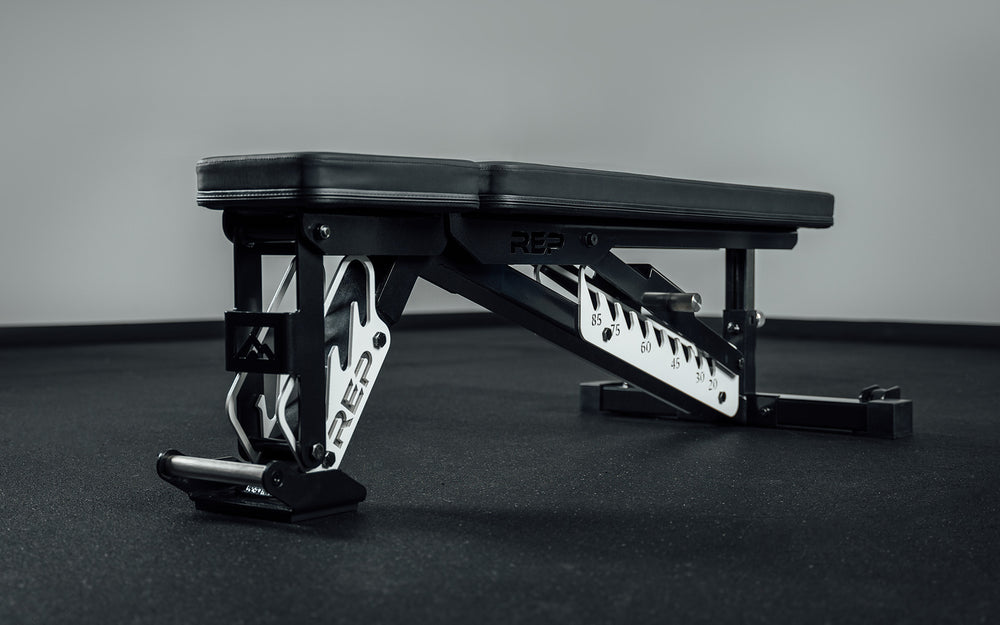
Rep Fitness AB-5200 Adjustable Bench
Excellent stability with a wide base and 1,000+ lb capacity. Offers independent seat and back adjustment with zero-gap design.
Best for: Ideal for heavy pressers and those who need precise incline angles across a full range.
Price Range: $400-$500
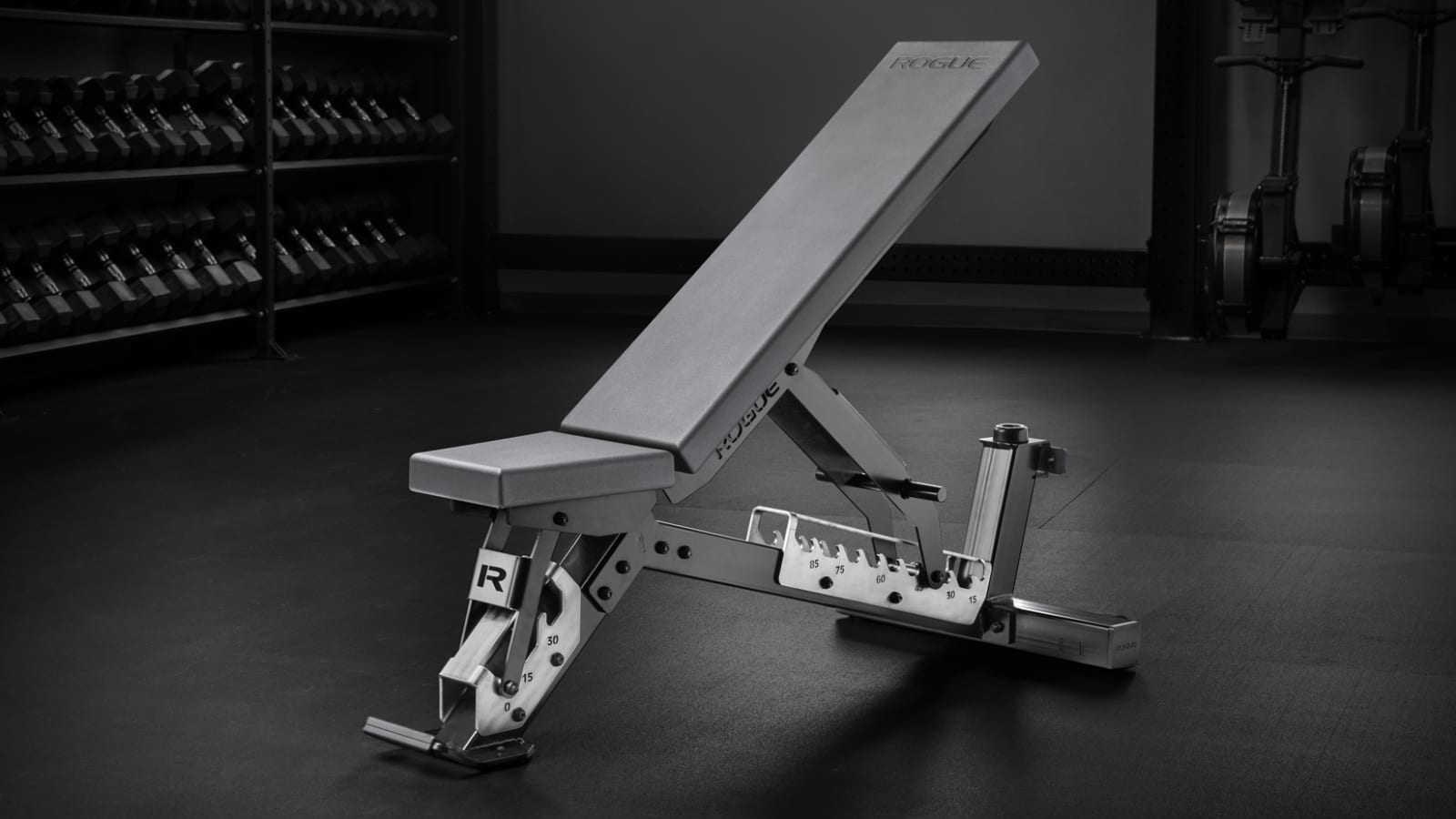
Rogue Adjustable Bench 3.0
Rugged 11-gauge steel, multiple foot positions, and a compact footprint. Compatible with many rack setups.
Best for: Perfect for serious lifters who want a commercial-quality bench that won't take up too much floor space.
Price Range: $500-$600
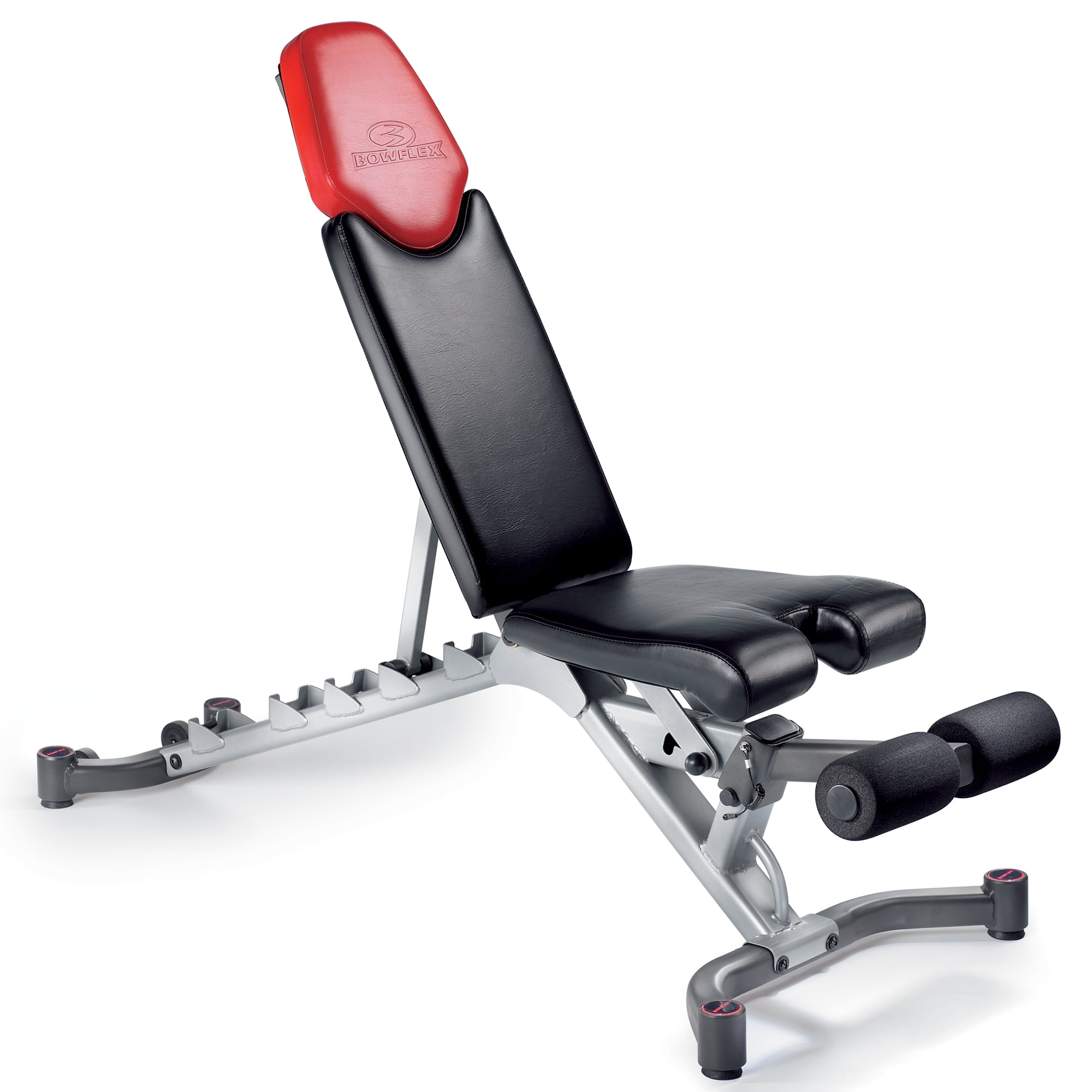
Bowflex 5.1S Adjustable Bench
Versatile with six back positions and three seat positions, plus a built-in squat stand and resistance bands for full-body workouts.
Best for: Great for home gyms where space is limited and you want multiple functions (bench, squat, lat pulldown).
Price Range: $300-$400
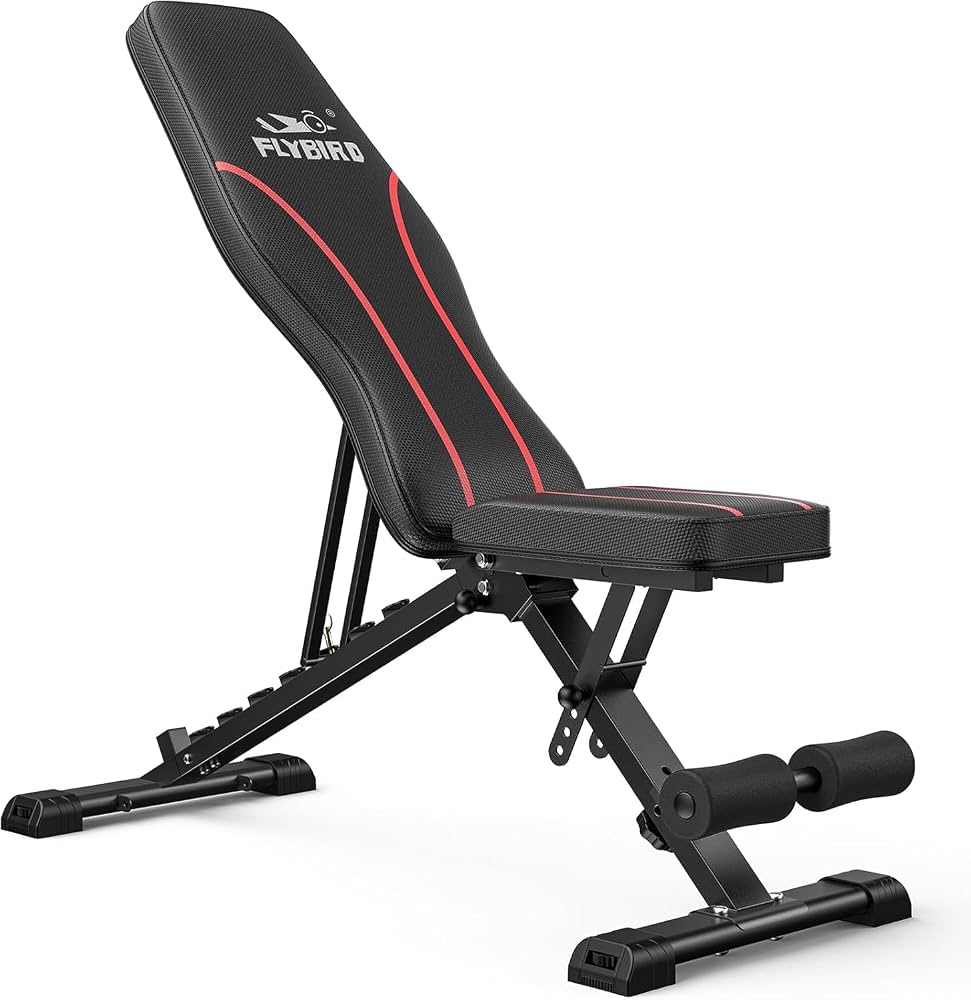
Flybird Adjustable Bench
Budget-friendly with up to 1000 lb capacity, easy fold-away design, and multiple incline/decline positions.
Best for: Suitable for beginners to intermediate lifters on a budget who need a portable bench that stores easily.
Price Range: $150-$200