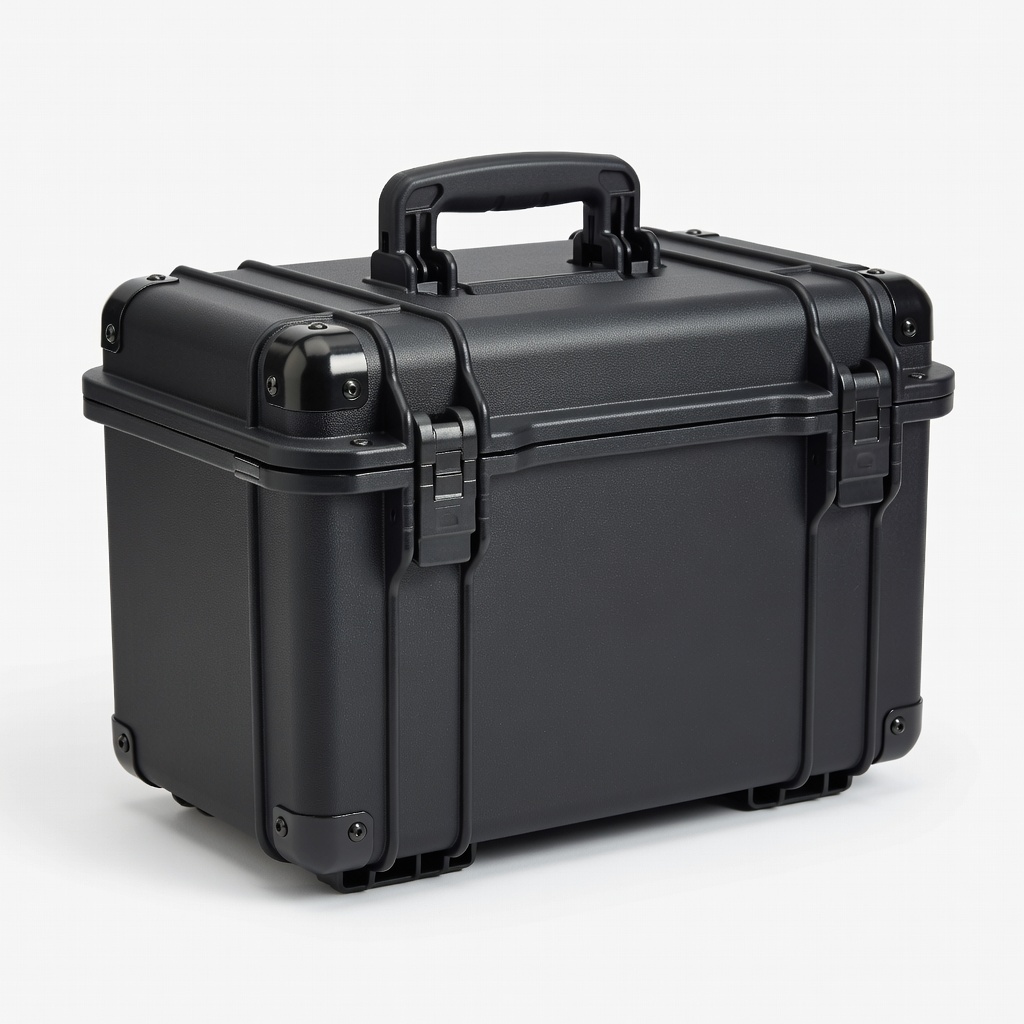
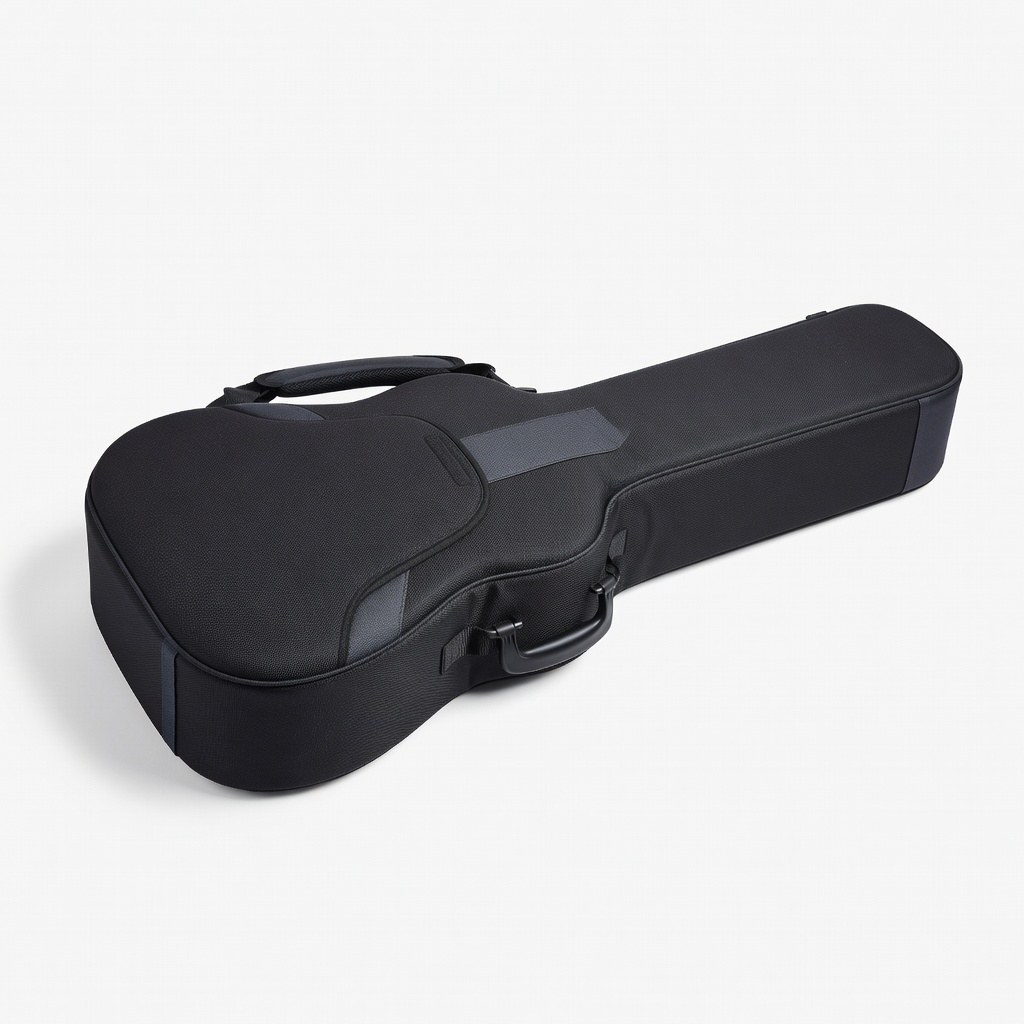
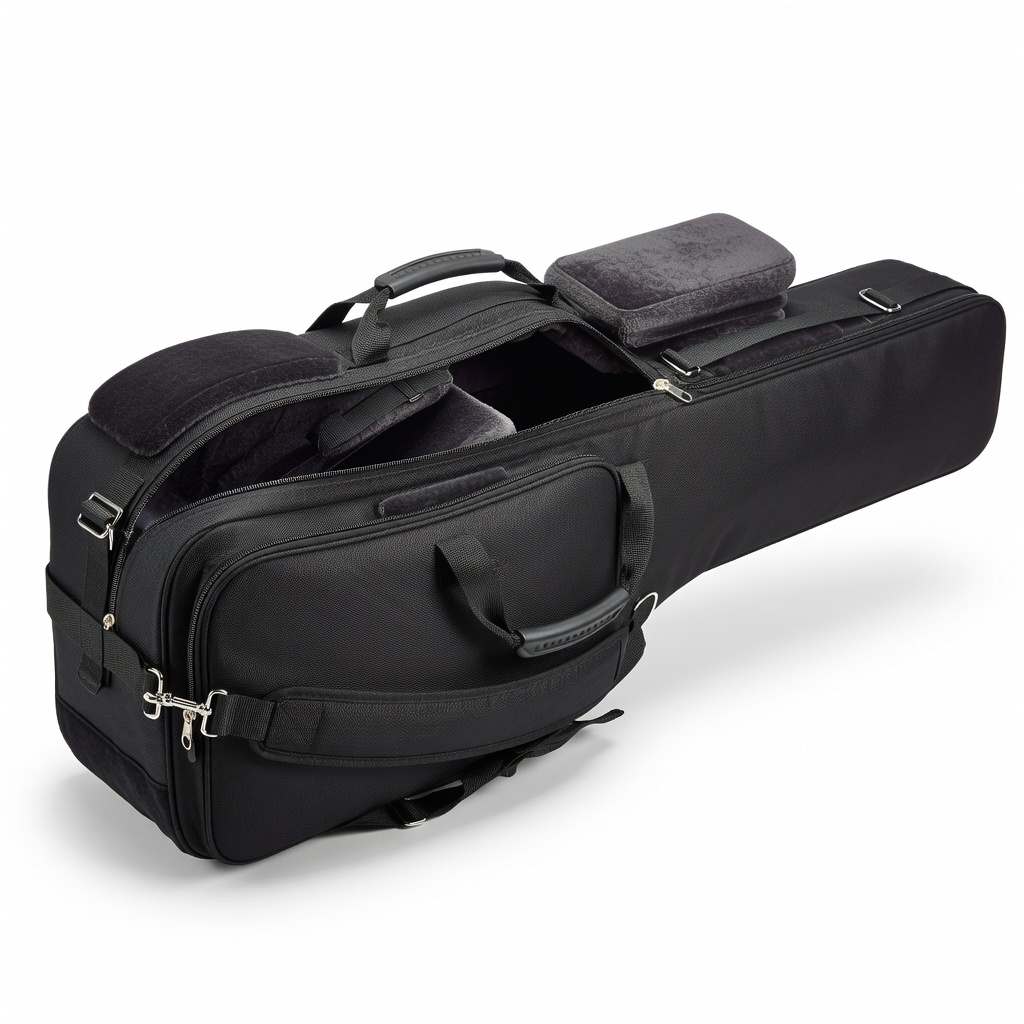
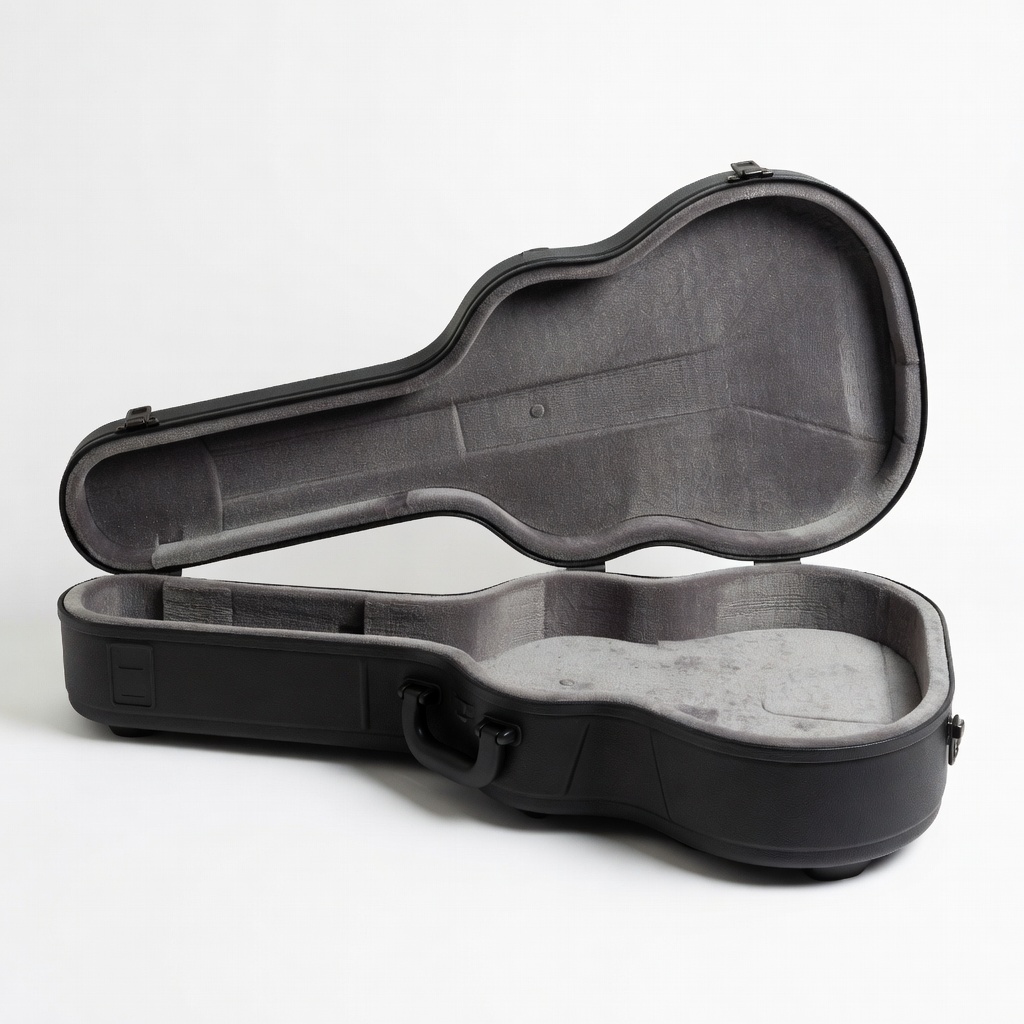
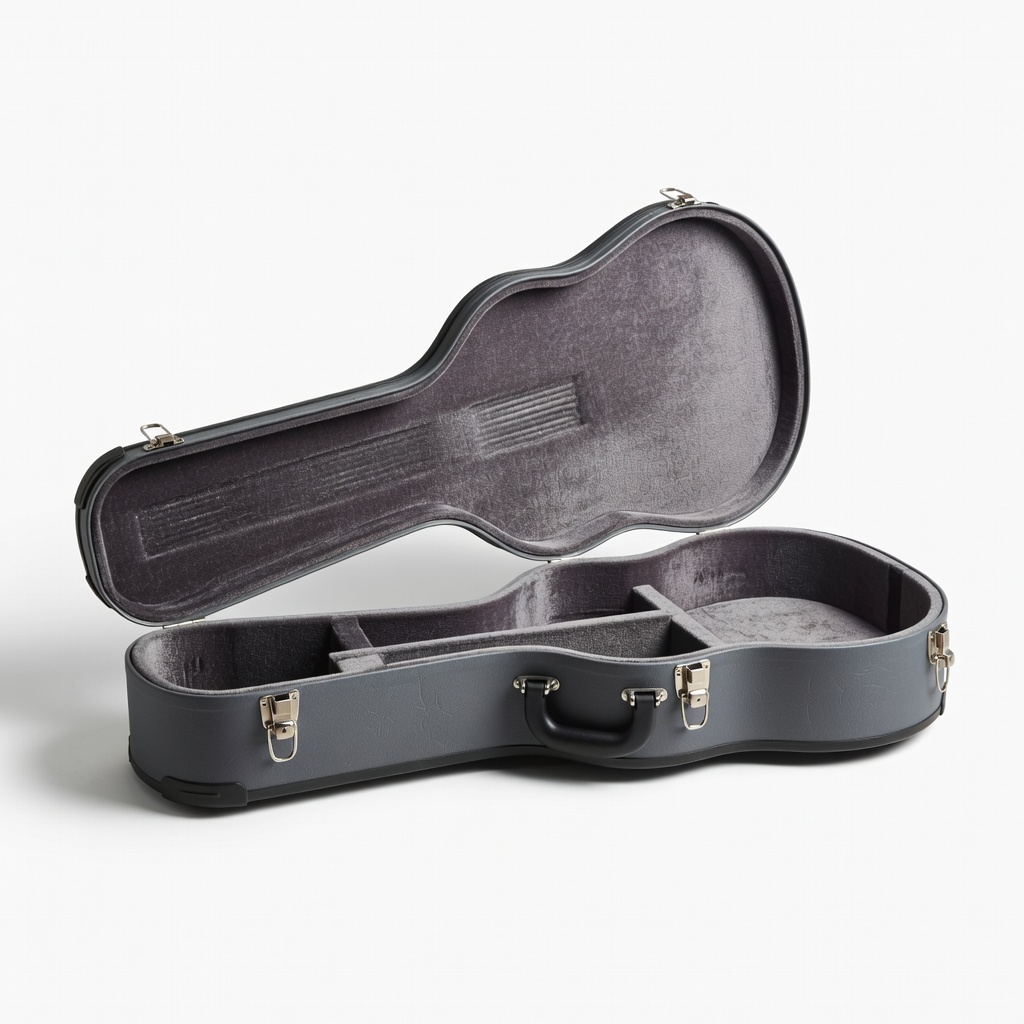
Traveling with an acoustic guitar can be exciting, but nothing ruins the fun like arriving to find your instrument scratched, dented, or worse. As a beginner musician hitting the road for gigs, vacations, or moves, choosing the right case is crucial to protect your investment without adding unnecessary hassle or cost. Poorly chosen cases often lead to damage from bumps, weather, or rough handling by airlines.
In this guide, you'll learn a step-by-step process to evaluate your needs, explore case options, and pick the best one for safe travels. We'll cover everything from sizing and materials to features like padding and locks, helping you make an informed decision. Expect to spend 20-30 minutes reviewing this—it's straightforward for beginners, requiring no prior expertise beyond knowing your guitar basics.
By the end, you'll have the confidence to choose a case that fits your lifestyle, ensuring your acoustic guitar arrives in perfect condition every time.
▸What You'll Need
- •Tape measure or ruler (required to measure your guitar)
- •List of your travel plans (e.g., air travel, car trips; required)
- •Budget range (required; note what you're willing to spend)
- •Access to online reviews or stores (optional but recommended for research)
- •Your acoustic guitar (required for fitting checks if shopping in person)
Estimated Time: 20-30 minutes
Difficulty: beginner
▸Step-by-Step Instructions
Step 1: Measure Your Acoustic Guitar Accurately
Start by determining the exact dimensions of your guitar to ensure a proper fit. Lay your acoustic guitar on a flat surface and measure its overall length from the top of the headstock to the bottom of the body, width at the widest point (usually the lower bout), and depth from the back to the front at the thickest part. Standard acoustics are about 38-41 inches long, 14-16 inches wide, and 4-5 inches deep, but dreadnoughts or smaller parlor models vary.
Why this matters: An ill-fitting case can cause pressure points leading to finish damage or make the guitar hard to insert/remove, increasing drop risk during travel. Expect to jot down these numbers—success looks like precise measurements that match case specs you'll check later.
Use a flexible tape measure for curves; if you don't have one, a ruler works for straight lines but may be less accurate on contours.
💡 Tips:
- •Add 1-2 inches to each measurement for padding allowance—cases should have some wiggle room, not be skin-tight.
⚠️ Warnings:
- •Avoid eyeballing sizes; even slight errors can lead to a case that's too snug or loose.
Step 2: Assess Your Travel Needs and Frequency
Think about how you'll travel: airplane (checked or carry-on), car, bus, or train? Consider frequency—occasional road trips need less rugged protection than frequent flights with baggage handlers. Also factor in environment: rainy climates demand water resistance, while desert trips prioritize ventilation to prevent humidity issues.
This step is key because it dictates case type—soft gigs bags for light car travel vs. hard shells for air cargo. Success here means a clear list: e.g., 'Fly 4x/year, check bag, budget under $150.' It prevents overbuying bulky cases for rare use or skimping on protection for rough journeys.
Jot notes on risks like theft (need locks?) or weight limits (airlines cap carry-ons at 22 lbs).
💡 Tips:
- •Prioritize TSA-approved locks if flying; they allow inspection without damage.
⚠️ Warnings:
- •Don't ignore airline policies—many require hard cases for checked guitars to avoid liability.
Step 3: Understand the Types of Guitar Cases
Familiarize yourself with options: soft gig bags (padded fabric, lightweight for carry-on), semi-rigid (hardshell-like foam hybrids), and full hard cases (molded plastic or wood for maximum protection). Gig bags are affordable ($20-100) but offer basic padding; hard cases ($100-500+) withstand impacts but are heavier.
Why explore types? Each suits different needs—gig bags for commuters, hard shells for pros touring. Expect to eliminate mismatches early; success is narrowing to 1-2 types based on your travel (e.g., hard for flights).
Research hybrids if you want balance: they provide decent protection without full weight.
💡 Tips:
- •For beginners, start with a gig bag if travel is light; upgrade as you gig more.
Step 4: Evaluate Key Features for Protection
Look for essential features: thick padding (at least 1-inch foam), reinforced edges, water-resistant exteriors, and interior storage for picks/strings. Check for neck support to prevent forward falls and exterior handles/wheels for easy transport. For travel, prioritize crush resistance and latches that stay secure.
These matter because they directly impact safety—poor padding equals scratches from jostling. Success: A checklist of must-haves like 'padded neck cradle? Yes/No.' Test feel if in-store; online, read specs carefully.
Additional perks like humidity control (for wood guitars) add value for long trips.
💡 Tips:
- •Seek cases with accessory compartments to keep essentials organized and reduce bag clutter.
⚠️ Warnings:
- •Avoid cases without proper ventilation; trapped moisture can warp your guitar's wood.
Step 5: Set a Realistic Budget and Compare Options
Decide your spend: under $50 for basic bags, $50-150 for solid protection, $150+ for premium. Factor in longevity—cheaper cases may need replacing sooner. Use sites like Amazon or Sweetwater to compare prices and ratings.
Budgeting ensures value; overspending on unused features wastes money, while skimping risks damage costing more. Success: Shortlist 3-5 cases matching your measurements/features within budget.
Weigh total cost including shipping; sales often drop prices 20-30%.
💡 Tips:
- •Look for bundle deals with straps or locks to save extra.
Step 6: Read Reviews and Check Brand Reputation
Dive into user reviews on retailer sites, forums like Acoustic Guitar Forum, or YouTube demos. Focus on travel-specific feedback: durability in flights, ease of use. Reputable brands like Gator or SKB score high for reliability.
Reviews reveal real-world performance—lab tests don't show airline abuse. Success: Confident pick with 4+ star average and comments addressing your needs (e.g., 'Survived checked bag').
Cross-check multiple sources to spot fakes.
💡 Tips:
- •Filter reviews by 'verified purchase' for authenticity.
⚠️ Warnings:
- •Ignore overly glowing or one-word reviews; seek detailed travel stories.
Step 7: Test the Fit and Buy Your Case
If possible, visit a store to slide your guitar in—ensure snug but not tight fit with room for humidity expansion. Online? Use return policies and measure twice. Order from trusted sellers with warranties.
Final testing confirms choice; loose fits allow shifts, tight ones stress wood. Success: Guitar secures easily, case closes fully, and feels balanced to carry.
Post-purchase, label it with your contact for lost baggage recovery.
💡 Tips:
- •Buy from places with free returns like Guitar Center for peace of mind.
▸Pro Tips
- •Always err on the side of more protection for air travel—better safe than sorry with rough handlers.
- •Weigh the case empty; add to your guitar's 8-10 lbs to stay under airline limits.
- •Use desiccant packs inside for long-term storage during humid travels.
- •Customize with ID tags and colorful stickers for quick airport spotting.
- •Pair with a guitar humidifier if traveling to dry areas to maintain wood health.
- •Check for lifetime warranties from brands like SKB—they're worth the slight premium.
- •Practice packing/unpacking at home to build speed for busy trips.
▸Common Mistakes to Avoid
- •Choosing based on looks alone: Pretty designs often lack padding; prioritize function to avoid damage.
- •Ignoring weight: Heavy cases tire you out and exceed carry-on limits; always check specs.
- •Skipping measurements: Leads to returns or forced buys; measure every time.
- •Overlooking locks: Theft risk rises in transit; opt for secure options.
- •Buying the cheapest option: It fails under stress, costing more in repairs—invest wisely.
▸Troubleshooting
Problem: Case feels too tight or loose after purchase
Solution: Use the return policy to exchange; for minor looseness, add foam inserts. Measure again to confirm.
Problem: Guitar shifts during transport
Solution: Add internal straps or padding; if persistent, upgrade to a more fitted model.
Problem: Case cracks on first rough trip
Solution: Ensure it's rated for impact (e.g., ATA standards); contact manufacturer for warranty claim if under coverage.
Problem: Humidity issues inside case
Solution: Incorporate a hygrometer and adjust with packs; choose vented cases for better airflow. Seek luthier help if guitar warps.
Gator GPE-AC Series Hard Case
Affordable hard shell with plush lining and TSA locks, ideal for beginner air travelers needing reliable protection without bulk.
Best for: Checked baggage on flights or car trips; fits most standard acoustics.
Price Range: $150-200
Mono M80 Acoustic Guitar Case
Lightweight hybrid design with military-grade nylon and neck cradle, balancing protection and portability for everyday travel.
Best for: Carry-on flights or gigs; great for beginners who walk to venues.
Price Range: $250-300
Road Runner RRSC1 Soft Gig Bag
Budget-friendly padded bag with backpack straps, perfect entry-level option for light road trips without high impact risks.
Best for: Car or short bus travel; protects against minor bumps.
Price Range: $40-60
SKB 1SKB-6 Pro Acoustic Case
Rugged molded construction with lifetime warranty, excels in extreme travel durability for frequent users.
Best for: International tours or rough handling; overkill for casual but future-proof.
Price Range: $200-250
Hiscox Pro-II-Standard Acoustic Case
Premium lightweight hardshell with superior impact resistance, recommended for valuable guitars in varied climates.
Best for: All travel types, especially humid or cold areas; for serious beginners.
Price Range: $300-400