Playing live with an acoustic guitar that vanishes in the mix or feeds back is a nightmare. An acoustic-electric guitar bridges the gap between rich acoustic tone and reliable amplified sound. But with countless models, pickup systems, and price points, choosing the right one for the stage can be overwhelming. This guide will walk you through the essential factors: pickup types, preamp controls, body shapes, and feedback-fighting features. By the end, you’ll have the knowledge to make a confident purchase that suits your playing style and performance environment.
▸What You'll Need
- •A clear budget range (e.g., $500–$1500 for a solid intermediate guitar)
- •A local music store with multiple acoustic-electric models to test
- •Your own guitar picks and a strap (to recreate performance feel)
- •Basic understanding of guitar tone and EQ
- •A friend or salesperson to help evaluate amplified sound from the audience perspective
Estimated Time: 1–2 hours of research plus 30–60 minutes in-store testing
Difficulty: intermediate
▸Step-by-Step Instructions
Step 1: Set Your Budget and Performance Goals
Before diving into specifications, decide how much you’re willing to spend and where you’ll perform. Budget affects build quality, electronics, and overall sound. Guitars under $300 often have basic under-saddle pickups and limited preamp control. The $500–$1500 sweet spot offers solid woods, reliable electronics (like Fishman or LR Baggs), and better feedback resistance. For professional touring, models above $1500 feature premium tonewoods, advanced preamps, and onboard tuners.
Think about your typical venues: coffee shops vs. large stages vs. worship bands. That will dictate how much you need feedback control and output volume. Also consider whether you need a cutaway for upper-fret access—if you play lead lines, a cutaway is almost essential.
💡 Tips:
- •Don’t forget to budget for a good gig bag or case (approx. $50–$150).
- •If you plan to record as well, look for models with balanced XLR outputs or USB connectivity.
⚠️ Warnings:
- •Avoid the cheapest models if you need reliable live sound—cheap electronics can be noisy and fragile.
Step 2: Understand Pickup Systems: Under-Saddle, Soundhole, and More
The pickup is the heart of your amplified sound. The most common types are:
- •Under-saddle piezo: Sits beneath the saddle; captures string vibration. Bright, clear, but sometimes quacky. Works well for strumming and moderate fingerpicking. Found in most entry-level to mid-range guitars.
- •Soundhole magnetic: Like an electric guitar pickup; mounted in the soundhole. Warm, less quack, but may sound less acoustic. Often favored by players who want feedback resistance.
- •Internal condenser mic: Sounds the most natural, capturing body resonance. Can be feedback-prone and expensive. Best for solo, quiet stages.
- •Blend systems: Combine two sources (e.g., under-saddle + mic) for the best of both worlds. Common in higher-end models.
For live performance, a blend system or a premium under-saddle with a good preamp is ideal. If you play in loud bands, a soundhole magnetic pickup may be more practical.
💡 Tips:
- •Try playing through a PA or amp at the store to hear the pickup character—don’t rely on a small practice amp.
- •Look for systems with adjustable EQ (bass/mid/treble) to shape your tone on stage.
⚠️ Warnings:
- •Some cheap under-saddle pickups sound very “quacky” and unnatural; avoid those if you play fingerstyle.
Step 3: Evaluate Body Shape and Size for Comfort and Projection
Your body shape affects both unplugged tone and how the guitar feels when you stand and play. Common sizes:
- •Dreadnought: Big bass, strong projection. Great for strumming but can feel bulky for smaller players.
- •Grand Auditorium (GA): Versatile, balanced tone. Comfortable for both strumming and fingerpicking. A top choice for live performance.
- •Concert/00: Smaller, more focused sound. Comfortable on stage, but may need more amplification to cut through a mix.
- •Jumbo: Huge sound, good for powerful strumming. Often heavy and can be feedback-prone.
Test each shape while standing with a strap—most of your playing time will be on your feet. A cutaway will sacrifice a bit of unplugged volume but give access to higher frets, useful for solos.
💡 Tips:
- •If you have back or shoulder issues, choose a lighter body style like Grand Concert or a thinline model.
- •Bring a strap to the store and play each guitar for 10 minutes to assess fatigue.
⚠️ Warnings:
- •Don’t buy a guitar that feels uncomfortable just because it sounds great unplugged—you’ll regret it mid-show.
Step 4: Check the Preamp and EQ Controls
The preamp shapes your signal before it reaches the PA. Basic preamps have volume and bass/treble. More advanced ones include midrange, notch filter, phase switch, and even built-in tuner, chromatic tuner, and effects like reverb. For live performance, you want at least a 3-band EQ (bass, mid, treble). A notch filter is a lifesaver for cutting feedback frequencies. A phase switch helps with phase cancellation issues in loud environments.
Also look at output jacks: 1/4" mono for typical guitar cables, but balanced XLR output is a huge plus for direct connection to a mixer without a DI box. Some models offer both.
💡 Tips:
- •A built-in tuner is a time-saver on stage—no need for a separate pedal or clip-on.
- •If you often play through different PA systems, a preamp with EQ presets or a “tone” button can help you adapt quickly.
⚠️ Warnings:
- •Avoid preamps that have excessive hiss or noise when turned up—test by maxing the gain at the store.
Step 5: Assess Feedback Resistance Features
Feedback is the screeching loop that happens when the guitar’s amplified sound re-enters its body. To combat this, look for:
- •Notch filter: Cuts a specific frequency that’s feeding back. Most essential.
- •Phase switch: Reverses the polarity of the pickup signal; can reduce feedback in certain positions.
- •Feedback suppression button: Some brands (like LR Baggs) have automatic feedback control.
- •Solid body or tight body construction: Thinline or semi-hollow models are less feedback-prone but may sound less acoustic.
Test feedback resistance by bringing the guitar near a monitor or speaker in the store (with permission) and see how it reacts. Also, consider playing style: heavy strumming with a flatpick is more likely to cause feedback than fingerstyle.
💡 Tips:
- •If you play with a loud band, a soundhole magnetic pickup is often more feedback-resistant than an under-saddle.
- •Place foam or a feedback buster in the soundhole when not playing to reduce feedback.
⚠️ Warnings:
- •Don’t rely solely on the notch filter—disciple of stage placement and monitor positioning are just as important.
Step 6: Play Unplugged to Evaluate Acoustic Tone
Even though you’ll mostly use it amplified, a good acoustic-electric should also sound great unplugged. After all, you might practice unplugged, or play in a quiet coffee shop. Test for:
- •Balance: Are highs and lows even? Does the bass overwhelm the mids?
- •Sustain: How long does a note ring?
- •Volume: Can you hear yourself easily unplugged? (This matters for practice and small gigs.)
- •Action and intonation: Check that the strings are comfortable and chords sound in tune up the neck.
Play a mix of open chords, barre chords, and a simple melody. Listen for any dead spots or wolf tones.
💡 Tips:
- •Fresh strings sound brighter; compare guitars with similar string age if possible.
- •Have the store technician check the truss rod and action—some setup can transform a mediocre guitar.
⚠️ Warnings:
- •Don’t judge a guitar solely by unplugged sound if you’ll always use it plugged in—but don’t ignore it, either.
Step 7: Test Amplified Through a PA or Amp
This is the most crucial step: plug the guitar into a PA speaker or an acoustic amplifier at moderate volume. Listen for clarity, dynamics, and feedback threshold. Play at different volumes and positions relative to the speaker. Try to approximate your live scenario: if you sing, play and sing at the same time.
Check the preamp controls: can you get a good tone with simple EQ? Does the notch filter work? Does the guitar sound thin or boomy? A/B test two or three models back-to-back. Also try different cable lengths—capacitance can affect tone.
If possible, record a short clip on your phone for later comparison.
💡 Tips:
- •Use the same amplifier or PA for all tests to keep the variable consistent.
- •Try the guitar with a band rehearsal setup if you can—that’s the real test.
⚠️ Warnings:
- •Listening through headphones may not represent how the guitar will sound through a PA.
▸Pro Tips
- •Bring a friend to listen from the audience perspective—they’ll hear things you miss while playing.
- •If you’re torn between two models, choose the one that makes you want to play more—emotion matters for performance.
- •Consider a used high-end guitar over a new mid-range one; you can get better electronics for the same price.
- •Always test with your own pick and playing style—different picks produce different amplified tones.
- •Ask the store if they have a return policy or trade-in program—some shops let you swap within 30 days.
- •For maximum flexibility on stage, look for a guitar with both 1/4" and XLR outputs.
▸Common Mistakes to Avoid
- •Buying based solely on brand name without trying the specific model—each guitar is unique.
- •Choosing a guitar with too much bass (like a jumbo) for a loud band; it will fight for space in the mix.
- •Ignoring the preamp controls; a basic 2-band EQ may not be enough for different venues.
- •Forgetting to test feedback resistance in a realistic environment—feedback surprises only on stage.
▸Troubleshooting
Problem: I can't find a store that lets me test amplified at loud volumes.
Solution: Ask politely if you can use a small PA or acoustic amp; some stores have dedicated demo rooms. Alternatively, buy from a retailer with a 30-day return policy so you can test at a rehearsal space.
Problem: The guitar sounds good unplugged but muddy through the PA.
Solution: Try rolling off the bass EQ on the preamp and boosting mids slightly. Also check if the pickup system has a voice switch (e.g., ‘Quack-buster’). Replacing the saddle with a bone saddle can also reduce muddiness.
Problem: I experience feedback even with a notch filter.
Solution: First, check your monitor placement—point monitor at your ears, not the guitar. Use a feedback suppressor pedal (like the Boss AD-10) or a soundhole cover. Moving the guitar slightly away from the amp can help.
Problem: My guitar’s built-in tuner is inaccurate.
Solution: Most built-in tuners are decent but not studio-grade. Use a dedicated clip-on tuner (like Peterson Stroboclip) for precision. You can still rely on the built-in one for quick checks.
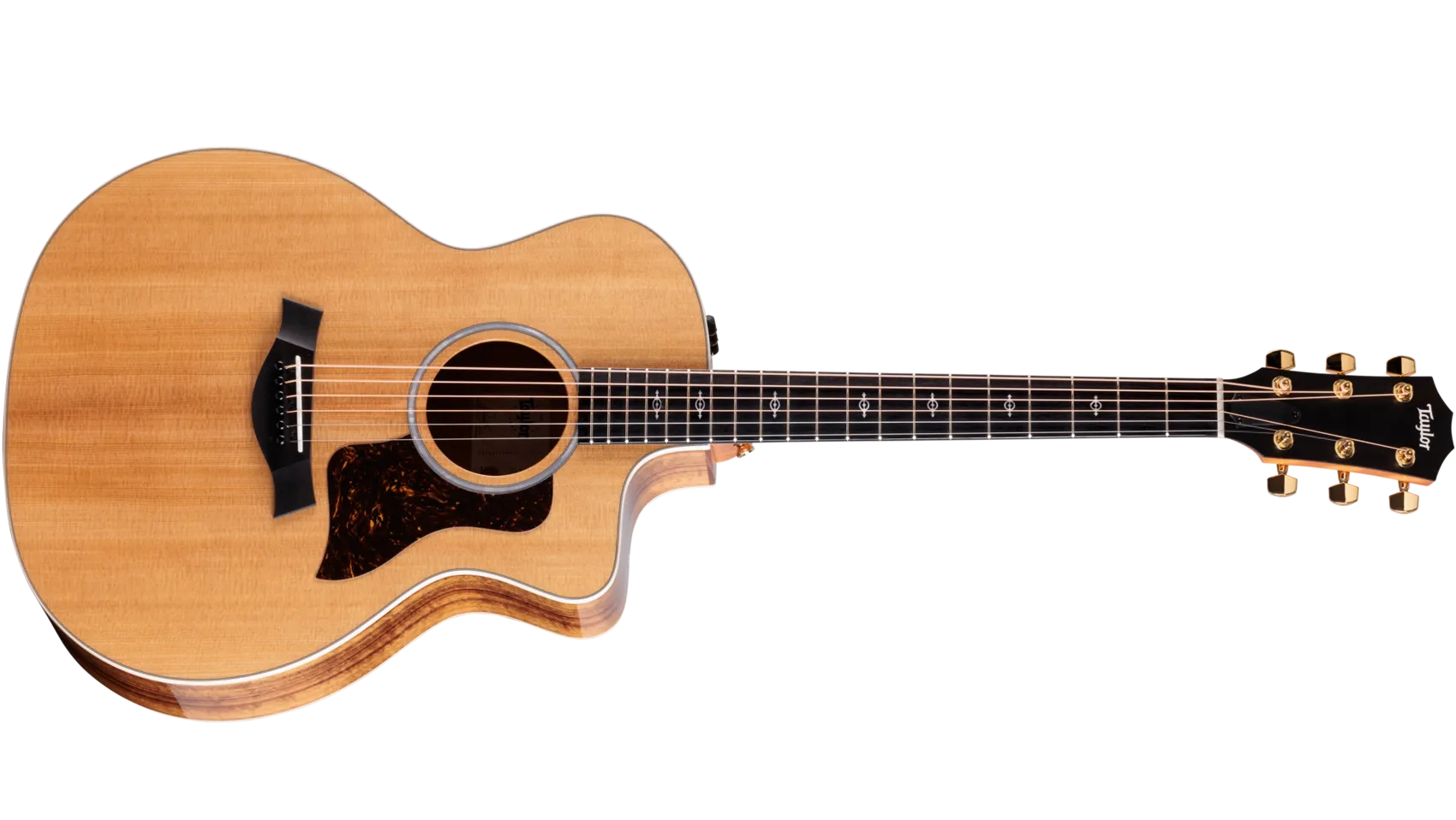
Taylor 214ce
A top-selling Grand Auditorium with layered rosewood back/sides and a solid spruce top. The Taylor ES2 pickup system offers natural tone and a built-in tuner. Ideal for intermediate players who want a reliable, great-sounding stage guitar.
Best for: Versatile live performance (strumming and fingerpicking) in venues of any size.
Price Range: $1,200 – $1,500
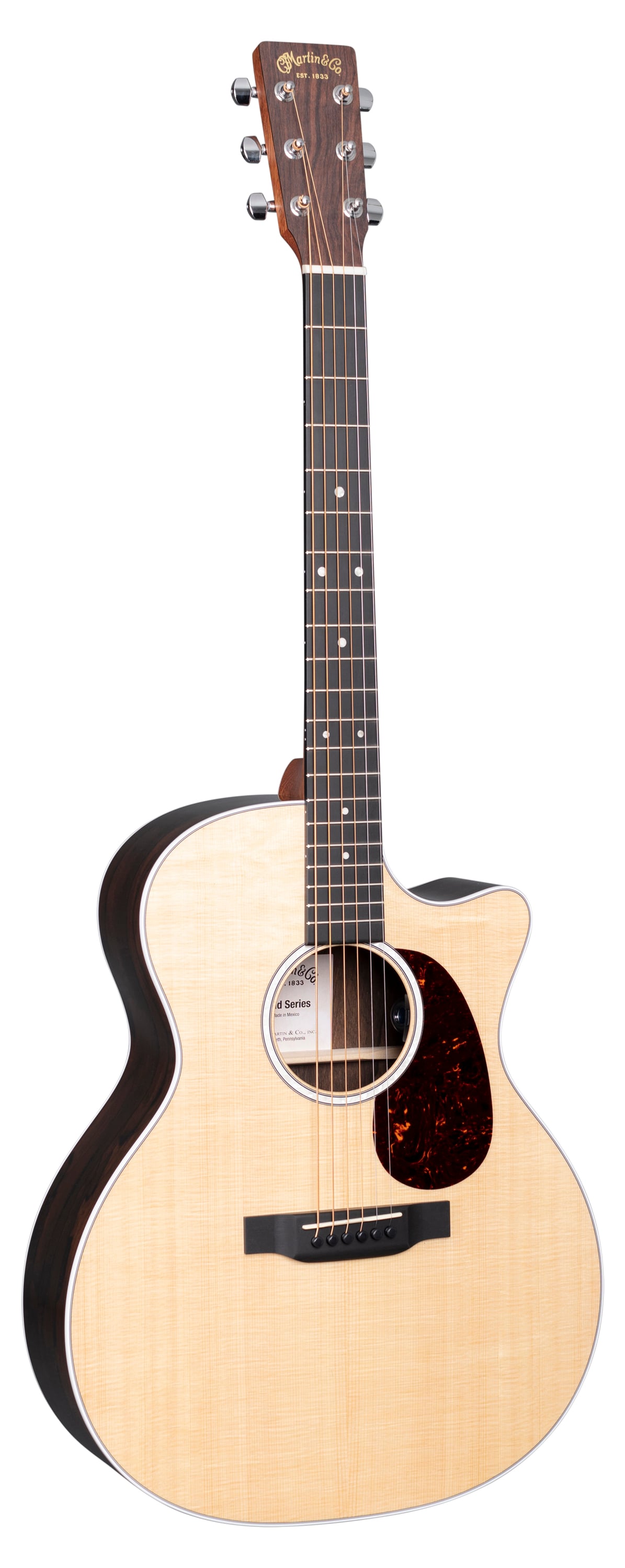
Martin GPC-13E
A solid sitka spruce top with mahogany HPL back/sides, making it lightweight and durable. Features the Fishman MX-T pickup with built-in tuner. Great for players who want Martin tone without breaking the bank.
Best for: Live performance for singer-songwriters and folk players who want edge resistance.
Price Range: $700 – $900
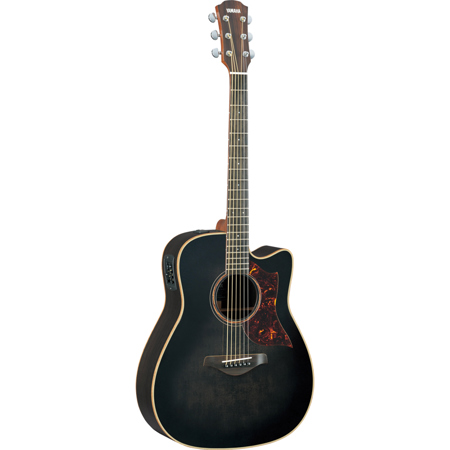
Yamaha A3R
Solid Engelmann spruce top, rosewood back/sides, and the SRT2 pickup system with analog modeling. Offers blend of sound from piezo and internal mic, plus a built-in tuner and chorus effect. Excellent value for stage use.
Best for: Players who want a natural amplified sound with the option of soundhole mic blend. Great for coffeehouses to medium stages.
Price Range: $800 – $1,000
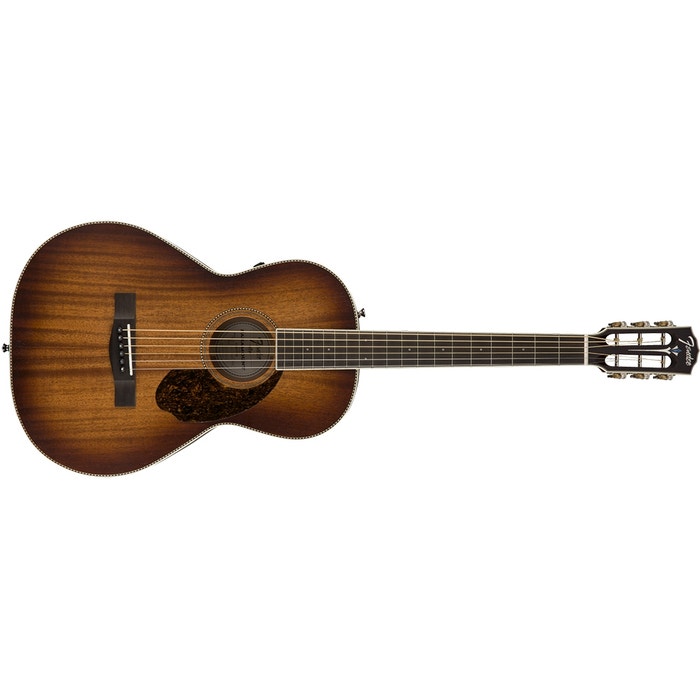
Fender Paramount PM-2E
A solid sitka spruce top with flame maple back/sides, featuring Fishman Flex preamp with tuner. The cutaway design offers easy access to upper frets. Stunning visual and warm amplified tone.
Best for: Players who want a classic look with modern electronics for live gigs where feedback is moderate.
Price Range: $600 – $800
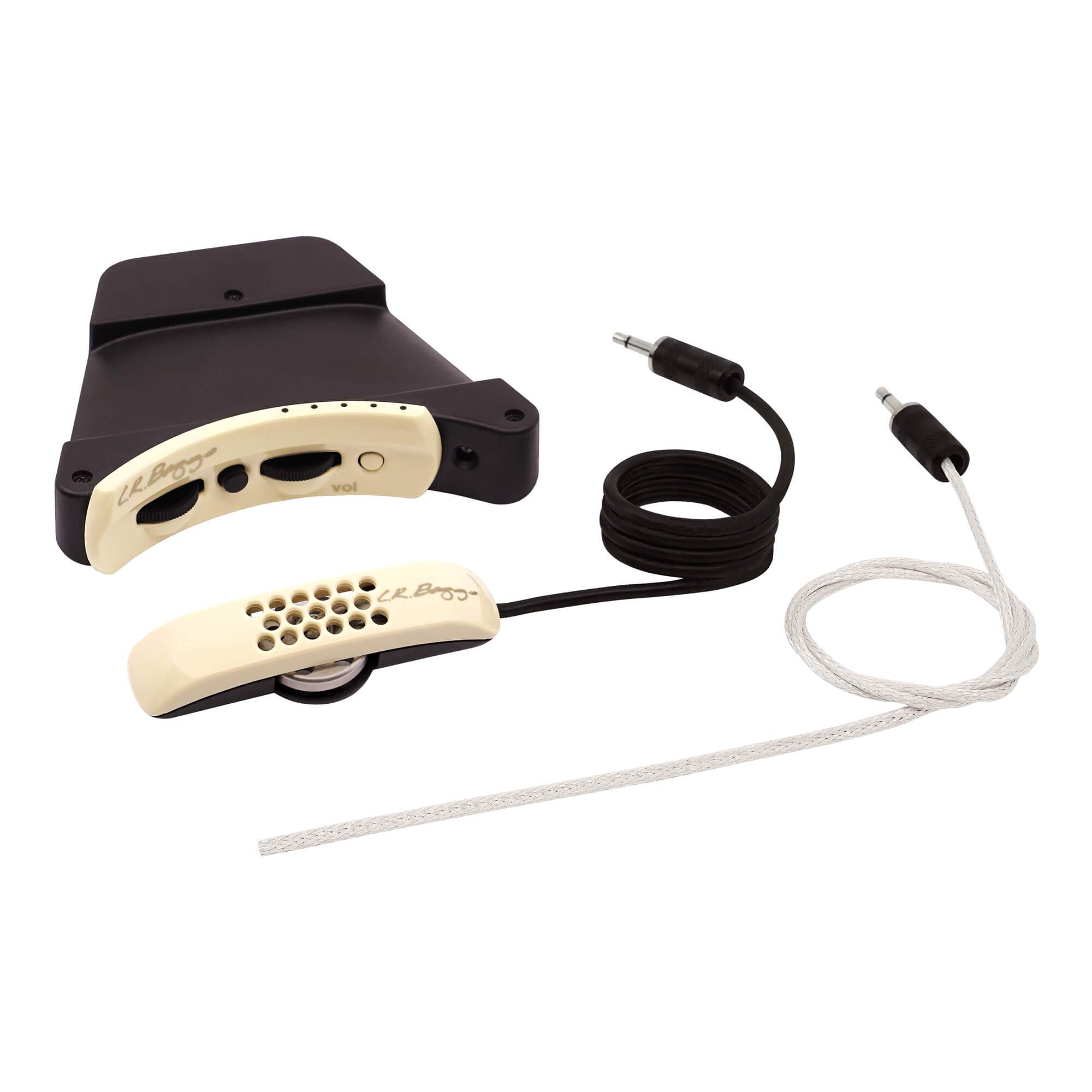
LR Baggs Anthem Pickup System
For those upgrading an existing guitar, the Anthem combines an undersaddle Element pickup with a TRU·MIC for natural sound. Includes a preamp with volume and blend control. This is a professional upgrade for better stage tone.
Best for: Retrofitting a favorite acoustic guitar for live performance. Perfect for players who keep one main guitar and want premium electronics.
Price Range: $200 – $250