Zydeco music pulses with infectious rhythms from Louisiana's bayous, where the accordion is the heart and soul. But picking the wrong one can mute your groove—too bulky for dancing, off-tuned reeds that clash with the washboard and fiddle, or poor bellows response that kills solos. Intermediate players often struggle here, torn between tradition and playability.
In this guide, you'll master the essentials: accordion types, sizing, reeds, and testing tips tailored to Zydeco's driving triplets and swampy tones. By the end, you'll confidently choose an instrument that amps up your jams. Expect 1-2 hours of research and hands-on time—perfect for your next practice session.
We'll break it down step-by-step, from Zydeco-specific needs to pro recommendations, so you avoid costly mismatches.
▸What You'll Need
- •Budget range ($800-$3,000 for quality Zydeco models)
- •Basic knowledge of Zydeco scales (e.g., G, C, F tuning awareness)
- •Access to a music store or online demos for testing
- •Measuring tape for size comparison (optional)
- •Listening samples of Zydeco tracks (e.g., Buckwheat Zydeco)
Estimated Time: 1-2 hours
Difficulty: intermediate
▸Step-by-Step Instructions
Step 1: Understand Zydeco's Accordion Demands
Zydeco thrives on fast, rhythmic accordion lines blending Cajun, R&B, and blues. Unlike polka or classical, it needs bisonoric reeds (different pull/push tones) for that gritty, vocal-like wail—think Amédé Ardoin or Clifton Chenier.
Focus on diatonic button accordions (3-row GCF tuning) for authenticity, or piano keyboards for versatility. Why? Zydeco's 2/4 beats and thirds tuning demand quick row shifts. Expect a learning curve if switching from chromatic.
Analogy: It's like choosing a Telecaster for country twang over a Les Paul—tone defines the genre.
💡 Tips:
- •Listen to pros like Geno Delafose on YouTube for sound benchmarks.
Step 2: Button vs. Piano Keyboard: Pick Your Style
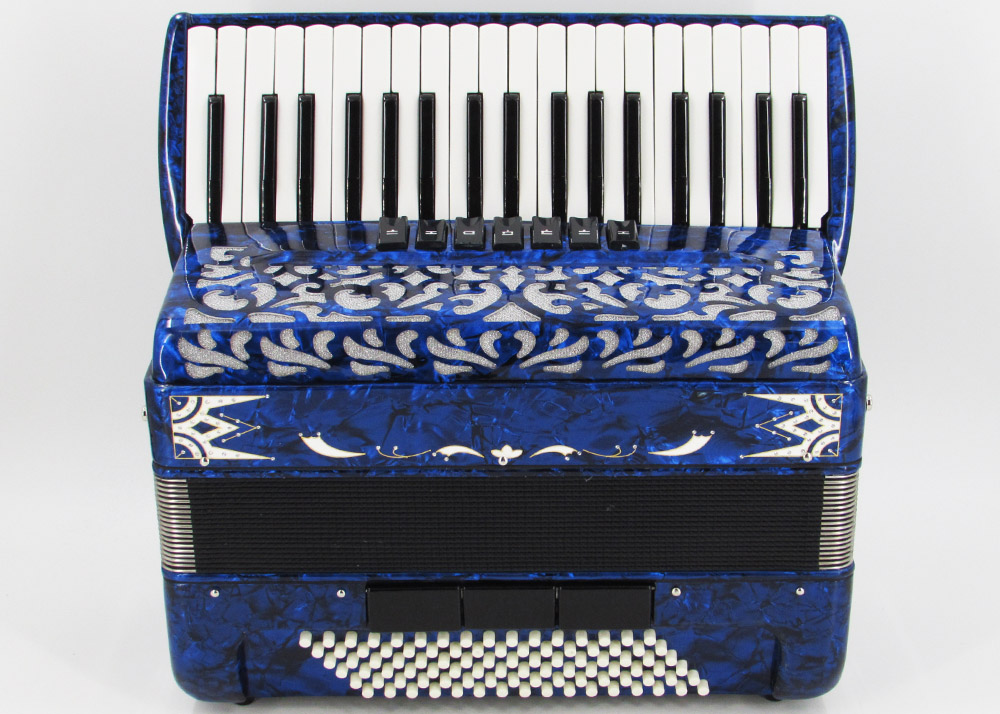
Button accordions (diatonic) are Zydeco staples—compact, lighter, with G/C/F rows mimicking fiddle lines. Piano accordions (chromatic) offer full scales but heavier weight.
For intermediate Zydeco, start with button if emulating tradition (Corona-style); piano if crossing genres. Test both: buttons feel ergonomic for triplets, piano more familiar if you play keys.
Example: Chenier used piano, but moderns like Sean McDowell mix both.
⚠️ Warnings:
- •Avoid chromatic buttons unless advanced—they're rare in Zydeco.
Step 3: Select Size and Rows
Zydeco favors small to medium: 3-row button (21-34 buttons, ~10-12" wide) for portability during rubboard dances. Larger 4-row or 41/120 piano bass for power.
Measure: Shoulder width + 4-6" for comfort. Smaller = faster play, less fatigue. Expect 10-20 lbs; test strap fit.
Why it matters: Oversized kills mobility in live sets.
💡 Tips:
- •Opt for 11-12 bass buttons minimum for Zydeco chord voicings.
Step 4: Prioritize Reed Quality and Tuning
Seek Italian or handmade reeds (phenolic plates) for bright, responsive Zydeco bite. Dry tuning (less tremolo) for clarity in fast runs; wet for vintage moan.
Check: Pull/push evenness, no squeals. GCF thirds tuning standard—verify with tuner app.
Analogy: Reeds are the engine; cheap ones sputter like a flooded outboard motor.
⚠️ Warnings:
- •Skip zinc reeds—they dull quickly in humid bayous.
Step 5: Assess Build, Weight, and Bellows
Laminated maple/poplar body for durability; celluloid or pearl buttons. Bellows: 5-7 folds, leather hinges for smooth Zydeco pumps.
Weight under 15 lbs ideal for gigs. Test seals—no leaks.
Real-world: Humidity warps cheap wood; invest in cases.
💡 Tips:
- •Feel for even bellows resistance—key for dynamics.
Step 6: Set Budget and Research Brands
$800-$1,500 for entry-intermediate (Hohner); $2,000+ pro (Guerrini). Brands: Hohner (affordable Corona), Titano/Guerrini (custom Zydeco), Bugari.
Read forums like Squeezebox for reviews. Compare new vs. vintage (risky valves).
💡 Tips:
- •Hunt used on Reverb, but inspect reeds.
Step 7: Test Play and Compare
Visit stores; play Zydeco riffs (e.g., 'Perrodin Two Step'). Check ergonomics, tone in room. Record for review.
Buy if it sings—personal fit trumps specs.
⚠️ Warnings:
- •Don't buy online blind; returns suck for accordions.
▸Pro Tips
- •Tune to 'dry' for Zydeco clarity; adjust later.
- •Prioritize lightweight for 3-hour dances.
- •Get a padded gig bag for bayou travel.
- •Pair with strap locks to avoid drops.
- •Record playtests on phone for side-by-side.
- •Check for 'musette' tuning option for blends.
- •Join Cajun/Zydeco Facebook groups for advice.
▸Common Mistakes to Avoid
- •Choosing piano over button—misses diatonic Zydeco flavor.
- •Ignoring weight—leads to back pain in long sets.
- •Budget skimping on reeds—poor tone kills motivation.
- •No test play—online pics lie about feel.
- •Overlooking tuning—GCF mismatch ruins jams.
▸Troubleshooting
Problem: Accordion feels sluggish
Solution: Check bellows seals or reed valves; lubricate hinges.
Problem: Off-pitch notes
Solution: Use tuner app; professional retune every 6 months.
Problem: Too heavy for play
Solution: Downsize rows or add ergonomic straps; test longer.
Problem: Sticky buttons
Solution: Clean with accordion key oil; avoid food near it.
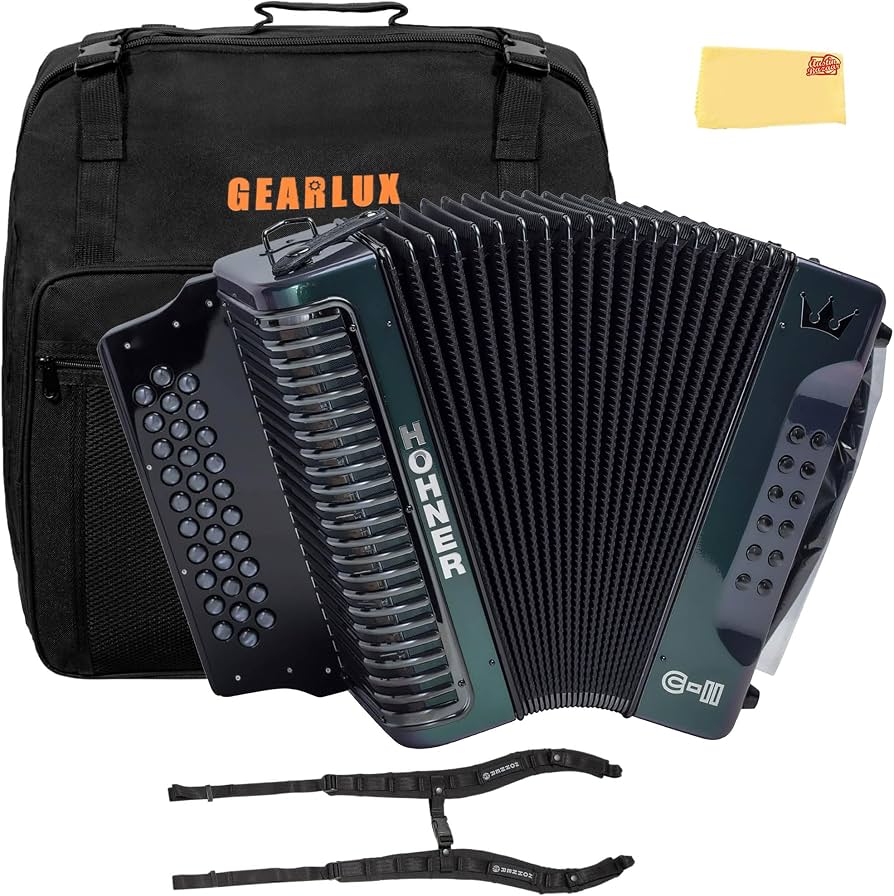
Hohner Corona II 2820 GCF Button Accordion
Iconic 3-row diatonic in GCF tuning with phenolic reeds for authentic Zydeco grind and portability.
Best for: Ideal for intermediate players starting traditional Zydeco; perfect for gigs.
Price Range: $1,000-$1,200
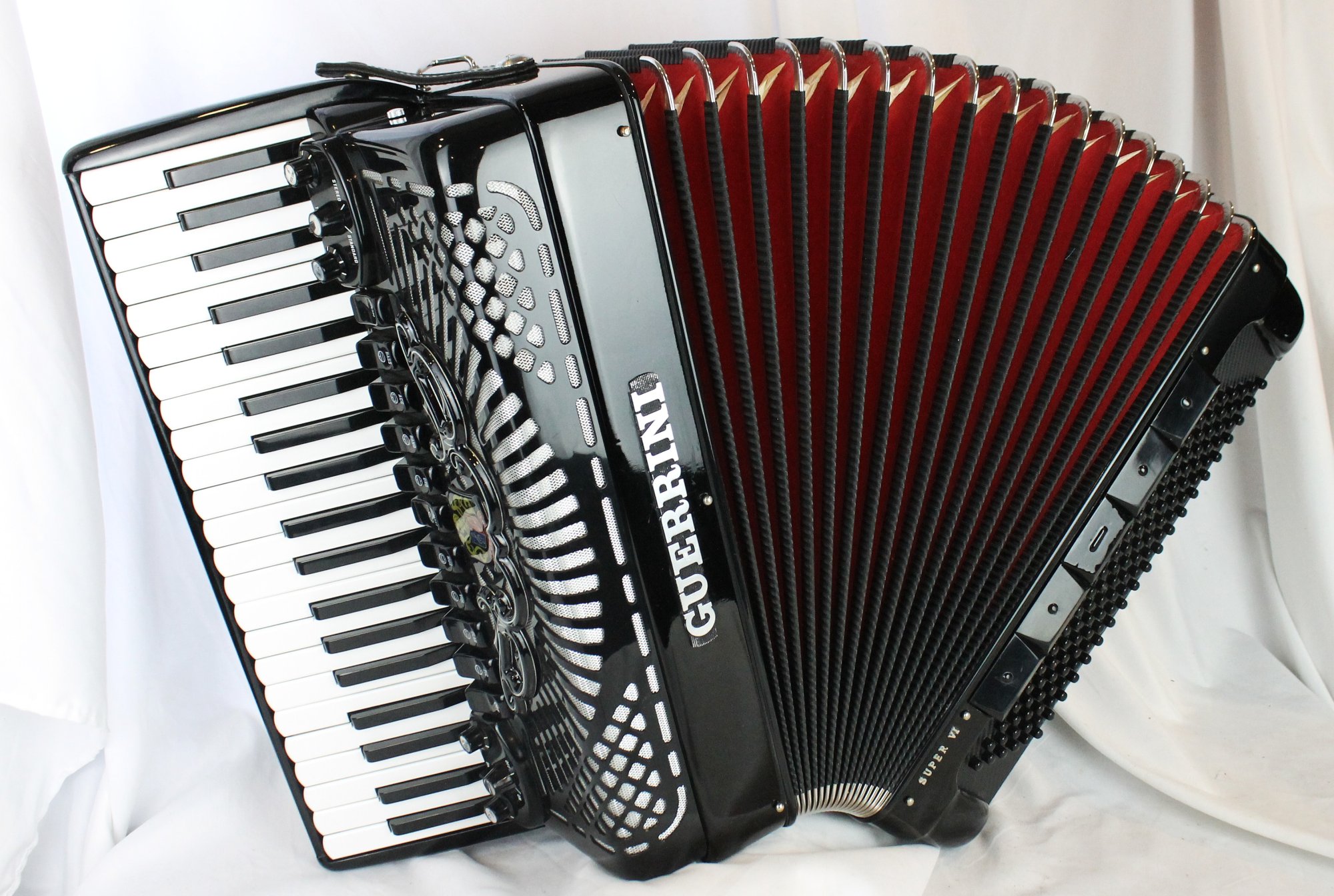
Guerrini Super Apollo 4-Row Piano Accordion
High-end Italian reeds and bellows deliver powerful, responsive Zydeco tone with chromatic flexibility.
Best for: For players blending Zydeco with R&B; pro-level build.
Price Range: $2,500-$3,500
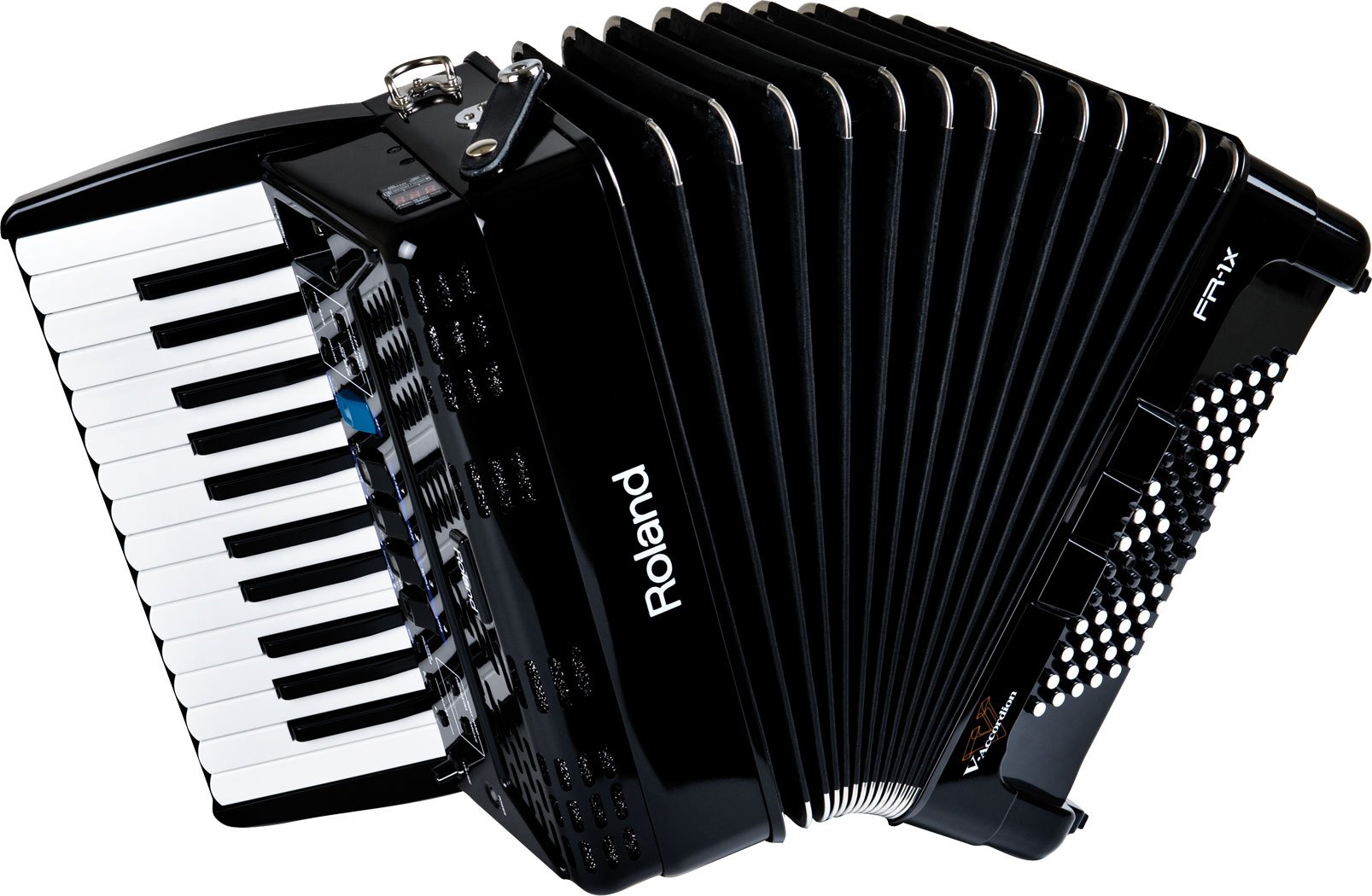
Roland FR-1x V-Accordion
Digital modeling mimics acoustic Zydeco sounds, lightweight, no tuning issues—great hybrid.
Best for: Intermediate electronics fans wanting maintenance-free practice.
Price Range: $900-$1,100
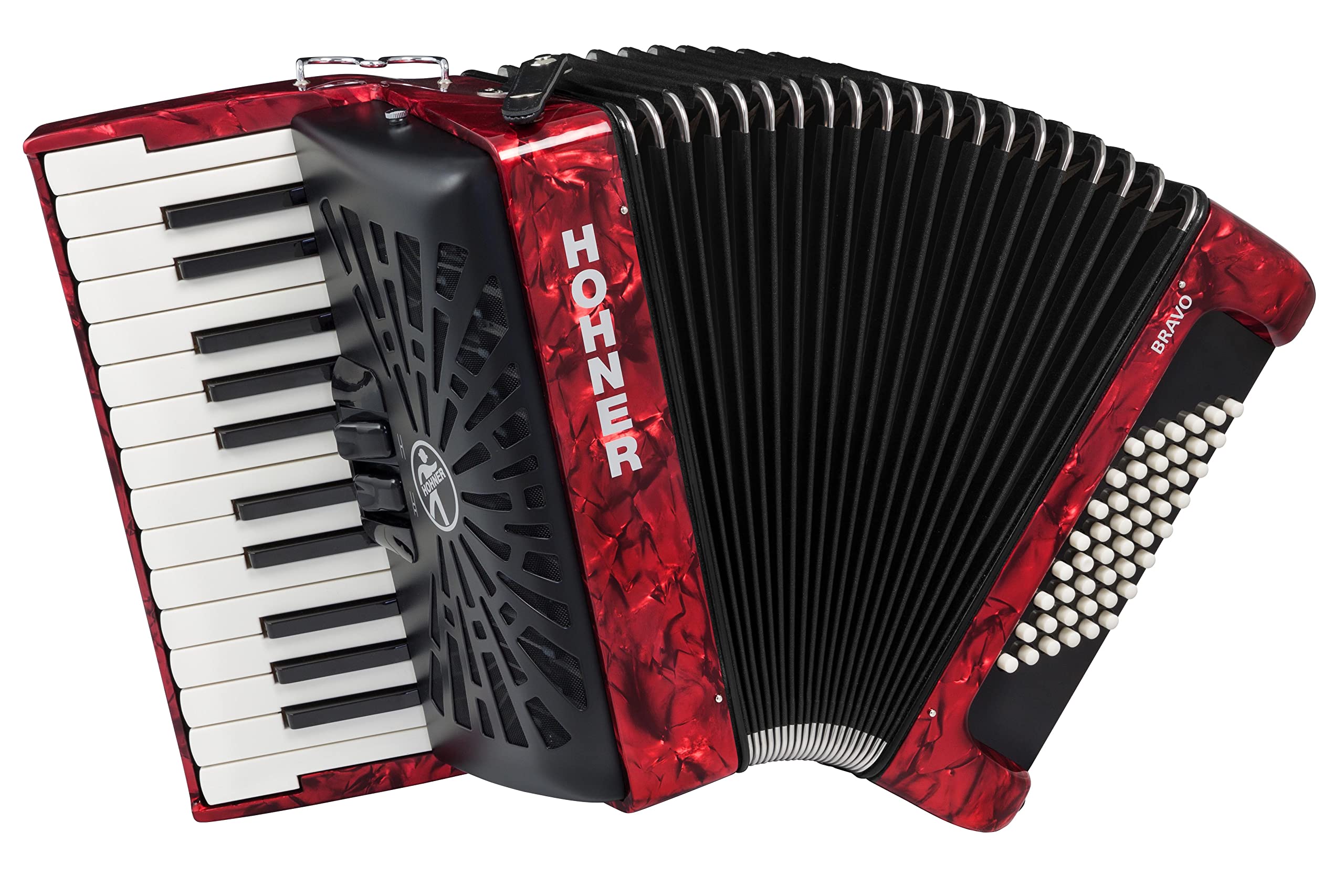
Hohner Bravo III 48 Piano Accordion
Affordable piano key entry with solid reeds; bridges to Zydeco from other genres.
Best for: Budget-conscious intermediates testing waters.
Price Range: $700-$900
Gabbanelli 96 Bass Piano Accordion
Compact pro piano with rich bellows for dynamic Zydeco solos.
Best for: Versatile for live performances needing bass depth.
Price Range: $2,000-$2,800