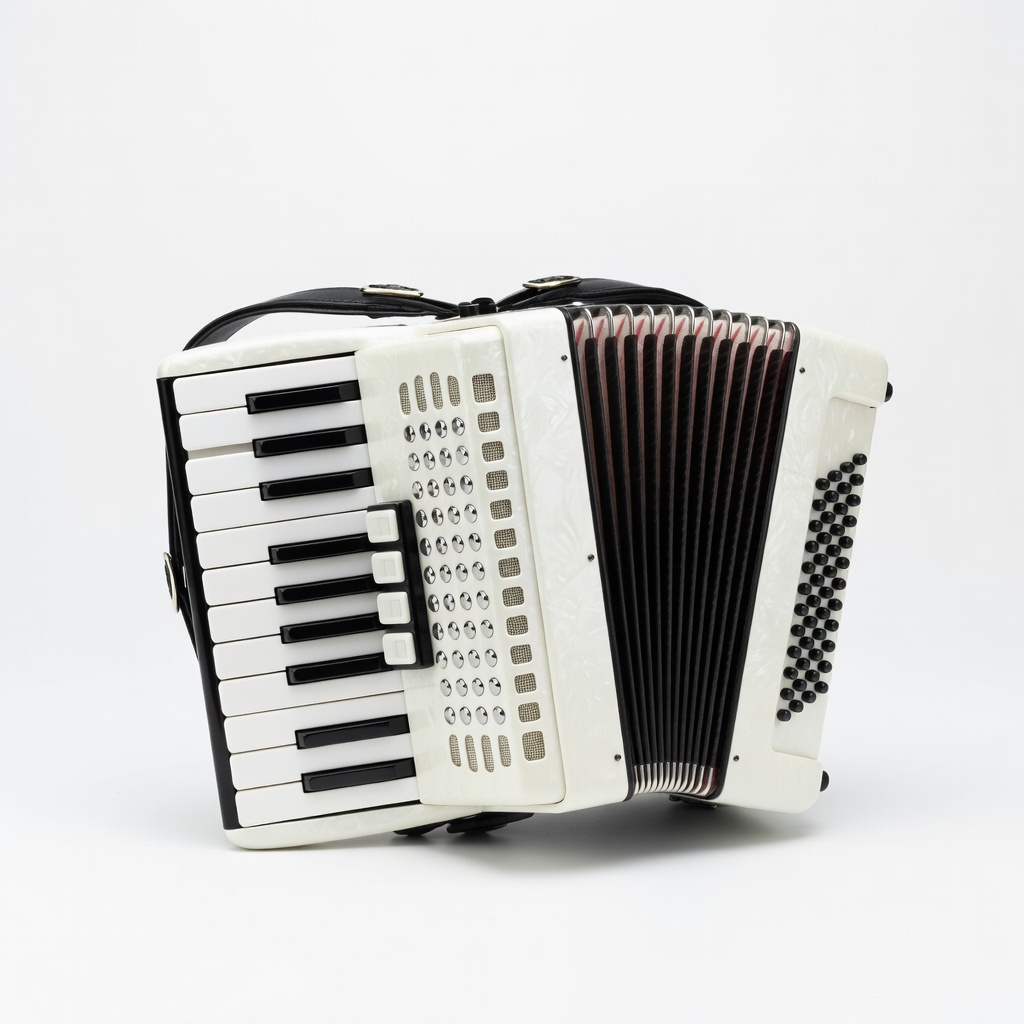
Why Choosing the Right Accordion Matters
Starting accordion can be thrilling, but with countless models overwhelming beginners, picking the wrong one leads to frustration, discomfort, or quitting early. Imagine heavy bellows tiring your arms or unresponsive keys halting your progress—common pitfalls for new players.
What You'll Learn
This guide breaks down accordion basics into simple steps: types, sizing, budget, and testing. By the end, you'll confidently choose an instrument suited to your body, style, and wallet. No prior knowledge needed; it's designed for total beginners.
Expect 30-60 minutes of reading and research, plus optional store visits. Difficulty is beginner-friendly, focusing on practical advice over technical jargon.
▸What You'll Need
- •A budget range in mind (e.g., $200-$1,000)
- •Measurements of your height/shoulder width (optional, for sizing)
- •Access to a music store or online retailer for trying/ordering
- •Basic understanding of your playing goals (folk, classical, etc.)—optional
Estimated Time: 30-60 minutes of research + 1-2 hours trying in-store
Difficulty: beginner
▸Step-by-Step Instructions
Step 1: Understand Accordion Types
Accordions come in piano accordions (keys like piano, versatile for beginners) and button accordions (buttons, traditional for folk like Cajun or polka). Piano types are easiest for newbies familiar with keyboards.
Why it matters: Wrong type slows learning. Piano accordions suit classical/pop; button for ethnic styles. Start with piano if undecided—80% of beginners do.
Expect: Clarity on your genre. Analogy: Piano accordion is like a keyboard with bellows; button is a compact game controller.
💡 Tips:
- •Watch YouTube demos of piano vs. button for sounds.
⚠️ Warnings:
- •Avoid chromatic button accordions first—they're advanced.
Step 2: Decide on Size and Weight
Small (12-26 bass buttons): Lightweight (10-15 lbs), for kids/portable play. Medium (80-120 bass): 15-20 lbs, balanced for adults learning. Full-size (96-160 bass): 20+ lbs, pro-level—skip for beginners.
Measure your height: Under 5'4"? Go small. Why? Comfort prevents strain. Expect trial to feel 'right'—like wearing fitted shoes.
Common sizes: 48 treble keys x 120 bass buttons is beginner gold standard.
💡 Tips:
- •Opt for 15-18 lbs max to build stamina gradually.
Step 3: Set a Realistic Budget
Beginner accordions: $200-500 (entry-level, Chinese brands like Rosetti), $500-1,200 (quality like Hohner, Italian reeds), $1,500+ (premium, rent first).
Why? Cheap ones (<$200) have poor reeds/tuning that fails fast. Invest in mid-range for lasting value. Factor straps/case ($50-100 extra).
Analogy: Like buying a bike—budget gets you training wheels that last.
💡 Tips:
- •Rent for $30/month to test before buying.
⚠️ Warnings:
- •Skip used without inspection—hidden damage common.
Step 4: Choose Keys vs. Buttons and Count
Piano keys (30-48): Intuitive, full range (3-4 octaves). Buttons: Stradella bass (left hand) standard.
Aim 41-48 treble keys for songs without limits. Why? Covers beginner repertoire. Test playability—keys should spring back smoothly.
💡 Tips:
- •48x120 combo is versatile sweet spot.
Step 5: Evaluate Build Quality and Materials
Look for pearlized celluloid keys (durable), Italian reeds (rich tone), leather bellows (airtight). Check tuning stability, even pressure.
Why matters: Cheap plastic warps; quality sings. Squeeze bellows—smooth, no leaks. Expect mellow, responsive sound.
⚠️ Warnings:
- •Avoid zinc reeds—they buzz out of tune.
Step 6: Research Reputable Brands
Hohner/EXCALIBUR: Reliable German. Gabbanelli/Rosetti: Affordable Italian-style. Pigini: Premium.
Read reviews on Sweetwater/Amazon for real-user feedback on durability. Why? Brands ensure parts/repairs available.
💡 Tips:
- •Check 4+ star ratings from 100+ reviews.
Step 7: Test Play In-Person
Visit stores: Play scales, squeeze bellows fully. Check weight on shoulders, key response, tone volume.
Home test: 15-min session daily for a week if possible. Why? Feels trump specs. Record audio to compare.
Step 8: Consider Accessories and Warranty
Gig bag, adjustable straps, tuner app required. 1-2 year warranty standard.
Why? Protects investment. Total setup: $50-150 extra.
💡 Tips:
- •Buy from retailers with free tuning first year.
▸Pro Tips
- •Prioritize lightweight models to avoid arm fatigue in first lessons.
- •Use online size charts but always try on.
- •Look for 'student model' labels—they're tuned for beginners.
- •Join accordion forums like Accordionists.info for advice.
- •Record store demos on your phone for later comparison.
- •Rent first if budget tight—many shops apply to purchase.
- •Check for soft case included to save $30+.
▸Common Mistakes to Avoid
- •Buying too large/heavy: Causes pain, quitting. Avoid by measuring.
- •Cheapest option: Poor action/reeds need repair soon. Budget $400 min.
- •Skipping in-store test: Online pics lie. Always play before commit.
- •Ignoring genre fit: Piano for pop, button for folk—mismatch frustrates.
- •Overlooking weight distribution: Uneven = back strain. Test strapped on.
▸Troubleshooting
Problem: Accordion feels too heavy or slips
Solution: Downsize to 80-bass model; adjust/buy padded straps. Return if possible.
Problem: Reeds sound buzzy or off-tune
Solution: Poor quality—return/exchange. Pros tune for $50-100.
Problem: Keys sticky or slow
Solution: Clean with compressed air; if persists, warranty claim.
Problem: Bellows leak air
Solution: Tighten screws or pro repair ($75). Test before buying.
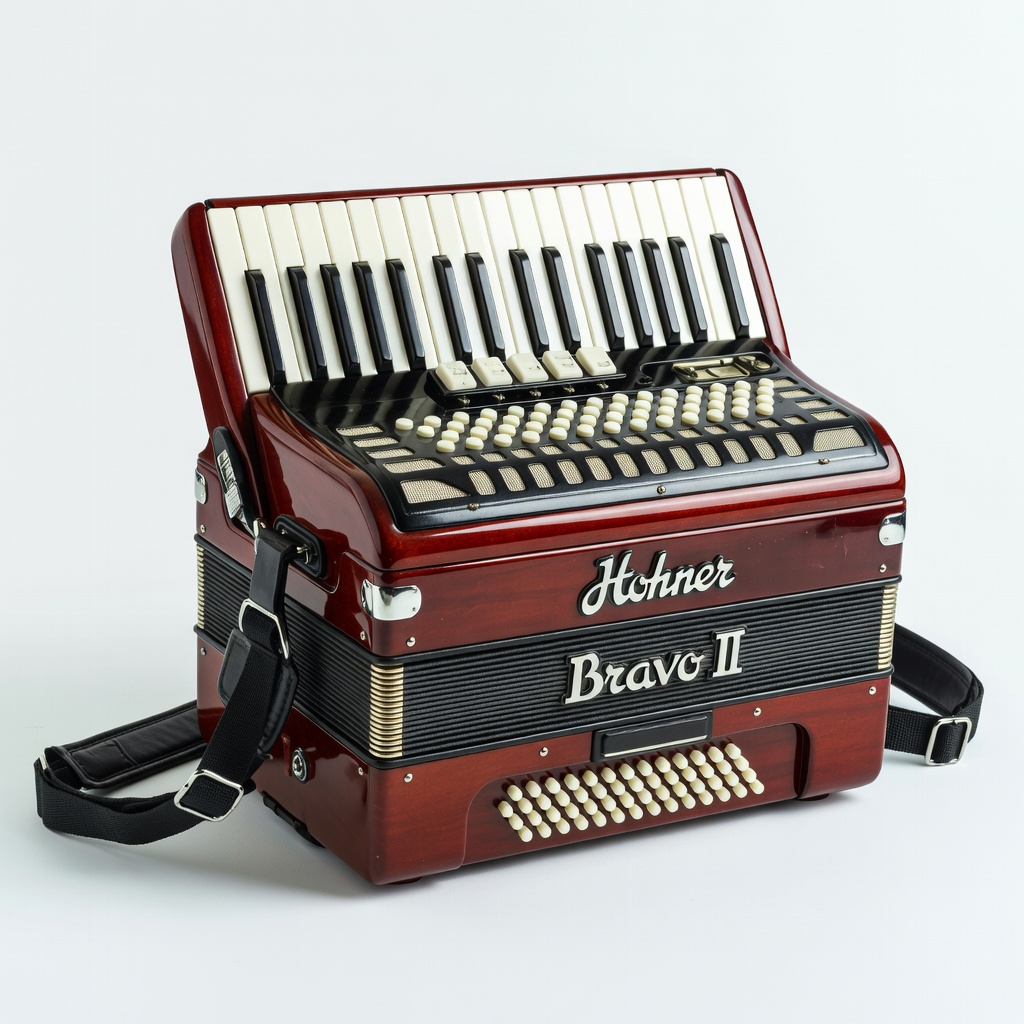
Hohner 1300HA Bravo II 80-Key Piano Accordion
Excellent beginner balance of quality reeds, lightweight (15 lbs), and price—perfect first instrument with reliable German build.
Best for: Adult beginners wanting versatile piano keys for lessons/pop songs.
Price Range: $450-$550
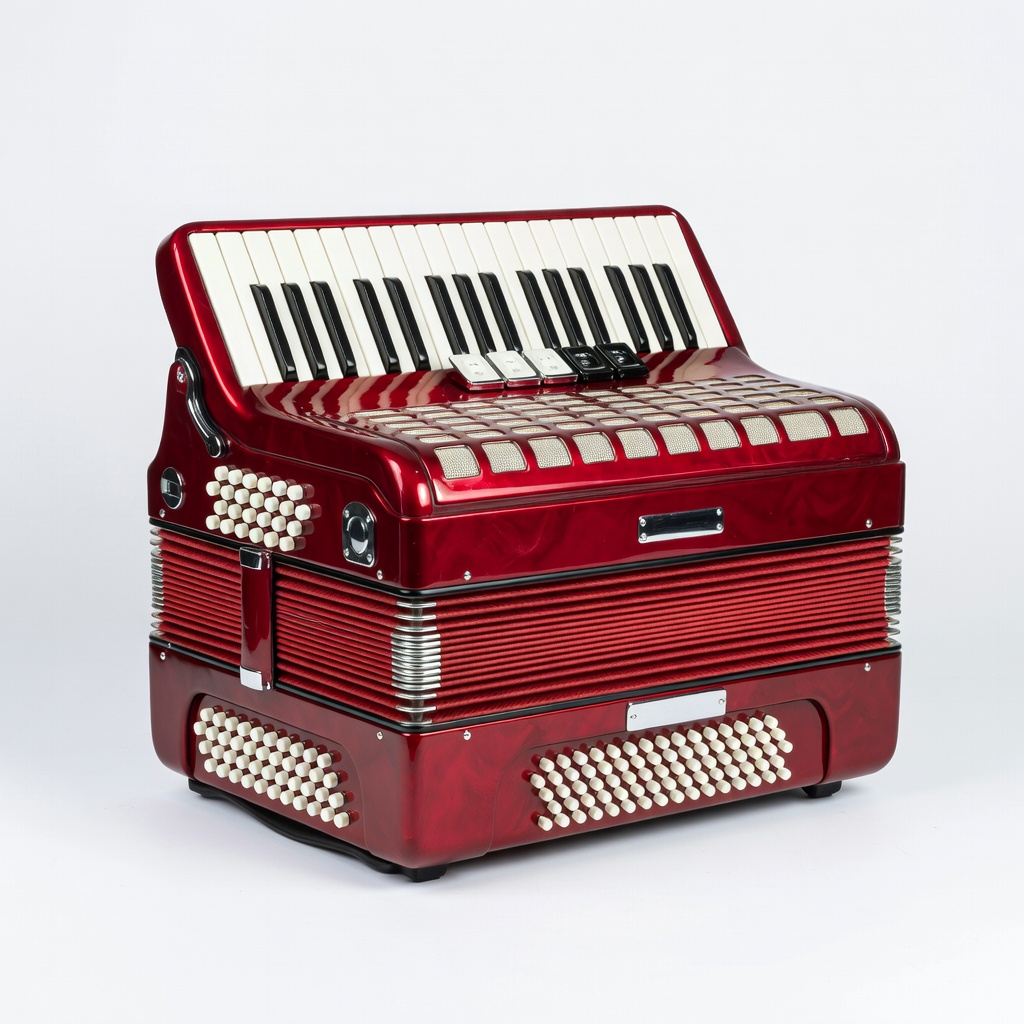
Rosetti 48-Key 120-Bass Piano Accordion (Red)
Affordable entry-level with good tone and 48 keys for full beginner range—great value without skimping on basics.
Best for: Budget-conscious starters or kids/teens needing portable size.
Price Range: $250-$350
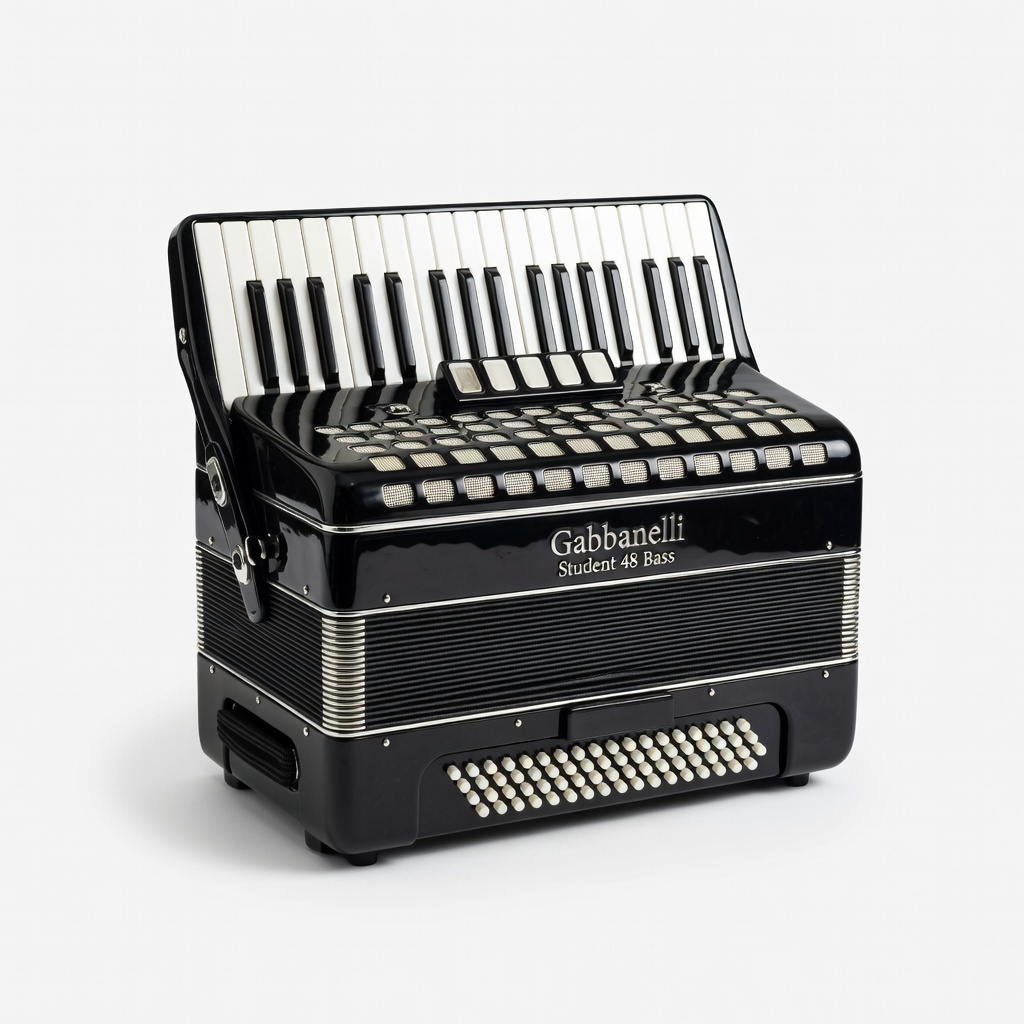
Gabbanelli Student 48 Bass Piano Accordion
Italian craftsmanship, smooth action, and durable for serious beginners—upgrades sound over budget options.
Best for: Intermediate beginners or folk/classical focus needing pro feel.
Price Range: $1,200-$1,500
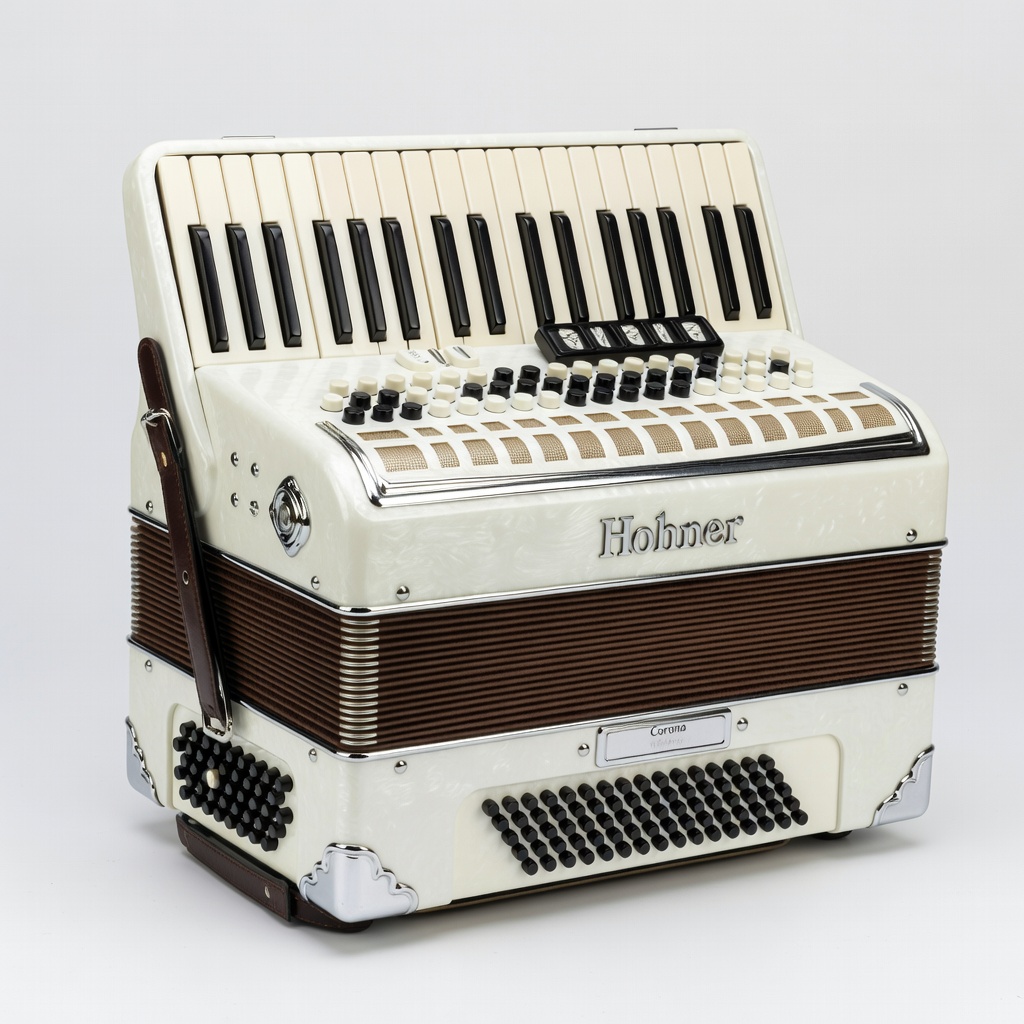
Hohner 1200HA Corona 48-Key 120-Bass Accordion
Mid-range pro quality at beginner price—excellent bellows and tuning stability for long-term use.
Best for: Adults committing to regular practice across genres.
Price Range: $900-$1,100
Pioneer PA-28V 28-Key Mini Piano Accordion
Ultra-light (8 lbs) intro model for tiny hands or testing waters—fun starter without big investment.
Best for: Kids under 10 or absolute portability needs.
Price Range: $150-$200