

Dirt to Soil by Gabe Brown
Ideal for homesteaders learning no-till and cover crops.
$15-$20
Dirt to Soil by Gabe Brown Real-world story of transitioning to regenerative farming with practical agronomy tips for beginners.
Get the App
Better experience on mobile
Learn to select beginner-friendly agronomy books that boost your sustainable farming knowledge and practices in just 30 minutes.
Sustainable farming is revolutionizing agriculture by prioritizing soil health, biodiversity, and long-term productivity over chemical-heavy methods. As a beginner, you might feel overwhelmed by endless book options promising 'the ultimate guide' to agronomy. The good news? Choosing the right books can give you a strong foundation without wasting time or money.
In this guide, you'll learn a simple step-by-step process to evaluate agronomy books focused on sustainable practices like crop rotation, soil regeneration, and integrated pest management. We'll cover what to look for, common pitfalls, and top recommendations. Expect to spend 30-45 minutes researching and shortlisting 3-5 books to start your journey toward eco-friendly farming.
No prior expertise needed—just curiosity about growing food sustainably. By the end, you'll confidently pick books that match your goals and skill level.
Estimated Time: 30-45 minutes Difficulty: beginner
Start by clarifying why you want agronomy books. Are you focusing on soil health, crop diversity, water conservation, or organic pest control? Sustainable farming covers broad topics like regenerative agriculture, permaculture, and no-till methods.
Write down 2-3 specific goals, e.g., 'Improve soil fertility on a 1-acre homestead' or 'Learn cover cropping for beginners.' This narrows your search from thousands of books to relevant ones. Why it matters: Generic books overwhelm beginners, while targeted ones deliver actionable advice.
Expect a focused list of keywords like 'regenerative soil,' 'sustainable crop rotation,' or 'beginner permaculture.'
💡 Tips:
Agronomy is the science of soil management and crop production. For sustainability, prioritize books covering: soil biology (microbes, organic matter), integrated pest management (IPM), precision farming, and climate-resilient crops.
Search for books with chapters on these—avoid those heavy on conventional chemical farming. Analogy: Think of it like choosing a cookbook; pick one matching your diet (vegan = sustainable) not fast food recipes.
You'll spot beginner-friendly books with practical examples, diagrams, and case studies from real farms.
💡 Tips:
⚠️ Warnings:
Look for authors with real-world experience: farmers, university professors, or extension service experts. Check bios on book pages or Google Scholar for publications.
Reputable publishers include Rodale Institute, Chelsea Green, or academic presses like Springer. Why? They vet content for accuracy and sustainability focus. Expect credentials like 'PhD in Soil Science' or '20+ years regenerative farming.'
This step builds trust—bad authors peddle unproven hype.
💡 Tips:
Scan Amazon, Goodreads (aim for 4+ stars from 100+ reviews), and farming forums like Reddit's r/farming or Permies.com.
Focus on beginner reviews: 'Clear explanations, no jargon' vs. 'Too technical.' Look for patterns in feedback on practicality and updates. Why it matters: Ratings filter fluff from gold-standard resources.
Note pros/cons, e.g., 'Great diagrams but light on economics.'
💡 Tips:
⚠️ Warnings:
Use 'Look Inside' on Amazon or Google Books previews. Check table of contents for beginner sections, glossaries, and indexes.
Ensure simple language, analogies (e.g., soil as a 'bank account'), visuals, and exercises. Latest editions (post-2015) include modern topics like carbon farming.
Expect to confirm it's not a textbook dump—sustainable books shine with farm stories.
💡 Tips:
Decide print (for notes), ebook (portable), or audiobook (hands-free learning). Budget $15-50 per book.
Compare bundles or used copies on Amazon. Why? Ebooks suit quick reference; print for field use.
Shortlist 3-5 based on all prior steps.
💡 Tips:
Visit forums like Sustainable Farming Association or Stack Exchange Agriculture. Ask or search 'best agronomy books for beginners sustainable.'
This validates your picks with peer wisdom. Expect overlaps with top books.
Finalize your top 3 purchases.
💡 Tips:
Problem: Too many overwhelming choices
Solution: Limit search to 'beginner sustainable agronomy books 2020-2025' and pick top 10 by ratings.
Problem: Book seems too basic or advanced after buying
Solution: Check return policy (Amazon 30 days); exchange for another from your shortlist.
Problem: Can't afford new books
Solution: Use library apps like Libby or buy used on eBay/Amazon under $10.
Real-world story of transitioning to regenerative farming with practical agronomy tips for beginners.
Best for: Ideal for homesteaders learning no-till and cover crops.
Price Range: $15-$20
Core sustainable agronomy on soil health with clear science and farm examples—no jargon.
Best for: Perfect for understanding organic matter and nutrient cycling.
Price Range: $25-$35
Engaging intro to soil biology, key to sustainable practices, with analogies for beginners.
Best for: Boost compost and soil life knowledge for any farm scale.
Price Range: $18-$25
Step-by-step agronomy for chemical-free, labor-saving methods with data-backed results.
Best for: For market gardeners scaling sustainably.
Price Range: $30-$40
Balances organic agronomy with biotech for forward-thinking sustainable farming.
Best for: Beginners curious about science vs. organics debate.
Price Range: $12-$18
Ideal for homesteaders learning no-till and cover crops.
Dirt to Soil by Gabe Brown Real-world story of transitioning to regenerative farming with practical agronomy tips for beginners.
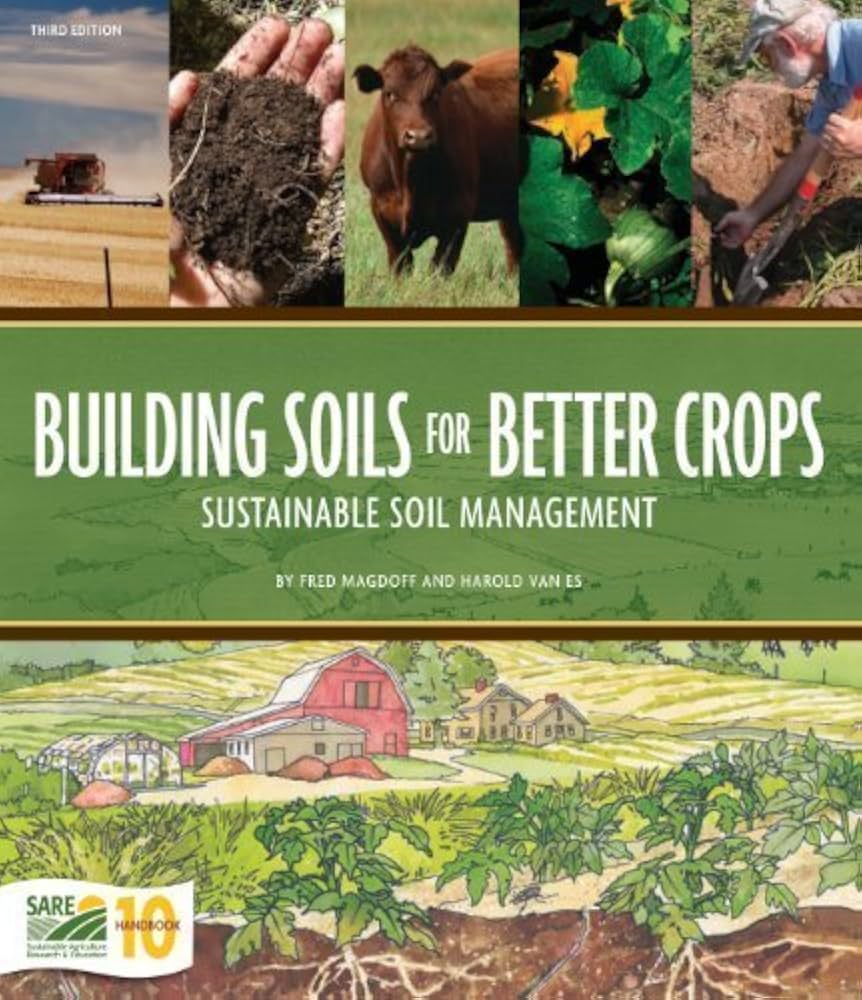
Perfect for understanding organic matter and nutrient cycling.
Building Soils for Better Crops by Fred Magdoff Core sustainable agronomy on soil health with clear science and farm examples—no jargon.
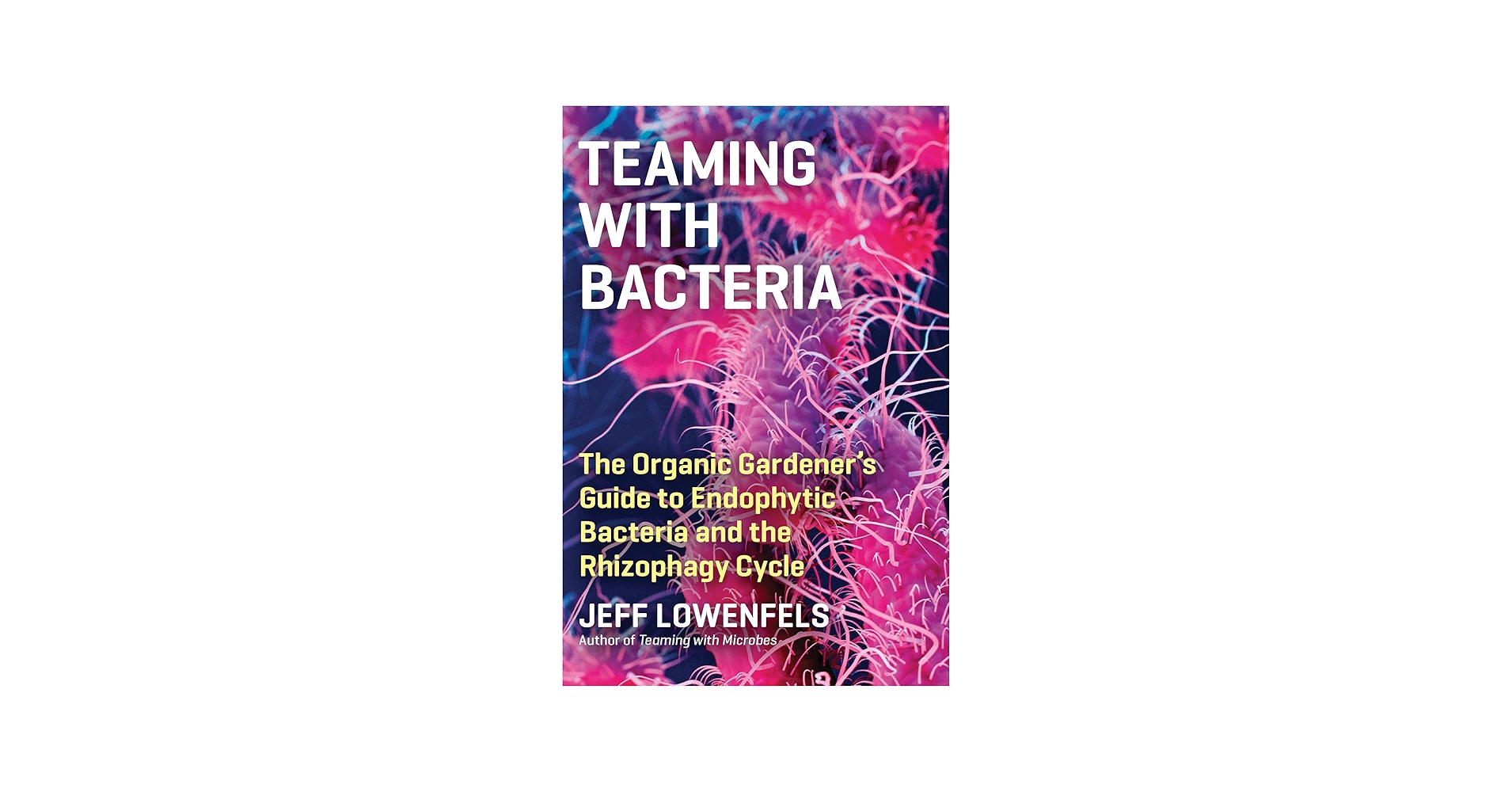
Boost compost and soil life knowledge for any farm scale.
Teaming with Microbes by Jeff Lowenfels Engaging intro to soil biology, key to sustainable practices, with analogies for beginners.

For market gardeners scaling sustainably.
The Organic No-Till Farming Revolution by Andrew Mefferd Step-by-step agronomy for chemical-free, labor-saving methods with data-backed results.
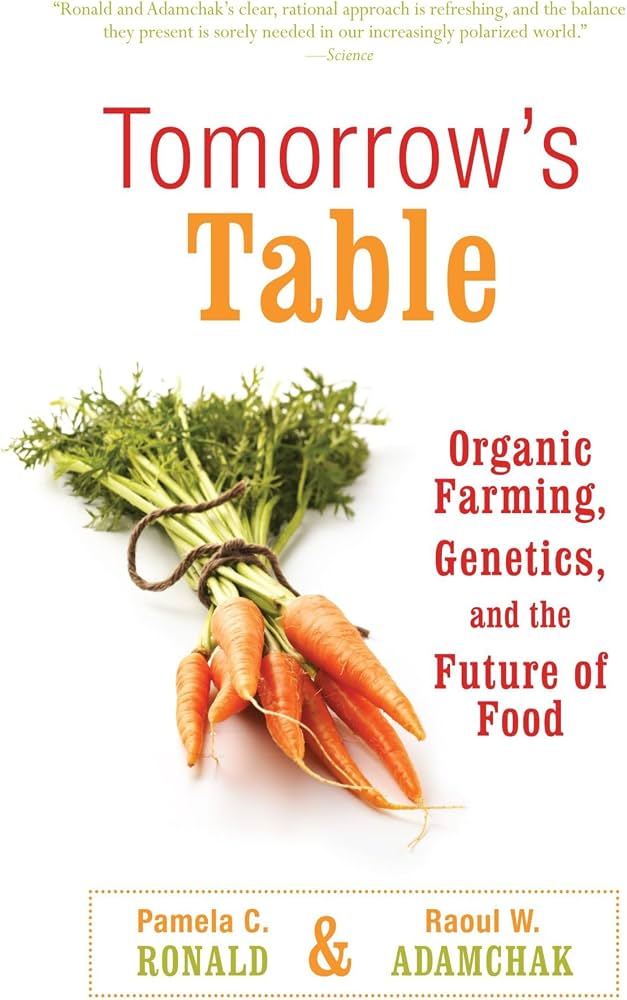
Beginners curious about science vs. organics debate.
Tomorrow's Table by Pamela Ronald Balances organic agronomy with biotech for forward-thinking sustainable farming.