
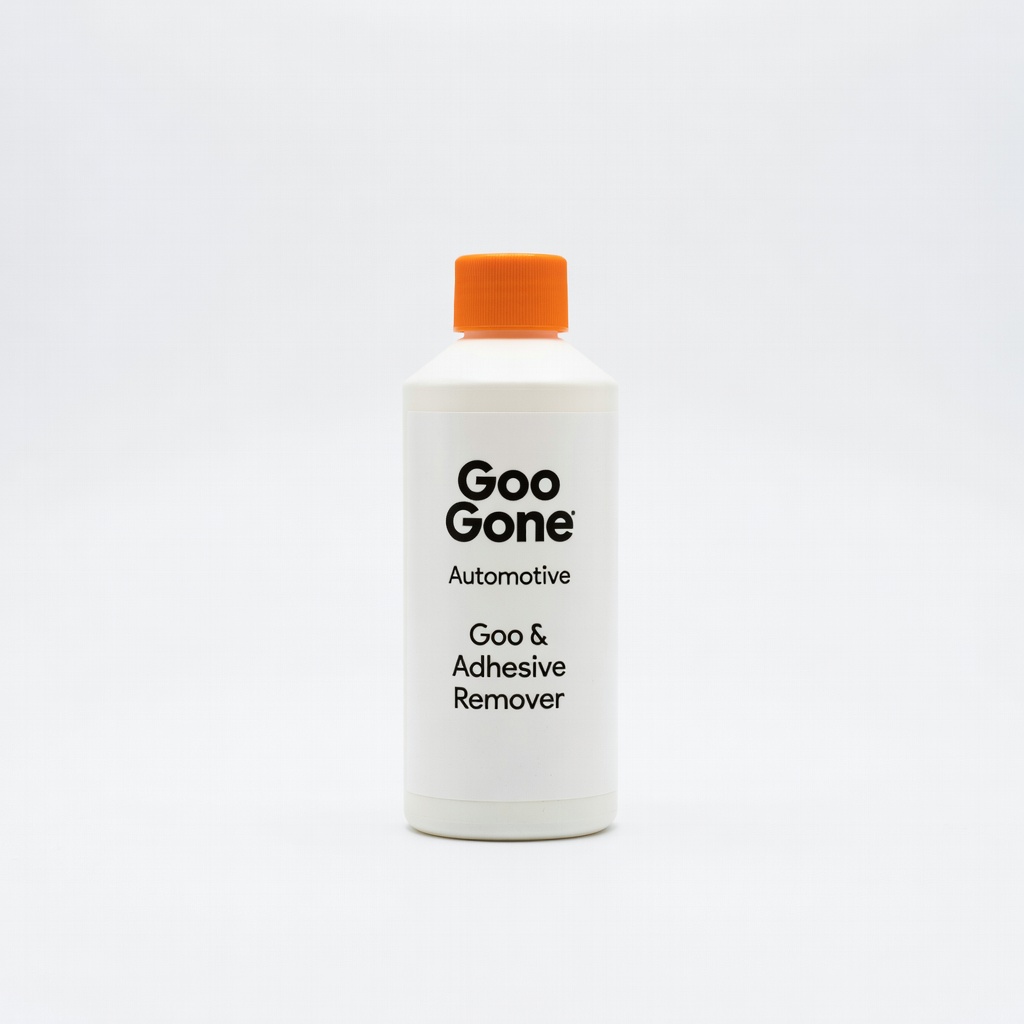
Goo Gone Automotive Goo & Adhesive Remover
Stickers and tape on vinyl dashboards or plastic trim.
$6.99-$8.99
Goo Gone Automotive Goo & Adhesive Remover Citrus-based, safe for most interiors, dissolves tough residues quickly without damage.
Get the App
Better experience on mobile
Learn to select safe, effective removers for stickers, tape, and glue on leather, vinyl, fabric, and plastic without damage.
Sticky residues from bumper stickers, shipping tape, or accidental glue spills can make your car's interior look worn and dirty. Removing them incorrectly risks damaging delicate surfaces like leather seats, vinyl dashboards, or fabric upholstery. This guide helps beginners choose the right adhesive remover to tackle these problems effortlessly.
You'll learn key factors like material compatibility, ingredient safety, and real-user feedback through a simple step-by-step process. By the end, you'll confidently pick a product that works fast without harsh chemicals or lingering odors. Expect 20-30 minutes of research—no advanced skills needed.
Whether it's a rental car return or restoring your daily driver, choosing wisely saves time, money, and prevents costly repairs.
Estimated Time: 20-30 minutes Difficulty: beginner
Start by examining the sticky residue. Is it from stickers, double-sided tape, glue, or tree sap? Note the surface: leather seats, vinyl door panels, fabric headliners, or plastic trim.
Why it matters: Different adhesives require specific solvents. For example, water-based stickers dissolve with milder cleaners, while oil-based glues need stronger formulas. Expect to categorize as 'light' (stickers) or 'heavy' (industrial tape).
Take close-up photos for reference when shopping.
Image description: Close-up photo of car dashboard with sticky tape residue, labels pointing to adhesive type and surface material.
💡 Tips:
⚠️ Warnings:
Check your owner's manual or online (search '2023 Toyota Camry interior materials') to identify surfaces. Common ones: aniline leather (porous), vinyl (smooth plastic-like), alcantara fabric (suede-like), hard plastics.
Why it matters: Harsh solvents melt plastics or dry out leather. Look for products labeled 'safe for automotive interiors' or specific materials.
Pro tip: Leather and fabric need gentler, non-acetone formulas; vinyl tolerates citrus-based cleaners.
Image description: Infographic chart showing car interior materials with examples like leather seat swatch and vinyl panel.
💡 Tips:
⚠️ Warnings:
Adhesive removers fall into categories: citrus-based (natural oils), petroleum distillates (strong solvents), water-based (mild), or enzyme formulas (eco-friendly).
Citrus works great for light residues on vinyl; petroleum for tough glue but riskier on fabric. Water-based are safest for beginners.
Expect citrus to smell fresh but evaporate slower; solvents act fast but may leave residue.
Image description: Comparison table of remover types with icons for strength, safety, and scent.
💡 Tips:
Scan labels for 'automotive safe,' 'non-toxic,' 'no acetone,' and material-specific approvals (e.g., 'leather safe'). Check for VOC levels if sensitive to fumes.
Why it matters: Protects your health and car. EPA-approved or low-VOC options reduce irritation in enclosed cars.
Look for quick-dissolve claims (under 5 minutes).
Image description: Product bottle label zoomed in on safety icons and warnings.
⚠️ Warnings:
Safe ingredients: d-Limonene (citrus oil), soy-based esters, isopropyl alcohol (diluted). Avoid methylene chloride or toluene.
Why it matters: Natural formulas like citrus prevent cracking; harsh ones strip finishes. Analogy: Citrus is like orange peels dissolving gum; solvents like industrial paint thinner.
Read SDS sheets online for full lists.
Image description: List of good vs. bad ingredients with green/red checkmarks.
💡 Tips:
On Amazon or auto forums, filter 4+ star reviews mentioning 'car interior' or your material. Ignore outliers.
Why it matters: Real users report effectiveness on similar jobs. Look for before/after photos and residue-free results.
Expect 100+ reviews for reliability.
Image description: Screenshot of Amazon reviews with highlighted car interior success stories.
💡 Tips:
Opt for low-odor (fresh citrus over chemical) and biodegradable if eco-conscious. Aerosol sprays for precision; liquids for soaking.
Why it matters: Strong smells linger in cars; green options appeal to families.
Balance with performance.
Image description: Product bottles showing spray vs. liquid and eco-badges.
⚠️ Warnings:
Budget $5-20. Small bottles (4-8 oz) for occasional use; larger for pros. Buy from reputable sellers.
Why it matters: Value = effectiveness per oz. Prime for fast shipping.
Final check: Matches all criteria?
Image description: Price comparison chart of top removers.
💡 Tips:
Problem: Remover ineffective on residue
Solution: Let it dwell 5-10 mins or switch to stronger formula like petroleum-based; reapply.
Problem: Surface discoloration
Solution: Wipe immediately with soapy water; use conditioner for leather. Avoid future use.
Problem: Lingering smell
Solution: Ventilate car 24hrs; use odor absorber like baking soda.
Problem: Remover dries too fast
Solution: Choose gel or spray versions; work in small sections.
Citrus-based, safe for most interiors, dissolves tough residues quickly without damage.
Best for: Stickers and tape on vinyl dashboards or plastic trim.
Price Range: $6.99-$8.99
Professional-grade, low-odor, effective on heavy glues, safe for automotive plastics.
Best for: Duct tape or glue on leather seats and fabric.
Price Range: $12.99-$15.99
Versatile, non-toxic, fabric/leather safe, pleasant scent.
Best for: Light residues on upholstery or headliners.
Price Range: $14.99-$19.99
Paint and interior safe, water-rinsable, budget-friendly for multiple uses.
Best for: Sap or tar-like adhesives on door panels.
Price Range: $9.99-$12.99
Fast-acting spray, no harsh solvents, ideal for quick jobs.
Best for: Labels and decals on any interior surface.
Price Range: $11.99-$14.99
Stickers and tape on vinyl dashboards or plastic trim.
Goo Gone Automotive Goo & Adhesive Remover Citrus-based, safe for most interiors, dissolves tough residues quickly without damage.
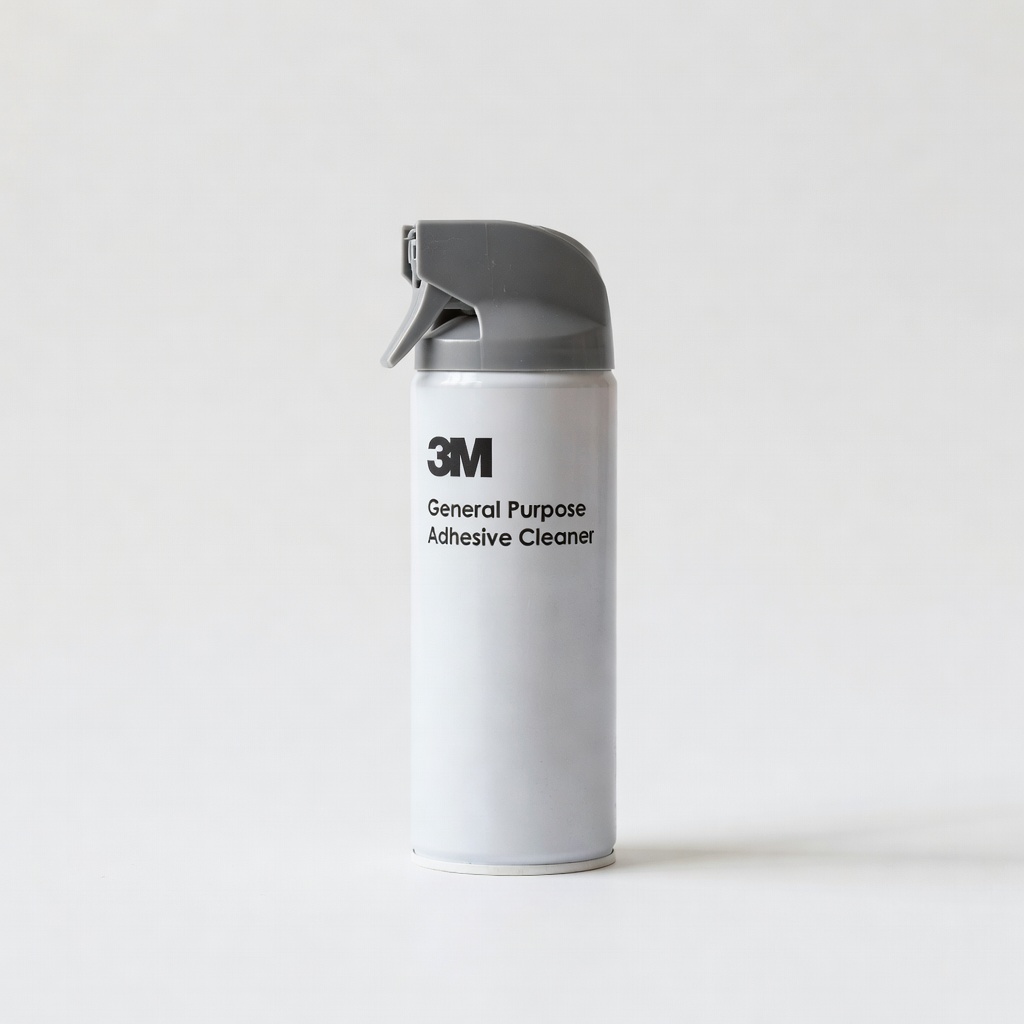
Duct tape or glue on leather seats and fabric.
3M General Purpose Adhesive Cleaner Professional-grade, low-odor, effective on heavy glues, safe for automotive plastics.
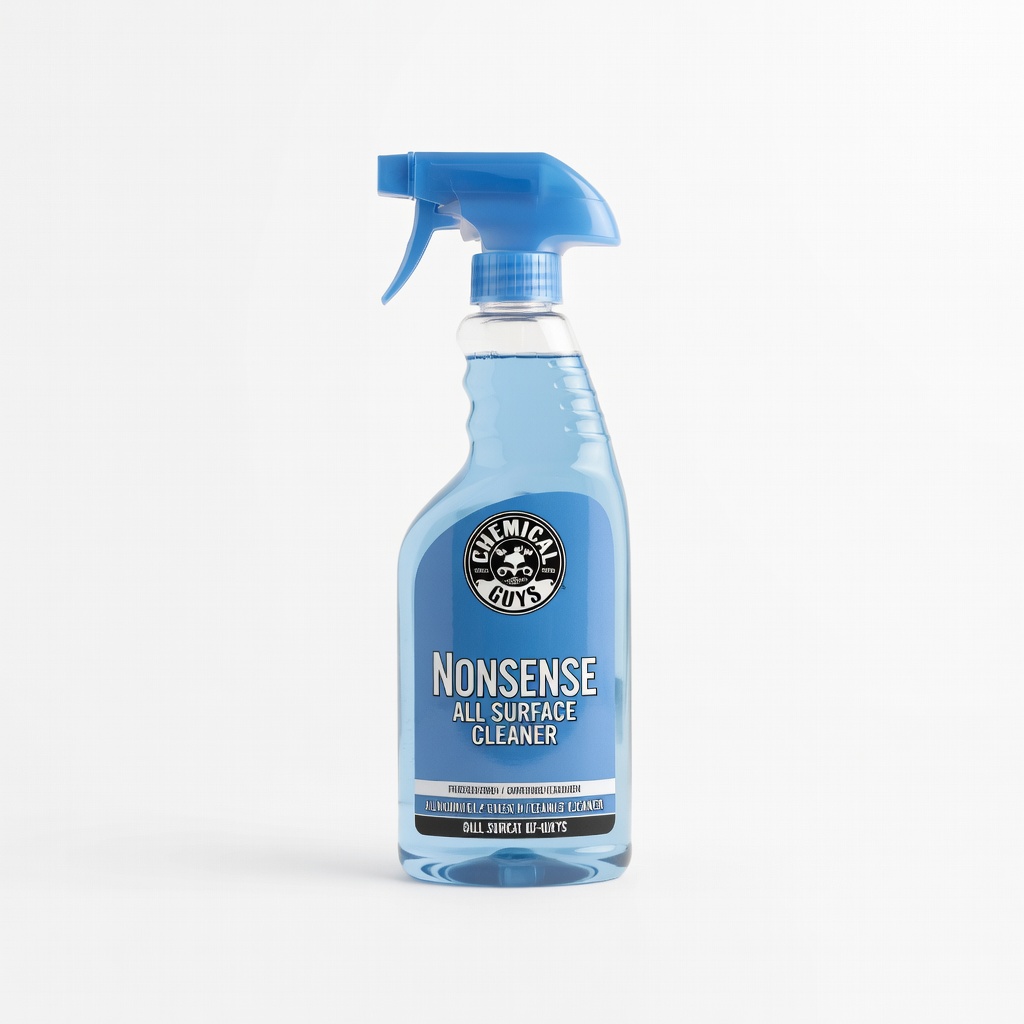
Light residues on upholstery or headliners.
Chemical Guys Nonsense All Surface Cleaner Versatile, non-toxic, fabric/leather safe, pleasant scent.
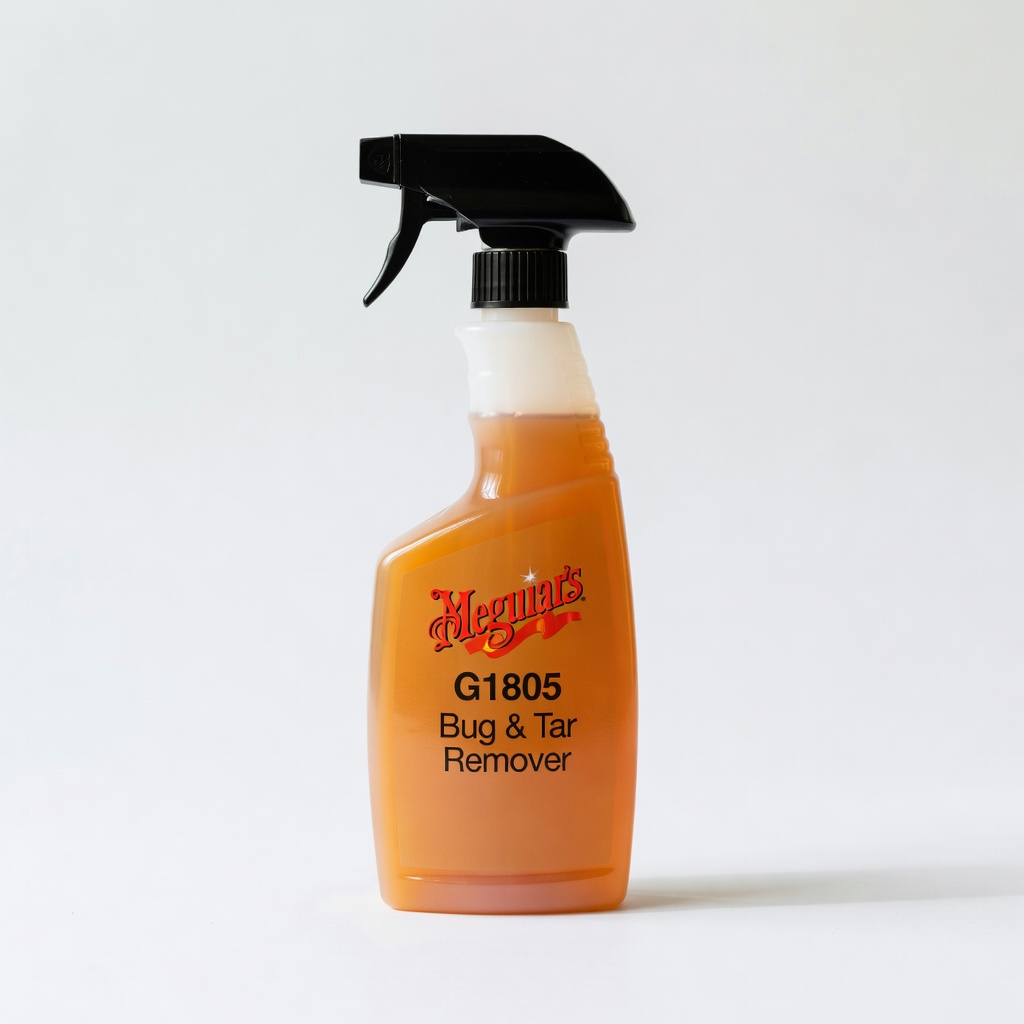
Sap or tar-like adhesives on door panels.
Meguiar's G1805 Bug & Tar Remover Paint and interior safe, water-rinsable, budget-friendly for multiple uses.
Labels and decals on any interior surface.
Sonax Sticker & Label Remover Fast-acting spray, no harsh solvents, ideal for quick jobs.