Blisters can ruin a hike, workout, or even a casual walk, causing pain, friction, and risk of infection if not treated right. Choosing the wrong bandage often leads to peeling, rubbing, or worsening irritation. This guide helps beginners select adhesive bandages that protect, cushion, and promote healing.
You'll learn key factors like blister type, material, and features to consider, with step-by-step decision-making. By the end, you'll confidently buy bandages that stay put and speed recovery. No medical expertise needed—just 15 minutes of smart shopping.
Expect a straightforward process: assess your blister, match features, and verify quality. Perfect for runners, hikers, or anyone prone to friction blisters.
▸What You'll Need
- •A blister to assess (or photos of past ones)
- •Access to online shopping (Amazon, pharmacy sites) or a store
- •Budget in mind ($5-$20 typically)
- •Smartphone or computer for reading labels/reviews (optional but recommended)
Estimated Time: 15-20 minutes
Difficulty: beginner
▸Step-by-Step Instructions
Step 1: Assess Your Blister Type
Start by examining the blister. Is it friction-based (clear fluid, from shoes/rubbing), burn-related (deeper, possibly infected), or blood blister (dark red)? Friction blisters are most common and need cushioning seals.
Why it matters: Wrong type leads to poor healing. Success looks like knowing if it's intact (don't pop) or popped (needs antimicrobial protection).
Note the size (small pea-like or large) and location (heel, toe, hand).
💡 Tips:
- •Take a photo for reference while shopping.
⚠️ Warnings:
- •Never pop intact blisters—risks infection.
Step 2: Determine Size and Shape Needs
Measure the blister roughly (e.g., 1cm diameter). Choose bandages slightly larger for full coverage—hexagon/oval shapes conform better to heels/toes than squares.
Expect packs with varied sizes. Success: Bandage overlaps blister edges by 0.5cm.
For multiple blisters, get assorted sizes.
💡 Tips:
- •Heel blisters? Prioritize large, flexible patches.
Step 3: Prioritize Hydrocolloid Material
Look for hydrocolloid gel bandages—they form a protective gel seal, absorbing fluid and reducing pain. Avoid basic fabric ones that dry out.
Why: They create a moist healing environment, staying 5-7 days. Check labels for 'hydrocolloid' or 'gel cushion.'
Success: Feels cushioned, not sticky fabric.
⚠️ Warnings:
- •Skip cheap plastic bandages—they trap moisture poorly.
Step 4: Check for Waterproof and Breathable Features
Opt for waterproof (shower/sweat-proof) and breathable options to prevent maceration (skin softening).
Test by label icons. Ideal for active users. Success: Stays on during activity without peeling.
Also seek hypoallergenic adhesive for sensitive skin.
💡 Tips:
- •Breathable backing prevents sweat buildup.
Step 5: Evaluate Cushioning and Padding
For high-friction areas, choose extra cushion or moleskin padding to reduce rubbing.
Hydro Seal types excel here. Success: Blister feels padded, no pressure points.
Avoid thin bandages for shoes.
⚠️ Warnings:
- •No padding on weight-bearing blisters worsens pain.
Step 6: Consider Antimicrobial or Antibiotic Add-ons
For popped/open blisters, pick antimicrobial (silver ions) or antibiotic-infused to fight infection.
Intact? Skip to avoid resistance. Success: Clear packaging notes protection level.
💡 Tips:
- •Clean blister first with soap/water.
Step 7: Read Reviews and Compare Brands
Scan Amazon/Walmart reviews for 'stays on wet skin' or 'healed in days.' Filter 4+ stars, 1000+ reviews.
Compare 3 options. Success: High ratings for your use (e.g., hiking).
💡 Tips:
- •Search 'blister bandage [activity]' like 'running'.
Step 8: Factor in Price, Pack Size, and Buy
Budget $5-15 for 5-20 pack. Bulk saves for athletes.
Buy from reputable sellers. Success: Stocked for emergencies.
⚠️ Warnings:
- •Cheapest often fail adhesion.
▸Pro Tips
- •Always clean and dry skin before applying for best stick.
- •Trim excess bandage edges to prevent catching.
- •Layer with moleskin under for heavy-duty protection.
- •Stock small travel packs for hikes/trips.
- •Test one bandage first if sensitive skin.
- •Rotate feet shoes to prevent repeat blisters.
- •Use powder pre-activity to reduce friction.
▸Common Mistakes to Avoid
- •Choosing regular Band-Aids: They don't cushion or seal, leading to re-blistering.
- •Ignoring size: Too small exposes edges; too big bunches up.
- •Skipping waterproof: Peels off in sweat/shower, wastes money.
- •Buying for intact on popped blisters: Wrong protection risks infection.
- •Relying on brand alone: Check specific blister line, not general first aid.
▸Troubleshooting
Problem: Bandage won't stick
Solution: Ensure skin dry/hairless; try adhesive promoter spray. Switch to stronger adhesive brand.
Problem: Blister worsens under bandage
Solution: Remove, clean, check for pus/redness. Reapply antimicrobial type or see doctor.
Problem: Allergic reaction (itchy rash)
Solution: Choose 'hypoallergenic' or latex-free next time. Use hydrocortisone cream.
Problem: Can't find right size
Solution: Cut larger hydrocolloid patches carefully; buy assorted pack.
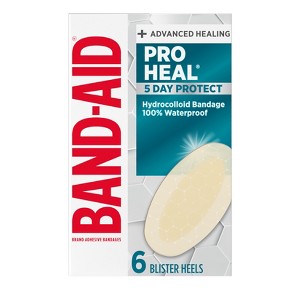
BAND-AID Brand Hydro Seal All Purpose Blister Bandages
Forms gel seal for moist healing, waterproof, stays 24+ hours even wet.
Best for: Everyday friction blisters on feet/hands; ideal beginners.
Price Range: $6.99-$8.99
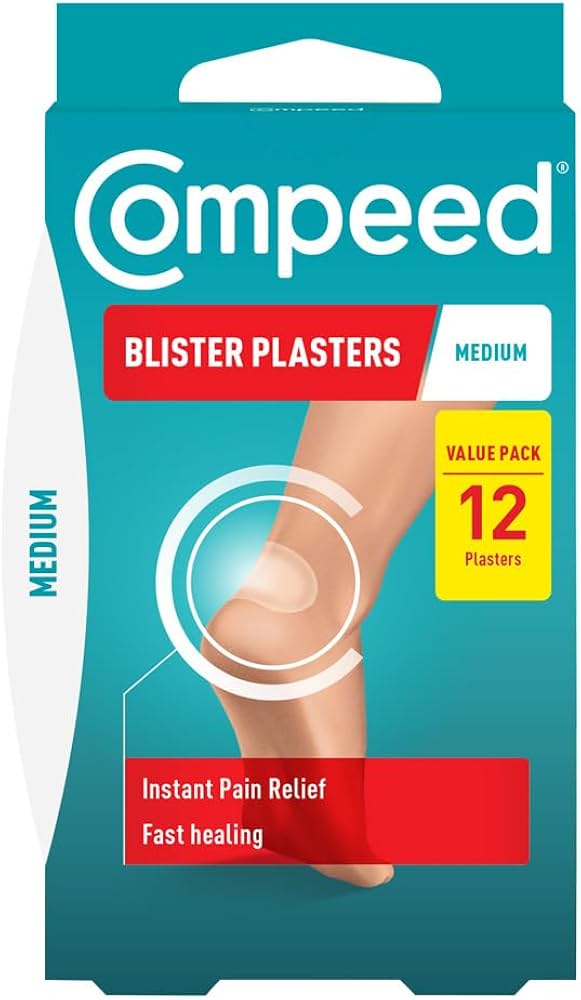
Compeed Blister Plasters Medium
Extra-strong hydrocolloid cushion, clinically proven to heal 40% faster.
Best for: Heel/toe blisters from hiking or shoes; multi-day wear.
Price Range: $9.99-$12.99
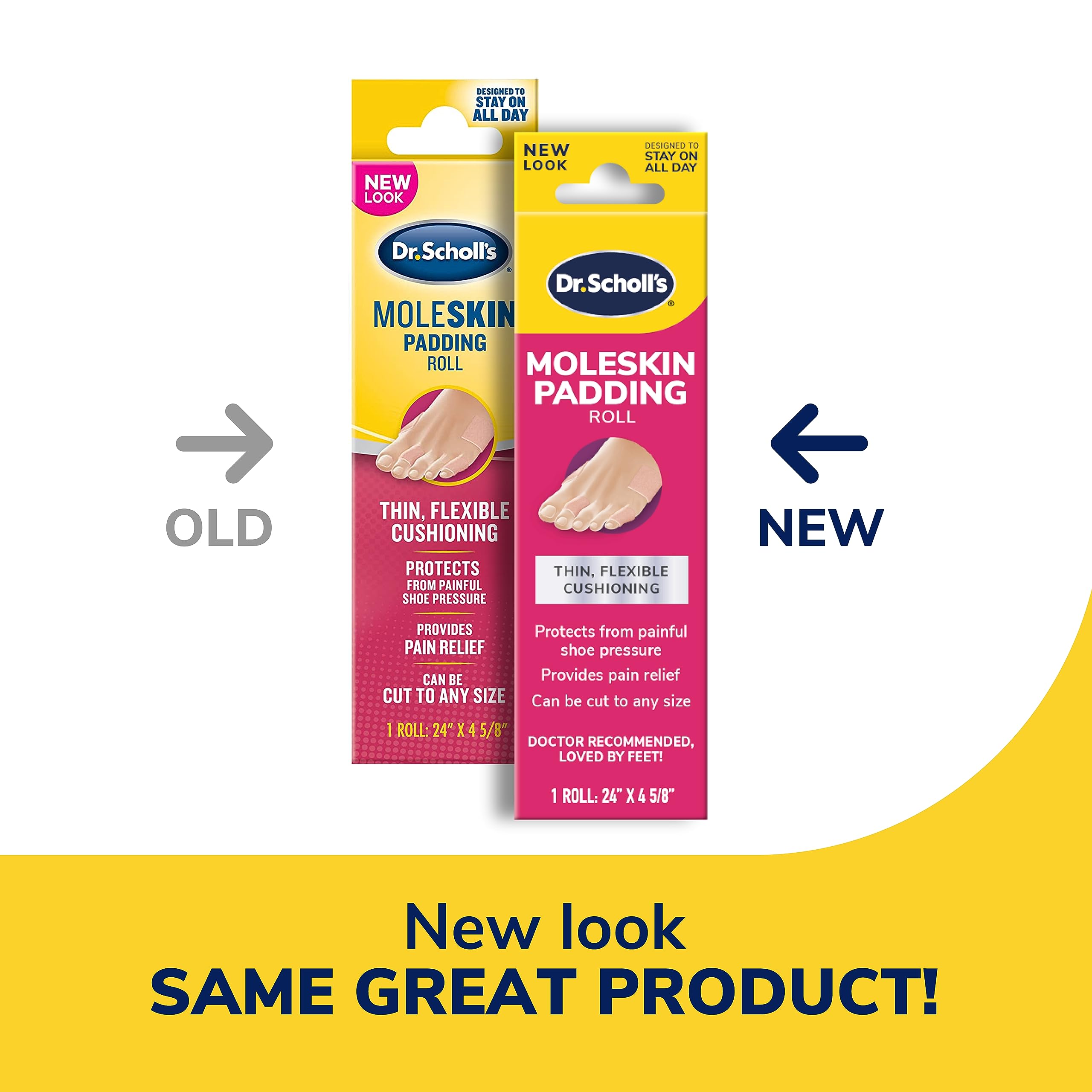
Dr. Scholl's Moleskin Plus Padding
Thick padding prevents rubbing, reusable roll for custom cuts.
Best for: Large or irregular blisters needing heavy cushion.
Price Range: $5.49-$7.99
ZenToes Blister Prevention Bandages
Hypoallergenic, flexible fabric with gel, great for sensitive skin.
Best for: Multiple small blisters or athletes with allergies.
Price Range: $11.99-$14.99
Curad Hydrocolloid Blister Bandages
Affordable bulk option with strong adhesion and infection protection.
Best for: Budget-friendly for frequent users or families.
Price Range: $4.99-$6.99