
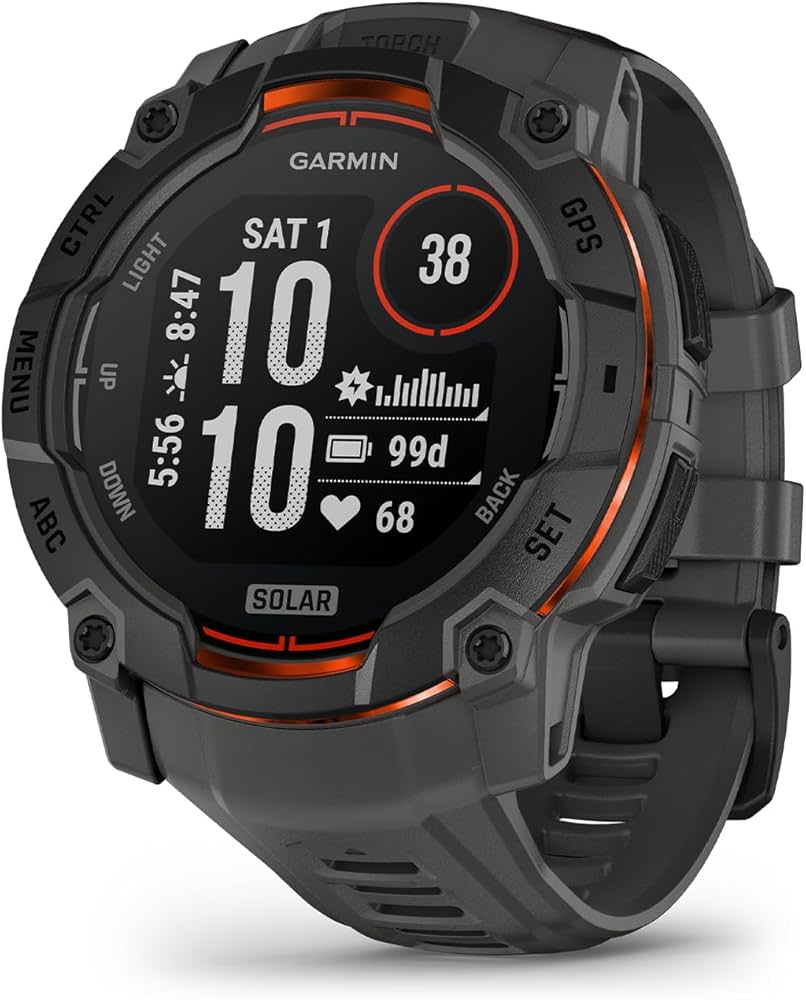
Garmin Swim 2
Serious lap swimmers or triathletes needing precise metrics without bulk.
$249.99
Garmin Swim 2 Dedicated swim tracker with stroke detection, SWOLF, and 5 ATM rating optimized for pool/open water.
Get the App
Better experience on mobile
Learn key features like water resistance and swim metrics to pick the perfect waterproof tracker for pool laps or open water swims.
Choosing the wrong activity tracker for swimming can mean inaccurate lap counts, data loss from water damage, or discomfort during strokes. Many fitness enthusiasts dive in without checking swim-specific specs, leading to frustration and wasted money. Whether you're a lap swimmer, triathlete, or casual pool goer, the right tracker tracks strokes, SWOLF scores, and distance precisely.
In this guide, you'll learn a step-by-step process to evaluate trackers based on your needs, from water ratings to app integration. By the end, you'll confidently select a device that withstands chlorine, saltwater, and constant motion. Expect 30-45 minutes of research—no prior tech expertise needed, but some familiarity with fitness apps helps for intermediate users.
We'll cover essential features, real-world tips, and top recommendations to simplify your decision.
Estimated Time: 30-45 minutes Difficulty: intermediate
Start by listing what you swim and how often. Are you doing structured pool laps, open-water adventures, or triathlon training? Daily swimmers need robust water resistance and precise stroke detection, while occasional users might prioritize comfort over advanced metrics.
This step matters because trackers vary: pool-focused ones excel at lap counting via gyroscopes, while open-water models include GPS. Expect to spend 5 minutes jotting notes—pool (auto lap detection), open water (GPS accuracy), or both.
Pro tip: Note stroke types you use (freestyle, breaststroke) as top trackers detect these automatically.
💡 Tips:
⚠️ Warnings:
Water resistance is non-negotiable. Look for at least 5 ATM (50 meters) for swimming; 10 ATM (100m) for diving or rough conditions. ATM means static pressure withstand—real swimming involves motion, so swim-rated (WR50M+) is best.
Why it matters: Cheap trackers leak under strokes. Analogy: 5 ATM is like a sealed lunchbox; it handles splashes but not submersion. Check specs for 'swim-proof' certification. Expect confusion with IP68 (dust/water but not swim-optimized).
Use manufacturer sites to verify—Garmin and Apple specify swim use.
💡 Tips:
⚠️ Warnings:
Seek lap counting, stroke recognition (4+ types), pace alerts, SWOLF (stroke efficiency), and drill modes. Pool trackers use accelerometers; open-water adds GPS.
This differentiates toys from tools—e.g., auto stroke detection reduces manual input. Why? Manual logging kills motivation. Expect variances: Budget models count laps basically; premiums analyze efficiency.
Compare via spec sheets: Does it support pool length (25m/50m)?
💡 Tips:
Swimming drains batteries faster due to GPS/water sensors. Aim for 5+ hours GPS mode, 7+ days smartwatch use. Inductive charging (no pins) is swim-friendly.
Matters for uninterrupted tracking—dead battery mid-session loses data. Expect 10-20 hours typical for swim modes. Check 'swim battery' specs separately.
Analogy: Like a phone on airplane mode vs. streaming video.
💡 Tips:
⚠️ Warnings:
Slim profiles prevent drag; silicone bands resist chlorine. Sizes matter—snug but not tight to avoid slippage.
Why? Bulky watches twist during butterfly. Real-world: Test wrist fit. Materials like titanium or polymer endure chemicals.
Expect trial via returns; read 'comfort during swim' reviews.
💡 Tips:
iOS/Android sync, detailed analytics (Garmin Connect, Apple Health). Heart rate underwater? Rare but valuable.
Matters for insights—apps visualize progress. Expect seamless Bluetooth; notifications optional.
Compare ecosystems: Fitbit for simplicity, Garmin for depth.
💡 Tips:
Budget $100-300 for solid swim trackers. List 3-5 based on steps above, use comparison sites.
Balances features/cost—premium for pros. Expect trade-offs: Budget = basic laps; high-end = AI coaching.
Tools: Amazon filters, Versus.com.
💡 Tips:
Scan 4+ star reviews for 'swim accuracy,' Reddit (r/swimming). Test in-store or return policy.
Validates claims—users catch flaws like poor stroke ID. Expect 10 mins per model.
Final check: Warranty (2+ years water damage).
💡 Tips:
⚠️ Warnings:
Problem: Inaccurate lap counts
Solution: Calibrate pool length in app; ensure arm-dominant hand wear
Problem: Foggy screen or slippage
Solution: Apply anti-fog spray; tighten band or use swim clip
Problem: Short battery in water
Solution: Disable non-essential features like HR continuous
Problem: Data not syncing
Solution: Restart Bluetooth; update app/firmware
Dedicated swim tracker with stroke detection, SWOLF, and 5 ATM rating optimized for pool/open water.
Best for: Serious lap swimmers or triathletes needing precise metrics without bulk.
Price Range: $249.99
10 ATM depth gauge, Oceanic+ app for dives, GPS for open water, and dual-band accuracy.
Best for: Open-water adventurers or multisport users in Apple ecosystem.
Price Range: $799
50m water resistance, SmartTrack for auto swim detection, affordable with good app insights.
Best for: Casual pool swimmers wanting basics plus daily fitness.
Price Range: $159.95
15-day battery, swim mode with drill logging, lightweight for long sessions.
Best for: Budget-conscious endurance swimmers.
Price Range: $229
Multisport with advanced swim analytics, AMOLED screen, music storage.
Best for: Triathletes needing GPS and training plans.
Price Range: $249.99
Serious lap swimmers or triathletes needing precise metrics without bulk.
Garmin Swim 2 Dedicated swim tracker with stroke detection, SWOLF, and 5 ATM rating optimized for pool/open water.
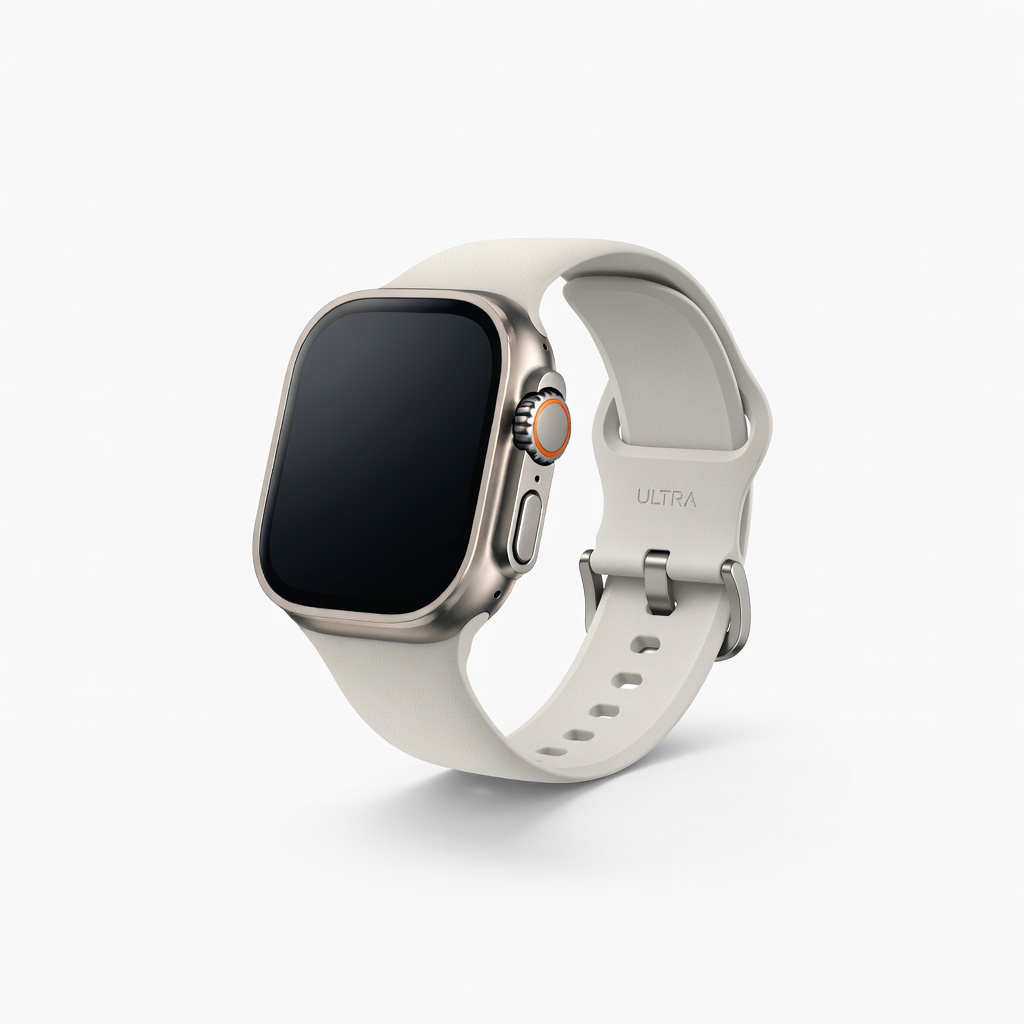
Open-water adventurers or multisport users in Apple ecosystem.
Apple Watch Ultra 2 10 ATM depth gauge, Oceanic+ app for dives, GPS for open water, and dual-band accuracy.
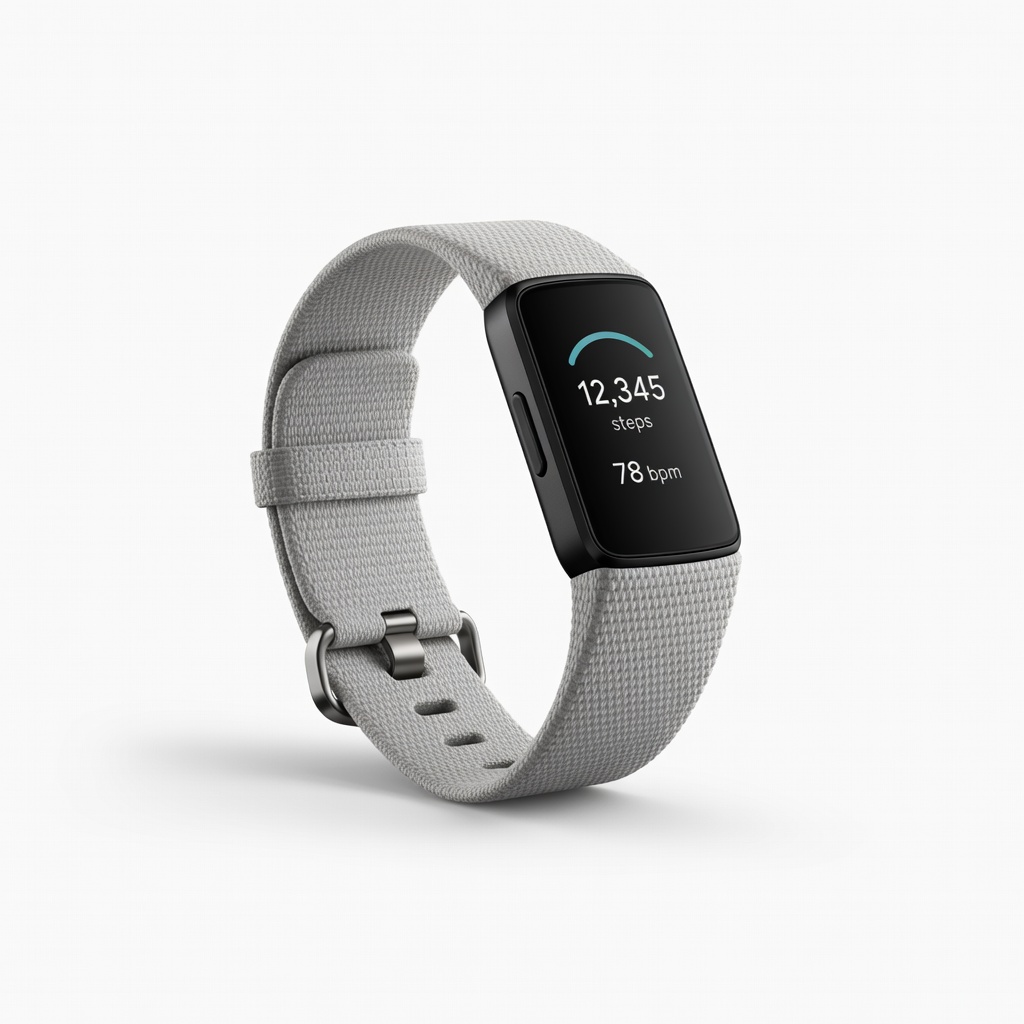
Casual pool swimmers wanting basics plus daily fitness.
Fitbit Charge 6 50m water resistance, SmartTrack for auto swim detection, affordable with good app insights.
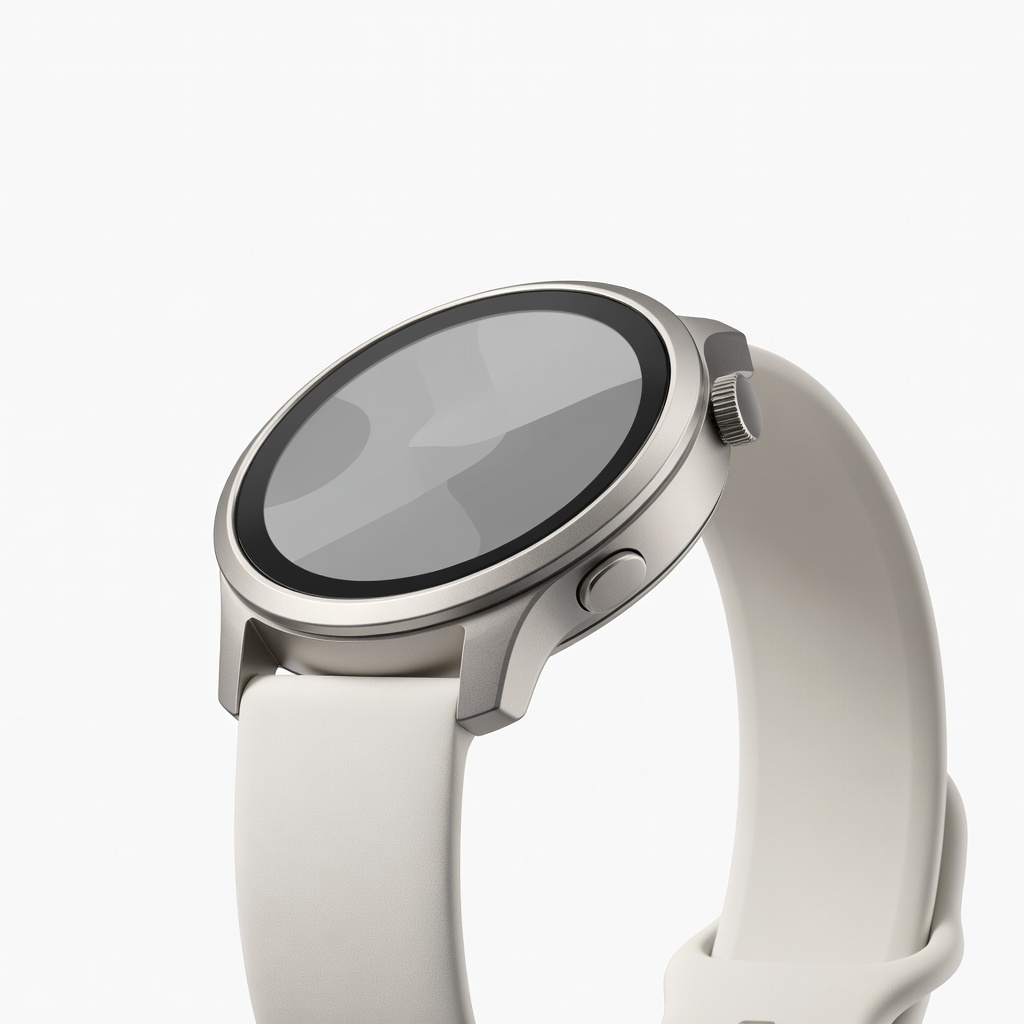
Budget-conscious endurance swimmers.
COROS Pace 3 15-day battery, swim mode with drill logging, lightweight for long sessions.

Triathletes needing GPS and training plans.
Garmin Forerunner 165 Multisport with advanced swim analytics, AMOLED screen, music storage.