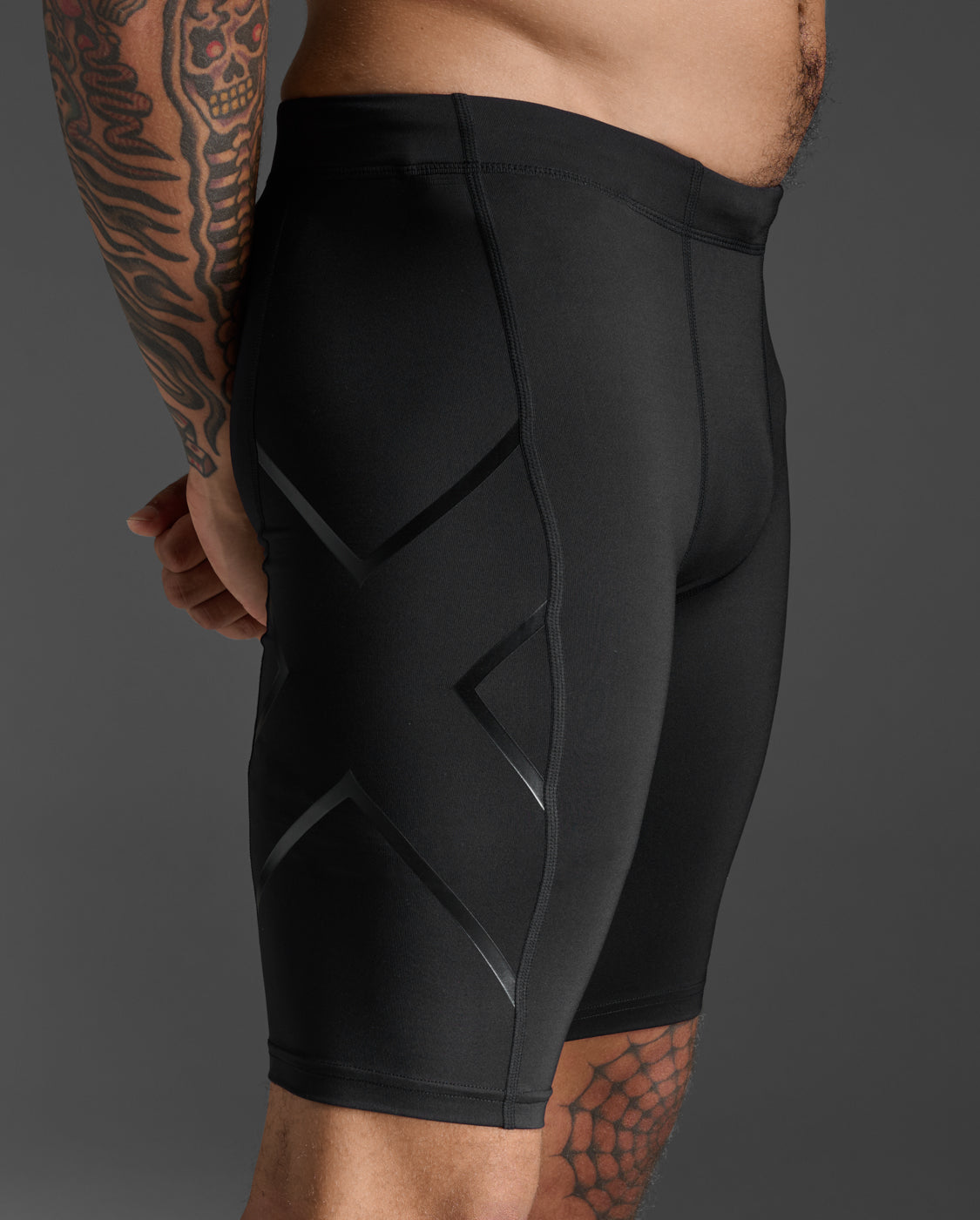
Finding the right pair of active shorts can make or break your gym experience. Whether you're lifting, running, or doing yoga, the wrong shorts can chafe, ride up, or simply feel uncomfortable. With so many options on the market, it's easy to feel overwhelmed. This guide breaks down everything you need to consider—from fabric and fit to length and features—so you can confidently choose shorts that perform well and feel great. We'll walk you through each factor step by step, helping you understand what matters most for your specific workouts. By the end, you'll have a clear checklist to shop smartly, whether you're a beginner or looking to upgrade your gear.
▸What You'll Need
- •Knowledge of your main workout type (e.g., running, lifting, yoga)
- •A tape measure or string to measure your waist and inseam
- •Access to online reviews or store to compare options
- •A budget in mind (typically $20–$80 for quality shorts)
Estimated Time: 15–20 minutes to read and apply the guide; 1–2 hours if actively shopping online or in-store
Difficulty: beginner
▸Step-by-Step Instructions
Step 1: Determine Your Main Workout Type
Start by identifying the primary activity you'll use the shorts for. Different workouts require different features:
- •Running or cardio: Look for lightweight, moisture-wicking fabrics with a built-in liner to prevent chafing. Shorts should offer freedom of movement and a secure waistband.
- •Weightlifting or strength training: Opt for more durable fabrics that won't tear under heavy weights. A slightly looser fit (but not baggy) allows for squats and deadlifts without restriction. Many prefer shorts with zippered pockets to hold a phone safely.
- •Yoga or stretching: Stretchy, 4-way stretch materials like spandex blends are ideal. High-waisted or compression-style shorts can stay in place during inversions.
- •CrossFit or HIIT: Hybrid shorts that combine durability with flexibility work best. Look for anti-odor technology and reinforced seams.
Success: You know which category fits your main workout, narrowing down the features you need.
💡 Tips:
- •If you do multiple types, consider buying one pair for cardio and one for lifting.
- •Many brands offer 'training shorts' that work well for general gym use.
⚠️ Warnings:
- •Avoid cotton-heavy shorts for sweaty workouts—they soak up moisture and become heavy.
Step 2: Choose the Right Length
Short length affects both comfort and mobility. Common lengths are:
- •5-inch inseam: Very short, great for runners and those who want maximum leg freedom. May feel too revealing for some.
- •7-inch inseam: A popular middle ground for most gym-goers. Offers good mobility without being too short.
- •9-inch inseam: More coverage, often preferred for lifting or casual wear. Can restrict movement slightly if not well-designed.
- •11-inch or longer: Usually basketball-style shorts; less common for gym workouts due to extra fabric.
To find your ideal length, measure from your crotch to the top of your knee—this is roughly the max inseam you'd want. Stand in front of a mirror and imagine where you want the hem to land (mid-thigh is standard). Most beginners start with 7-inch inseam shorts as a safe bet.
💡 Tips:
- •Try different lengths in-store if possible, or buy from brands with easy returns.
- •For tall or short individuals, consider stores that offer short/regular/tall sizing (e.g., Under Armour).
⚠️ Warnings:
- •Too short can ride up and expose too much; too long can bunch up behind the knees.
Step 3: Select the Best Fabric
Fabric determines breathability, moisture management, and durability. Key materials to look for:
- •Polyester: Lightweight, quick-drying, and holds shape well. Common in most athletic shorts.
- •Nylon: Softer and more durable than polyester, with better stretch. Great for high-movement activities.
- •Spandex/Elastane: Adds stretch for a snug fit. Often blended with polyester or nylon (e.g., 80% polyester, 20% spandex).
- •Cotton: Absorbs sweat and becomes heavy; not recommended for intense workouts but okay for light activity like walking.
- •Mesh panels: Increase airflow; look for shorts with mesh side panels or vents.
Check the fabric composition on the tag. Aim for at least 80% synthetic material for moisture-wicking. Some shorts also feature anti-odor treatments like silver ions.
💡 Tips:
- •If you're prone to chafing, look for flatlock seams that reduce friction.
- •Consider recycled polyester for eco-friendly options (e.g., Nike Dri-FIT made from recycled bottles).
⚠️ Warnings:
- •Avoid 100% cotton for sweaty sessions; it retains moisture and can cause chafing.
Step 4: Pick the Ideal Fit and Waistband
Fit is about both comfort and performance. Common styles:
- •Compression shorts: Tight-fitting, support muscles, reduce chafing. Often worn under loose shorts or alone.
- •Loose-fit shorts: Classic gym shorts with more room. Ideal for weightlifting and general training.
- •Semi-fitted: Between compression and loose; hugs but not tight, great for running and cardio.
The waistband should stay put without digging in. Look for:
- •Elastic waistband with drawstring: Most common; allows adjustment.
- •Wide waistband: Provides better hold and doesn't roll.
- •Internal drawstring: Cleaner look, less likely to dangle.
- •Zippered pockets: Useful for keys, phone, or wallet during workouts.
Success: The shorts should move with you—not ride up or sag down. You should be able to squat, lunge, and run without adjusting them.
💡 Tips:
- •If between sizes, go with the larger size for a looser fit, especially for lifting.
- •Check for a gusset (crotch panel) for better range of motion.
⚠️ Warnings:
- •Too tight can restrict blood flow and cause discomfort; too loose may sag or require constant pulling up.
Step 5: Consider Lining and Pockets
Many gym shorts come with a built-in brief or compression liner for support and modesty. Decide whether you prefer lined or unlined:
- •Lined shorts: Built-in mesh or compression liner (usually black), so you don't need underwear. More convenient, reduces chafing.
- •Unlined shorts: Need to wear your own underwear. Allows more control over support and fabric.
Pockets: For gym use, flat or mesh side pockets are common. Zippered pockets are great for valuables. A small back zipper pocket can hold a locker key or card. Avoid bulky cargo pockets that flap during exercise.
Success: Lined shorts simplify dressing; unlined give flexibility. Choose based on your preference—most men prefer lined, while many women choose unlined with leggings.
💡 Tips:
- •If you wear compression shorts anyway, unlined shorts work fine.
- •Test pocket depth with your phone before buying.
⚠️ Warnings:
- •Lined shorts should not be worn over underwear—it can cause bunching and chafing.
Step 6: Check Durability and Care Instructions
Gym shorts go through a lot: sweat, washing, and friction from weights. Look for:
- •Reinforced seams: Double-stitched or flatlock seams last longer.
- •Anti-pilling fabric: Polyester/spandex blends resist fuzz.
- •Colorfastness: Dark shorts may fade over time; look for brands that retain color.
Care instructions: Most athletic shorts are machine washable cold and can be tumble dried low or air dried. Avoid fabric softeners—they coat fibers and reduce moisture-wicking. Follow the label to extend life.
Success: You know how to maintain your shorts so they last through hundreds of workouts.
💡 Tips:
- •Turn shorts inside out before washing to protect colors and reduce shedding.
- •Air drying is gentler on elastic and prolongs waistband life.
⚠️ Warnings:
- •Don't use bleach; it can damage synthetic fabrics and cause yellowing.
▸Pro Tips
- •Try shorts on with your typical gym shoes to see total aesthetic and length.
- •Buy from brands that offer free returns so you can test different sizes at home.
- •For cold gyms, slightly longer shorts provide warmth; for hot gyms, shorter and mesh.
- •Check reviews for feedback on waistband rolling or chafing issues.
- •If you sweat heavily, look for fabrics treated with moisture-wicking or odor-control technology.
- •Consider buying two different lengths—one for cardio, one for lifting—to see what you prefer.
▸Common Mistakes to Avoid
- •Choosing cotton shorts for intense workouts: they become heavy and cause chafing.
- •Buying shorts without trying them in motion: do squats and lunges in the fitting room.
- •Ignoring pocket security: phone or keys can fall out during burpees or sprints.
- •Assuming all shorts fit the same across brands: sizes vary, always check size charts.
▸Troubleshooting
Problem: Shorts ride up during exercise.
Solution: Try a shorter inseam (5-7 inches) or a tighter waistband. Compression shorts underneath can help stay in place.
Problem: Waistband rolls down.
Solution: Look for a wider elastic waistband or internal drawstring. Some shorts have silicone grip strips inside.
Problem: Chafing on inner thighs.
Solution: Choose longer shorts (7-9 inches) with flatlock seams. Apply anti-chafing balm or wear compression shorts.
Problem: Pockets cause bunching.
Solution: Avoid shorts with bulky pockets; opt for flat zip pockets or seamless designs.
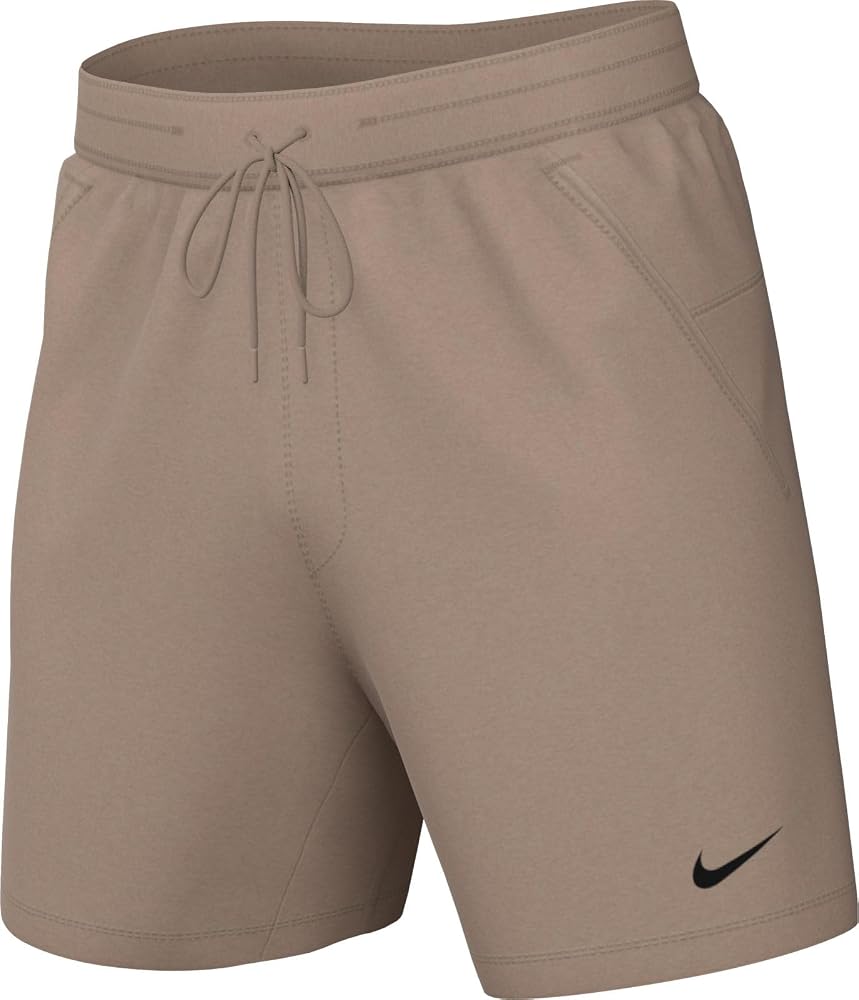
Nike Dri-FIT Men's 7" Unlined Training Shorts
Excellent moisture-wicking and durability; versatile for most gym activities.
Best for: General gym workouts for those who prefer unlined shorts with a drawstring waist.
Price Range: $35–$50
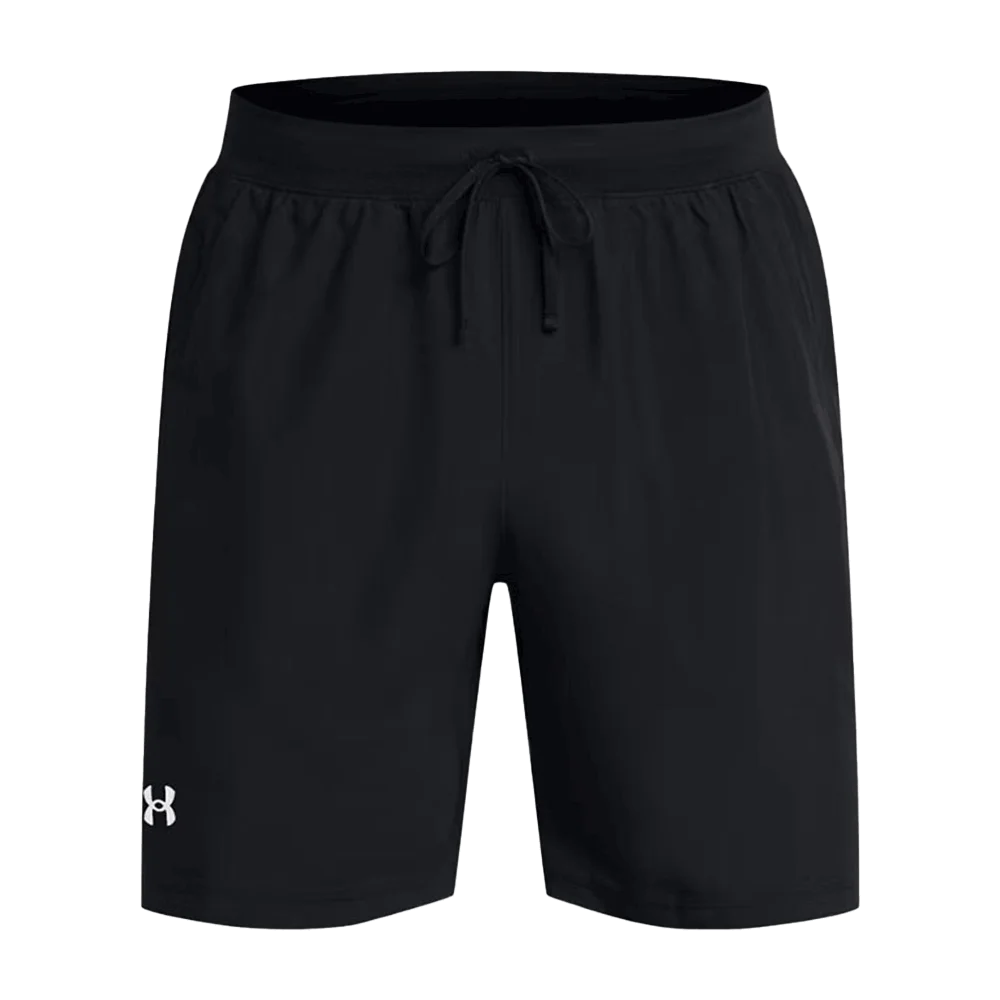
Under Armour Launch SW 7" Shorts
Lightweight, breathable, and have a built-in brief liner for support and chafe prevention.
Best for: Running, cardio, and HIIT workouts where you want a liner and maximum airflow.
Price Range: $30–$45
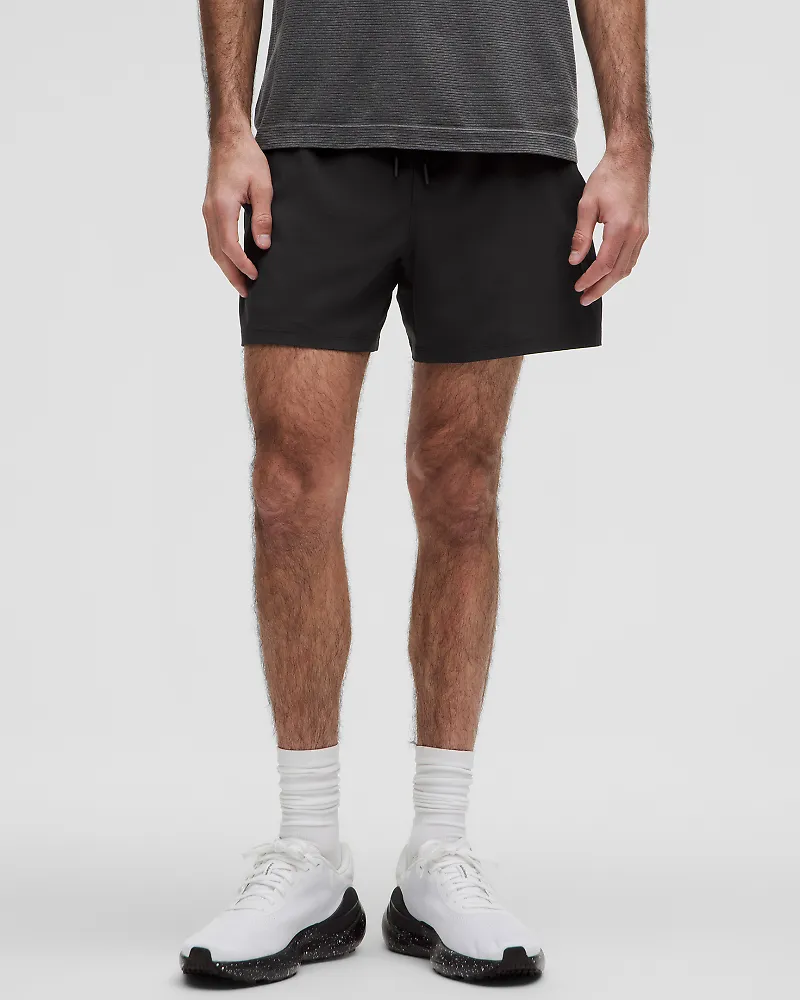
Lululemon Pace Breaker Short 7"
Superior fabric with 4-way stretch and anti-odor technology; very durable.
Best for: High-intensity training; excellent for yoga, CrossFit, and everyday wear.
Price Range: $60–$80
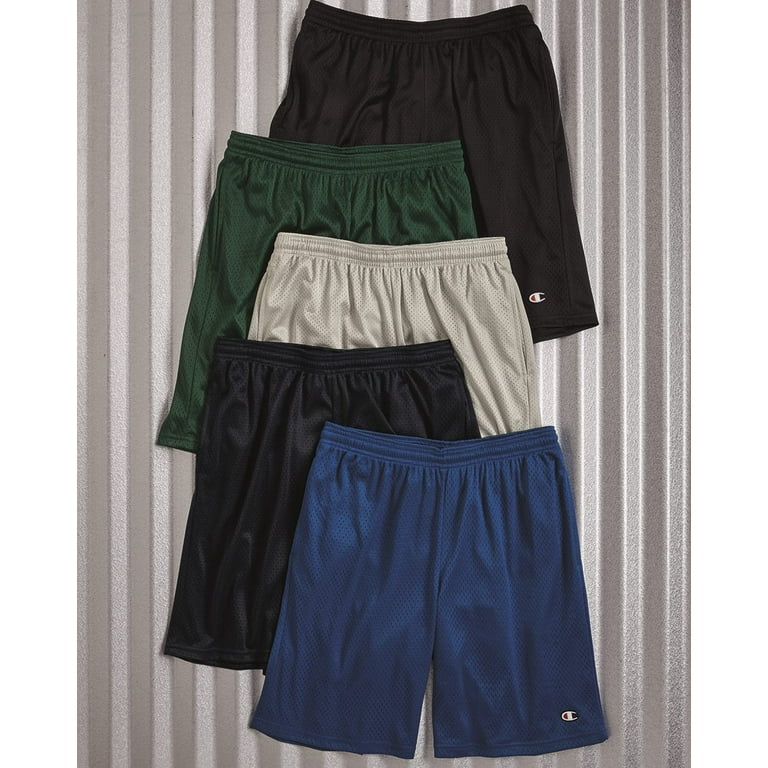
Champion Men's Mesh Shorts with Pockets
Affordable, breathable mesh fabric with side pockets; good for casual and moderate workouts.
Best for: Budget-friendly choice for light gym sessions or outdoor activities.
Price Range: $15–$25
2XU Compression Shorts
Medical-grade compression with muscle support and quick-dry fabric.
Best for: Serious athletes and recovery; also worn under shorts for extra support.
Price Range: $60–$90