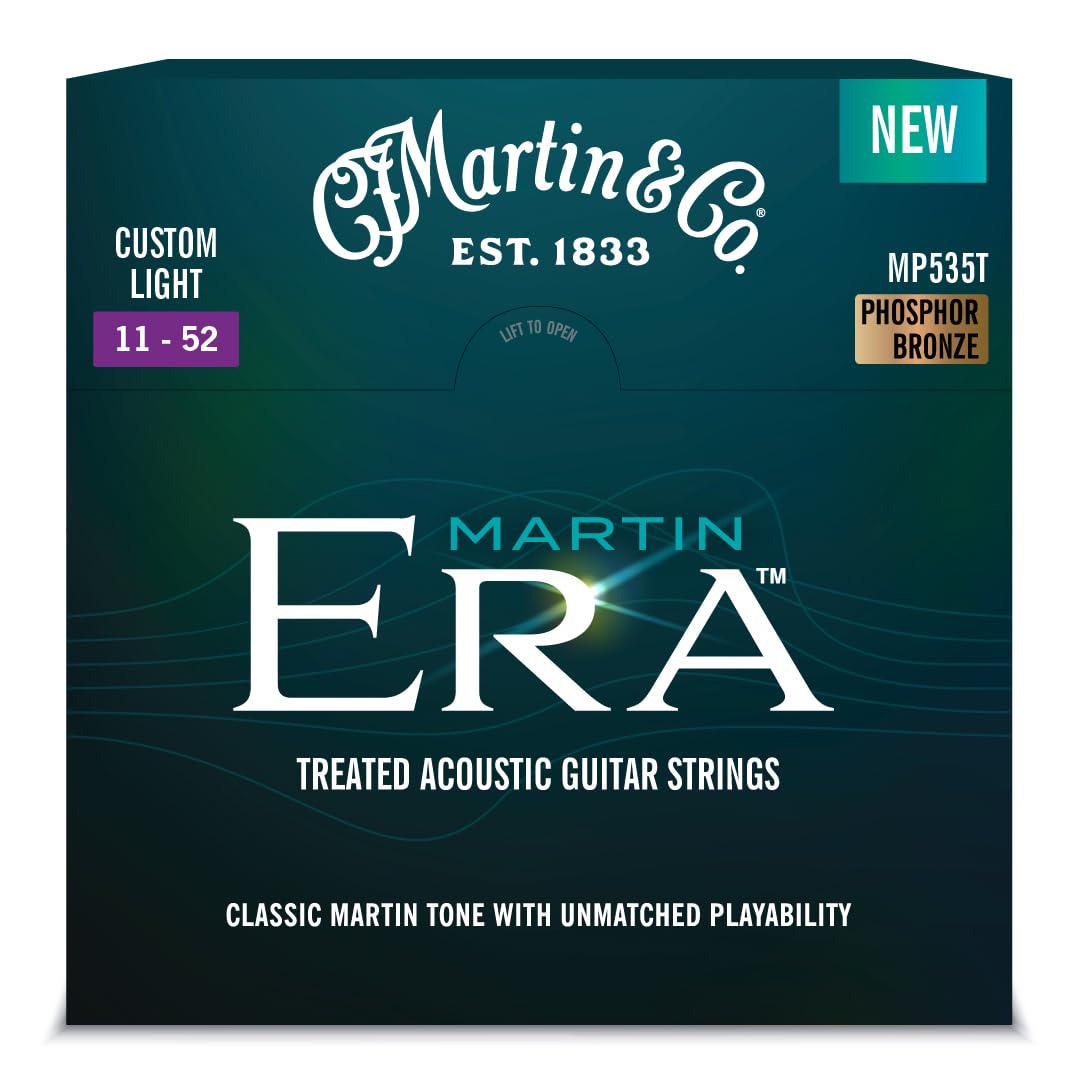
As a beginner acoustic guitarist, you've likely noticed how the wrong strings can make your playing frustrating—buzzing notes, sore fingers, or a dull sound that kills motivation. Choosing the right strings transforms your guitar, making chords ring clear and strumming effortless.
In this guide, you'll learn the key factors like materials, gauges, and coatings through simple steps and analogies. No jargon overload—just actionable advice to confidently buy strings that match your style and guitar.
Expect a quick 10-minute read with real-world tips. By the end, you'll know exactly what to buy next time you're at the store or online.
▸What You'll Need
- •Your acoustic guitar (to check scale length and current strings)
- •Knowledge of your playing style (fingerpicking, strumming, etc.)
- •Budget range ($5-$20 per set)
- •Optional: String gauge chart or app for reference
- •Access to online reviews or a local music store
Estimated Time: 10-15 minutes
Difficulty: beginner
▸Step-by-Step Instructions
Step 1: Identify Your Playing Style and Experience Level
Start by assessing how you play. Beginners often strum chords or do simple fingerpicking—light strings are forgiving and easier on fingers, like training wheels on a bike.
Strummers need balanced tone; fingerstyle players want clarity on individual notes. Note if you have small hands or prefer low action (string height)—thinner strings help here.
Why it matters: Wrong style leads to finger pain or muddy sound. Expect easier playing once matched.
💡 Tips:
- •Jot down: 'mostly strumming' or 'fingerpicking practice' for quick reference.
Step 2: Understand String Materials
Acoustic strings come in bronze, phosphor bronze, or 80/20 bronze (80% copper, 20% zinc). Think of them like spices: 80/20 is bright and twangy (bluegrass vibe), phosphor bronze warmer and balanced (folk/singer-songwriter perfect).
Phosphor bronze resists corrosion longer—great for sweaty hands. Steel-core with wraps, but avoid pure nickel for acoustics (better for electric).
Beginners: Start with phosphor bronze for versatile, mellow tone without harsh highs.
💡 Tips:
- •Analogy: Bright strings = fresh lemon; warm = honey.
⚠️ Warnings:
- •Don't mix electric strings—they lack projection for acoustics.
Step 3: Select the Right Gauge (Thickness)
Gauge is string thickness, labeled like .012-.053 (light gauge). Lights (.011-.052) bend easily for beginners; mediums (.013-.056) louder but harder.
Like tire pressure: Too thin buzzes, too thick fights your fingers. Measure current strings with a gauge tool or feel—lights feel slinky.
Why: Light gauges reduce tension, prevent wrist strain. Expect brighter tone but quicker wear.
Step 4: Decide on Coated vs. Uncoated Strings
Uncoated strings feel natural but corrode fast (1-2 weeks). Coated have a thin polymer layer, like raincoat on wires—last 3-5x longer, smoother feel.
Trade-off: Slight tone muffling, higher price. Beginners love coated for less frequent changes.
Test: If strings go dead quickly, go coated.
💡 Tips:
- •Coated great for humid climates or infrequent players.
Step 5: Match to Your Guitar's Scale Length
Scale length is nut-to-bridge distance (e.g., 25.4" Martin dreadnought). Shorter scales (e.g., parlor guitars) use lights to avoid high tension.
Measure: Fretboard ruler or Google your model. Standard acoustics: 24.75-25.5".
Why: Prevents neck stress or intonation issues. Expect perfect tuning stability.
⚠️ Warnings:
- •Heavies on short scale = potential warping.
Step 6: Set a Budget and Research Brands
Sets cost $5-$20. Budget: D'Addario/Martin ($5-8); premium Elixir ($12-18).
Brands like Elixir for longevity, D'Addario for value. Read Amazon reviews for 'beginner tone'.
Why: Quality strings = better sound investment.
Step 7: Read Packaging and Buy a Set
Look for: Gauge, material, 'light acoustic', 6-string set. Buy extras.
Online/store: Match specs. Test one set, tweak next time.
Success: Strings that feel great, sound full.
💡 Tips:
- •Buy 2 packs—change every 1-3 months.
▸Pro Tips
- •Wash hands before playing to extend string life.
- •Light strings + low action setup = pain-free practice.
- •Hybrid sets (lights on high strings, mediums low) for balance.
- •Store guitar in case to slow corrosion.
- •Buy from reputable sellers to avoid fakes.
- •Mark calendar for string changes.
- •Try one new set quarterly to experiment.
▸Common Mistakes to Avoid
- •Choosing heavy gauges: Causes finger pain and callus delay—stick to lights.
- •Ignoring material: Bright strings overwhelm beginners—opt for phosphor bronze.
- •Skipping coated in humid areas: Strings die fast—leads to frequent buys.
- •Not matching scale: Poor intonation, frustrating bends.
- •Buying cheapest no-name: Dull tone, quick break.
▸Troubleshooting
Problem: New strings buzz or sound dull
Solution: Stretch and tune up/down 3x; retune after 24hrs. If persists, lighter gauge or pro setup.
Problem: Fingers hurt too much
Solution: Switch to extra-light or coated; build calluses gradually.
Problem: Strings break often
Solution: Check bridge/saddle wear; use correct gauge for scale.
D'Addario EJ16 Phosphor Bronze Light Acoustic Guitar Strings
Affordable, balanced warm tone perfect for beginners strumming or picking.
Best for: Daily practice on standard acoustics; great starter set.
Price Range: $5.99-$7.99
Elixir Nanoweb Phosphor Bronze Light Acoustic Strings (12-53)
Coated for 3-5x life, smooth feel reduces finger squeaks.
Best for: Infrequent changers or humid climates; premium beginner upgrade.
Price Range: $12.99-$15.99
Ernie Ball Earthwood Light 80/20 Bronze Acoustic Strings
Bright, punchy tone at budget price; reliable for lively strumming.
Best for: Bluegrass or upbeat styles on dreadnoughts.
Price Range: $5.99-$7.49
Martin MA140 92/8 Phosphor Bronze Light Strings
Authentic Martin tone, corrosion-resistant for consistent sound.
Best for: Martin guitar owners or warm folk tones.
Price Range: $6.99-$8.99