
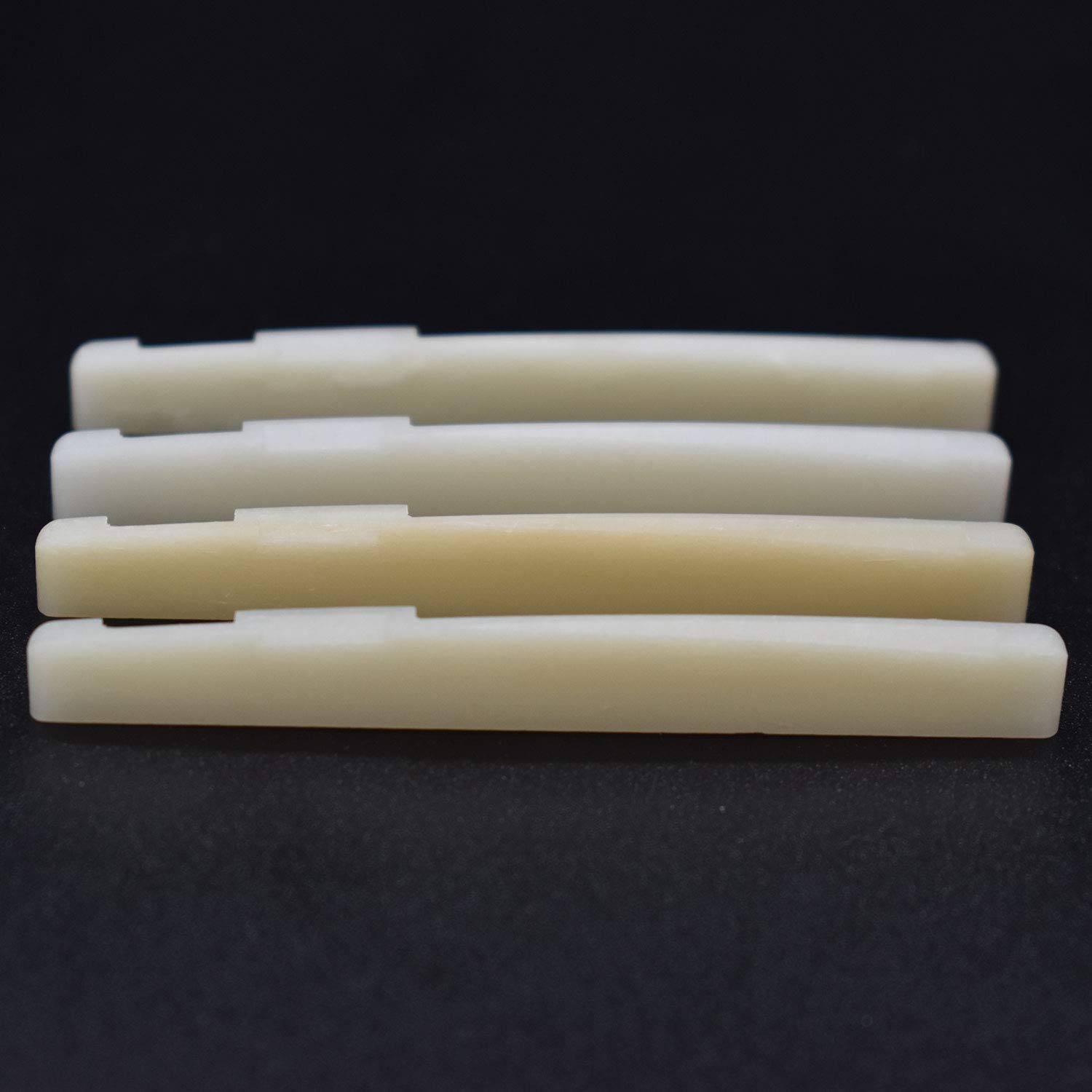
D'Addario NW020 Unbleached Acoustic Guitar Saddle
Primary upgrade for intonation and warmth on Martin/Taylor guitars.
$15-20
D'Addario NW020 Unbleached Acoustic Guitar Saddle Premium cattle bone for superior tone transfer and sustain over plastic.
Get the App
Better experience on mobile
Master selecting nut, saddle, tuners, and more to optimize tone, playability, and value for your acoustic guitar upgrades.
Upgrading parts on your acoustic guitar can transform its sound, feel, and longevity, but choosing wrong can lead to incompatibility or wasted money. Advanced players often overlook subtle specs like material density or slotting precision, resulting in suboptimal results. This guide equips you to make informed decisions.
You'll learn a systematic process to assess needs, evaluate options, and select parts that match your guitar's voice and your playing style. From bone saddles to locking tuners, we'll cover key considerations for tonewoods, sustain, and intonation.
Expect 1-2 hours of research and evaluation; no installation required here, but you'll be ready for pro-level upgrades. Ideal for intermediate to advanced players familiar with guitar anatomy.
Estimated Time: 1-2 hours Difficulty: advanced
Inspect your guitar thoroughly. Play open strings and chords, noting buzz, dead notes, or intonation issues. Check nut slots for binding (fret high at 3rd fret?), saddle height (action at 12th fret: bass ~3/32", treble ~2/32"?), and tuner slippage.
Measure key specs: nut width (1 11/16" common), saddle length/height, bridge pin spacing, headstock tuner holes (10mm standard). Use calipers for precision. Document tone profile: bright/muddy, sustain length.
Success looks like: A spec sheet with issues prioritized (e.g., 'high action, poor sustain').
💡 Tips:
⚠️ Warnings:
List priorities: tone enhancement (warmer sustain?), playability (lower action?), tuning stability (stage use?), or electronics (recording?). Rank by impact: saddle/nut first for intonation, tuners for reliability.
Consider genre: fingerstyle needs precise action; strumming favors volume. Match to wood: spruce top pairs well with bone for clarity.
Success looks like: Prioritized list, e.g., '1. Bone saddle for sustain, 2. Locking tuners'.
💡 Tips:
Focus on high-ROI parts: Nut/Saddle (intonation, tone transfer); Bridge Pins (sustain); Tuners (stability); Bridge (rare, but for cracks); Pickups (output).
Study interactions: Tusq reduces string breakage; bone adds warmth but needs compensation.
Success looks like: Shortlist of 2-3 parts per category from reputable sites like StewMac or Reverb.
💡 Tips:
⚠️ Warnings:
Compare: Plastic (cheap, bright) vs. Tusq (synthetic bone, consistent) vs. Bone/Graphite (premium tone, sustain). Density matters—real bone > cattle bone hardness (85+ Rockwell). For tuners, gear ratio 18:1+ for precision.
Check certifications: unbleached bone avoids oils; XL Tusq self-lubricates.
Success looks like: Material matrix scoring tone/playability (e.g., bone: 9/10 sustain).
💡 Tips:
Cross-reference measurements: nut taper (straight/slotted?), saddle radius (crowned?), tuner post diameter (1/4" or mini?). Headstock thickness for strap buttons.
Use manufacturer charts (Martin: OM-1 saddle 72x3mm). Pre-slotted nuts save time.
Success looks like: Parts matching 100%—no returns needed.
⚠️ Warnings:
Scan 50+ reviews on Reverb/Thomann for real installs. Search 'part + your model' (e.g., 'Tusq nut Taylor 814'). Watch YouTube A/B tests.
Prioritize luthier forums like Acoustic Guitar Forum for advanced insights.
Success looks like: Consensus on top 2 options with pros/cons.
💡 Tips:
Budget tiers: $10-30 (pins/nut), $50-100 (tuners), $150+ (pickups). ROI: saddle upgrade = 20-30% tone boost.
Factor install: DIY or luthier ($50-100 labor).
Success looks like: Selected parts within budget, high ROI.
Visit local shop for demos or buy returnable. Simulate: swap cheap prototypes.
Order from trusted sellers. Track serials for warranty.
Success looks like: Cart ready with confidence in choices.
💡 Tips:
Problem: Part doesn't fit (e.g., nut too wide)
Solution: Double-check specs with calipers; sand lightly or exchange. Seek luthier for custom.
Problem: Tone worsens post-upgrade
Solution: Material mismatch—swap to warmer (bone) or brighter (Tusq). Check install height.
Problem: Tuners slip
Solution: Upgrade to locking; tighten bushings properly.
Problem: No perceived improvement
Solution: Combine upgrades; use spectrum analyzer app for objective data.
Premium cattle bone for superior tone transfer and sustain over plastic.
Best for: Primary upgrade for intonation and warmth on Martin/Taylor guitars.
Price Range: $15-20
Self-lubricating synthetic bone; consistent tone, no dead spots.
Best for: Advanced players wanting low maintenance and bright clarity.
Price Range: $12-18
18:1 ratio, locking for rock-solid tuning stability.
Best for: Gigging musicians needing quick retunes.
Price Range: $80-100
Natural acoustic tone with volume/tone controls; easy install.
Best for: Studio/recording upgrades without battery drain.
Price Range: $150-180
High-density bone for enhanced sustain at budget price.
Best for: Quick pins upgrade for brighter overtones.
Price Range: $10-15
Primary upgrade for intonation and warmth on Martin/Taylor guitars.
D'Addario NW020 Unbleached Acoustic Guitar Saddle Premium cattle bone for superior tone transfer and sustain over plastic.
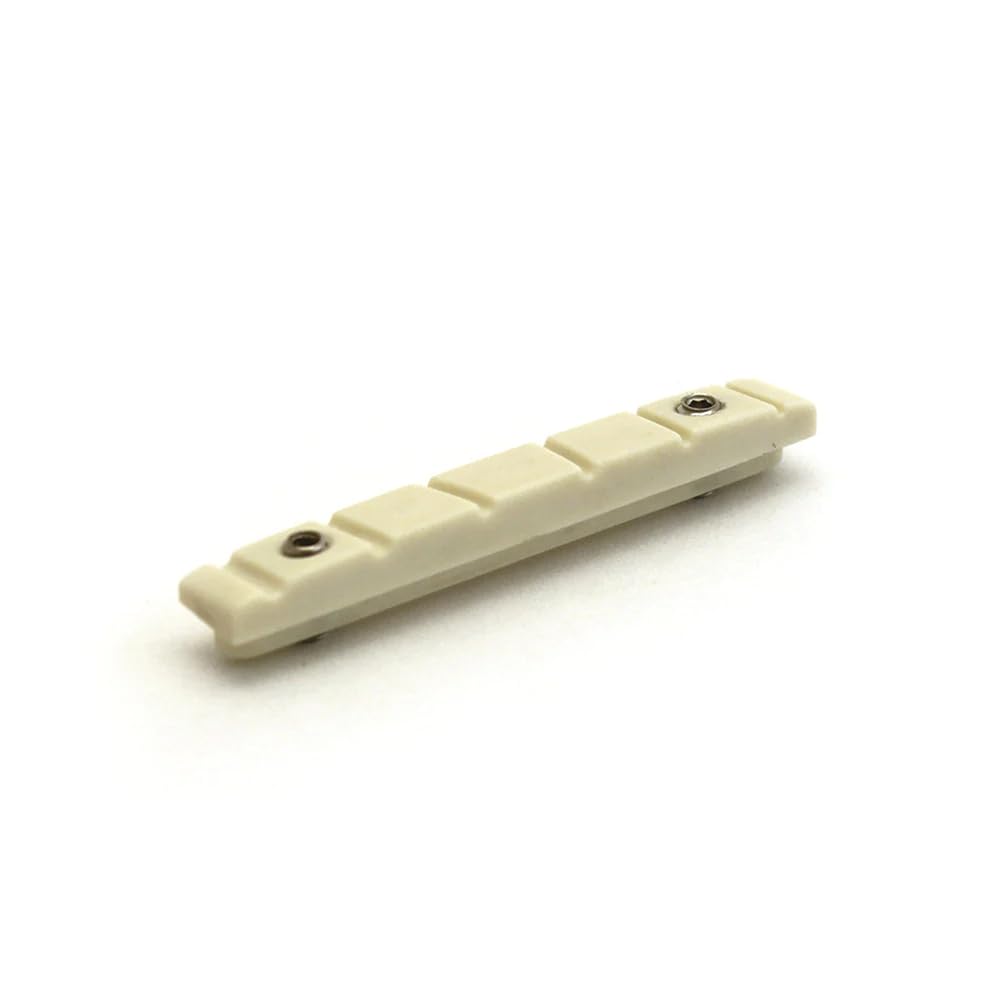
Advanced players wanting low maintenance and bright clarity.
Graph Tech TUSQ XL PQ-6110-00 Saddle Self-lubricating synthetic bone; consistent tone, no dead spots.
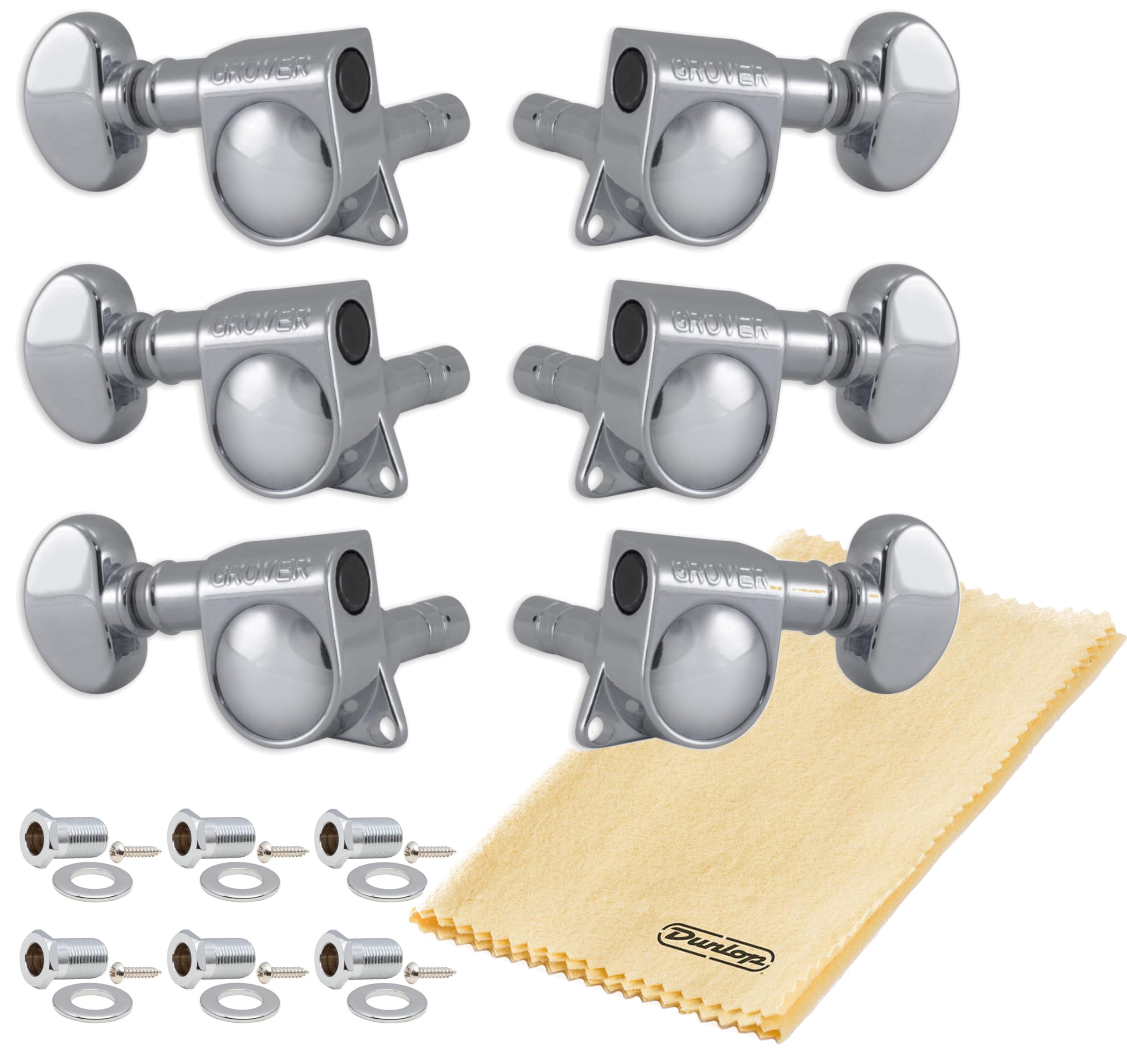
Gigging musicians needing quick retunes.
Grover 406C Mini Locking Rotomatics Tuners (3+3) 18:1 ratio, locking for rock-solid tuning stability.
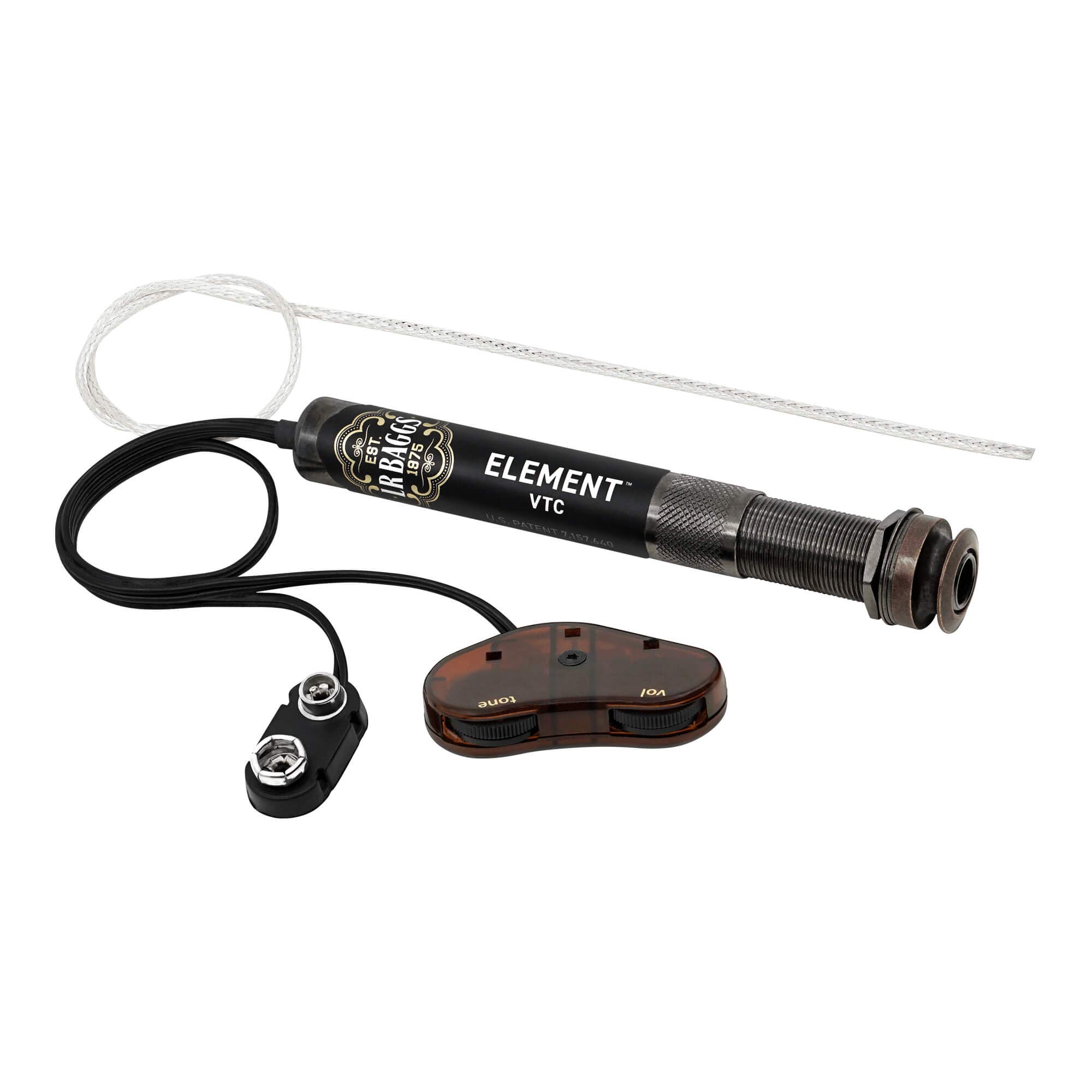
Studio/recording upgrades without battery drain.
L.R. Baggs Element VTC Under-Saddle Pickup Natural acoustic tone with volume/tone controls; easy install.
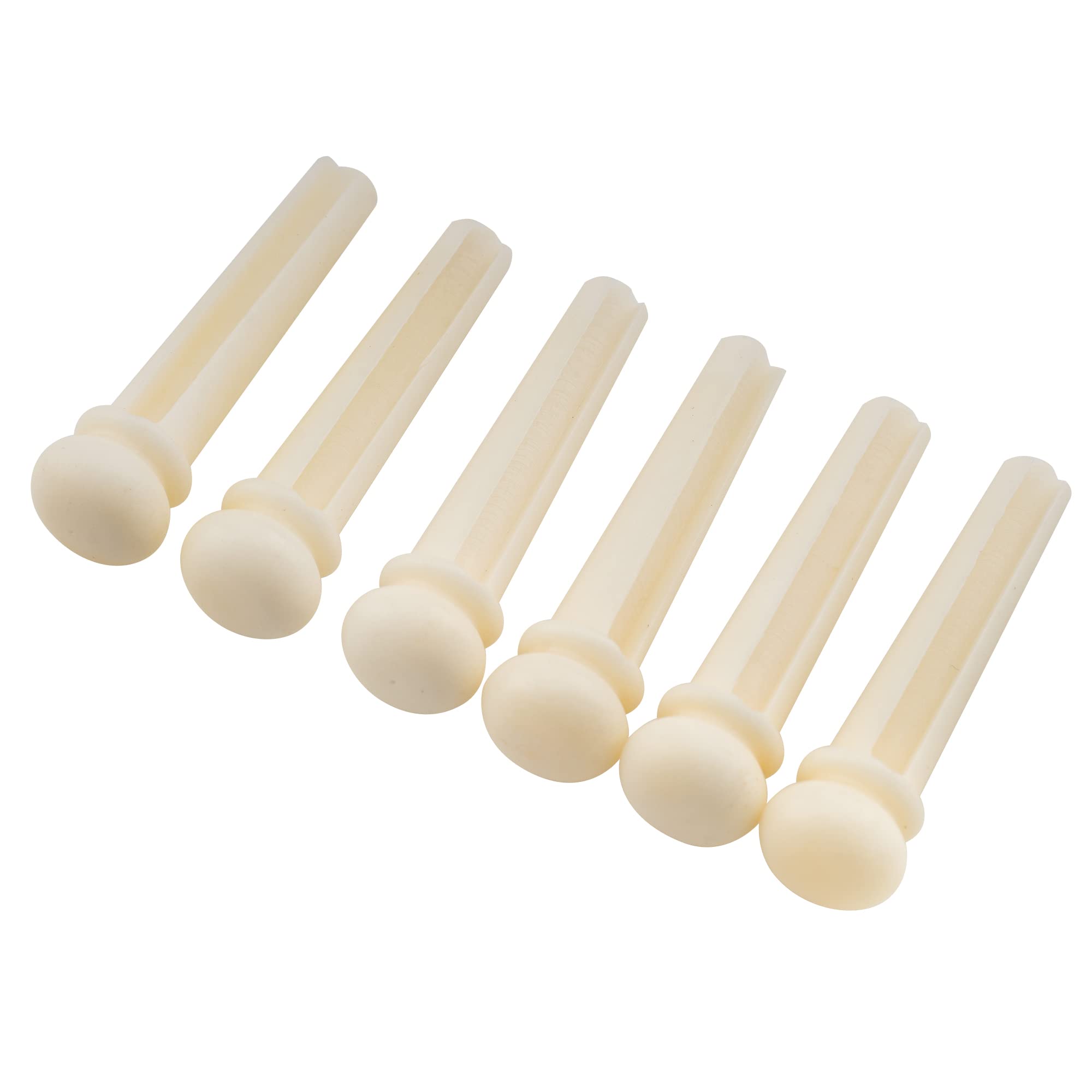
Quick pins upgrade for brighter overtones.
Musiclily Super Light Bone Bridge Pins High-density bone for enhanced sustain at budget price.