
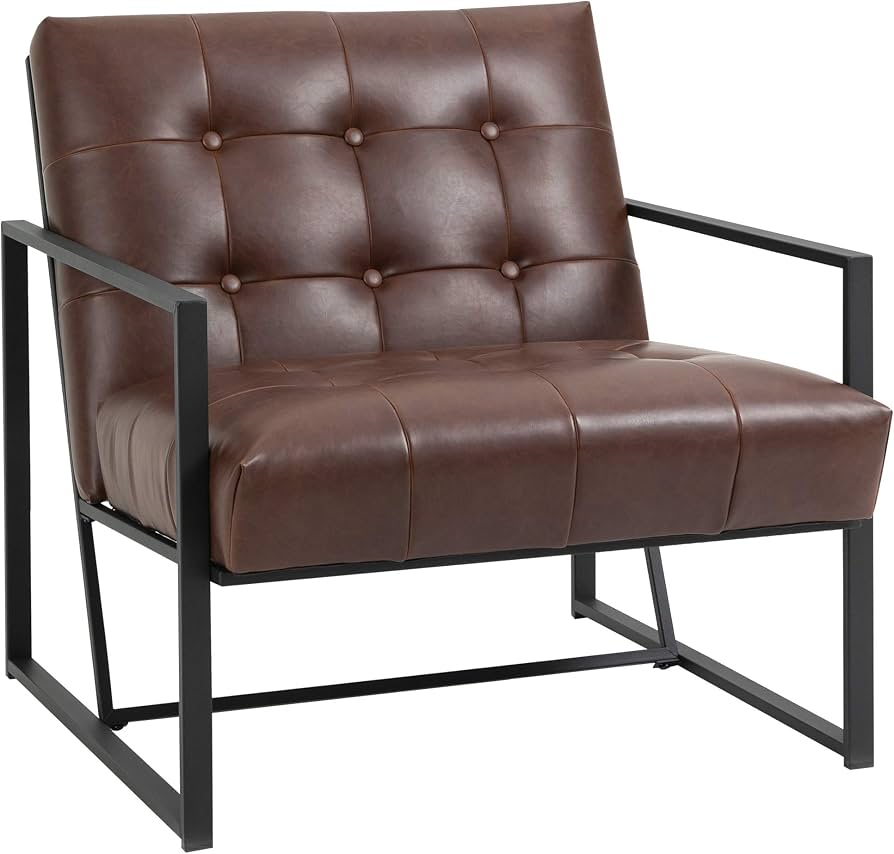
HOMCOM Faux Leather Accent Chair
Provide extra seating without overwhelming the room; available in multiple colors.
$100–$150
HOMCOM Faux Leather Accent Chair Compact size, modern design, and affordable price make it ideal for small spaces.
Get the App
Better experience on mobile
Learn to select the perfect accent pieces that maximize style without cluttering your compact space.
Decorating a small living room can feel like a puzzle — you want it to look stylish and inviting, but every piece of furniture counts. Accent furniture (those eye-catching chairs, tables, and storage pieces) can elevate your space, but choose wrong and you'll end up with a cramped, messy room. This guide will teach you how to select accent furniture that fits your space, serves a purpose, and enhances your décor. You'll learn to measure, prioritize, and shop smartly. By the end, you'll have a clear strategy to transform your small living room into a cozy, functional haven.
Estimated Time: 1–2 hours for planning and measuring, plus additional time for shopping Difficulty: beginner
Before you even browse online or step into a store, grab a tape measure and jot down the dimensions of your living room. Measure the length and width of the room, as well as the height of the walls. Note the location of doors, windows, and any built-in features. Also measure the existing furniture you plan to keep. This data is your blueprint. Knowing exactly how much floor space you have will prevent you from falling in love with a piece that simply won't fit. Take extra care to measure traffic paths — you need at least 18–24 inches of walkway clearance.
💡 Tips:
⚠️ Warnings:
Think about how you actually use your living room. Do you need extra seating for guests? A place to set down drinks or books? Hidden storage for remotes and blankets? Make a list of the top three functions your accent furniture must serve. Then consider your overall style — are you drawn to modern minimalism, cozy farmhouse, mid-century, or eclectic? Accent furniture should complement your existing décor, not clash. Choose a style direction to guide your search. For small spaces, consistency in style helps create a cohesive, uncluttered look.
💡 Tips:
⚠️ Warnings:
Every room needs a focal point, and accent furniture can help create one. Instead of adding random pieces, decide what you want to draw attention to: perhaps a bold accent chair by the window, a striking side table next to the sofa, or a slim console table behind the couch. Let this piece anchor the room. In a small space, a single dramatic accent piece can make a big impact without adding clutter. Place it where it will be seen first when entering the room.
💡 Tips:
⚠️ Warnings:
In a small living room, every piece should earn its keep. Look for accent furniture that does double duty: an ottoman that serves as both a footrest and hidden storage, a nesting set of tables that can be separated for guests, or a bench that offers seating and a surface for trays. Multipurpose furniture reduces the number of items you need, freeing up floor space and minimizing visual clutter. When shopping, ask yourself: does this piece solve at least two problems?
💡 Tips:
⚠️ Warnings:
One of the biggest mistakes in a small room is choosing furniture that is too large or too small. Accent furniture should be proportionate to the sofa and the room. A general rule: accent chairs should be two-thirds the width of your sofa. Side tables should be about the same height as the arm of the sofa or chair they accompany. Use your measurements to compare with product dimensions online. Aim for furniture that leaves at least 6 inches of breathing room between pieces.
💡 Tips:
⚠️ Warnings:
Color can make a small room feel bigger or smaller. Light colors reflect light and open up the space, while dark colors can make it feel cozy but also enclosed. For accent furniture, you can use pops of color (a bright yellow chair or a turquoise table) to add personality without overwhelming the room. Texture also plays a key role: a velvet accent chair, a woven basket side table, or a metal floor lamp add depth and interest. Mix textures to create a layered look that feels intentional.
💡 Tips:
⚠️ Warnings:
Glass and mirrored surfaces are your best friends in a small living room. A glass-top side table or mirrored console table takes up visual space without adding visual weight. These reflective surfaces bounce light around the room, making it feel brighter and larger. Consider a clear acrylic accent chair for a modern, almost invisible seating option. If you want storage, a glass-front cabinet keeps items visible but dust-free.
💡 Tips:
⚠️ Warnings:
Once you've chosen your pieces, plan their placement to ensure good traffic flow. Keep the main pathways clear — at least 18–24 inches. Place accent furniture near the main seating area but not in the way. For example, a small side table should be within arm's reach of the sofa. If using an accent chair, angle it slightly toward the sofa to create a conversation area. Before buying, visualize how you will move around the room and if the layout feels open.
💡 Tips:
⚠️ Warnings:
Problem: The accent piece I bought is too big for the room.
Solution: Return it if possible or exchange for a smaller size. If not, try rearranging other furniture to open up space or use the piece in another room.
Problem: The floor feels cluttered even with just a few accent items.
Solution: Opt for wall-mounted or floating shelves instead of floor-standing furniture. Use vertical storage and clear surfaces.
Problem: I can't decide on a color for my accent chair.
Solution: Start with a neutral base (beige, gray, or white) and add a throw pillow or artwork to introduce color temporarily. Commit when you're sure.
Compact size, modern design, and affordable price make it ideal for small spaces.
Best for: Provide extra seating without overwhelming the room; available in multiple colors.
Price Range: $100–$150
Space-saving design with two tables that nest together; glass tops keep the room visually open.
Best for: Use as a coffee table set or separate side tables when guests arrive.
Price Range: $80–$120
Multipurpose: serves as footrest, extra seat, and hidden storage for blankets and magazines.
Best for: Place in front of the sofa for function and style.
Price Range: $30–$60
Simple, inexpensive wall shelf that adds display and storage without taking floor space.
Best for: Mount above a sofa or side table to hold books, plants, or decorative items.
Price Range: $20–$40
Slim profile with adjustable head; provides great lighting without a bulky footprint.
Best for: Place in a corner or next to the sofa for task or ambient light.
Price Range: $50–$80
Provide extra seating without overwhelming the room; available in multiple colors.
HOMCOM Faux Leather Accent Chair Compact size, modern design, and affordable price make it ideal for small spaces.
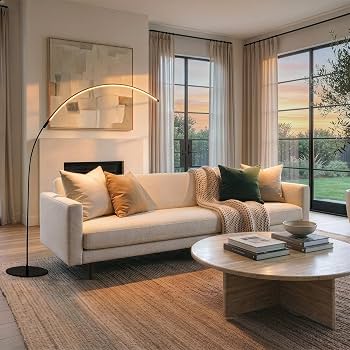
Use as a coffee table set or separate side tables when guests arrive.
Brightech Sparq Modern Nesting Tables Space-saving design with two tables that nest together; glass tops keep the room visually open.
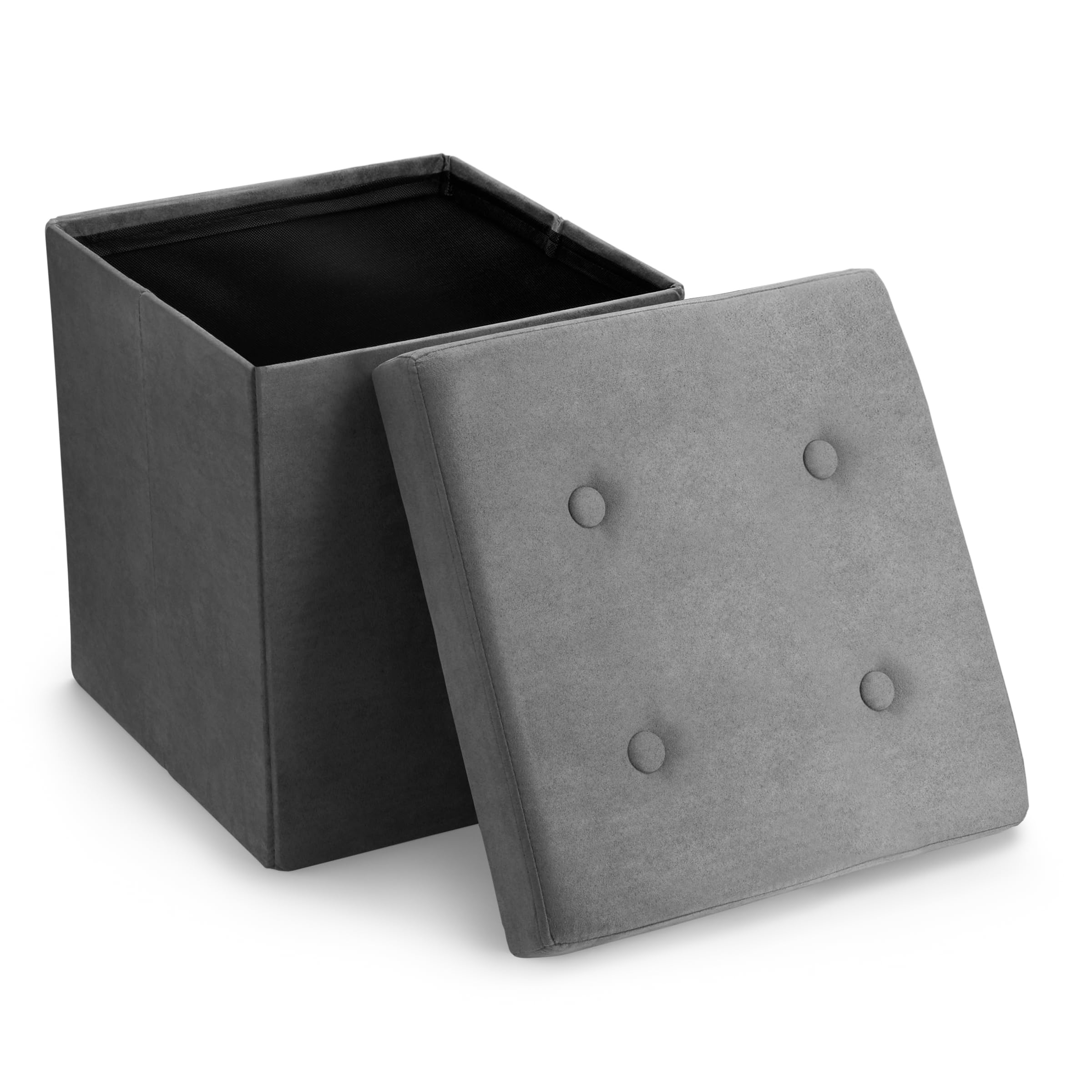
Place in front of the sofa for function and style.
Sorbus Storage Ottoman Multipurpose: serves as footrest, extra seat, and hidden storage for blankets and magazines.
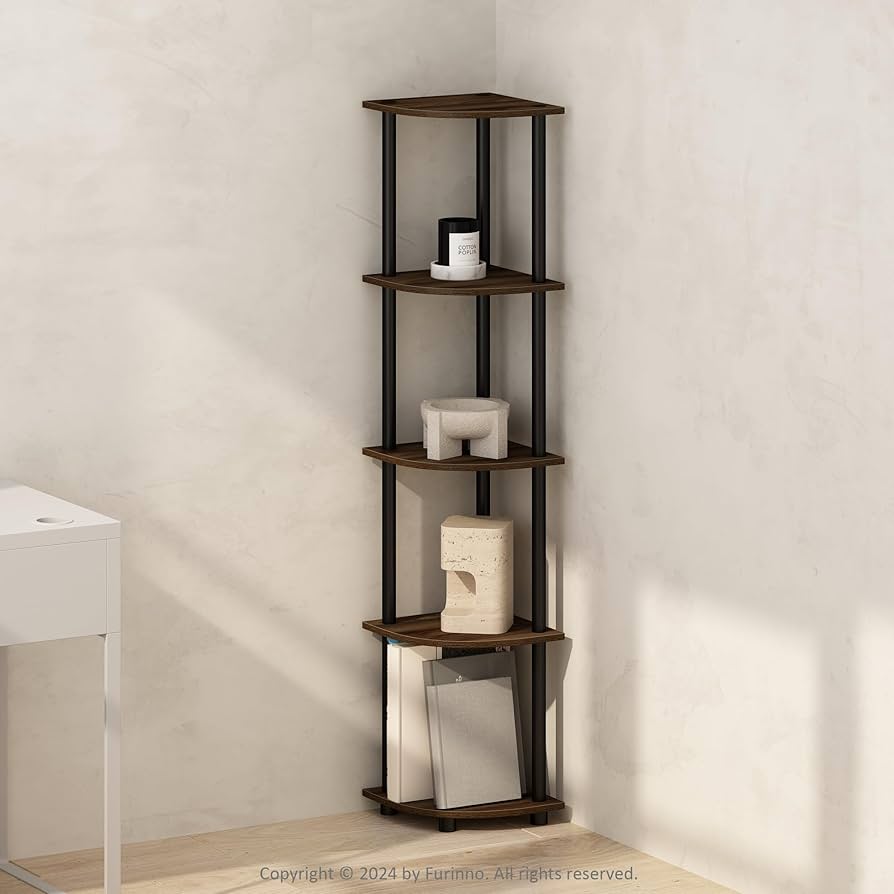
Mount above a sofa or side table to hold books, plants, or decorative items.
Furinno Turn-N-Tube Wall Shelf Simple, inexpensive wall shelf that adds display and storage without taking floor space.
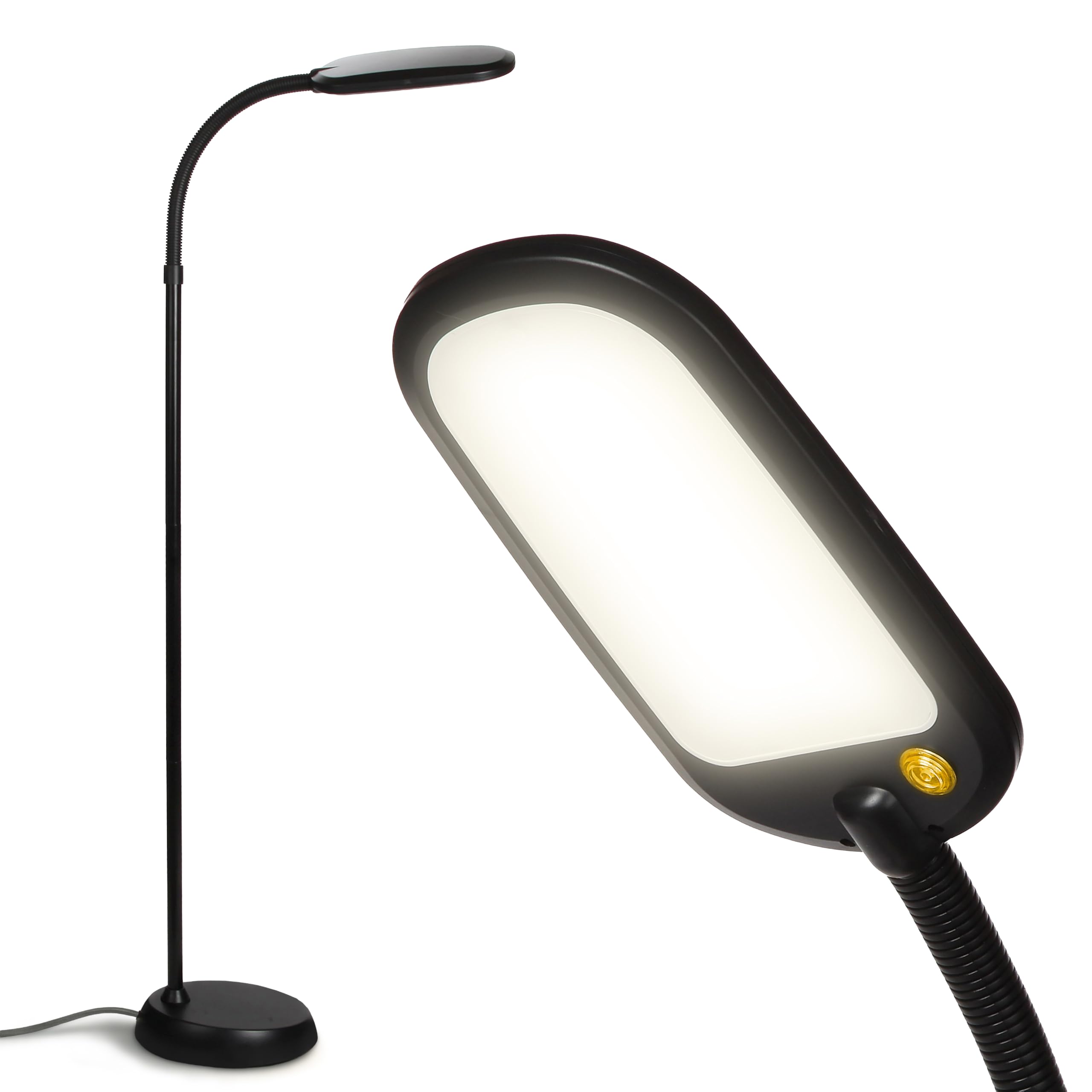
Place in a corner or next to the sofa for task or ambient light.
Brightech Litespan LED Floor Lamp Slim profile with adjustable head; provides great lighting without a bulky footprint.