Why Choosing the Right Book Matters
Recovering from abuse and trauma can feel overwhelming, especially when self-help books promise quick fixes but deliver outdated or triggering content. Many beginners pick books based on popularity alone, leading to frustration or re-traumatization. This guide empowers you to choose books that truly aid your journey.
What You'll Achieve
By the end, you'll have a curated shortlist of 3-5 books tailored to your needs, ready to start reading with confidence. You'll understand key criteria like author credentials and evidence-based methods.
Quick Overview
We'll cover 9 actionable steps, from assessing your trauma to previewing content. Expect 30-60 minutes total—easy for beginners, no prior knowledge needed. Pair with therapy for best results.
▸What You'll Need
- •Internet access (for Amazon, Goodreads, or library sites)
- •Notebook and pen (optional, for jotting notes on goals and shortlists)
- •Library card or e-reader app (optional, for free previews)
Estimated Time: 30-60 minutes
Difficulty: beginner
▸Step-by-Step Instructions
Step 1: Assess Your Specific Trauma Type
Start by identifying the type of abuse you've experienced—emotional, physical, sexual, narcissistic, or complex PTSD from prolonged trauma. This ensures the book addresses your exact needs.
Why it matters: Generic books may miss nuances, like gaslighting in emotional abuse. Write down 2-3 key issues (e.g., 'trust issues from childhood neglect').
Expect a clearer focus; success looks like a 1-paragraph personal summary.
💡 Tips:
- •Use free online quizzes like those on Psychology Today for self-assessment.
⚠️ Warnings:
- •Avoid self-diagnosing—note this as a starting point only.
Step 2: Define Your Recovery Goals
List 3-5 specific goals, like 'understand triggers' or 'build self-compassion.' Be realistic for self-help: symptom management, not full therapy replacement.
Why it matters: Goals filter books—e.g., seek CBT-focused for anxiety or somatic for body-based trauma.
Success: A bulleted goal list matching book potential.
💡 Tips:
- •Prioritize one goal, like emotional regulation, for your first book.
Step 3: Research Reputable Authors
Search for authors with credentials: therapists, psychologists, or survivors with clinical experience. Check bios on their websites or book jackets.
Why it matters: Evidence-based authors (e.g., trauma specialists) provide safe, proven strategies.
Expect 5-10 author names; success is shortlisting 3 with PhDs or LCSW credentials.
💡 Tips:
- •Google 'author name + credentials + trauma' for verification.
⚠️ Warnings:
- •Skip unverified influencers or anecdotal-only writers.
Step 4: Search for Relevant Books
Use Amazon, Goodreads, or Bookshop.org with queries like 'best self-help books for emotional abuse PTSD beginners.' Filter by recent publications (post-2015 for current research).
Why it matters: Fresh books incorporate neuroscience advances.
Success: 10-15 book titles in a note.
Step 5: Evaluate Content and Approach
Scan table of contents and 'Look Inside' for chapters on your goals. Prioritize evidence-based methods: CBT, EMDR, mindfulness, not just stories.
Why it matters: Avoids pseudoscience; look for worksheets or exercises.
Expect to eliminate 70% of books.
💡 Tips:
- •Check for trigger warnings in previews.
Step 6: Read Reviews from Verified Buyers
Focus on 4+ star Amazon/Goodreads reviews from 'verified purchase' (50+ total). Note recurring praises (e.g., 'practical exercises') or complaints (e.g., 'too triggering').
Why it matters: Real reader feedback reveals beginner-friendliness.
Success: Highlighted pros/cons for top 5 books.
⚠️ Warnings:
- •Ignore 1-star rants without specifics.
Step 7: Preview Sample Chapters
Read free samples on Kindle/Amazon. Assess tone: empathetic, non-judgmental, actionable.
Why it matters: Ensures it resonates without overwhelming.
Success: 2-3 books that feel supportive.
Step 8: Consider Format and Budget
Choose paperback, ebook, or audiobook based on preference (audio great for dissociation). Budget $15-30/book.
Why it matters: Accessibility boosts completion rates.
Success: Final shortlist of 3 books with purchase plan.
💡 Tips:
- •Start with library borrows.
Step 9: Start Reading with Support
Buy/borrow your top pick. Read 20-30 min/day, journal insights, and pair with a therapist.
Why it matters: Builds sustainable habits.
Success: First chapter read, notes taken.
⚠️ Warnings:
- •Stop if severely triggered—seek pro help.
▸Pro Tips
- •Join Reddit communities like r/CPTSD for book recs from survivors.
- •Use Libby app for free library ebooks/audiobooks.
- •Track progress in a dedicated journal to reinforce learning.
- •Combine with apps like Insight Timer for guided meditations.
- •Reassess goals every 3 months for new book picks.
- •Prioritize books with companion workbooks for interactivity.
- •Look for 2020+ editions with updated trauma research.
▸Common Mistakes to Avoid
- •Choosing based on bestseller lists alone—ignores personal fit.
- •Ignoring trigger warnings—can cause setbacks; always preview.
- •Overloading with multiple books—start with one to avoid overwhelm.
- •Skipping author credentials—leads to ineffective or harmful advice.
- •Expecting instant cures—self-help supports, doesn't replace therapy.
▸Troubleshooting
Problem: Book feels too triggering
Solution: Pause and switch to a gentler intro book; consult therapist.
Problem: Can't relate to examples
Solution: Adapt exercises to your story; try another from shortlist.
Problem: No progress after 2 weeks
Solution: Journal barriers; pair with professional support.
Problem: Overwhelmed by choices
Solution: Limit search to 1 platform; ask in support groups.
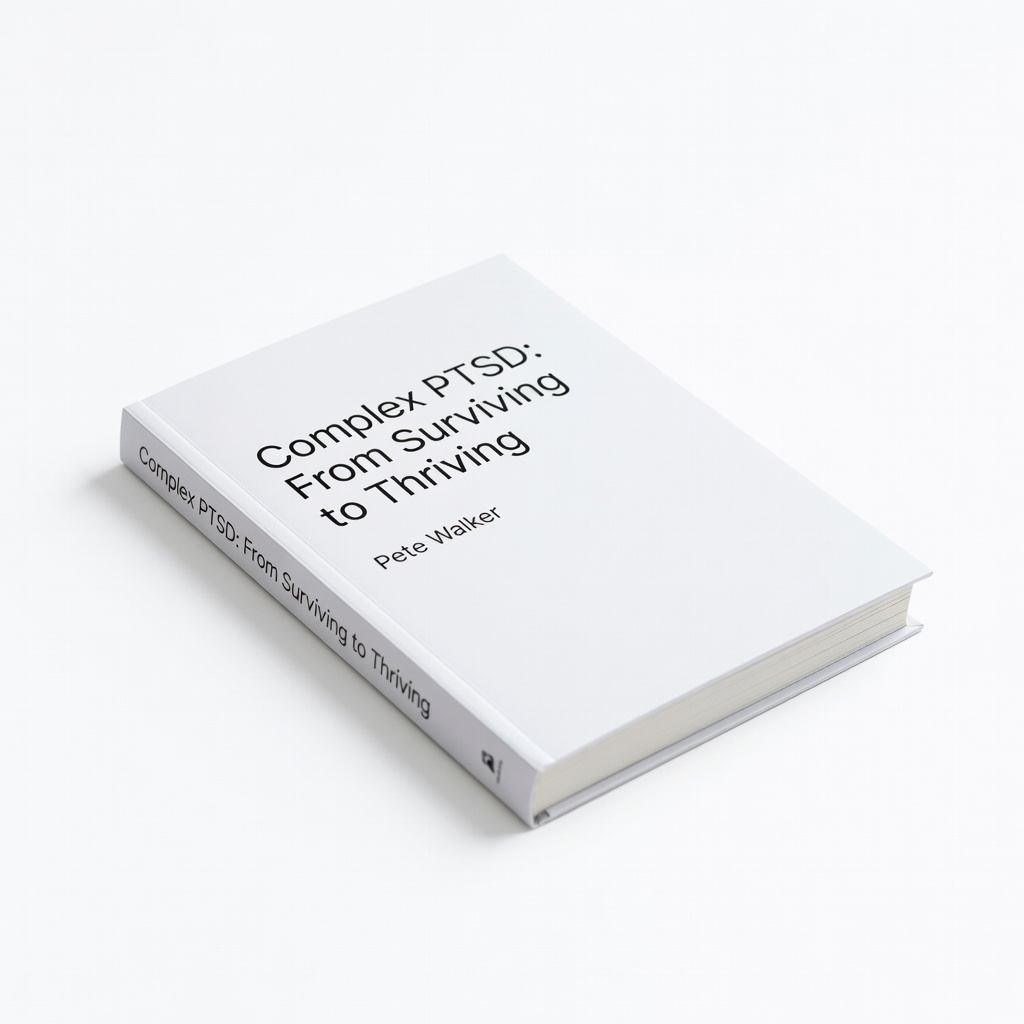
Complex PTSD: From Surviving to Thriving by Pete Walker
Beginner-friendly with practical tools for emotional abuse recovery, backed by therapist insights.
Best for: Ideal for complex trauma from prolonged abuse; includes recovery stages.
Price Range: $18.95
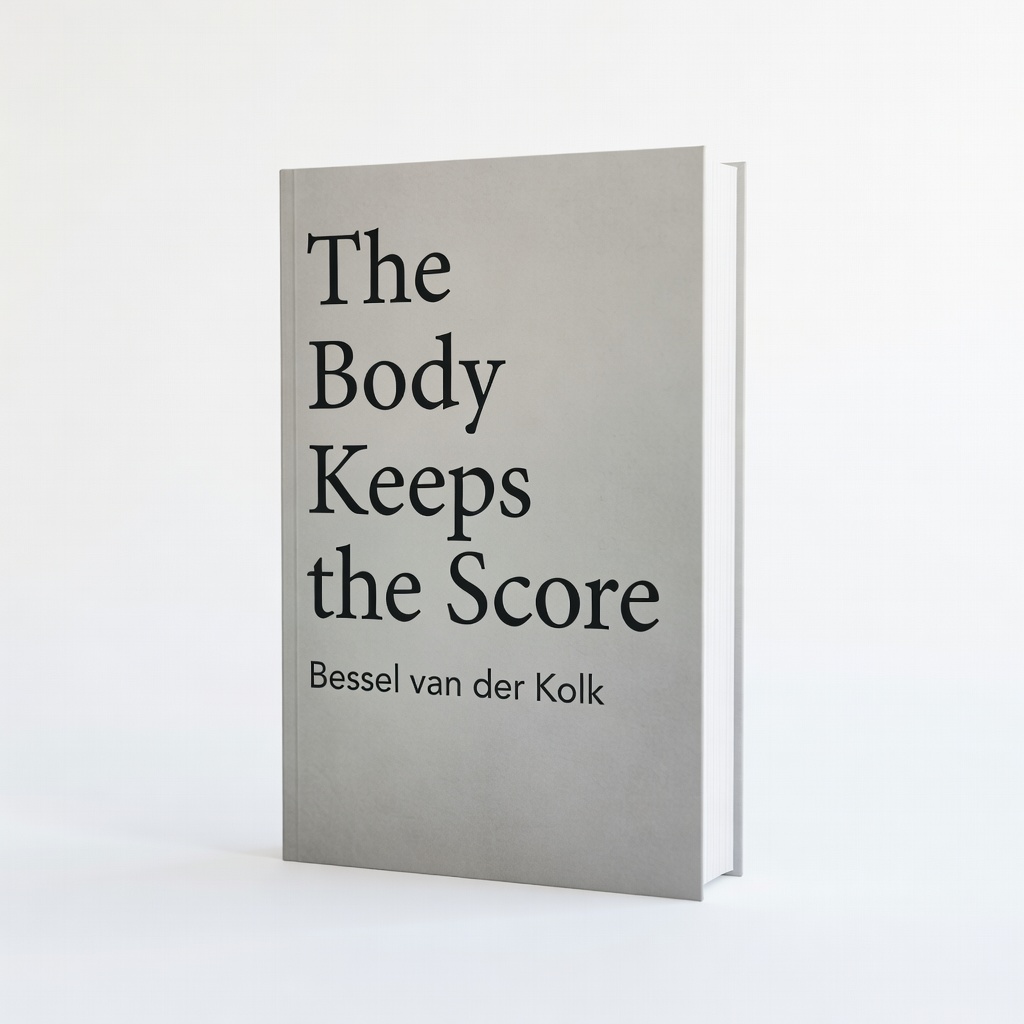
The Body Keeps the Score by Bessel van der Kolk
Evidence-based neuroscience on trauma's body impact; highly rated for clarity.
Best for: Understanding physical symptoms of abuse trauma.
Price Range: $18.00
Adult Children of Emotionally Immature Parents by Lindsay C. Gibson
Targets covert emotional abuse; actionable steps for boundary-setting.
Best for: Healing from narcissistic or neglectful parenting.
Price Range: $14.99
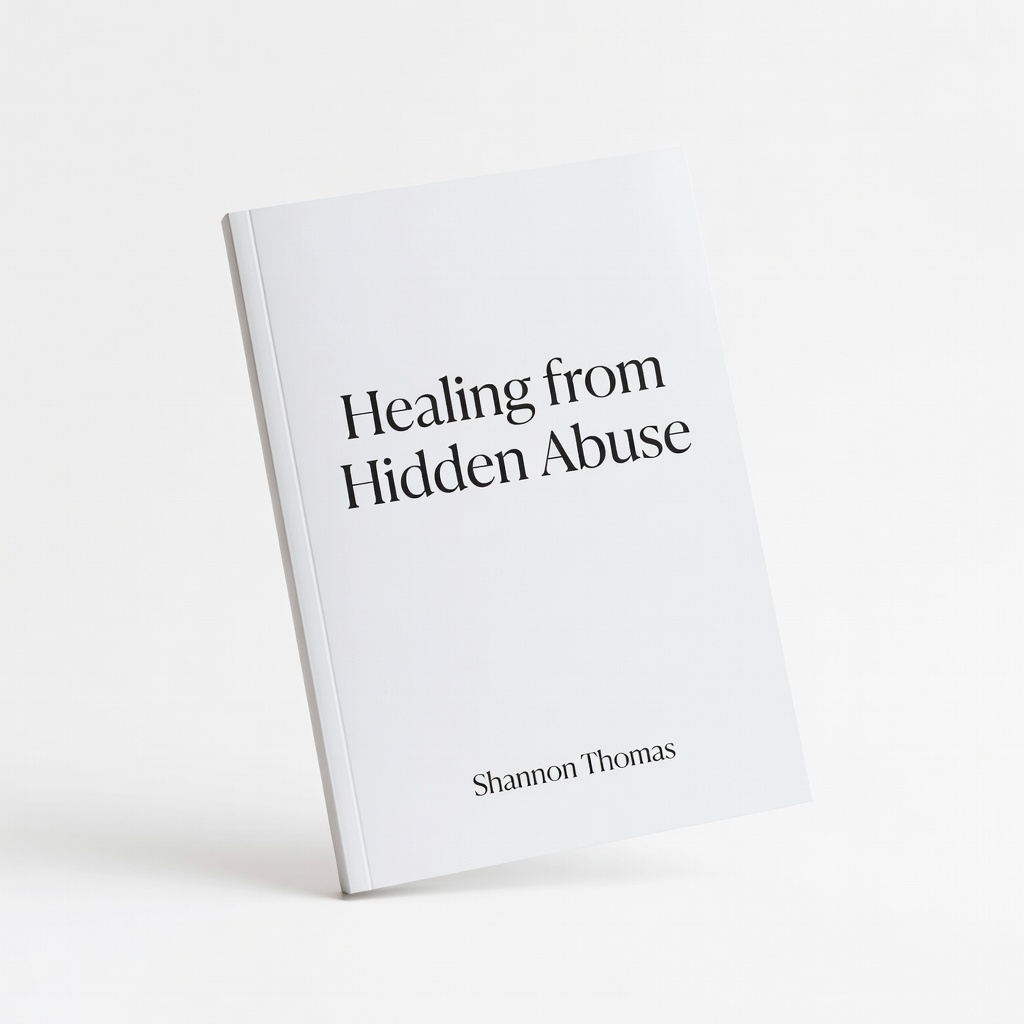
Healing from Hidden Abuse by Shannon Thomas
Specific to psychological abuse; structured recovery roadmap.
Best for: For survivors of gaslighting/manipulation.
Price Range: $16.99