Hot yoga turns your mat into a slip-and-slide. Slipping during a pose isn't just distracting—it can lead to injury. The key to a safe practice lies in the mat's material and construction. In this guide, we break down the science of grip, compare materials like natural rubber and microfiber suede, and reveal what to look for in a mat that stays stuck when you're sweating. Whether you're a Bikram veteran or new to heated classes, you'll learn how to pick a mat that supports—not sabotages—your flow.
▸What You'll Need
- •Understanding of hot yoga conditions (heat, humidity, sweat)
- •Willingness to invest in a quality mat (typically $50–$150)
- •Basic knowledge of mat materials (PVC, natural rubber, cork, microfiber suede)
- •Access to product reviews and specifications (online or in-store)
- •Optional: a mat towel or spray cleaner for maintenance
Estimated Time: 10–15 minutes to read; 1–2 hours to research and compare products
Difficulty: intermediate
▸Step-by-Step Instructions
Step 1: Understand Why Mats Get Slippery in Hot Yoga
In hot yoga, sweat pools on the mat's surface, creating a thin layer of moisture that reduces friction. Many standard mats—especially closed-cell PVC—become slick when wet because they don't absorb moisture. Your goal is to find a mat that either wicks sweat away or gains traction as it gets damp.
💡 Tips:
- •Look for materials that are hydrophilic (water-loving) or have a textured surface that disrupts the moisture film.
⚠️ Warnings:
- •Avoid shiny, ultra-smooth mats; they are the worst offenders in hot yoga.
Step 2: Compare Mat Materials: The Grip Showdown
Each material behaves differently when wet:
- •Natural rubber: Excellent wet grip due to its porous, open-cell structure. It absorbs sweat slightly and becomes tackier. Downsides: strong smell (fades), heavy, may stain light floors.
- •Microfiber suede (e.g., B Mat): Top layer of suede-like fabric that absorbs sweat, while a latex or rubber bottom holds the floor. Grippy even when saturated. Needs to be cleaned to avoid bacteria.
- •Cork: Naturally antimicrobial and becomes grippier as it absorbs moisture. Lightweight but can be thin; requires a rubber bottom layer.
- •PVC (closed-cell): Standard yoga mat material. Good dry grip but turns slippery when wet. Some brands (e.g., Manduka Pro) treat the surface for better wet grip, but still less than rubber.
- •TPE: Eco-friendly, but generally poor wet grip and less durable in high-heat settings.
💡 Tips:
- •If you hate rubber smell, try a cork or microfiber suede mat.
- •For the best of both worlds, look for mats with a rubber base and microfiber top (like a mat towel built in).
⚠️ Warnings:
- •Some natural rubber mats contain latex; check if you have an allergy.
Step 3: Check Cell Structure: Open-Cell vs. Closed-Cell
Open-cell mats (like natural rubber) have tiny pores that absorb moisture, which increases friction. Closed-cell mats (like standard PVC) repel water, causing beading and slipperiness. For hot yoga, open-cell is generally better for grip. However, open-cell mats absorb sweat and bacteria, so they require more frequent cleaning. Some closed-cell mats use a textured surface to mimic grip—read reviews specifically about wet performance.
💡 Tips:
- •If you prefer a closed-cell mat (e.g., for easy cleaning), look for one with an “absorbent” top layer like a microfiber coating.
⚠️ Warnings:
- •Open-cell mats can degrade faster if not cleaned properly; never machine wash unless specified.
Step 4: Evaluate Texture and Surface Design
Many mats use embossed patterns, raised dots, or grooves to channel sweat away and increase grip. For example, the Liforme mat has a proprietary “AlignForMe” system with lines and ridges that also aid alignment. Cork mats have a natural grain. Texture can make a huge difference—run your hand over the surface; if it feels slick, it will likely be slick when wet.
💡 Tips:
- •Look for mats with a “non-slip” or “sweat-absorbent” claim, but verify with customer reviews from hot yoga practitioners.
⚠️ Warnings:
- •Some aggressive textures can feel uncomfortable during prone poses (like Savasana). If possible, test in a studio or check return policy.
Step 5: Consider Thickness and Density for Stability
Thicker mats (6mm+) provide cushioning but can reduce stability in balancing poses. For hot yoga, a 4–5mm mat is ideal—enough padding for knees, but still firm for balance. Dense mats like Manduka Pro (6mm) are firm and heavy, favored by many hot yogis despite being thicker. Cork mats are usually thin (3–4mm) but firm. Portability may also matter if you carry your mat to classes.
💡 Tips:
- •If you practice on hard floors, a 5mm mat provides good comfort without sacrificing stability.
⚠️ Warnings:
- •Ultra-thin travel mats (1–2mm) are not recommended for hot yoga—they offer no cushion and can slip more.
Step 6: Read Reviews Specifically for Hot Yoga
General online reviews may not test the mat in hot conditions. Search for phrases like “hot yoga grip,” “sweat,” or “Bikram” in reviews. Also check how the mat performs after months of use—some mats lose grip over time. Pay attention to durability: natural rubber can discolor from sweat, and microfiber top layers can peel if cheap.
💡 Tips:
- •Prefer reviews with photos showing moisture on the mat.
- •If possible, borrow a friend’s mat or try it at a studio before buying.
⚠️ Warnings:
- •Beware of fake reviews; look for verified purchase labels.
Step 7: Plan for Maintenance: Cleaning and Care
Hot yoga demands frequent cleaning to prevent bacteria buildup. Open-cell mats should be wiped with a mild soap solution after each use and dried thoroughly. Closed-cell mats are easier to clean. Some mats (like microfiber suede) can be machine washed on gentle cycle. Consider how much effort you're willing to invest in maintenance.
💡 Tips:
- •Use a dedicated yoga mat spray or a DIY mix of water, vinegar, and tea tree oil.
- •Air-dry your mat in the shade; avoid direct sunlight for rubber mats.
⚠️ Warnings:
- •Never put natural rubber mats in the washing machine—they can fall apart.
▸Pro Tips
- •Place a yoga towel over your mat for extra grip—especially at the start of class when you sweat most.
- •Break in a new natural rubber mat by lightly misting it with water and practicing on it a few times; this reduces the initial slippery phase.
- •For PVC mats, sprinkle a tiny amount of cornstarch on the surface to absorb moisture—but test first as it can be messy.
- •If you practice hot yoga frequently, consider investing in two mats: one for home and one for travel.
- •Use a mat strap or bag designed for hot yoga mats to avoid warping; some materials can be damaged by excessive folding.
- •Always check the return policy—many companies offer 30-day trials for grip performance.
▸Common Mistakes to Avoid
- •Choosing a mat based on color or pattern instead of material performance—grip trumps aesthetics.
- •Ignoring the smell of natural rubber—it can be off-putting in enclosed studios. Air it out before first use.
- •Buying an ultra-thick mat for comfort, which can cause instability in balancing poses.
- •Overlooking portability: a heavy, thick mat can be a burden to carry to class every day.
- •Assuming all “non-slip” mats are the same—always verify their behavior specifically when wet.
▸Troubleshooting
Problem: My mat is still slippery even though it’s marketed for hot yoga.
Solution: Try using a mat towel (microfiber type) that absorbs sweat. Alternatively, lightly mist the mat with water before class to activate its grip (works for cork and some rubber mats).
Problem: My natural rubber mat has a strong smell that won't go away.
Solution: Air it out in a well-ventilated area for 1–2 weeks. Wash with mild soap and water, then rinse thoroughly. You can also place it in a cool, dry place with baking soda nearby to absorb odors.
Problem: My mat leaves marks on the floor.
Solution: Some rubber mats can stain light-colored floors. Use a protective mat (like a thin felt pad) underneath or choose a mat with a non-marking bottom. Clean any residue immediately.
Problem: I’m allergic to latex, but I want natural rubber grip.
Solution: Opt for a cork mat with a cork top and natural rubber bottom (often non-latex rubber) or a microfiber suede mat with a PVC-free base. Check product labels for “latex-free”.
Manduka Pro Yoga Mat
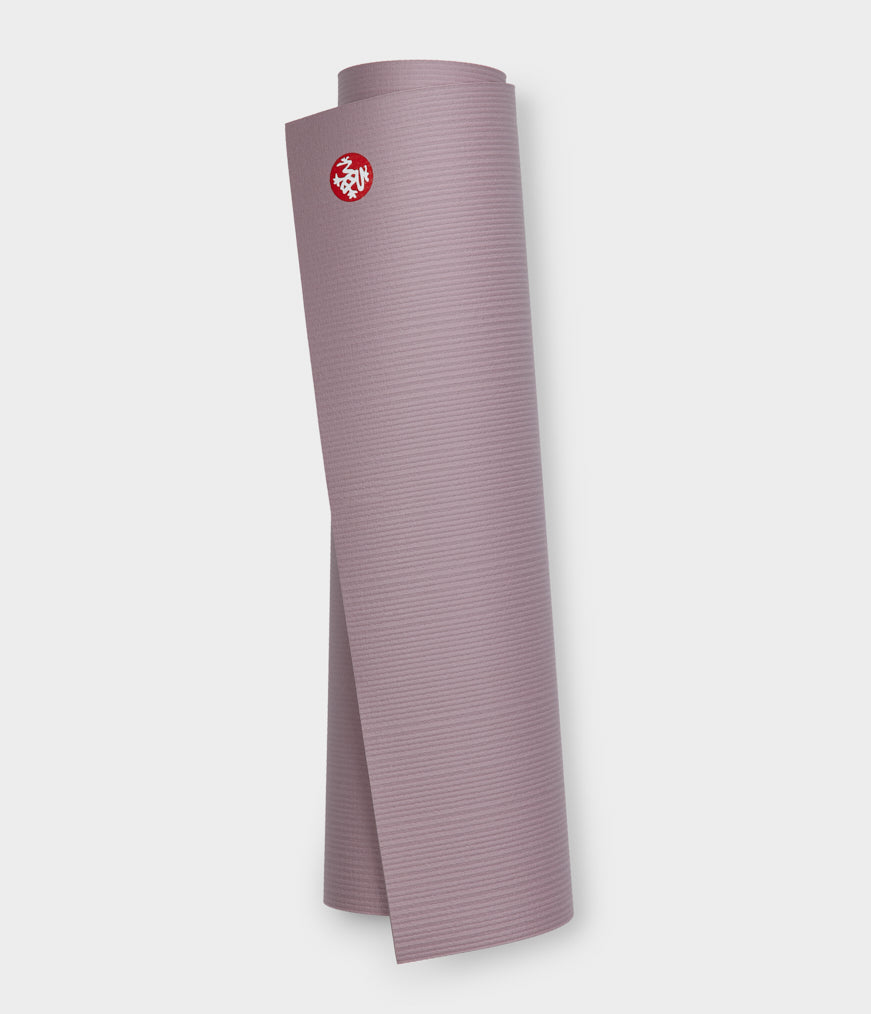
Extremely dense and durable PVC mat with a closed-cell surface that has a special texture for wet grip. Favored by many hot yoga practitioners for its longevity (lifetime guarantee).
Best for: Ideal for those who want a mat that will last decades and don't mind a slightly heavier mat (7.5 lbs).
Price Range: $120–$140
Liforme Original Yoga Mat
Natural rubber mat with a unique AlignForMe alignment system and a special microfiber top that grips better when wet. Loved by hot yogis for its tackiness.
Best for: Perfect for practitioners who want alignment cues built into the mat and superior wet grip.
Price Range: $150–$170
Jade Yoga Harmony Mat
Made from natural tree rubber (non-toxic, eco-friendly) with an open-cell surface that provides excellent grip even when sweaty. Lightweight and available in 3/16” thickness.
Best for: Great for eco-conscious yogis who need a reliable hot yoga mat that won't break the bank.
Price Range: $80–$100
B Mat (Everywhere Mat)
Features a microfiber suede top that absorbs sweat and a high-grip rubber bottom. The top becomes stickier as you sweat, making it one of the best for hot yoga.
Best for: Best for those who sweat heavily and want a mat that actively gets grippier during practice.
Price Range: $100–$120
Gaiam Cork Yoga Mat
Natural cork surface with a rubber base. Cork gets tacky when wet, is antimicrobial, and provides a unique aesthetic. Thin (4mm) but firm.
Best for: Ideal for intermediate yogis who want an eco-friendly, lightweight mat with natural grip.
Price Range: $60–$80